
Jawai Leopard Safari: Where Leopards Roam Free in Rajasthan’s Rocky Hills
I went on a Jawai Leopard Safari earlier this year, and it completely changed the way I see wildlife tourism.

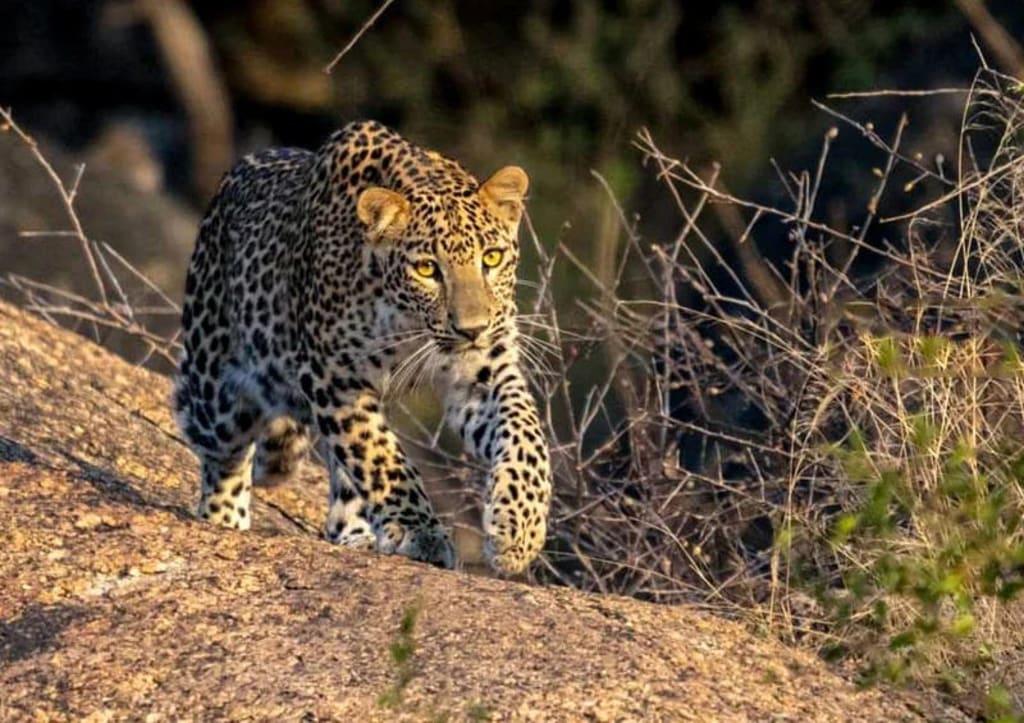
If you think of Rajasthan only as deserts, palaces, and forts, you might be surprised to know that the state is also home to one of India’s most unique wildlife destinations—Jawai. Nestled between Udaipur and Jodhpur, Jawai is often called the “Leopard Hills” of India, thanks to its thriving leopard population. Unlike other safari parks, Jawai’s leopards live in rocky caves and granite hills rather than forests, making the experience unlike anything else.
I went on a Jawai Leopard Safari earlier this year, and it completely changed the way I see wildlife tourism. It’s not just about spotting leopards—it’s about entering a world where humans and big cats live side by side, with mutual respect.
A Landscape Like No Other
The first thing that struck me about Jawai was the terrain. The granite boulders rise suddenly from flat scrublands, creating natural caves where leopards shelter during the day. At sunset, the light turns the rocks a glowing pink, and that’s often when the leopards emerge. It feels almost cinematic—watching a leopard silhouette appear against the glowing hills.
This landscape also makes sightings easier compared to forest safaris. The wide-open views mean you’re not constantly peering through thick vegetation. Instead, your eyes scan the cliffs and ridges, waiting for movement.
The Leopards of Jawai
What makes Jawai even more fascinating is the relationship between the leopards and the Rabari community, who have lived here for generations. The Rabaris consider leopards sacred and believe they protect their flocks. Because of this, leopards roam freely without conflict. It’s rare to see this level of coexistence anywhere else.
On my safari, we saw a young leopard resting on a rock while a shepherd guided his sheep just a few hundred meters away. Neither seemed bothered by the other—it was harmony in its purest form.
Beyond Leopards: Wildlife and Birds
While leopards are the stars of Jawai, they’re not the only reason to visit. The nearby Jawai Dam attracts huge numbers of migratory birds. I spotted flamingos, pelicans, and even cranes during my trip. You may also come across hyenas, jackals, and jungle cats on your drives. For photographers, this mix of big cats and birdlife is a dream come true.
Planning Your Safari
Best Time to Visit: October to March is ideal for pleasant weather and great sightings.
How to Reach: The closest airports are Udaipur (150 km) and Jodhpur (170 km). Jawai Bandh railway station is also a convenient option.
Stay Options: From luxury leopard camps to affordable eco-lodges and homestays, Jawai caters to every budget.
Safari Tips: Book in advance, wear neutral-colored clothes, and carry binoculars for the best experience.
Why Jawai Stands Out
Unlike crowded national parks, Jawai feels raw and untouched. The safaris are intimate, the guides are knowledgeable locals, and the landscapes are breathtaking. But what truly makes it special is that it’s not just about wildlife—it’s about culture, coexistence, and a slower way of life.
For me, the highlight wasn’t just spotting leopards (though that was incredible). It was sitting on a rocky hill, watching the sunset paint the landscape in gold, while knowing that somewhere nearby, a leopard was watching too.
So, if you want to explore a side of Rajasthan that blends adventure, wildlife, and authenticity, a Jawai Leopard Safari should be high on your list.
About the Creator
Rohit SEN
Hey! Come along with me to explore beautiful places, learn about different cultures, and share my adventures. Let's Explore together! From a travel lover!
What I Learned Is Considered Disrespectful in Morocco by Morocco Family Vacation
Before visiting Morocco with my family, I read countless articles about customs, etiquette, and cultural differences. Still, I worried I’d make a mistake especially traveling as a mom with children who ask questions loudly, touch everything, and don’t always understand unspoken rules.
By Ariel Cohena day ago in Wander
What a Truly Comfortable Travel Experience Feels Like — Beyond Hotels and Flights
When people talk about comfortable travel, the conversation usually revolves around hotels, flight classes, or airport lounges. While these details matter, comfort in travel often comes from something less visible: how smoothly everything fits together.
By Jeffrey Mathew6 days ago in Wander


Comments
There are no comments for this story
Be the first to respond and start the conversation.