
Jaipur Travel Guide: Exploring the Pink City of Rajasthan
Jaipur, the capital city of Rajasthan, is one of India’s most vibrant and culturally rich destinations. Known as the "Pink City" because of its distinct terracotta-colored buildings, Jaipur is a blend of regal history, magnificent architecture, rich culture, and an array of diverse experiences.

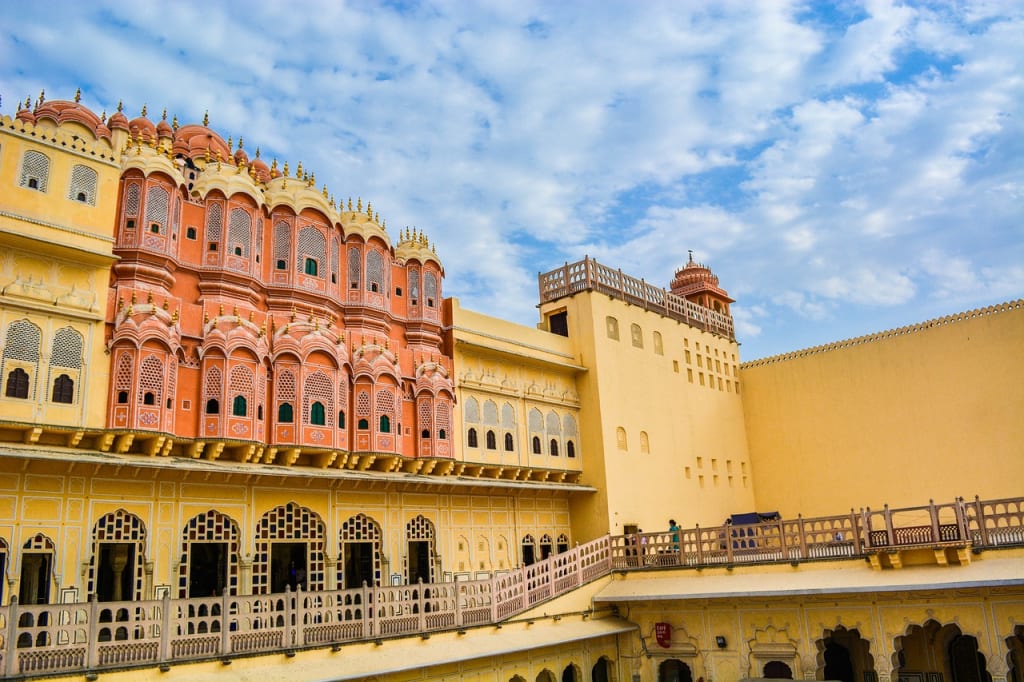
From ancient forts and palaces to bustling bazaars and lively markets, Jaipur tourism offers something for every type of traveler. Whether you’re a history enthusiast, an architecture lover, or a shopaholic, this comprehensive Jaipur travel guide will help you plan your perfect trip to Rajasthan’s iconic capital.
Introduction to Jaipur: The Pink City
Jaipur, founded in 1727 by Maharaja Sawai Jai Singh II, is the largest city in Rajasthan. The city was meticulously planned and is known for its architectural brilliance, which blends Rajput and Mughal styles. Jaipur is a hub of Rajasthani culture, famous for its festivals, dance, music, art, and cuisine. Over the years, Jaipur has emerged as a prominent tourist destination, attracting millions of visitors from around the world. It forms part of India’s Golden Triangle, along with Delhi and Agra, making it a popular stop for travelers exploring northern India.
Best Time to Visit Jaipur
The climate of Jaipur varies throughout the year, and the best time to visit Jaipur largely depends on your preferences and the kind of experiences you are seeking.
Winter (October to March): The best time to explore Jaipur is during the winter months. With cooler temperatures ranging from 8°C to 25°C, the weather is perfect for sightseeing and outdoor activities. This is the peak tourist season, so be prepared for large crowds, especially around major attractions and festivals.
Summer (April to June): Jaipur can be extremely hot during the summer, with temperatures often soaring above 40°C. While the summer months aren’t ideal for sightseeing, you can still visit Jaipur if you’re prepared for the heat. It’s best to visit early in the morning or later in the evening when the temperature is lower.
Monsoon (July to September): The monsoon season brings rain to Jaipur, which cools the city but also causes some inconvenience. While the landscape becomes lush and beautiful, the humidity can make outdoor sightseeing less comfortable. If you’re planning a visit during this time, make sure to carry rain gear and plan your sightseeing accordingly.
How to Reach Jaipur
Jaipur is well-connected by air, rail, and road, making it easy for travelers to access the city from different parts of India and beyond.
By Air: Jaipur’s Sanganer Airport is the main airport, located about 13 kilometers from the city center. The airport is well-connected to major Indian cities, including Delhi, Mumbai, and Bengaluru. International flights are also available, making it convenient for travelers from overseas to reach the city.
By Train: Jaipur has a major railway station, Jaipur Junction, which is connected to various cities across India. The station is well-connected to cities like Delhi, Agra, Jodhpur, and Ahmedabad. Several express and superfast trains, including the Shatabdi Express, connect Jaipur to other major Indian cities.
By Road: Jaipur is well-connected to other cities in Rajasthan and neighboring states. National highways make it easy to reach Jaipur from cities like Delhi, Agra, and Udaipur. You can hire a taxi, rent a car, or take a bus from nearby cities to reach Jaipur. Additionally, Jaipur has excellent public transportation, including auto-rickshaws, taxis, and cycle rickshaws.
Top Attractions in Jaipur
Jaipur is home to several iconic landmarks and attractions that showcase the grandeur of Rajasthan’s royal history. Below are some must-visit places:
1. Amber Fort
One of the most famous attractions in Jaipur, Amber Fort (or Amer Fort) is a majestic hilltop fort that combines Hindu and Mughal architectural styles. The fort features stunning courtyards, intricate carvings, and magnificent palaces. The Sheesh Mahal, or Mirror Palace, is a highlight of the fort, with its beautiful mirror-work that reflects light in mesmerizing patterns.
2. Hawa Mahal (Palace of Winds)
The Hawa Mahal is another iconic landmark in Jaipur. This five-story palace is built from red and pink sandstone and is known for its intricate lattice windows, which allowed royal women to observe street life without being seen. Its unique design and architectural brilliance make it a must-see in Jaipur.
3. City Palace
The City Palace is a sprawling complex of palaces, courtyards, and gardens. It is a stunning example of Rajput architecture and houses museums, galleries, and courtyards that provide a glimpse into the royal lifestyle. The Chandra Mahal and Mubarak Mahal within the complex are particularly noteworthy.
4. Jantar Mantar
Jantar Mantar is an astronomical observatory built by Maharaja Jai Singh II in the 18th century. It contains a collection of large astronomical instruments that were used to measure time, track celestial bodies, and make astrological predictions. This UNESCO World Heritage Site is a fascinating place for those interested in science and history.
5. Jal Mahal (Water Palace)
Situated in the middle of Man Sagar Lake, Jal Mahal is a beautiful palace with a picturesque setting. While visitors are not allowed to enter the palace, the view from the lakeside is simply breathtaking. It is especially beautiful during sunset.
6. Nahargarh Fort
Located on the Aravalli Hills, Nahargarh Fort offers stunning views of the city of Jaipur. It is known for its impressive architecture and historical significance, offering a glimpse into Rajasthan’s royal past. The fort also has a unique feature – the Madhavendra Bhawan, a palace with rooms decorated in a blend of Indian and European styles.
7. Albert Hall Museum
The Albert Hall Museum is an excellent place to explore Jaipur’s rich cultural heritage. Located in the heart of the city, this museum is housed in a beautiful building that exhibits artifacts such as textiles, sculptures, and pottery from Rajasthan and beyond.
8. Jaigarh Fort
Jaigarh Fort is a massive fort situated on the outskirts of Jaipur. The fort is known for housing the world’s largest cannon on wheels, Jaivana, and offers panoramic views of Jaipur. Jaigarh Fort is an excellent place to learn about Jaipur’s military history.
Shopping in Jaipur
Jaipur is a paradise for shoppers. The city is famous for its handicrafts, textiles, jewelry, and souvenirs. Some popular shopping areas in Jaipur include:
Johari Bazaar: Known for its intricate jewelry, including traditional Rajasthani designs and precious gemstones.
Bapu Bazaar: Famous for textiles, leather products, and home decor items.
Tripolia Bazaar: A great place to shop for brassware, antiques, and other handicrafts.
Rajasthani Cuisine and Dining in Jaipur
No visit to Jaipur is complete without tasting its delectable Rajasthani cuisine. Some traditional dishes you should try include:
Dal Baati Churma: A combination of lentils, wheat rolls, and a sweet dish made from crushed wheat and ghee.
Laal Maas: A spicy mutton curry.
Ghewar: A traditional sweet made with flour and soaked in sugar syrup.
Jaipur also has a number of fine dining options, ranging from royal Rajasthani thali experiences to international cuisine. Some notable places include Chokhi Dhani for traditional Rajasthani food and Suvarna Mahal for a royal dining experience in a palace setting.
Rajasthan Tourism and Jaipur's Cultural Heritage
Jaipur is not only a gateway to Rajasthan but also offers a deep dive into the culture and heritage of the region. From folk music and dance performances to fairs and festivals, Jaipur gives you the opportunity to immerse yourself in Rajasthani culture.
Teej Festival: Celebrated in August or September, Teej marks the arrival of the monsoon and is celebrated with traditional dance, music, and decorations.
Gangaur Festival: A vibrant festival celebrated in March or April, dedicated to the goddess Gauri, featuring processions, music, and folk dance.
Where to Stay in Jaipur
Jaipur offers a wide range of accommodation options to suit every budget:
Luxury Hotels: Experience royal hospitality at the Rambagh Palace, Taj Jai Mahal Palace, or Oberoi Rajvilas.
Budget Hotels: There are many budget hotels and guesthouses offering affordable stays, such as Hotel Pearl Palace and Umaid Bhawan.
Boutique Hotels: For a unique experience, consider staying in a boutique hotel that offers personalized service, such as The House of M.G. or The Raj Palace.
Stays: Hourly Basis Hotels in Jaipur
Conclusion
Jaipur is a city that embodies the essence of Rajasthan – royal, grand, and steeped in history. Whether you are here to explore its forts, indulge in its rich cuisine, or shop for handicrafts, Jaipur offers an unforgettable experience. With its unique blend of history, culture, architecture, and hospitality, Jaipur tourism is an experience that promises to leave an indelible mark on every traveler. This Jaipur travel guide has hopefully given you all the information you need to plan your trip and explore the magic of the Pink City.
About the Creator
Avneet Singh
I love traveling and exploring new places. As an SEO Executive at Brevistay, I am working to improve the online presence and website ranking of Brevistay.
Keep reading
More stories from Avneet Singh and writers in Wander and other communities.
Best Places to Visit in Zirakpur
Known for its strategic location, modern infrastructure, and a mix of urban and traditional attractions, Zirakpur has something to offer everyone. Whether you're visiting for a day, a weekend, or an extended vacation, there are numerous places to explore that make your trip memorable. To complement your journey, a wide range of hotels in Zirakpur provide excellent accommodations, ensuring your stay is as enjoyable as the experiences the town has to offer.
By Avneet Singhabout a year ago in Wander
Worth the Wait: Puerto Viejo, Costa Rica
Beach bumming in a small Caribbean beach town sounded like a perfect way to end our 6-month trip through Mexico and Central America. Or so we thought. The foul, fishy stench of rotten seaweed hit our nostrils as we stepped from the cramped bus and looked out at a rather depressing, empty, and underwhelming black sand beach. It was pouring with rain, and we had to quickly fish out our ponchos. We thought, this couldn’t be it, could it?
By Sh*t Happens - Lost Girl Travel10 days ago in Wander
Langtang Valley Trek: The Complete Guide to Nepal's Hidden Himalayan Gem
If you are searching for a trek that combines breathtaking mountain scenery, rich Tamang culture, and an off-the-beaten-path adventure the Langtang Valley Trek is your answer. Nestled just 50 kilometers north of Kathmandu, Langtang is one of Nepal's most accessible and rewarding trekking destinations. Often overshadowed by the fame of Everest Base Camp and the Annapurna Circuit, this Himalayan trek offers an equally spectacular experience without the crowds. Whether you are a first-time trekker or a seasoned adventurer, the Langtang Valley Trek promises soaring peaks, dense rhododendron forests, ancient monasteries, and warm hospitality that will stay with you long after you return home.
By RP Adventures4 days ago in Wander



Comments
There are no comments for this story
Be the first to respond and start the conversation.