
Into the Wild: My Jawai Leopard Safari Experience
My Jawai Leopard Safari was unlike anything I had experienced before—it was intimate, unpredictable, and deeply soulful.
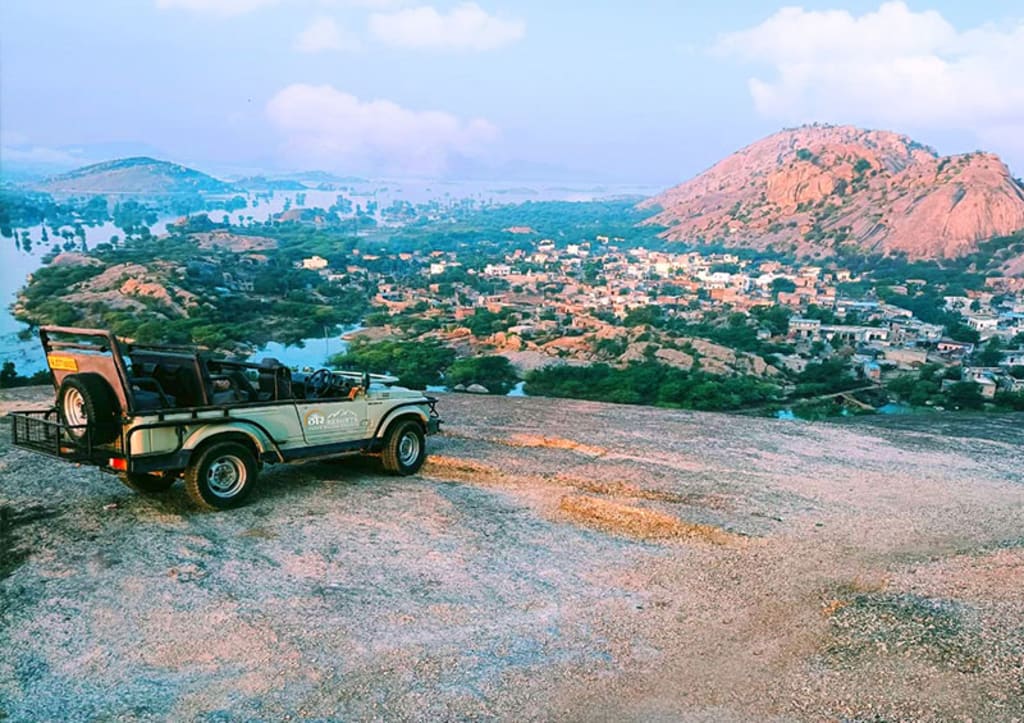
When people think of wildlife safaris in India, the first names that usually come up are Ranthambore, Bandhavgarh, or Gir. But tucked away in the rugged landscape of Rajasthan lies a place that feels untouched, raw, and mystical—Jawai, the land of leopards. Unlike traditional wildlife reserves, Jawai isn’t a protected forest. Instead, it’s a unique region where humans and leopards have coexisted for centuries, with granite hills, caves, and wide-open fields forming the backdrop. My Jawai Leopard Safari was unlike anything I had experienced before—it was intimate, unpredictable, and deeply soulful.
First Impressions of Jawai
As I drove towards Jawai, the scenery itself hinted that this was going to be different. The Aravalli hills suddenly grew taller, dotted with massive granite boulders that looked like they had been carved by the gods. Villages appeared every now and then, with farmers working in their fields and herds of cattle grazing nearby. And in the middle of all this everyday life, the leopards thrive.
Unlike in sanctuaries where spotting wildlife feels like a game of luck, here the chances are surprisingly high. Locals know the leopards by sight and even by behavior, and they live with them in harmony. It was fascinating to realize that in Jawai, people see leopards almost as neighbors, not threats.
The Safari Experience
The safari usually takes place early in the morning or late in the evening, when leopards are most active. I chose an evening drive, and as the jeep bumped along dusty trails, the air was filled with anticipation. Our naturalist pointed out pugmarks, fresh scratches on the rocks, and even explained how leopards move stealthily through the rocky terrain.
The highlight came just before sunset. Perched on a boulder, a leopard slowly emerged from the shadows. Its golden coat caught the last rays of light, and for a moment, the world stood still. Watching this magnificent predator in its natural habitat—without fences or boundaries—was humbling. Unlike in crowded reserves, there were barely a handful of jeeps around, making the experience feel private and special.
And it wasn’t just leopards. I also spotted flocks of migratory birds near Jawai Bandh, the large dam in the area. Crocodiles lazed near the water, and peacocks danced in the fields. The landscape itself—stark granite hills against the soft glow of dusk—was as memorable as the wildlife.
Best Time to Visit Jawai
The best time to plan a Jawai Leopard Safari is between October and March. The weather is pleasant, mornings are crisp, and evenings cool. Summers can get unbearably hot, with temperatures soaring above 40°C, though leopards are still visible as they tend to stick close to caves for shade. Monsoons, while scenic, make the terrain tricky and safaris less reliable.
If you love birdwatching, winter is ideal, as Jawai becomes a hub for migratory species.
How to Reach Jawai
Reaching Jawai is fairly easy, though it feels like a hidden treasure once you’re there.
By Air: The nearest airport is Udaipur, about 150 km away. Jodhpur is another option, at 170 km.
By Train: Jawai Bandh railway station is well connected to major cities like Delhi, Jaipur, and Ahmedabad.
By Road: You can also drive from Udaipur or Jodhpur. The journey takes 3–4 hours, passing through beautiful countryside.
I personally recommend hiring a cab from Udaipur—it’s comfortable, and you can soak in the changing landscapes on the way.
Where to Stay
One of the most unique parts of Jawai is the stay options. You won’t find big luxury hotels, but instead, you’ll come across wilderness camps, boutique lodges, and tented stays that blend seamlessly with the environment. Many of them are run by locals who also organize safaris.
I stayed in a luxury tented camp that overlooked a granite hill where leopards were often sighted. Imagine sipping your morning tea while keeping an eye on the rocks, hoping for a golden silhouette to appear—it felt unreal.
Local Tips for Travellers
From my experience, here are a few tips that will help you make the most of your Jawai trip:
Book safaris in advance, especially in peak season (Dec–Feb), as camps have limited jeeps.
Carry warm clothes if you’re visiting in winter—mornings and evenings can be very chilly.
Respect local traditions. Many temples are built near leopard habitats, and villagers believe the big cats are protectors.
Go with a trained naturalist, as their knowledge of the terrain and leopard behavior makes a big difference.
Keep your expectations flexible. While leopard sightings are frequent, sometimes nature has its own plans.
Budgeting for the Trip
A Jawai Leopard Safari isn’t necessarily cheap, but it’s worth every penny.
Safari Cost: Around ₹3,500–₹6,000 per jeep (can be shared by 4–6 people).
Stay Options: Luxury camps range from ₹10,000–₹20,000 per night, while budget homestays or lodges are available for ₹2,000–₹4,000 per night.
Other Expenses: Meals are often included in camp packages, but factor in travel costs to reach Jawai.
If you’re on a tighter budget, choosing a homestay and booking safaris separately is a good option.
Beyond the Safari: Other Things to Explore
While the leopard safari is the main attraction, Jawai has more to offer.
Jawai Dam (Jawai Bandh): A serene spot for birdwatching and sunset views.
Villages around Jawai: Experience the rustic charm of Rajasthan and interact with locals who share fascinating stories about living alongside leopards.
Temples in the Hills: Ancient shrines hidden in caves and on cliffs add a spiritual touch to the rugged landscape.
Final Thoughts: Why Jawai Stays With You
Jawai isn’t just a safari—it’s a journey into a landscape where man and predator live in rare harmony. Watching a leopard against the backdrop of a granite hill, with the sky turning shades of pink and orange, is something that leaves a mark on your soul.
Unlike crowded reserves, Jawai feels intimate, personal, and raw. It’s not just about ticking off a leopard sighting—it’s about feeling connected to nature in its purest form.
If you’re craving a wildlife experience that goes beyond the ordinary, trust me—a Jawai Leopard Safari should be on your bucket list.
About the Creator
Rohit SEN
Hey! Come along with me to explore beautiful places, learn about different cultures, and share my adventures. Let's Explore together! From a travel lover!
Why Hanifaru Bay is a Dream Destination for Marine Life Enthusiasts
Hanifaru Bay, situated in the Baa Atoll in the Maldives, is one of the earth's most bizarre protected marine areas. This protected zone has a special reputation for the annual visitation of mantas and whale sharks and provides a chance for a nature enthusiast to explore the wonders of the ocean.
By ameliarosannaabout an hour ago in Wander
Literary Heartbeats
Step through an unassuming storefront in Saratoga Springs, New York. Let the city’s familiar bustle fade behind you. Sink into the creak of hardwood floors as your gaze is drawn toward a labyrinth unfolding, room after room, swollen with stories. This is the Lyrical Ballad Bookstore—a place where literary ghosts linger, and generations of readers, writers, and dreamers have lost themselves amid 200,000 volumes of wonder.
By Kristen Barenthaler3 days ago in Wander


Comments
There are no comments for this story
Be the first to respond and start the conversation.