
Impressive Rio de Janeiro
An exciting city in the South American country of Brazil

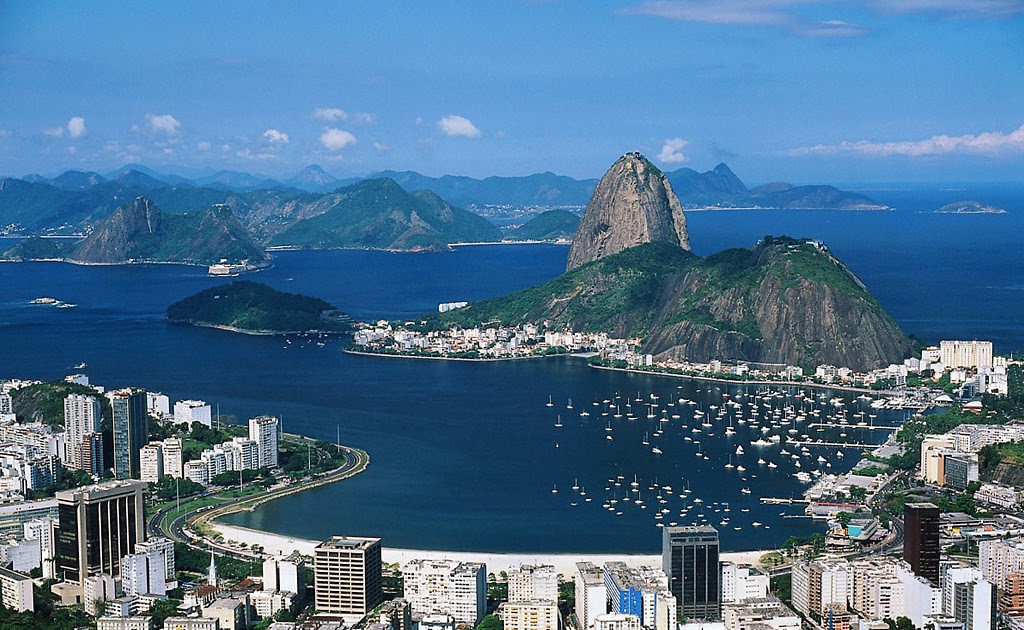
Rio de Janeiro is an amazing and exciting city in Brazil. It has a spectacular setting between the mountains and the sea. It has been named a UNESCO World Heritage Site. Rio is the second major city in Brazil and was the capital from 1763 to 1960. It was founded by Portuguese colonists in the mid 1500s. The city has a lovely harbor over which towers Sugar Loaf.
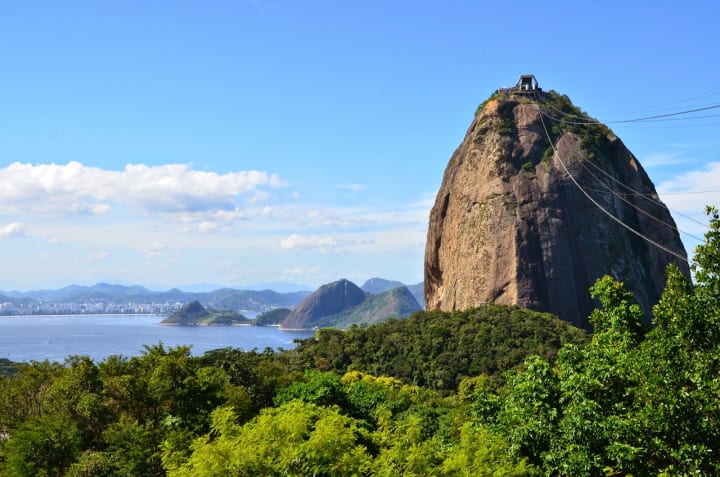
Sugar Loaf is Rio de Janeiro’s best-known landmark and rises 394 meters above the harbor. It sits on a piece of land that projects out into the bay and is connected to the city by a low strip of land. A cable car can take you from Praca General Tiburcio to the top of the Morro da Urca which is a lower peak and from there, a second cableway runs to the summit of Sugar Loaf.
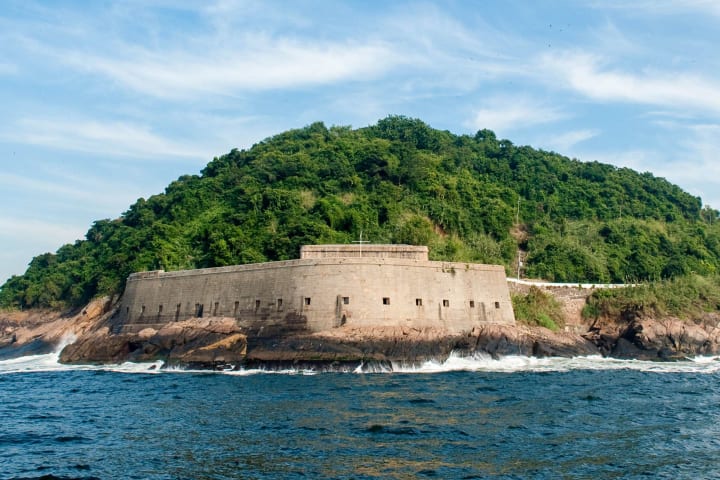
Below is the 100 meter Praia da Urca beach. On Cara de Cao are three forts. The 16th century star-shaped Fort Sao Joao is open to the public.
Up on top of the 709-meter summit of Corcovado stands the giant statue of Christ, overlooking the city. The statue is a widely recognized symbol of Rio. This world-famous landmark was erected between 1922 and 1931. It is known as Christ the Redeemer.
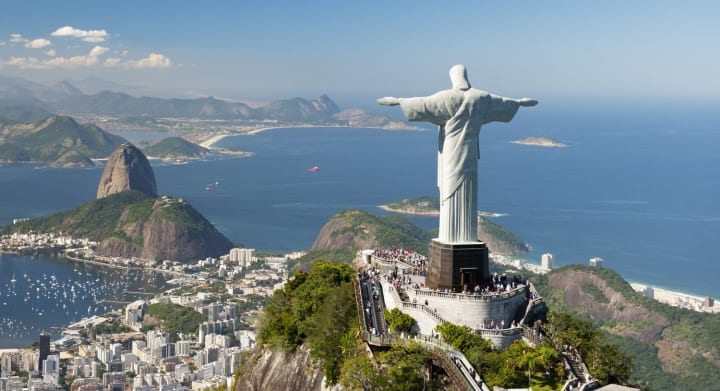
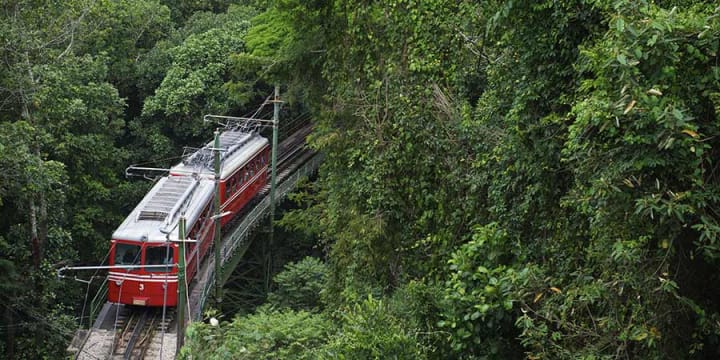
This Art Deco statue is the creation of Polish-French sculptor Paul Landowski. It was built by Brazilian engineer Heitor da Silva Costa, collaborating with French engineer Albert Caquot. It is made of reinforced concrete and soapstone. The figure of Christ stands 30 meters tall with arms stretching 28 meters and weighs 635 metric tons. Inside its eight-meter-high base is a chapel that has become a popular place for weddings and baptisms. To reach this spot the Corcovado rack railway runs from Rua do Cosme Velho up the 3.5-kilometer track to the statue, through the Tijuca National Park.
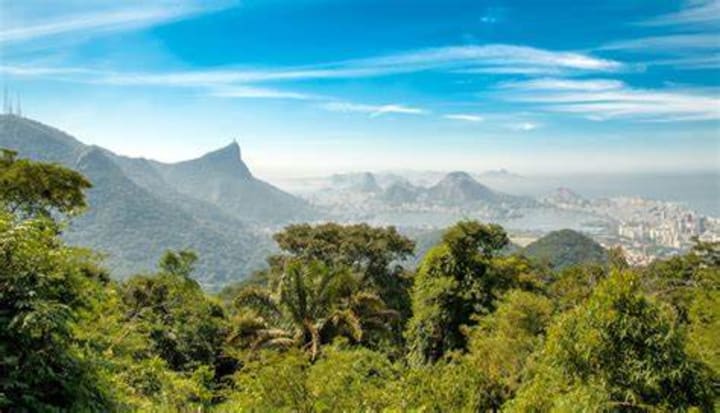
Tijuca National Park protects the Tijuca Forest. It surrounds Cristo Redentor, the giant statue of Christ on Corcovado. To explore the park just follow the road leading through it. This is one of the world’s largest forests within a city. The park was planted in the late 1850s to safeguard the springs supplying water to the city. Most of the trees are native and provide habitat for Capuchin monkeys, quatis (Brazilian raccoon), colorful toucans, hawks, brilliant blue butterflies, and lots of other wildlife.
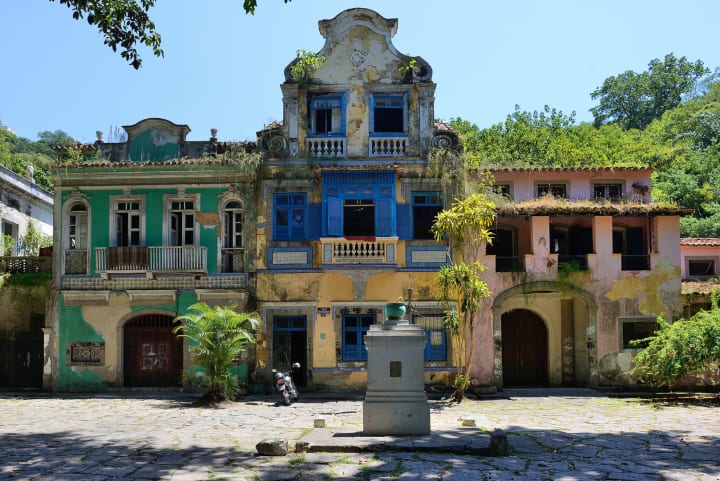
Largo do Boticario is located near the station of the Corcovado railway and is one of the city’s most picturesque squares. The square is surrounded by colonial-style houses.
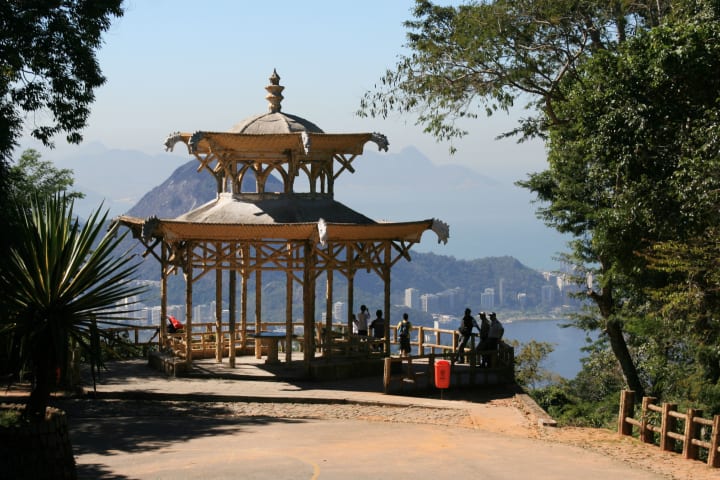
From the pagoda-style pavilion at Morro da Vista Chinesa, 380 meters above the shore from which you can get views of the Municipal Park, the Botanic Garden and the south coast.
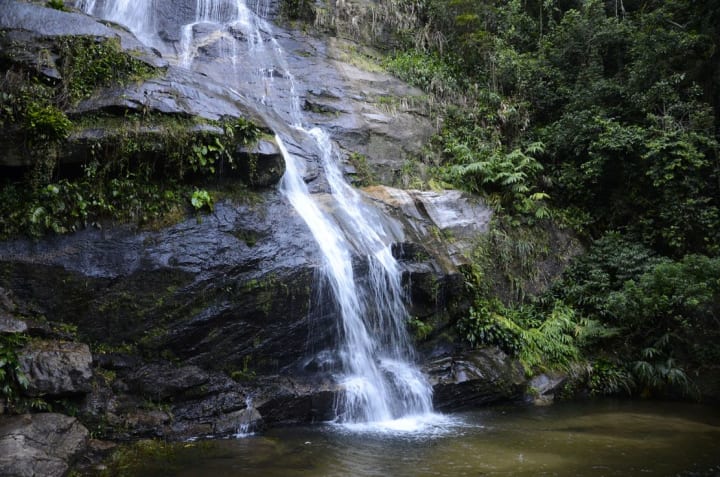
From Mirante Dona Marta sitting on a spur of rock above Botafogo Bay you can get great viewpoints of several waterfalls dropping from the forest springs including the 30 meter Cascatinha Taunay.
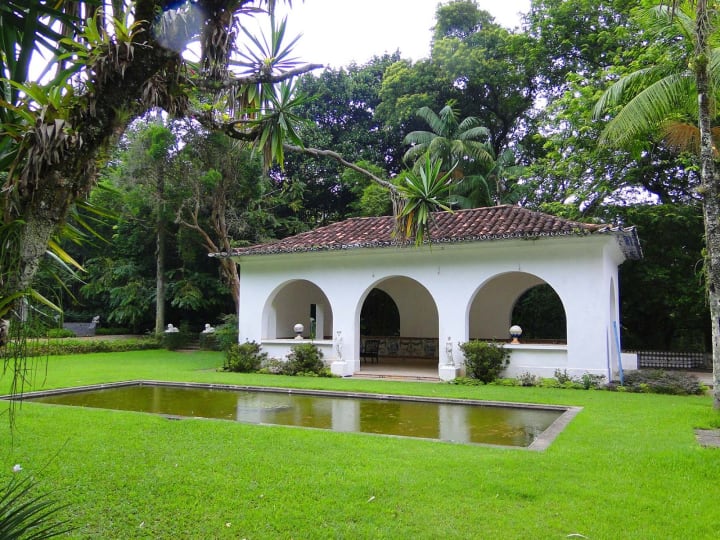
Set in the extensive gardens near the park is the Museu do Acude which displays valuable porcelain collections of the West India Company, old views of Rio de Janeiro by Brazilian and foreign artists and azulejos traditional Portuguese tiles from the 17th through the 19th centuries.

Head to Rio de Janeiro during Carnaval one of the world’s most famous pre-Lenten celebrations. It begins shortly after New Year and reaches its climax in the four days before Ash Wednesday. This is the time when hundreds of thousands of people enjoy street parades, samba parties and shows. Other Brazilian cities that also celebrate Carnaval are Bahia and Recife.
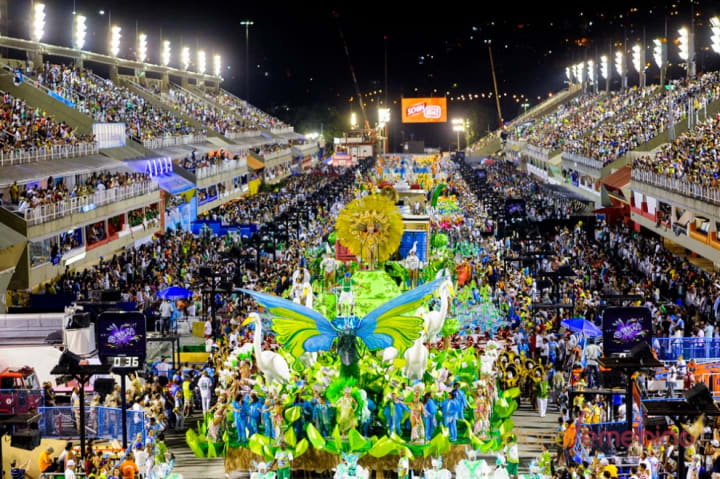
One of the top spectacular events are the parades of the samba schools held in the popular Sambodromo designed by renowned Brazilian architect Oscar Niemeyer. Everyone loves the long parade route which draws up to 30,000 spectators.
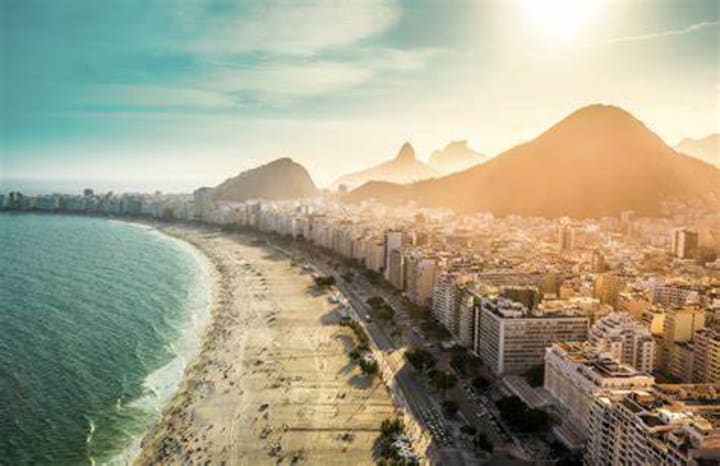
Copacabana is a lovely sand beach right in the heart of Rio, stretching for four kilometers along one side of downtown. From the beach you can find smaller streets with impressive old buildings, fine hotels, restaurants and cafes.
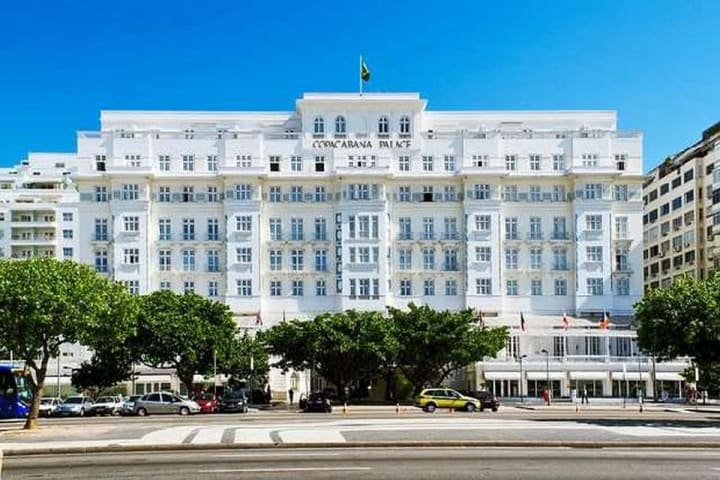
The most popular here is the Copacabana Palace Hotel, built in the 1920s and today protected as a national monument. It was featured in the 1933 movie “Flying Down to Rio” and plays host to royalty and movie stars.
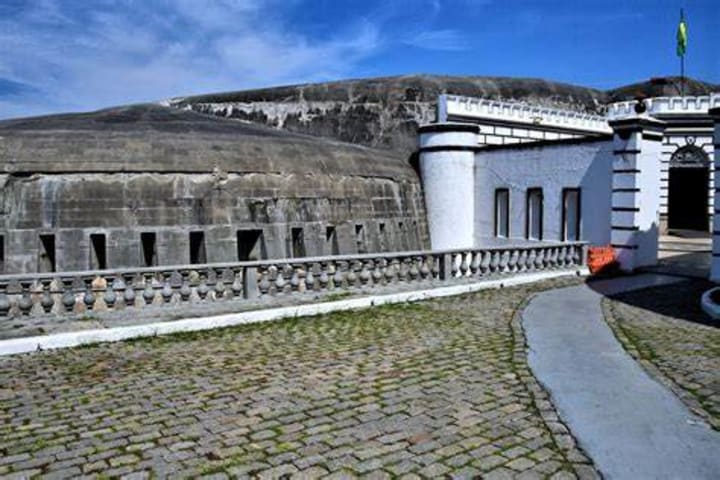
At the far end of the beach you’ll find Copacabana Fort dating from 1914. It was the place of the 1922 revolt of officers, who took over the fort and turned artillery on the city. The revolt ended the next day when the government had battleships bombard the fort. You can learn about military history at the Museu Historico de Exercito or Museum of the History of the Army. On the fort grounds you can see artillery pieces from the late 19th century and early 20th century.
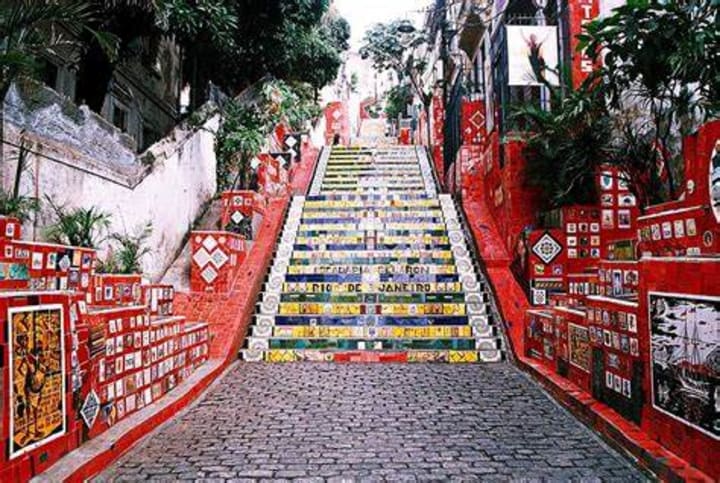
Escadaria Selaron is one of Rio’s newest tourist attractions. It was begun in 1990 by Chilean-born artist Jorge Selaron as his gift to the Brazilian people. He covered a long flight of steps in front of his house with mosaics that were made of tiles, pottery and mirrors. Many of them in blue, green and yellow which are the colors of the Brazilian flag. These steps have become a popular movie location.
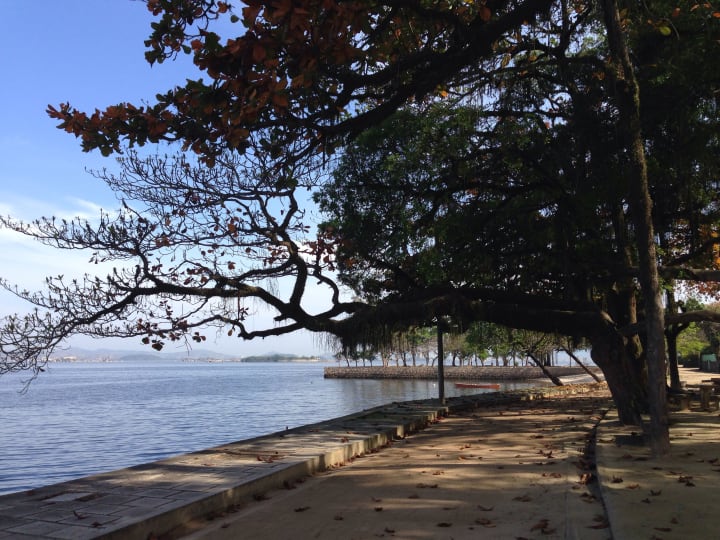
Ilha de Paqueta island lies in Guanabara Bay, an hour’s boat trip from Praca 15 de Novembro. In the early 1800s, it became a fashionable resort when Portuguese Emperor Dom Joao VI spent his summers here. No cars are allowed on the island but you can explore it by foot, by rented bike, or in a horse-drawn carriage. The beaches are lined with palms and have food stands.
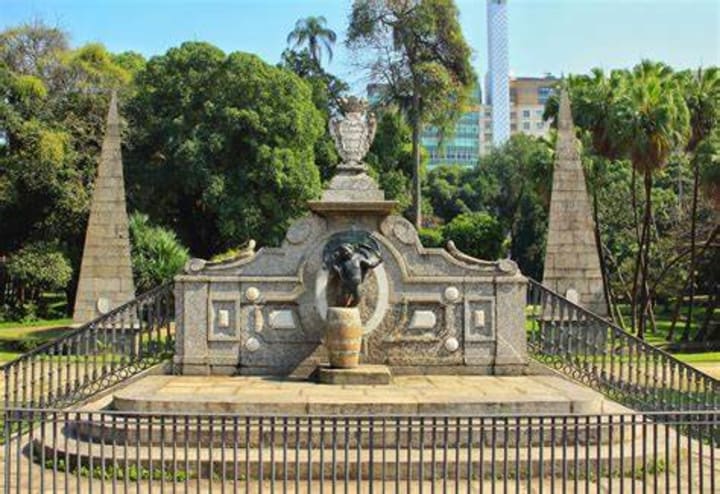
Passeio Publico is an attractive park that was designed in 1779 by a group of artists. It is Brazil’s oldest public park and one of the oldest in the Americas. It has many sculptures by Mestre Valentim and pavilions with paintings by Leandro Joaquim. The Baroque entrance, a stone staircase, fountains, and statues of figures from mythology are the highlights of this green space.
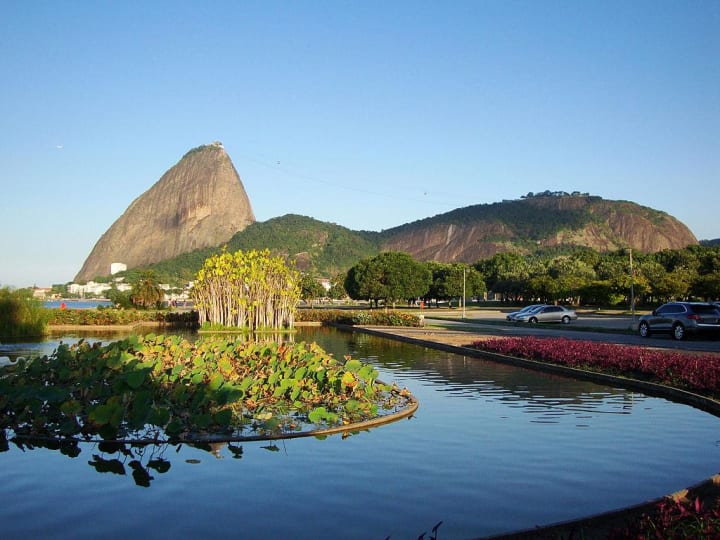
To the east along the bay is Parque do Flamengo.
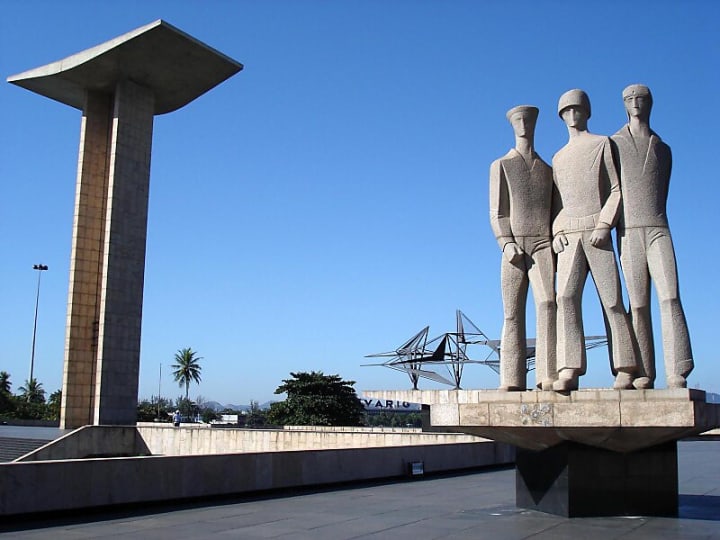
Monumento a los Muertos is a memorial to those who lost their lives in WW II.
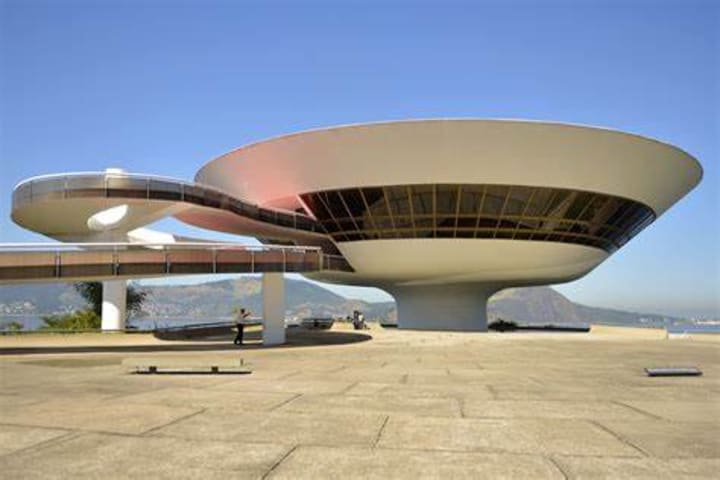
At the north end of Flamenco Park, you’ll find the Museum of Modern Art.
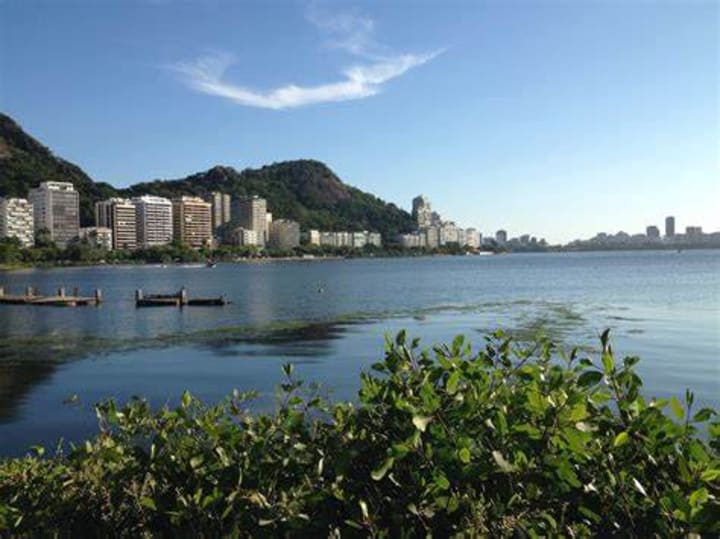
The shore of Lagoa Rodrigo de Freitas is lined by parks and sports clubs. The water is popular for water sports and regattas.
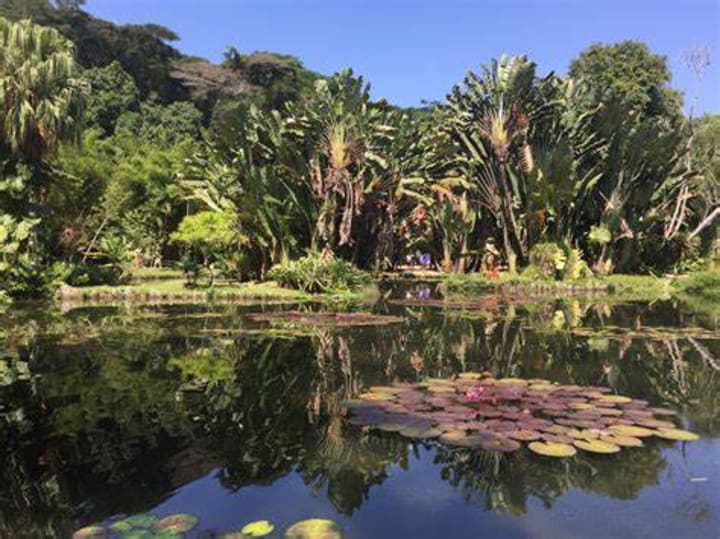
On the west side of the lagoon is the Jardin Botanico or Botanic Garden with over 5,000 species of plants from all over the world among them water lilies and other plants from the Amazon region.
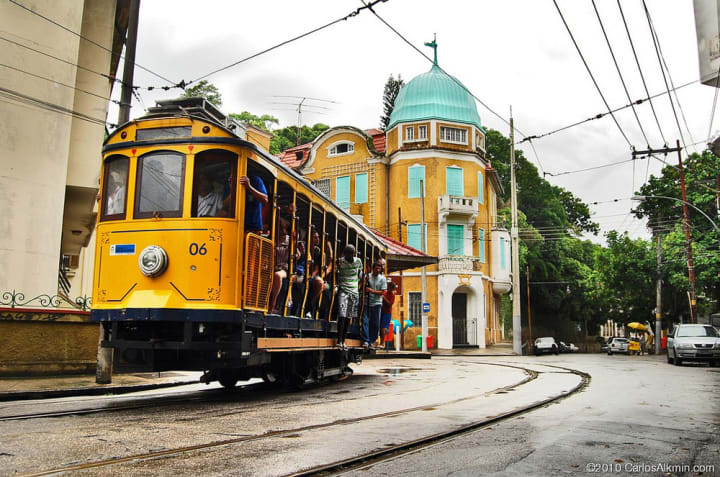
Santa Tereza is Rio’s most atmospheric neighborhood. It has quiet streets and hundred-year-old houses. It has cafes and restaurants with a Bohemian atmosphere. It is a charming area for strolling.
About the Creator
Rasma Raisters
My passions are writing and creating poetry. I write for several sites online and have four themed blogs on Wordpress. Please follow me on Twitter.
Keep reading
More stories from Rasma Raisters and writers in Wander and other communities.
Worth the Wait: Puerto Viejo, Costa Rica
Beach bumming in a small Caribbean beach town sounded like a perfect way to end our 6-month trip through Mexico and Central America. Or so we thought. The foul, fishy stench of rotten seaweed hit our nostrils as we stepped from the cramped bus and looked out at a rather depressing, empty, and underwhelming black sand beach. It was pouring with rain, and we had to quickly fish out our ponchos. We thought, this couldn’t be it, could it?
By Sh*t Happens - Lost Girl Travel6 days ago in Wander
What Hidden Costs Should You Know in Armenia Tour Packages?
Booking Armenia Tour Packages is one of the easiest ways to explore this beautiful Caucasus destination. Many travel packages include hotels, transfers, and sightseeing tours, making travel convenient and organized. However, travelers should also be aware that some hidden costs may not always be included in the initial price.
By Viacation Tourisma day ago in Wander
Hottest in the Office
Dear Rafi, You’re very distracting to work around. For the first second I saw you the other day, I thought you were some type of executive. It took a moment to realize no, you were just the new guy, dressed up for the job he wants. Be still, my heart.
By Gabriel Shamesa day ago in Pride




Comments
There are no comments for this story
Be the first to respond and start the conversation.