
How to Explore Zambia Sustainably While Making the Most of Your Eco-Friendly Adventure
Enjoying Sustainable Tourism in Zambia
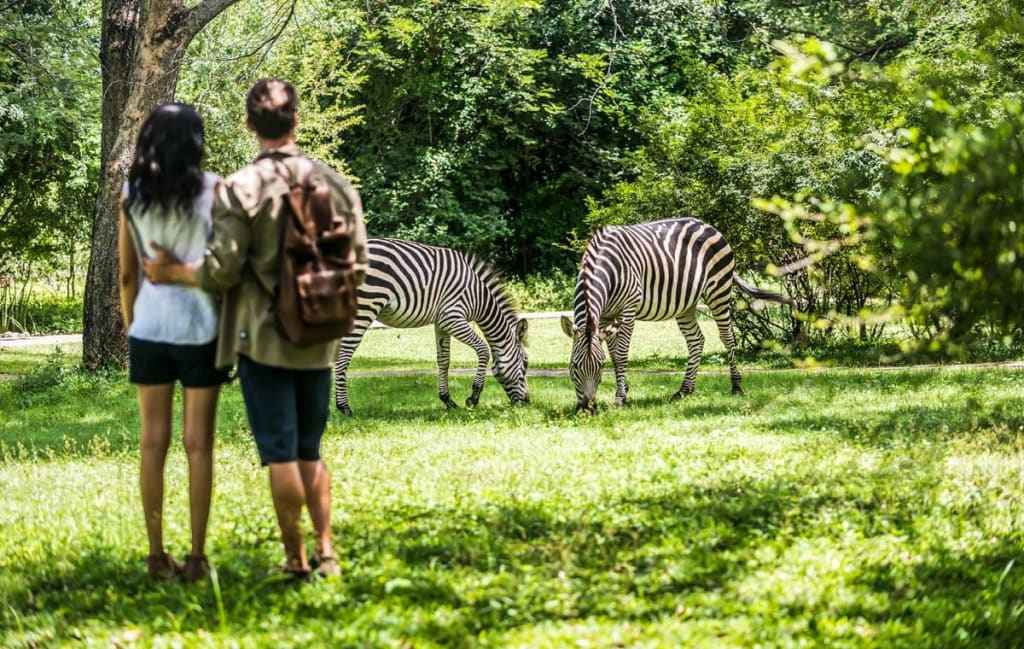
Zambia, known for its breathtaking landscapes and abundant wildlife, offers an incredible opportunity for travellers to explore responsibly. With a focus on eco-tourism, you can experience the country's natural wonders while minimising your environmental impact. Here’s a guide on how to explore Zambia sustainably and make the most of your eco-friendly adventure.
1. Stay at Eco-Friendly Accommodations
Choosing eco-friendly accommodations is a great way to start your sustainable journey in Zambia. Look for lodges and resorts that follow green practices like using renewable energy sources, managing waste responsibly, and supporting local communities. Staying at eco-conscious places like Avani Victoria Falls Resort not only reduces your carbon footprint but also provides a comfortable base for exploring the surrounding natural beauty.
2. Support Local Communities
A vital aspect of sustainable travel is supporting the local economy. When exploring things to do in Zambia, consider guided tours led by locals. This ensures that a portion of your spending goes directly into the community, helping to preserve their culture and way of life. Visit local markets, purchase handcrafted souvenirs, and dine at locally-owned restaurants to further support the local economy.
3. Opt for Eco-Friendly Transportation
Transportation can significantly impact the environment, so choosing eco-friendly options is essential. Whenever possible, use bicycles, walk, or take shared transportation to reduce your carbon emissions. Many national parks offer guided walking safaris, which not only minimise your impact but also provide a more immersive experience with nature. If you need to travel longer distances, consider using public transport or carpooling services to lessen your environmental footprint.
4. Engage in Responsible Wildlife Viewing
Zambia is famous for its incredible wildlife, and it's crucial to engage in responsible viewing practices to ensure their conservation. When visiting national parks and game reserves, always follow the guidelines set by park authorities. Keep a respectful distance from animals, avoid feeding them, and refrain from disturbing their natural habitat. By choosing ethical safari operators who prioritise animal welfare and conservation, you contribute to the protection of Zambia's diverse ecosystems.
5. Participate in Conservation Activities
Many eco-tourism initiatives in Zambia provide unique opportunities for visitors to actively contribute to conservation efforts. These programs are designed to protect the country's diverse ecosystems and wildlife and to educate and engage travellers in meaningful ways. For instance, you can join projects that focus on wildlife monitoring, helping to track and study animal populations to support conservation efforts. Participating in activities like tree planting not only helps combat deforestation but also promotes habitat restoration for local wildlife. Volunteering at wildlife sanctuaries offers a hands-on experience where you can assist in the care and rehabilitation of injured or orphaned animals. Some programs even allow you to work alongside local researchers, contributing to important studies on animal behaviour and ecology. Additionally, many conservation activities involve community-based projects, such as supporting anti-poaching initiatives or promoting sustainable agriculture practices. Engaging in these activities enriches your travel experience by providing a deeper understanding of Zambia's natural environment and the ongoing efforts to preserve it for future generations.
6. Explore Eco-Friendly Activities
There are numerous eco-friendly activities to enjoy in Zambia that leave a minimal impact on the environment. Hiking, canoeing, and bird-watching are excellent ways to connect with nature without causing harm. For an unforgettable experience, take a guided tour to the iconic Victoria Falls, ensuring you stick to marked trails and respect the natural surroundings. Exploring the falls and nearby nature reserves can be done sustainably, providing awe-inspiring views while promoting conservation.
7. Practice Leave No Trace Principles
When exploring Zambia’s natural wonders, it's essential to follow the Leave No Trace principles. This means taking all your waste with you, avoiding disturbing wildlife, and leaving nature as you found it. Use reusable water bottles, avoid single-use plastics, and carry a small bag for any litter you may come across. By being mindful of your environmental impact, you help preserve Zambia's pristine landscapes for future generations.
8. Educate and Spread Awareness
A key component of sustainable travel is spreading awareness about eco-friendly practices. Share your experiences and knowledge with fellow travellers, encouraging them to adopt sustainable habits. Whether it's through social media, travel blogs, or personal conversations, educating others about the importance of responsible travel can inspire more people to explore Zambia sustainably.
About the Creator
Keep reading
More stories from emma Callum and writers in Wander and other communities.
How to Explore Hua Hin Thailand at Night
Hua Hin, nestled along the Gulf of Thailand, has long been the go-to spot for those seeking a slice of coastal paradise. By day, its sandy beaches and lush landscapes captivate, but when the sun dips, Hua Hin reveals a vibrant nocturnal side, ready to be explored. Here's your guide to making the most of Hua Hin at night.
By emma Callum2 years ago in Wander
Weather in Morocco in July By Morocco Family Vacation
When we planned our family trip to Morocco, July wasn’t my first choice. Like most parents, I worried about the heat especially with kids. I pictured endless sun, cranky afternoons, and constant searching for shade. But our schedule left us with July, so we adjusted our expectations and planned carefully.
By Ariel Cohenabout 20 hours ago in Wander




Comments
There are no comments for this story
Be the first to respond and start the conversation.