
How to Buy Gear Inexpensively As A Beginner Backpacker
Where and how to find discounts on quality products

Find Credible Brands That Will Last
There are many credible brands out there that will last for years. I encourage you to invest in these brands, rather than the cheap alternatives. Different brands will usually specify in a few key items, so I will break this down for you in this section. With each of these items it is super important to check out their return, replacement and refund policies. We’ll start with finding a backpack, sleeping pad, and a stove.
Osprey is very well known for their backpacks. This is often because they have a popular lifetime warranty, which means you can return it for repairs or replacement free of charge. Meanwhile, Klymit makes sleeping pads that you can return for repairs or replacement. Likewise, MSR will take stove repairs, and if they can’t fix their product they will replace it. There are plenty of other good brands as well.
I classify a "good" pair of shoes as ones that fit well, are waterproof and warm if for winter hiking, and can be repaired. Choosing a good pair of hiking shoes could make your trip, or break it if they are a bad pair that don’t fit. In general, well known shoe companies include Salomon, Scarpa, La Sportiva, Merrell, Oboz, Chaco, and even Arc’Teryx. Then there are other brands that make things like alpine tents, climbing equipment, sleeping bags, and other gear. Here’s an easy list for you:
- Alps Mountaineering,
- Black Diamond,
- Sea To Summit,
- Marmot,
- Big Agnes,
- Columbia,
- Kelty,
- Gregory.
When buying, you will also want to know if money supports the outdoor community or has sustainable environmental practices. If the company is giving back in some form then it makes the purchase a little bit less impactful on the environment, and more positive for the outdoor community. For instance, REI, L.L Bean, and EMS run guiding and educational programs. Further, REI puts out short inspirational movies and is a co-op. Each of these companies offer invaluable resources that educate and even celebrate the outdoor industry.
In summation, invest in gear that will last with a sturdy return, replacement, and refund policy. Read company reviews, and check in with outdoorsy individuals. For example, if you join a facebook group that focuses on backpacking, you can ask the group about their favorite brands for a product you are considering. Everyone has a different favorite, but they will offer key points of advice about why. When in doubt, just chose the things that fit your body and your personal needs rather than other peoples.
Should I buy from Walmart or nah?

Like I said earlier, if you invest in good equipment early on, then you can have it last for a lifetime. If it doesn’t last, but the company you decided on offers repairs and returns, then it is still worth the investment. I have a story to share. One summer, I was working on a trail crew in the backwoods of Maine. I was at a campground, and there was someone who didn’t want their sleeping pad from Klymit. They gave it away, becoming my first sleeping pad. Unfortunately it had a leak, which wasn’t the greatest. Klymit sent me a new one, and years later they have now replaced my sleeping pad each time it gets a leak for a total of three times. In the end, I don’t recommend getting the big ticket items from Walmart. If you save up about $150, you can buy at least one item of key equipment.
I won’t buy key equipment for cheap from Walmart, but I will buy it from other places at a discount. There are other places you can buy used gear that is sturdy and discounted, from name brands like Alps Mountaineering and MSR. What I did buy from Walmart was a set of stuff sacks, a line of pcord (non-climbing rated), “Krokoffs”, a canister of white fuel for my stove, a titanium spork, and a cheap sleeping quilt that is good for hot weather. Just get your backpack, sleeping bag, sleeping pad, tent, and stove from a different company. Other than that, department stores can supply some stuff.
Online websites that sell good gear
I prefer to shop in person to minimize shipping impacts on the environment. That said, there have been exceptions to this rule. My usual go-to is Sierra Trading Post. They basically get name brand gear that nobody else wants anymore because they are out of style or older models - “nobody else” being name brands. For instance, “Chacos” sandals are super trendy right now. Sierra Trading Post has posted these sandals that are normally $100 for only $40. The catch? You may not get your favorite color. BUT they are 60% off! Another good website is SteepNCheap.com. I heard about it from my librarian at the time who buys stuff for his grandkids off of it. You just need to figure out what works well for you and go from there. It’s still a good idea to go shopping in-store for shoes and clothes, but there are still plenty of things to check off the shopping list on these sites.
Thrifting Used Gear For Backpacking

Finding used gear saves so much money, and it also shows how cool the backpacking community can be for leaving stuff for other people. My friends have loaned gear to me, very generously in fact. Yet, if you are new to the scene it may be hard at first to find someone to borrow gear from. Thrift stores, Sierra Trading Post, SteepnCheap, REI, Ebay, Craigslist, and more offer used gear. HOWEVER the BEST place to score will be a place like the Outdoor Gear Exchange in Burlington, VT. You walk in and there is a massive store, but in the basement they have all used gear at steeply discounted prices. The basement is a thrift store that specializes in outdoor products. If your town, or nearby city, has a bargain basement, then definitely shop local and check that out.
How do I know the essentials to buy versus what I don’t need?

You need the following items; Shelter, sleeping bag, sleeping pad, backpacking stove and fuel, one pot to cook in/ titanium spork, bear bag/or canister, your 10 Essentials kit, emergency bivvy, maybe two stuff sacks, one carpenter trash bag to line your backpack, and a backpack of 40 - 65 Liters. By the way: clothing isn’t included in this list because that’s another section. Don’t worry - I have you covered with a recommended packing list for cold weather and warm weather in another article called “The Must-Laminate Packing List For Backpacking”.
You don’t need anything else. Here’s a simple way to think about it: Lay out everything you are considering taking. Sort three piles of stuff on your bed. One pile is things you definitely need. The second pile is things you might need. The third pile is luxury items. Take everything from the first pile, nothing from the second, and maybe one thing from the third (like a hairbrush, nail clippers, trekking poles, or a spice kit for your kitchen). Don’t buy anything you don’t need. You will learn as you go what you need for comfort. I haven’t brought a pillow backpacking since I started.
Conclusion
So, how to sum up all of this info? Do a google search to find local gear stores. They might offer sales, or the real gem, a used gear bargain basement. The Outdoor Gear Exchange (OGE) in VT is one of such gems. If these don’t work then check out Sierra Trading Post and SteepNCheap. Timing is also key here: If you know your favorite store is having a major sale, then hop on that bandwagon. At the end of the day, the more hiking you do the more people you’ll meet. Hook up with your new friends to see if they have any old gear they don’t need anymore. Always go thrift shopping, especially for clothing.
If you liked this article, feel free to read more on my blog!
My Blog
About the Creator
Kate Nitzschke
Hey! I'm a gamer, who also works outside for a living, who also likes to write about personal growth. Thanks for visiting my blog.
Keep reading
More stories from Kate Nitzschke and writers in Wander and other communities.
Finding Wonder in Your Own Woods For Kids and Adults, How to Get Outside For Some Time Each Day
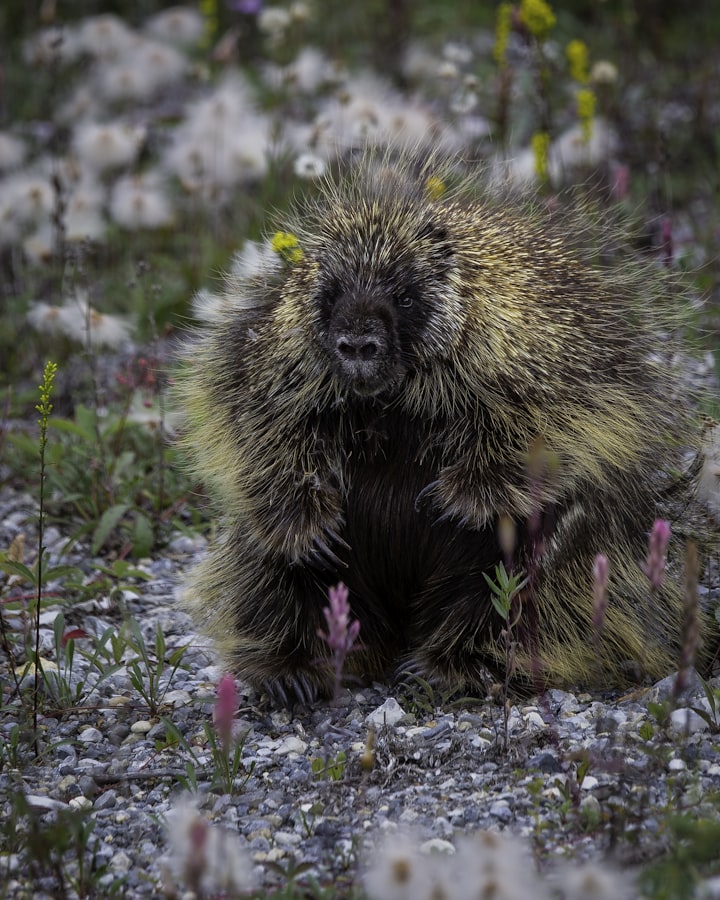
Porcupines hide in trees - did you know that? Look up. Go into the woods near your apartment, and wander. The first time I discovered this I was hiking in the winter. I looked up and thought I saw a great bird's nest. Nope - that scruffiness was a big ol’ porcupine. They are rarely in a tree, but you may catch them in the act of looking for food or just hanging out in a nest they made.
By Kate Nitzschke5 years ago in Wander
Everest Three Passes Trek 15 Days: A Demanding But Rewarding Route
The Everest region is often associated with the classic Everest Base Camp trail. But for trekkers looking for something more challenging and less predictable, the Three Passes route offers a deeper experience of the Khumbu.
By Saraswati Karkia day ago in Wander



Comments
There are no comments for this story
Be the first to respond and start the conversation.