
How the Food You Eat Affects Your Brain
The Food-Brain Connection: Unlocking the Secrets of Cognitive Function
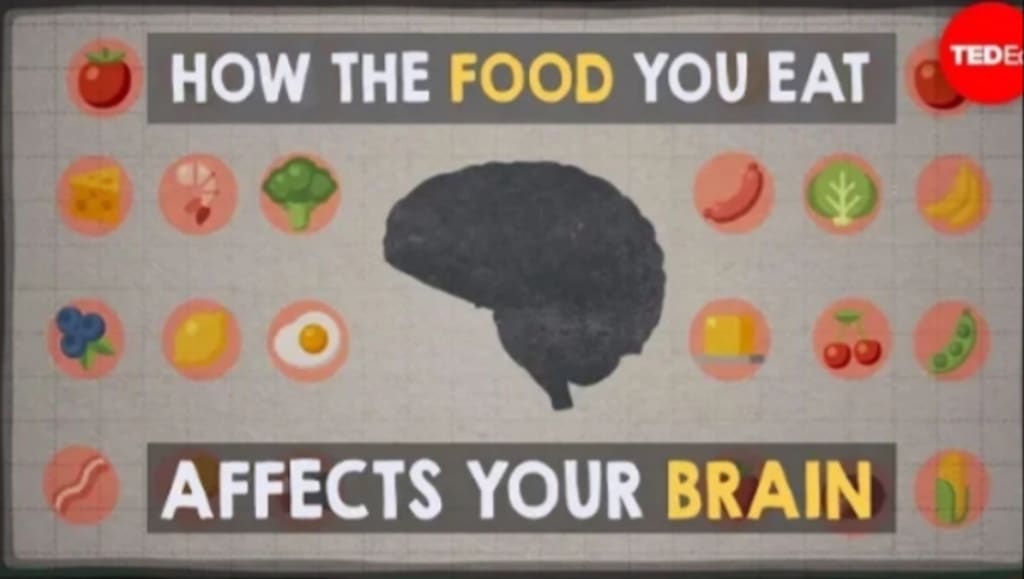
The human brain, a complex and intricate organ, is profoundly impacted by the food we eat. From the fats that comprise its structure to the micronutrients that fuel its function, every nutritional component plays a vital role in brain health, development, mood, and energy.
*The Brain's Nutritional Breakdown*
If we were to dehydrate and analyze the brain's constituent nutrients, we'd find:
- Fats (lipids): 60% of the brain's dry weight, with omega-3 and omega-6 essential fatty acids being crucial for cell membrane creation and maintenance.
- Proteins and amino acids: Building blocks of growth and development, influencing mood, sleep, attentiveness, and weight.
- Micronutrients: Antioxidants, vitamins (B6, B12, folic acid), and minerals (iron, copper, zinc, sodium) essential for brain health and cognitive function.
- Glucose: The brain's primary energy source, derived from carbohydrates.
*The Impact of Nutrition on Brain Function*
The food we eat affects our brain's performance in various ways:
- Omega-rich foods (nuts, seeds, fatty fish) support brain health and development.
- Amino acids regulate neurotransmitters, influencing mood, sleep, and attentiveness.
- Antioxidants in fruits and vegetables protect brain cells from free radicals.
- Micronutrients prevent brain disease and mental decline.
- Glucose levels impact cognitive function, with fluctuations affecting attention span and mood.
*Carbohydrates and Brain Function*
Carbs come in three forms: starch, sugar, and fiber. The ratio of sugar and fiber subgroups affects how the body and brain respond:
- High glycemic foods (white bread) cause rapid glucose release, followed by a crash in blood sugar and mood.
- Low glycemic foods (oats, grains, legumes) provide sustained glucose release, supporting steady attentiveness.
*Conclusion*
A balanced diet rich in nutrient-dense foods is essential for optimal brain function. By understanding the intricate relationships between food, nutrients, and brain health, we can make informed choices to support cognitive function, mood, and overall well-being.
*Key Takeaways*
- Eat omega-rich foods for brain health and development.
- Include protein-rich foods for balanced neurotransmitter function.
- Consume antioxidant-rich fruits and vegetables.
- Maintain steady glucose levels with low glycemic foods.
- Opt for a varied, nutrient-rich diet for sustained brain power.
About the Creator
Keep reading
More stories from Abira Sahi and writers in Wander and other communities.
Amazing Facts You Don't Know About Human Body
The human body is a complex and fascinating machine, full of mysteries waiting to be uncovered. From the incredible ability of our nose to remember 50,000 scents to the phenomenon of bioluminescence, where our body emits light, there's still so much to learn about ourselves.
By Abira Sahiabout a year ago in Wander
Worth the Wait: Puerto Viejo, Costa Rica
Beach bumming in a small Caribbean beach town sounded like a perfect way to end our 6-month trip through Mexico and Central America. Or so we thought. The foul, fishy stench of rotten seaweed hit our nostrils as we stepped from the cramped bus and looked out at a rather depressing, empty, and underwhelming black sand beach. It was pouring with rain, and we had to quickly fish out our ponchos. We thought, this couldn’t be it, could it?
By Sh*t Happens - Lost Girl Travel8 days ago in Wander
Thief In The Night
To the thief in the night that took and replicated what once was mine: Honestly, I feel kind of bad for you. It’s funny, because we hardly know each other. I only know of you through the magazines you’ve written and the broadcasts you have televised in the past — as well as through the public mentions of you from your show business connections there.
By Snarky Lisa6 days ago in Humans




Comments
There are no comments for this story
Be the first to respond and start the conversation.