
How I Decided Where to Live in Colombia
I made the decision and acted on it, of course, after overthinking every decision I ever made in my entire life.

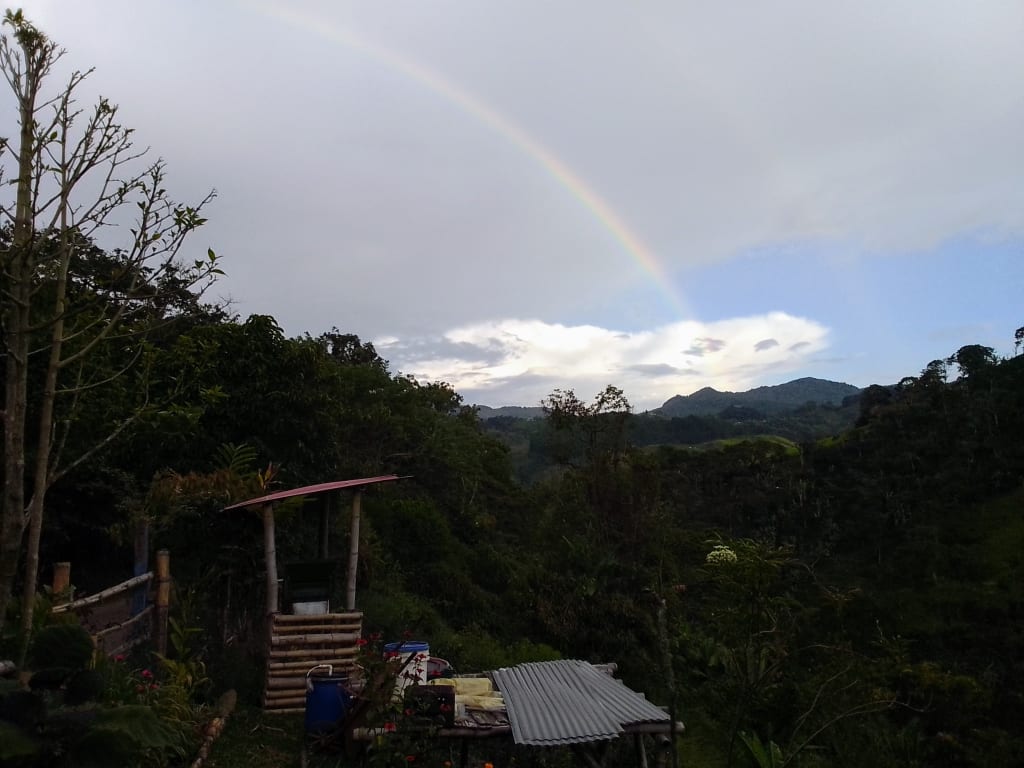
When I tell people I used to live in Los Angeles and now live in Rural Colombia, I get looks. Some are surprised, some are horrified, and a few find it exciting.
I proceed to tell them that my living in LA was probably a bigger shock to my system than living in Rural Colombia, since I grew up even more remote than I currently live. Some days I question if I am still too close to ¨society¨, a story for a different day.
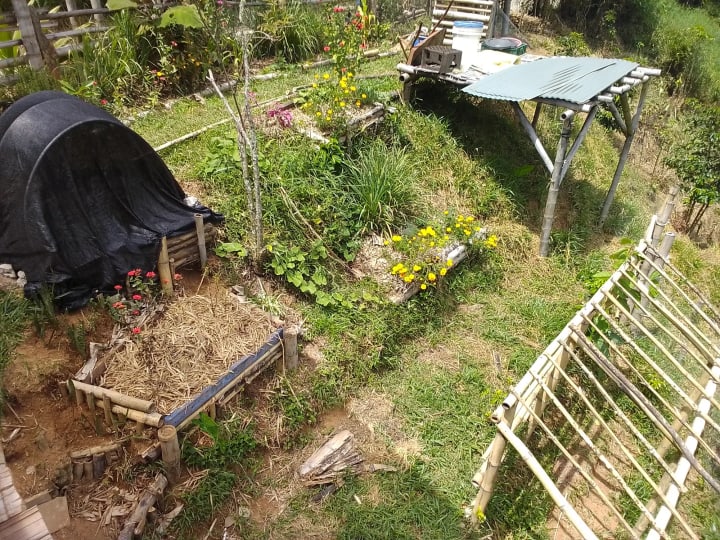
I recently received a question on how I decided where to live in Colombia. The ultimate question, because this country has a lot of beauty, deciding which part of it to call home can be a huge decision. The exact question:
What was your selection process or criteria for where you chose to live in Colombia?
Before picking the Pueblo I now call home, I explored a lot. I would be lying to you if I told you I was organized and methodical; I am the complete opposite.
I knew I wanted to live in Colombia, my first decision. Second decision: how am I going to make it happen?
Then, after deciding to stay, I went traveling. I did not stick to a list; instead, I went with my feelings and gut instinct. I know, it's not a good answer, but the only thing I had on my list was that I wanted to live in ¨clima caliente¨, I do not live in ¨clima caliente¨ aka the hot climate, or warm areas.
I live in ¨clima templado¨ aka temperate climate. I came to the small town because I was dating a guy, isn´t that always the answer, ¨a guy¨.
I guess I wanted to move somewhere where I had a connection, I knew someone, and he wanted to help me with my visa situation. So I knocked two birds out with one stone.
However, now that I look back and reflect on this question, I can tell you many reasons why where I ended up is perfect. Sometimes, when you are more flexible and allow life to happen, it will give you exactly what you need.

I originally wanted to live in a hot climate; if I am honest, I still do, sort of. Let me explain.
When I was traveling around, I always felt at home in the mountains; they made me feel a sense of peace that I did not feel anywhere else. I mean the high elevated mountains, where you wake up to the fresh crisp air, the clouds slowly rolling away from a night's storm, and the smell of the air after a rainy night. I only found it in the cooler areas.

When I was traveling through the hot climates, it was hot, sticky, and full of bugs. Even though I loved the warm, cool nights, I wasn't sure if that was enough.
Even now, when I travel to the hot areas, I say to my partner, I am so glad I don´t live here, I am usually dripping in sweat and can't imagine creating a homestead in 100-degree weather, and the weather does not change.
Hot, hot, and hot rains. In the mountains, we get cool mornings, cool nights, and warm days. Where our weather does not fluctuate that much, some days it's dark and moody, that feeling of winter, and other days it's as sunny as the warmest day in summer.
The illusion of seasons, even some leaves on trees fall, and then bloom again.

So in hindsight, I am glad I chose to live where I do, plus I will always live in the mountains or the jungle. I say I still want to live in the hot climate, but more in the jungle area, full of trees. Maybe a second home to spend a few months soaking up the sun, not full-time.
The most important thing that I would look for while searching was ¨did I feel safe, ¨ also, what was the history of the area?
History in Colombia is very important, and knowing the regions. This morning I read an article about a bombing in a town in north Antioquia and another one near Cali.
These areas are both notoriously dangerous. The drug cartels use the river to transport goods, and the area of Northern Antioquia has always been part of this route, a breeding ground for narcos, and instability in communities. Gangsters still exist.
There are pueblos that ¨pay for protection¨ it still exists here.
When I traveled around, I would ask people if that was common in their towns. A lot said yes, that is still a thing, but there are a couple of areas where it was always no.
I traveled to the region of Boyacá, and hands down, it is my favorite area in Colombia.
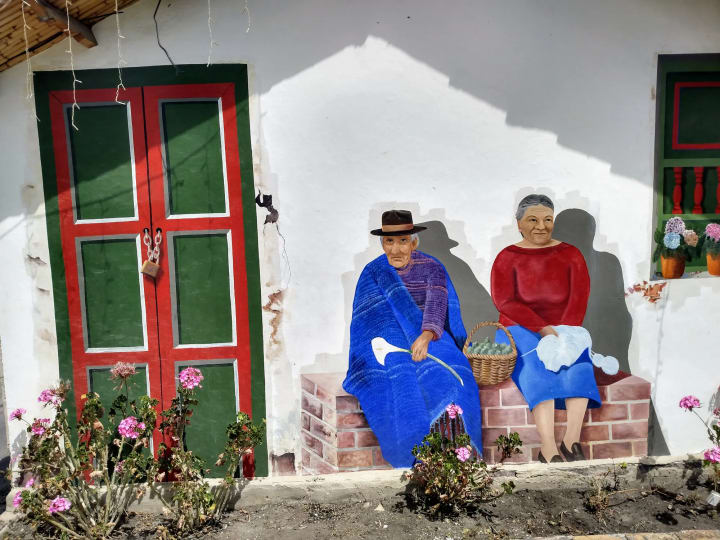
I was sitting on a bus one day, and a local started talking to me. If you have ever sat next to someone on the bus, you have a 98% chance of them talking to you once they find out you speak 2% Spanish.
He went on to tell me how the area was known for being an island, as in the drug cartels never entered that area, it was too cold to grow anything of value. It was also the site of the War of Independence in Colombia. Not sure if that is why, but I felt safe and was looking at properties, but nothing ended up working out.

When I came to the town I live in, it all fit. It's funny how that happens, put out into the world what you are looking for, and it will come knocking.
The town of Jericó has a history of safety. During the 80s–90s, when the rest of Antioquia was being destroyed, the local wealthy business owners paid to have this area protected.
It did not allow the drugs or gangsters to penetrate this area. It was also one of the most religious areas in the area, and home to the first saint. Many say she protected the area; I say it was the money that kept flowing. Either way, the town was not destroyed, the people were not displaced, and it remains the same to this day (this is what I was told by locals).
This was the deciding factor.
Also, the town is growing, and when the new road is complete, it will only be 2 hours from Medellin, which means property values will go up. They have already gone up in my area.
I buy my plants at a nursery, and every time I go in there, he tells me how lucky I was to buy the last affordable house in the area. It is true, everything else is over 100k more expensive now, good for me, bad for anyone wanting to invest in an affordable finca in the area.
So I would say safety was a huge concern of mine when I was looking for a farm. Something else I wanted was a beautiful Pueblo with good coffee shops. Jericó is a Heritage town, which means it is 1 of the 17 most beautiful Pueblos in Colombia.
Second part of the question
Did your top choice work out, and where did you choose?
No. I was planning on living in the hot region, and I am so happy that it did not work out. Maybe in the future, but right now, I am happy living in a more temperate climate. Don´t worry, it still gets about 100 degrees a few times a week, but not every day!
I chose a small pueblo, Jericó, in the Andes Mountains.
Two major factors were knowing the seller of the house and having a partner here to help me with everything. Connection matters in Colombia, no matter what bloggers tell you about moving abroad. Having a local in your back pocket is priceless, meaning someone from the country to help navigate the bureaucratic craziness that exists.
Questions I had while searching, you might have different ones.
- Safety, and history of an area, are there active gangs and narco activity? Jericó no
- Climate: hot, cold, moderate? Moderate
- Mountains or Beach? Mountains
- Welcoming to outsiders? Yes
- How am I going to get a visa? Everyone is different. I recommend hiring a visa expert.
- Is there an expat community? Yes but small
- Are there other organic farmers, or a permaculture movement? Yes
- What are the main crops, and what can I grow? Coffee, Plantain/Banana, Yuca, citrus trees, and many more
- Is there a nice coffee shop in town? Tons
- Will the value of my house appreciate? Yes, already has
- Cost of living overall (some pueblos are more affordable than others). More expensive than other towns, it is a Heritage town and expected.
- Opportunity for rural tourism? Yes
Now I do not see my home as my forever home; I want to make that clear. After moving in, there are a lot of things that I didn´t think about.
It is also my first home, so I am learning as I go. My next house will be more remote. The house now is a perfect beginner property to learn more about living in rural Colombia, and how to navigate the laws, community, and learning the land.
It has helped me become clearer on my vision for the future.
I hope this was helpful. Moving and buying land is a very personal decision, and once you are crystal clear on what you desire, little pieces of the puzzle will begin to come together.
I had a rough list of what I wanted, but I stuck to only two main criteria: safety and the ability to grow my own food. Once I settled on that, most of the towns that popped up met all of the things I wanted, but didn´t realize I wanted.
So, for being someone who doesn't plan too well, I think it turned out just imperfectly perfect.
XOXO
S
About the Creator
sara burdick
I quit the rat race after working as a nurse for 16 years. I now write online and live abroad, currently Nomading, as I search for my forever home. Personal Stories, Travel and History
Keep reading
More stories from sara burdick and writers in Wander and other communities.
How To Find the Most Scenic Places to Photograph Around Dambulla
Sri Lanka is a great country to visit, filled with history, scenery as well as a plethora of fun activities. Among the cities of interest is Dambulla, a place where scenery, historic landmarks and travel come together for photographers. The area is known for its cave temples, rock formations as well as nature-filled surroundings, giving travellers many places to capture. This guide breaksdown practical and straightforward ways to plan your photography journey in Dambulla.
By Daphne Olga4 days ago in Wander
They Read My Future in a Coffee Cup in Istanbul
See Pictures from the trip here. That's the honest starting point. I sat down, drank the coffee - which is strong in a way that makes you question every cup you've had before it, the kind of strong you'd rather smell than commit to - flipped the cup upside down on the saucer, and waited.
By Destiny S. Harrisabout 19 hours ago in Wander


Comments (3)
I’ve been considering a move to Mérida, Mexico, and I’ve even thought about Colombia. Both places seem like they’d be a great fit for us, and it’s time for me to start looking more seriously. Thank you for sharing this story, your love for where you live really shines through.
Thank you for taking us on this journey with you. Great pictures too
I really liked how naturally this flowed — you have a calm writing style.