
How Did Peacocks End Up in Holland Park?
Holland Park
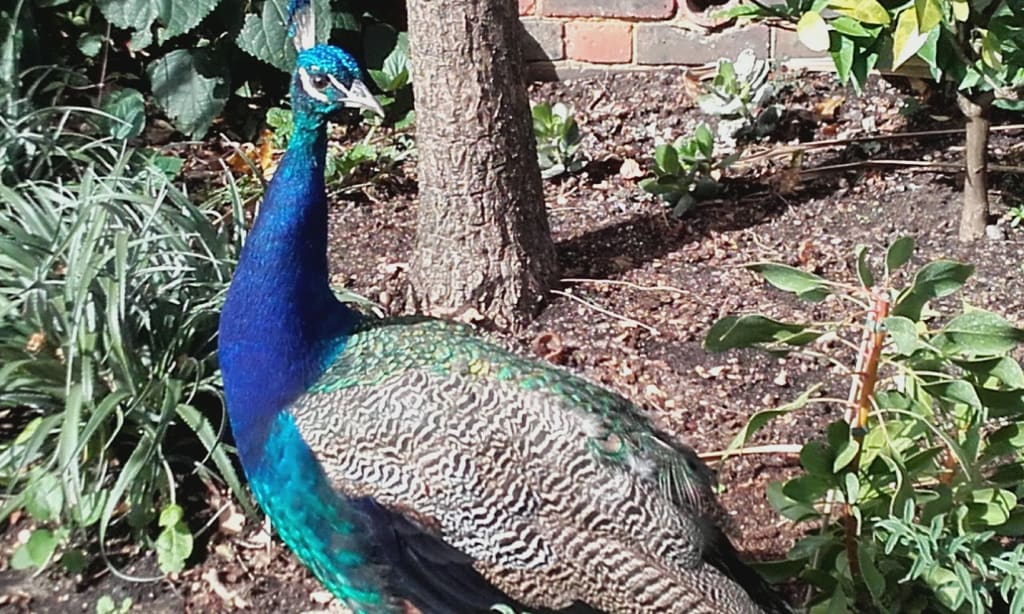
My local park has deer and goats, St James's Park has Pelicans, and Holland Park has Peacocks. How did the Peacocks get there? Nobody is certain, but if we look at the history of Holland Park, we might be able to figure out how.


Peacocks, native to India and Sri Lanka, were introduced to the UK as early as the 14th century, often as status symbols of wealth and prestige for aristocratic estates. Holland Park was originally part of the private estate of Holland House, a Jacobean mansion built in the early 17th century.

Peacocks were likely introduced to the estate during the 19th century, a period when keeping exotic animals was fashionable among the wealthy. They were possibly added as ornamental additions to enhance the estate’s grandeur. An 1850s aquatint of Holland House depicts peacocks on the grounds, supporting this theory.
WWII
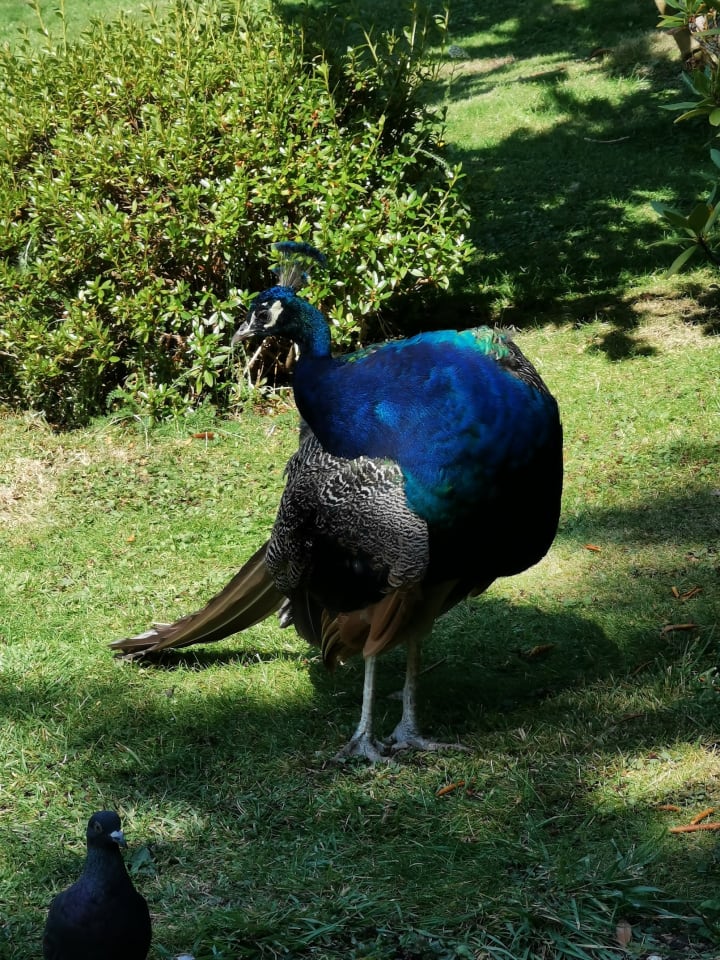
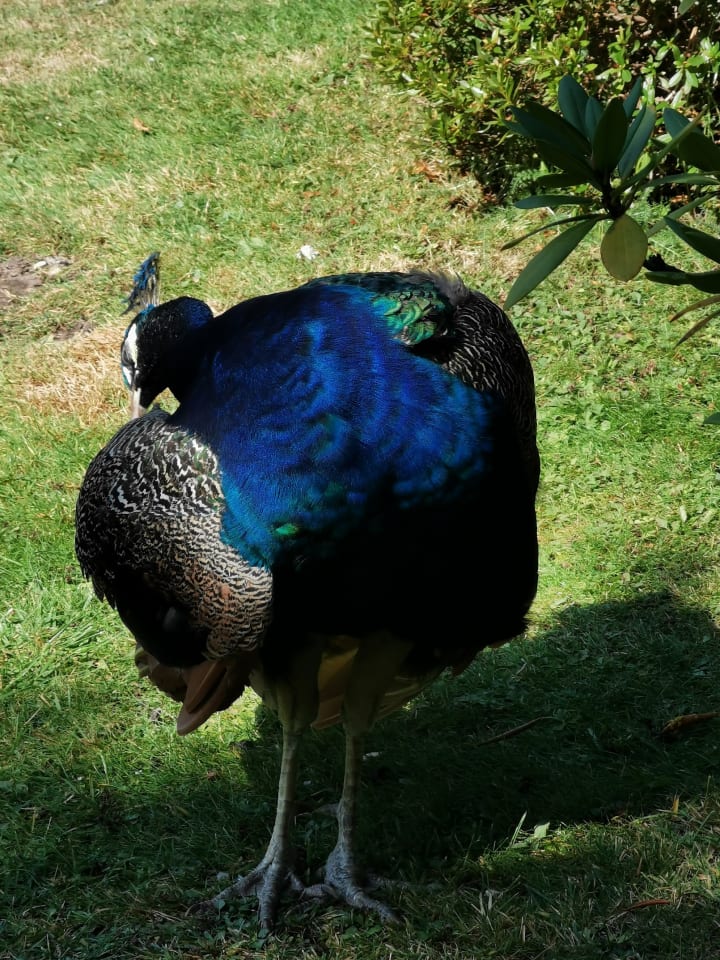
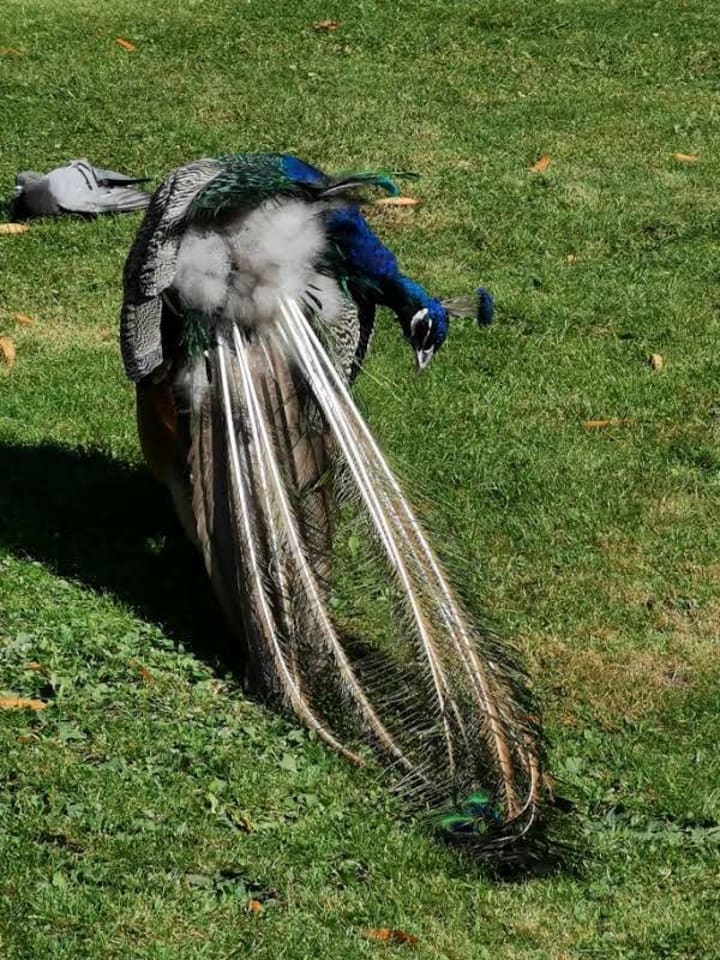
When the estate was partially destroyed during the Blitz in World War II and later acquired by the London County Council in 1952 to become a public park, the peacocks remained. They are an absolute joy to see as they come suddenly and walk around without being put off by people trying to capture the moment on their phone. I have seen them in the Kyoto Garden.
Post War

They have been in the park since at least the 1950s, with some sources suggesting they may have been left over from the Holland House estate. Even though Peacocks aren't native to the UK, they have thrived in the Park. However, their numbers have dwindled in recent years, with reports indicating only a few males remain due to factors like dog attacks.

Holland Park

Holland Park was originally the private grounds of Holland House, a Jacobean mansion built around 1605 by Sir Walter Cope and later owned by the Holland family, including the Earls of Holland.
The estate was a hot spot for political and intellectual gatherings in the 19th century, hosting figures like Lord Byron and Charles Dickens. Much of the house was destroyed during the Blitz in 1940, leaving only the east wing and some ruins.
1952 the London County Council acquired the estate, transforming it into a public park. The remaining parts of Holland House, including the east wing, are now used for events and the Holland Park Theatre, home to Opera Holland Park.
Key Features
1. Kyoto Garden - A Japanese garden opened in 1991, and the city of Kyoto gifted it to mark the Japan Festival in London. It features a koi pond, stone lanterns, a waterfall, and peacocks, a highlight for highlights. The Fukushima Memorial Garden, added in 2012, complements it.
2. Holland House and Theatre - The surviving east wing of Holland House hosts events, while the open-air theatre in the courtyard ruins stages summer opera and theatre performances.
3. Formal Gardens and Ecology - The park includes manicured rose gardens, an iris garden, and a Dutch garden with tulips, reflecting its historical landscaping. The Ecology Centre, run by the council, offers educational programmes on wildlife and conservation.
4. Recreational Facilities—The park offers sports facilities, including tennis courts, a cricket pitch, a golf practice area, and a children’s adventure playground. There’s also a café near the Belvedere Restaurant where refreshments are available.
6. Art and Sculptures—The park features sculptures, such as the bronze “Boy and Dolphin” fountain, Lord Holland's statue, and temporary art installations.
Parting Comments
I can see why Robbie Williams and Jimmy Page decided to buy properties next to Holland Park. Not only can they walk their pets (as I saw someone walking Robbie's dog), but they can also enjoy the cultural and vibrant social activities regularly held by the park.
Holland Park hosts outdoor film screenings, art exhibitions, and the annual Opera Holland Park season. It's also distinctive from the other Parks because of its mix of formal gardens, woodland areas, and history.
If you want a break from the bigger parks, try Holland Park. Who knows, you might be lucky enough to see the Peacocks, too. If you do, don't forget to take a click and tag me, too. I'll repost it on Instagram for you.
If you enjoyed reading this article and want to support my work, you can now buy me a coffee ☕️.
https://www.buymeacoffee.com/TabbyLondon
Thank you for your attention.
Best wishes
Tabby
About the Creator
Tabby London
The London I've been discovering is usually off the well-beaten track.I love the nooks and crannies and walking along the streets steeped in centuries worth of history. I'm fond of Zone 1 because that's where it all began centuries ago.
Keep reading
More stories from Tabby London and writers in Wander and other communities.



Comments
There are no comments for this story
Be the first to respond and start the conversation.