
Holi: The Global Magic of India’s Festival of Colors
"From Bonfires to Rainbow Skies: How Holi Unites the World in a Burst of Color"

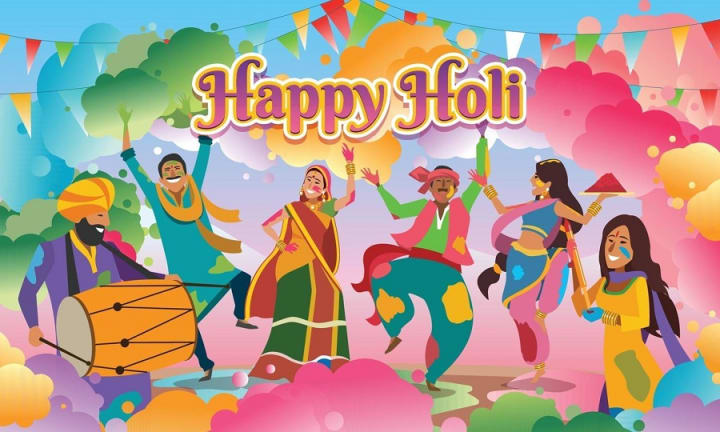
Holi: The Global Magic of India’s Festival of Colors:
{ "In 2025, Holi will be celebrated on the 14th and 15th of March, bringing communities together in a vibrant display of colors, joy, and tradition."}
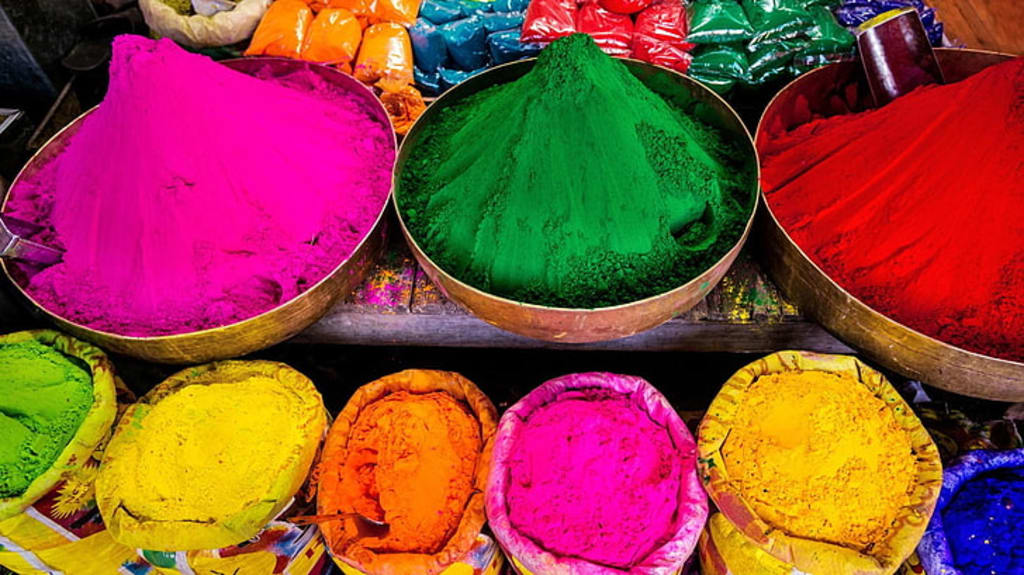
Holi, often known as the “Festival of Colors,” has grown far beyond its ancient Indian origins to become a worldwide celebration of life, love, and the triumph of good over evil. Today, vibrant hues fill the air, streets transform into canvases of color, and people from every corner of the globe come together in joyful unity. Whether you’re a long-time Holi enthusiast or discovering this festival for the first time, join us as we explore the fascinating history, diverse traditions, and modern celebrations that make Holi one of the most exuberant festivals on the planet.
1. The Rich Origins of Holi
Holi’s roots lie deep within ancient Hindu mythology and have been passed down through generations as a symbol of hope, renewal, and the victory of light over darkness.
The Legend of Prahlad and Holika
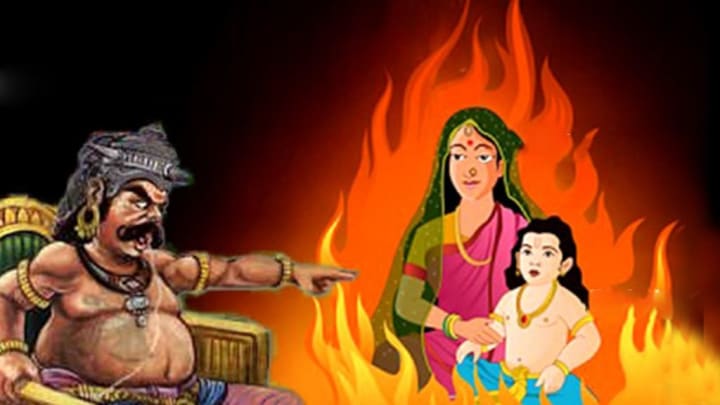
One of the most celebrated stories is that of Prahlad and Holika:
• Devotion Against Adversity: Prahlad, a devoted follower of Lord Vishnu, refused to bow to his tyrannical father, King Hiranyakashipu.
• A Fatal Plot: In his rage, the king ordered his sister, Holika, who possessed a magical cloak that made her immune to fire, to kill Prahlad.
• Divine Intervention: As the fateful pyre was lit, the protective cloak miraculously shifted its shield from Holika to Prahlad. While Holika was consumed by flames, Prahlad emerged unscathed.
• Symbolism: This legend is celebrated every year through Holika Dahan, where bonfires are lit on the eve of Holi to symbolize the burning away of negativity.
The Playful Romance of Krishna and Radha
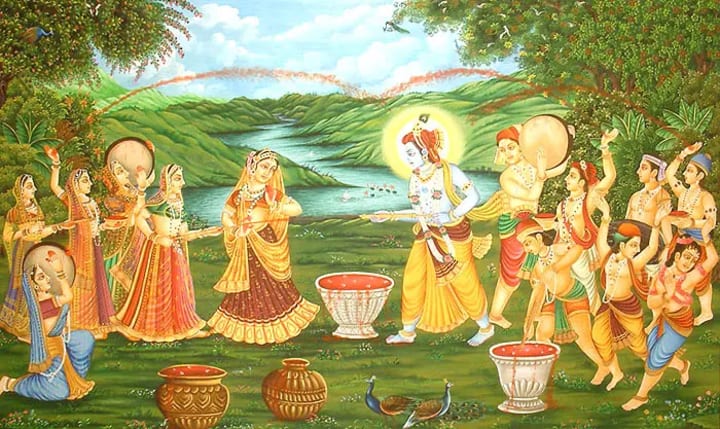
Another charming aspect of Holi comes from the playful exploits of Lord Krishna:
• A Mischievous Act of Love: Krishna was known to douse his beloved Radha and the Gopis (milkmaids) with colors—a gesture that turned into a beloved tradition.
• Celebration of Unity: This playful act reinforces the festival’s themes of equality, joy, and living in the moment, urging everyone to cast aside differences and celebrate together.
2. Holi in India: A Mosaic of Traditions
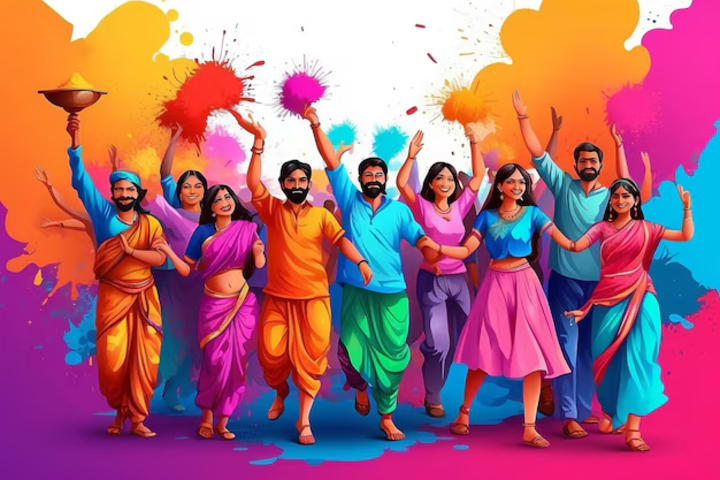
India’s diverse cultural landscape is reflected in the myriad ways Holi is celebrated across its states. Each region brings its unique traditions, transforming the festival into a dynamic celebration of art, music, and vibrant colors.
Uttar Pradesh: The Heart of Holi
Mathura and Vrindavan
• Epic Celebrations: Known as the land of Lord Krishna, these towns host week-long festivities filled with devotional songs, dances, and vibrant processions.
• Reenactments of Legends: Devotees re-create playful episodes from Krishna’s life, making the celebration both a religious and cultural spectacle.
Barsana’s Lathmar Holi
• Unique Ritual: In Barsana, women playfully tap men with sticks—a tradition that mimics Krishna’s teasing of Radha.
• Cultural Symbolism: This practice, rooted in local folklore, highlights themes of love, humor, and mutual respect.
Rajasthan: Royal Revelry
Jaipur and Udaipur
• Regal Festivities: The cities of Jaipur and Udaipur offer Holi celebrations with a royal twist. Ornate processions, traditional folk music, and dazzling dance performances bring ancient kingdoms to life.
• Elephant Processions: Jaipur’s Elephant Festival, where ornately decorated elephants parade the streets, is a standout event that captures the grandeur of the festival.
West Bengal: An Artistic Affair
Shantiniketan and Basanta Utsav
• Fusion of Art and Tradition: Inspired by Rabindranath Tagore, West Bengal celebrates Holi as Basanta Utsav. In Shantiniketan, students and artists don bright yellow attire to welcome spring.
• Cultural Extravaganza: The celebration is a vibrant mix of classical music, dance, and modern art, creating a unique cultural experience.
Punjab: The Spirit of Valor
Hola Mohalla
• Martial Arts and Poetry: Held the day after Holi, Hola Mohalla is a Sikh festival characterized by mock battles, displays of martial arts, and poetic recitations.
• Community Bonding: This event emphasizes courage, unity, and the strong sense of community that defines the region.
Maharashtra: The Joy of Rang Panchami
Mumbai and Pune
• Extended Celebrations: In Maharashtra, the festivities extend into Rang Panchami—a celebration that can last several days.
• Street Festivities: The streets come alive with music, dance, and playful activities like the breaking of a buttermilk pot, echoing Krishna’s mischievous childhood pranks.
Goa: A Blend of Cultures in Shigmo
• Portuguese Influence: Goa’s Shigmo festival is a fusion of traditional Indian and local customs. Vibrant parades, folk dances, and live music capture the state’s unique cultural heritage.
• Lively Atmosphere: The celebrations here are energetic and colorful, reflecting the true spirit of Holi.
Karnataka: Celebrating Amid Ancient Ruins
Hampi
• Historic Backdrop: The ancient ruins of Hampi, a UNESCO World Heritage site, serve as a dramatic setting for Holi celebrations.
• Festive Spirit: Both locals and visitors gather to enjoy dances, songs, and a riot of colors amidst historic monuments.
Uttarakhand: The Musical Soul of Holi
• Baithaki Holi: In the scenic Kumaon region, Holi is celebrated as Baithaki Holi, where communities gather to sing classical ragas and traditional songs.
• Cultural Preservation: This musical celebration strengthens cultural bonds and highlights the region’s artistic heritage.
Bihar and Manipur: Distinct Regional Celebrations
Bihar – Phaguwa
• Traditional Flavors: In Bihar, known as Phaguwa, Holi is celebrated with folk songs, dances, and local delicacies such as malpua and bhang.
Manipur – Yaoshang
• Multi-Day Festivities: In Manipur, the six-day festival of Yaoshang coincides with Holi. Festivities include traditional dances, sports, and the popular Thabal Chongba—a moonlit dance bringing communities together.
3. Holi Beyond Borders: Global Celebrations
Holi’s appeal has transcended its Indian origins and found a home in countries around the world. The universal language of colors, music, and joy unites communities regardless of cultural backgrounds.
Nepal: Fagu Purnima
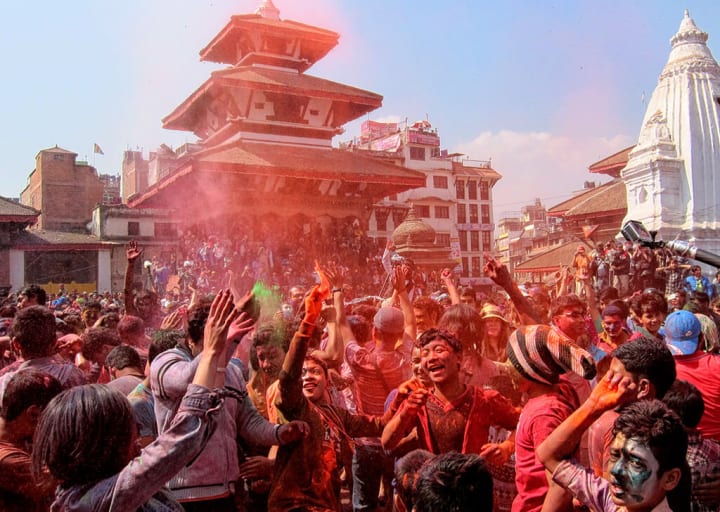
• Shared Traditions: In Nepal, Holi is celebrated as Fagu Purnima. Much like in India, people come together to sing, dance, and play with colors, welcoming the arrival of spring.
• Cultural Connection: The similar traditions in Nepal and India underscore a shared heritage and mutual celebration of life.
The United States: A Burst of Color
• Urban Celebrations: Major cities such as New York, Los Angeles, and San Francisco host large-scale Holi events organized by local Indian communities.
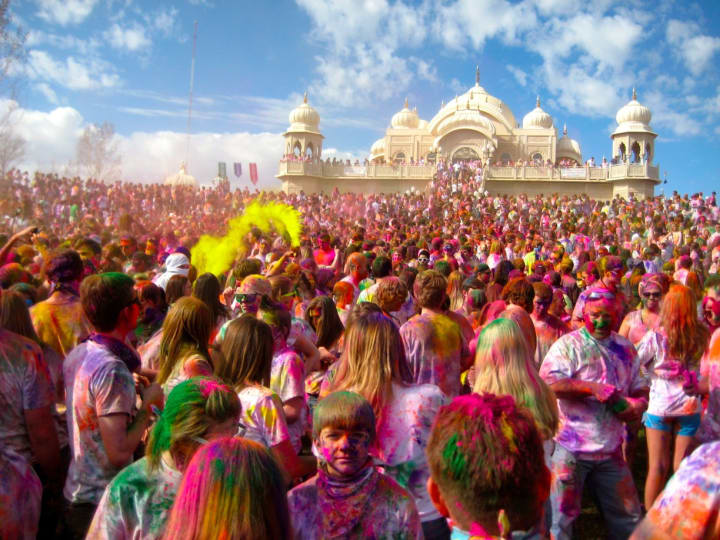
• Spectacular Festivals: One of North America’s largest Holi celebrations takes place at the Krishna Temple in Utah, drawing tens of thousands to experience the festival’s magic.
The United Kingdom: A Multicultural Celebration
• Diverse Festivities: In cities like London and Leicester, Holi is celebrated with a mix of traditional Indian performances and modern artistic expressions.
• Unity in Diversity: These celebrations serve as a vibrant reminder of the UK’s multicultural fabric, where people from various backgrounds come together in the spirit of Holi.
Trinidad and Tobago: Indo-Caribbean Fusion
• Phagwa Celebrations: In Trinidad and Tobago, the festival is known as Phagwa. Local festivities feature traditional chowtal songs and lively street processions.
• Unique Blend: The fusion of Indian and Caribbean cultural elements creates a distinct and joyful celebration.
Celebrations in Mauritius, South Africa, and Australia
Mauritius
• Community Gatherings: With a significant Hindu population, Mauritius celebrates Holi with energetic public events filled with music and dance.
South Africa
• Diaspora Festivities: In cities like Durban, Holi events organized by the Indian diaspora feature family reunions, music, and dance, highlighting the festival’s universal appeal.
Australia
• Vibrant Festivals: In metropolitan centers such as Sydney and Melbourne, Holi is celebrated with a mix of traditional performances and modern events that resonate with Australia’s diverse culture.
4. The Deep Symbolism of Holi’s Colors
The colors of Holi are not merely decorative—they carry deep symbolism and reflect the many facets of life and nature.
• Red:
Embodying love, passion, and fertility.
Red is a powerful reminder of the strength of emotions and the energy that drives us.
• Pink:
Signifying joy, happiness, and friendship.
The gentle hue of pink symbolizes the warmth of relationships and the beauty of togetherness.
• Yellow:
Representing knowledge, wisdom, and prosperity.
Bright and uplifting, yellow mirrors the promise of new beginnings and the light of spring.
• Green:
Standing for nature, harmony, and balance.
Green is a tribute to growth, renewal, and the delicate balance of our environment.
• Blue:
Evoking calmness, tranquility, and spirituality.
Blue inspires a sense of inner peace and connects us with the vastness of the sky and the depths of our spirit.
By embracing these colors, we not only enhance the visual spectacle of Holi but also tap into the deeper meanings behind each hue.
5. Celebrating Holi Safely and Sustainably
Holi is a time for uninhibited joy, yet it’s important to celebrate in a way that is both safe and respectful of the environment.
• Choose Natural Colors:
Opt for eco-friendly, organic colors derived from flowers, turmeric, or other natural sources to protect your skin and the environment.
• Keep Hydrated:
Carry a water bottle and drink plenty of fluids, as the physical excitement of Holi can quickly lead to dehydration.
• Protect Your Skin and Eyes:
o Apply coconut oil or a moisturizer before heading out to create a protective layer against the colors.
o Wear sunglasses or protective eyewear to guard against irritants.
• Respect Personal Boundaries:
Always ask before applying colors to someone else to ensure that everyone feels comfortable and respected.
• Dress Wisely:
Choose clothing that you don’t mind getting stained and opt for light, breathable fabrics suitable for outdoor festivities.
• Practice Water Conservation:
Consider using dry powders in areas with water scarcity to contribute to sustainable celebrations.
6. Embracing the Holi Spirit: Practical Tips
Beyond enjoying the festival, here are some actionable ideas to fully immerse yourself in the Holi experience:
Bring the Celebration Home
• Cook Traditional Recipes:
Experiment with classic Holi treats such as gujiyas, thandai, or malpua. Sharing these recipes with friends and family can enhance the festive mood.
• Host a Community Potluck:
Organize a gathering where everyone contributes a dish inspired by Holi traditions, fostering a sense of community and shared joy.
Dive Into the Culture
• Learn the History:
Explore articles, documentaries, and books about Holi’s origins to gain a deeper appreciation for its cultural significance.
• Join Workshops:
Participate in local dance, music, or art workshops centered around Holi to enrich your experience and acquire new skills.
7. Holi’s Global Impact and Future Trends
Holi continues to adapt and thrive in an interconnected world, merging tradition with modern innovation.
Global Unity Through Cultural Fusion
• Blending Traditions:
Across the globe, Holi events incorporate local cultural elements—from Bollywood dance performances in the UK to modern DJ sets in the US—creating unique, hybrid celebrations.
• Inclusivity and Community:
Holi now serves as a universal symbol of inclusivity, breaking down social barriers and uniting people regardless of background or belief.
8. Conclusion: A Celebration of Life and Unity
Holi is much more than an Indian festival—it’s a celebration of the human spirit. With its dazzling display of colors, infectious energy, and timeless messages of love and unity, Holi reminds us that joy can break through even the darkest times. Whether you’re dancing in a bustling street festival, hosting a cozy gathering with friends, or joining an online celebration, let the colors of Holi inspire you to embrace life’s beauty and diversity.
Every splash of color is a story, every song a memory, and every shared smile a step toward a brighter, more connected world. So this year, as you prepare to celebrate Holi, open your heart, let your spirit soar, and allow the magic of this festival to paint your life with vibrant hues.
Call-to-Action
• Discover Local Events:
Look up upcoming Holi celebrations in your area and immerse yourself in the festival’s vibrant energy.
• Share Your Experience:
Capture and post your Holi moments on social media.
• Try Traditional Recipes:
Experiment with making gujiyas, thandai, or malpua and host a potluck with family or friends to spread the festive cheer.
• Embrace Sustainability:
Support eco-friendly practices by choosing natural colors and encouraging your community to adopt sustainable celebrations.
Happy Holi -"The vibrant festival of Holi will be celebrated on the 14th and 15th of March 2025, spreading joy, togetherness, and tradition."
About the Creator
PRABAL TR PRO
✅ "Writer & Poet ✍️ | Exploring ideas, stories, and insights that inspire & captivate! From culture to creativity—let’s dive into the world of words!"
Keep reading
More stories from PRABAL TR PRO and writers in Wander and other communities.
International Women’s Day 2025: A Celebration of Strength, Equality, and Progress
Introduction March 8th marks an important global observance—International Women’s Day (IWD). It is a day dedicated to celebrating the achievements of women, raising awareness about gender equality, and advocating for a world free from discrimination and bias. As we approach IWD 2025, the focus remains on empowering women and embracing equity to build a more inclusive society.
By PRABAL TR PRO11 months ago in Humans
Gift of the Epiphany
I have come to love the Mike's monthly unofficial challenges. They spark my imagination and cause me to dig, explore and search out truths. They also cause personal memories of mine to sparkle for a bit. January's challenge was no exception. In fact, the events that I'm now journaling still amaze me because those steps felt so ordered, yet unmistakingly, not mine.
By Shirley Belk5 days ago in Wander
Postcard from Bangor
Welcome to “Postcards Between Pages,” where we journey to places where stories come alive, and the landscape speaks with the echoes of literary giants. Today, we’re mailing you an audio postcard straight from Bangor, Maine—home to SK Tours of Bangor and the heart of Stephen King’s legendary world. Together, we’ll traverse the eerie streets and storied landmarks that inspired the King of Horror, listen to tales and whispers from beyond the page, and unravel how Bangor’s soul has shaped the nightmares and dreams of readers across the globe.
By Kristen Barenthaler5 days ago in Wander
Wild Card Weekend Recap: What Happens Now?
I think I figured out why I love Wild Card Weekend so much. It's because it's the first playoff anything of the calendar year. The NFL season starts in the fall, and once upon a time, the champion was crowned either on or slightly before New Year's. The evolution of the NFL schedule has resulted in the playoffs starting just into the New Year, and currently, the final week of the season falls on the first weekend of the New Year, with Wild Card Weekend coming a week after that. So yes, chronologically, the NFL's Wild Card Weekend serves as the first playoff anything of the calendar year.
By Clyde E. Dawkins7 days ago in Unbalanced




Comments (1)
Thank you for joining me on this colorful journey through the magic of Holi. As we eagerly await the next celebration, mark your calendars—Holi 2025 will be on March 14 &15, 2025. May that day fill your heart with joy, your home with laughter, and your world with the vibrant hues of unity and love. Wishing you a truly unforgettable Holi filled with sweet memories and endless color!.