
Flying Safari in Tanzania: What to Expect When Exploring by Bush Plane
What to Expect When Exploring by Bush Plane
Tanzania, with its vast wilderness areas and iconic wildlife, offers some of the most exciting and unique safari experiences in the world. While traditional game drives in 4x4 vehicles are a popular way to explore the country's rich biodiversity, a flying safari—using small bush planes to hop between camps and national parks—provides an entirely different perspective of Tanzania's awe-inspiring landscapes and wildlife. If you're planning a flying safari in Tanzania, here's what you can expect from the experience.
1. Aerial Views of Tanzania's Majestic Landscapes
One of the most exhilarating aspects of a flying safari is the bird's-eye view you’ll get of Tanzania’s dramatic landscapes. From above, you can take in sweeping vistas of the Serengeti’s endless plains, the emerald green Ngorongoro Crater, the lush wetlands of Selous, and the crystal-clear waters surrounding the Zanzibar archipelago. The aerial view offers an unparalleled perspective, showcasing the sheer scale and beauty of these natural wonders.
2. A Different Kind of Safari Adventure
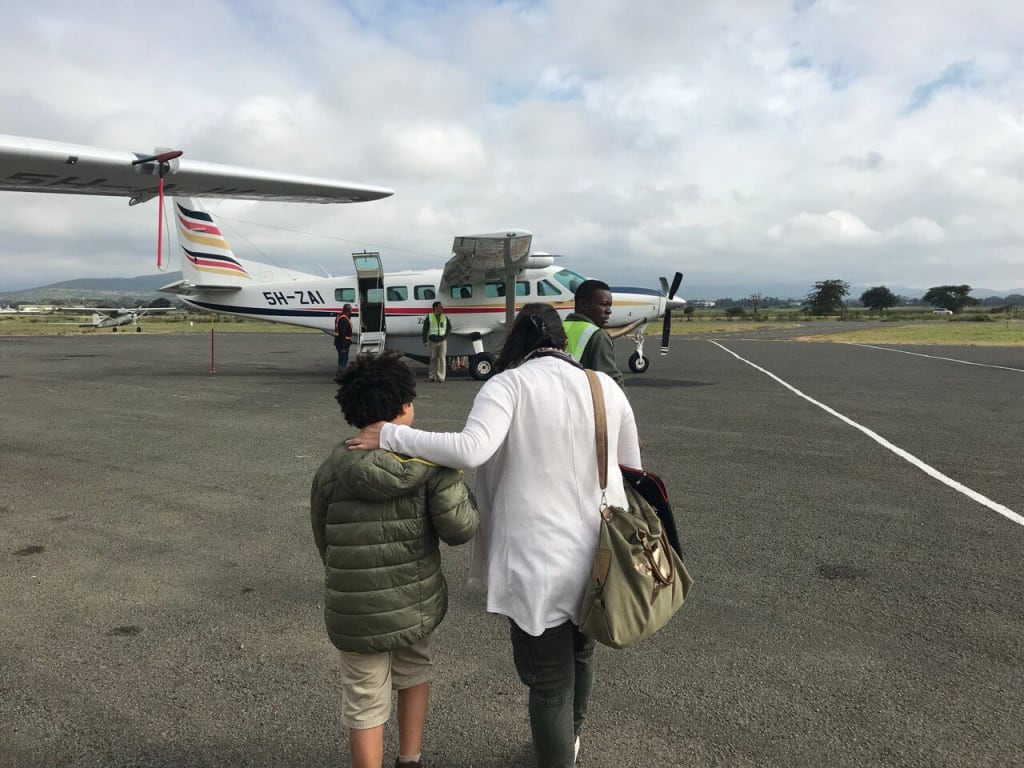
Flying in a small bush plane is a thrilling experience in itself. Tanzania’s bush planes are typically small, single-engine aircraft like the Cessna 206 or the Caravan, designed for short, rugged airstrips. These planes can access remote airstrips located close to national parks and reserves, allowing you to reach areas that would otherwise be inaccessible by road. As you soar above the wilderness, you may spot herds of elephants, large predators like lions and cheetahs, and rivers teeming with hippos, all from the comfort of your seat.
3. Seamless Transfers Between Parks and Lodges
A major advantage of a flying safari is the ease with which you can travel between different regions. The bush planes offer scheduled flights that connect major parks like the Serengeti, Ngorongoro Crater, Tarangire, and the Selous Game Reserve. Many safari operators work with airlines that specialize in these short domestic flights, so you can avoid the long and sometimes bumpy drives between destinations. This means more time spent on safari, and less time on the road, giving you the freedom to explore more of Tanzania’s wildlife-rich areas in a shorter time frame.
4. The Intimacy of Smaller Aircraft
Unlike larger commercial flights, bush planes are small and intimate, typically seating between 6-12 passengers. This creates a more personalized experience, where the pilot may be able to provide you with fascinating commentary about the landscape and wildlife below. In addition, the smaller planes fly at lower altitudes, giving you a closer and more detailed view of the terrain, wildlife, and people.
5. Landing on Remote Airstrips
Bush planes can land on small, unpaved airstrips, often right in the heart of the action. These airstrips are located within or near wildlife areas, offering direct access to safari camps and lodges. This means you can avoid long drives through bumpy roads and spend more time in the field, exploring Tanzania's parks and reserves. The experience of landing in such remote locations, surrounded by wildlife, is part of the adventure. Keep your eyes peeled for wildlife sightings even during your short flight—it's not uncommon to spot giraffes or elephants from the air as you approach your landing site.
6. What to Expect at the Airstrips
Airstrips in Tanzania’s safari areas are usually basic, dirt airstrips with minimal facilities. Some may have a small thatched hut where passengers can wait, while others might be more rustic with just a few benches or a shaded area. The pilots often communicate with ground staff, and the turnaround time between flights is quick. Once you land, you’ll be greeted by your safari guide or lodge staff, who will transfer you directly to your accommodation. The remoteness of these airstrips adds to the sense of adventure and exclusivity, making you feel like you've truly entered another world.
7. Comfort and Safety
While flying on a bush plane may seem like a nerve-wracking experience to some, these flights are generally very safe. Tanzania's bush planes are well-maintained, and the pilots are highly experienced in flying in these unique and often challenging conditions. The aircraft are specifically designed for short-haul flights in rugged conditions. You will be given safety instructions before your flight, and many airlines provide headsets for communication during the flight. For comfort, it’s advised to wear light clothing and bring a hat or sunglasses to protect from the sun, as well as a light jacket for cooler early morning or evening flights.
8. Wildlife Sightings from the Air
One of the most exciting aspects of flying over Tanzania is the opportunity to spot wildlife from above. The Serengeti, for example, is home to one of the world’s largest concentrations of wildlife, and from the air, you can often see herds of wildebeest, zebras, and elephants stretching across the plains. In other areas, such as Selous or Ruinsori, you may also spot crocodiles lounging on riverbanks or large herds of buffalo grazing in the savannah. The high vantage point offers a different view of how animals move and interact within their environment, making it a unique addition to your safari experience.
9. Logistical Considerations for Your Flying Safari
Booking a flying safari typically involves working with a safari operator or travel agent who can arrange all the details for you. Flight schedules are often coordinated with your lodge stays, and the prices of these flights are usually bundled into your overall safari package. Keep in mind that flying safaris are generally more expensive than traditional overland safaris, but the convenience, access to remote locations, and unique experience can make it well worth the extra cost.
10. Conclusion: A Truly Unforgettable Experience
A flying safari in Tanzania offers the chance to explore the country's legendary national parks in a way few others will experience. From stunning aerial views to quick access to remote wilderness areas, this unique mode of travel is the perfect way to enhance your safari experience. Whether you're marveling at the endless Serengeti plains or landing in the heart of the Selous Game Reserve, a flying safari allows you to see Tanzania's remarkable landscapes and wildlife in an entirely new light.
If you’re looking for an unforgettable adventure that blends the thrill of flying with the wonder of Tanzania’s natural beauty, a flying safari is an experience you’ll never forget.
Frequently Asked Questions (FAQs) about Flying Safaris in Tanzania
1. What is a flying safari in Tanzania?
A flying safari in Tanzania involves traveling between different national parks, reserves, and safari lodges by small bush planes instead of traditional overland vehicles. This mode of transport allows you to access remote, hard-to-reach areas and provides a unique aerial view of Tanzania's stunning landscapes and wildlife.
2. How do I book a flying safari?
Flying safaris can be arranged through safari operators, travel agents, or directly with lodges and camps that offer scheduled flights. These operators usually package flights, transfers, and accommodations into a seamless itinerary, so all you need to do is choose your destination and the duration of your safari.
3. Are bush plane flights safe?
Yes, bush plane flights in Tanzania are generally very safe. The aircraft are small, single-engine planes designed for short-haul flights in rugged conditions. The pilots are experienced in flying in remote areas and undergo regular training. Additionally, the planes are well-maintained, and safety briefings are provided before each flight.
4. What should I pack for a flying safari?
For a flying safari, pack light and bring only essentials, as bush planes have strict luggage weight limits (typically around 15-20 kg per person). Opt for soft-sided luggage to make loading easier. Comfortable clothing for warm weather is recommended, along with a hat, sunglasses, sunscreen, and a light jacket for cooler mornings and evenings. Don’t forget your camera to capture the stunning aerial views!
5. How long do bush plane flights last?
Bush plane flights in Tanzania are generally short, with most flights lasting between 30 minutes to 1.5 hours, depending on your itinerary and the distance between destinations. Flights are often timed to allow you to make the most of your safari experience, giving you ample time to explore the parks and return to camp in time for meals or evening game drives.
About the Creator
Shadows of Africa
Safari specialists for East Africa including Tanzania, Kenya, Rwanda, Uganda, Zanzibar, South Africa, Zimbabwe, and Ethiopia. We specialize in 100% custom-made tours designed for you.
Keep reading
More stories from Shadows of Africa and writers in Wander and other communities.
Great Wildebeest Migration: A 2025 Ultimate Safari Guide
Planning a trip to Africa? The Great Migration of millions of wildebeests and zebras must be in your safari itinerary. Every year, Africa observes the greatest spectacle on Earth as over 2 million gazelles, zebras, and many more cross over the famous Masai Mara and Serengeti in Africa.
By Shadows of Africaabout a year ago in Wander
Worth the Wait: Puerto Viejo, Costa Rica
Beach bumming in a small Caribbean beach town sounded like a perfect way to end our 6-month trip through Mexico and Central America. Or so we thought. The foul, fishy stench of rotten seaweed hit our nostrils as we stepped from the cramped bus and looked out at a rather depressing, empty, and underwhelming black sand beach. It was pouring with rain, and we had to quickly fish out our ponchos. We thought, this couldn’t be it, could it?
By Sh*t Happens - Lost Girl Travel9 days ago in Wander
Fun Times at Globe Life Field: Part 2
Last month, I took a trip to my hometown of Arlington, Texas. It was the first time in nearly 15 years I've been back to the place that I grew up. During the two days I was there, I did some sight-seeing and was highly impressed with how much has changed the last time I was there, which was 2011. On the last day of my trip, I took part in a premium stadium tour at Globe Life Field, the home of the Texas Rangers. It was my first time there and was with a small group of people on the tour. I've discussed the things I've seen during the hour and a half tour in my previous story, which you can read down below. After the tour concluded, I went outside and took even more snapshots. I'll go over some of the images, individually and in collage form.
By Mark Wesley Pritchard 3 days ago in Wander




Comments
There are no comments for this story
Be the first to respond and start the conversation.