
Flying a Drone on Tanzanian national Parks
What should you do if you want to fly a drone in Tanzanian parks.

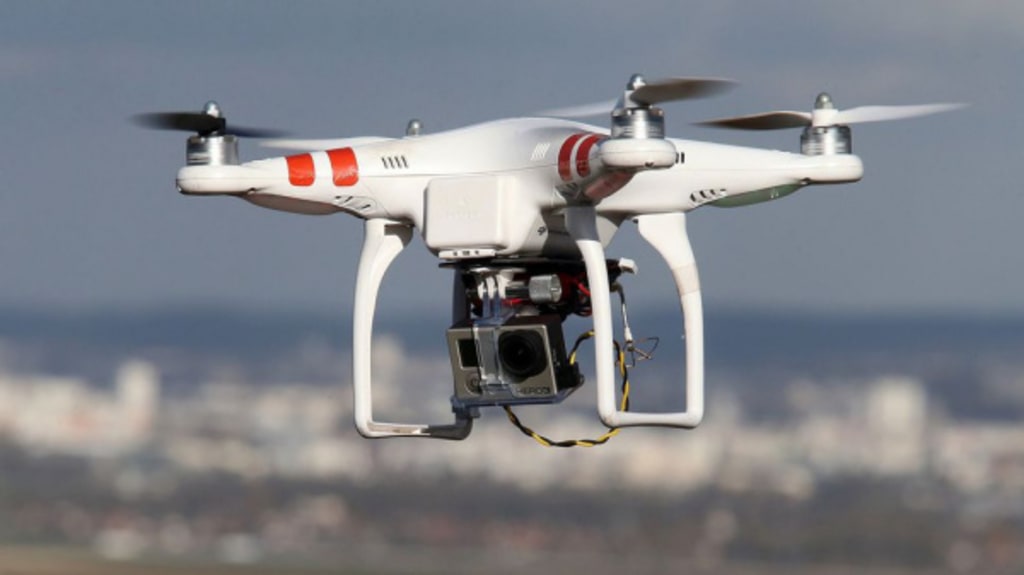
Today the drone technology is transforming industries and markets in world. The country of Tanzania, which is known for its beautiful landscapes and a lot of wildlife, is also affected and influenced with this innovation. However, if you want to go to the Serengeti or Ngorongoro or Kilimanjaro and fly your drone and record, it is very important you understand the country’s drone flying and recording regulations and permit requirements.
In Tanzania, all drone operations are regulated by the Tanzania Civil Aviation Authority (TCAA). A permit to fly a drone is mandatory for both recreational and commercial drone use. You will have to get proper documentation and compliance from the authority and you will enjoy much drone filming activities, from professional filmmaking and wildlife conservation to any footage from a Tanzania safari.
Regulations for Flying Drones in Tanzania
Tanzania has very clear and strict rules when it comes to drone use. The TCAA is in charge of all drone activities to ensure safety, national security is not compromised, and also for the purpose of protection of sensitive areas. So, whether you are a tourist and looking to fly for fun or a you are a production team who is planning to film in the wild, and you will probably use drone, you must first obtain the proper permits.
Permit Requirements:
1. TCAA Registration & Operator Permit
Here you must know that: All drones must be registered through the TCAA, Both the drone and the operator of that drone must be licensed and there is a cost associated with the drone registration and there is another cost also for operator permit of the drone.
2. MODANS (Ministry of Defense and National Service) Approval
This approval is required for drone operations anywhere in Tanzania. Here a military officer will be assigned to accompany your operation especially when you are filming. There is no official fee, but you must cover the military officer’s daily stipend plus meals, accommodation, transport, and any park entry fees.
3. Film Permit (for commercial or filming use)
This permit is issued by the Tanzania Film Board. This is required if you will use your drone for filming content you will use for commercial purposes. The cost for this film permit may start from USD 1,000 for standard processing; up to USD 3,000 for fast-track (within 7 days).
4. TANAPA Permits (National Parks)
If you need to fly your drone in any national park, like Serengeti, Ngorongoro, Kilimanjaro, or Tarangire, there will be an associated cost. The cost will vary depending on the park that you want to fly your drone. It is better to check with your tour provider so that you may be given the actual cost of these permits.
Flying drone on national park must be supervised by a park ranger, and the operation times for drones are restricted to avoid disturbing wildlife.
Ngorongoro Conservation Area Authority (NCAA)
Flying a drone here is highly restricted and it is only permitted under special circumstances, mainly for major productions. So you will need special permission from the governing authority; that only grants it for wildlife documentaries and high-budget marketing shooting that will attract a high volume of new travelers into Tanzania.
If you are filming for personal blogs, personal YouTube videos or Instagram posts, chances are high that they will decline your application.
Failure to obtain the above appropriate permits can lead to confiscation of your drone or heavy fines (up to TZS 1 million / USD 400), or even imprisonment for up to six months.
Understanding the Legal Framework
In Tanzania, the TCAA provides the legal foundation for drone use in Tanzania. Its regulations are meant to ensure that there is a safe integration of drones in the national airspace, while also protecting sensitive zones and area like national parks, airports, and government installations.
Key Guidelines here Include:
- Maximum flight altitude for drone flight is 400 feet
- You have to maintain visual line-of-sight of your drone at all times
- Avoid flying your drone at night without any special permission
- Stay clear of people, roads, airports, and urban areas unless authorized and allowed
- For commercial operators, insurance will be required
Permits to fly a drone must be applied for in advance, mostly 1–2 months before your trip. Foreigners are required to apply through local, authorized representatives and on this case, tour operators.
Required Permits and Registrations
To legally fly a drone in Tanzania, the following steps must be completed:
1. Drone Registration with TCAA
Provide details such as the drone model, serial number, and purpose of use. Include a copy of your ID and any relevant insurance documents.
2. Operator Permit
You must register yourself as an operator of the drone, submitting identification and all possible certifications.
3. Flight Plan Submission
This outlines when, where, and how you intend to fly your drone. This is reviewed to ensure that there is safety and also avoid airspace conflicts.
4. MODANS & Film Board Approvals
This is required for those who are flying drones for commercial use or any filming activities. Here there may be additional processing times and fees.
5. Location-Specific Permits
National parks like Serengeti, Kilimanjaro, or Selous (Nyerere) require daily permits for drone flying, ranger supervision, and adherence to wildlife rules.
No-Fly Zones and Safety Precautions
Tanzania enforces no-fly zones to protect public safety and national interests. Here under no circumstances, you should not try to fly your drone without approval. These areas include:
- National Parks and Conservation Areas (without a TANAPA/NCAA permit, don’t try to fly your drone)
- Airports and Airstrips
- Military bases and government buildings
- Densely populated urban centers
Flying in these areas without permission is a serious offense and can lead to drone seizure or legal action.
Opportunities for Drone Usage in Tanzanian Tourism and Conservation
Drones offer exciting opportunities in both tourism and environmental conservation. In tourism they capture breathtaking aerial views from better angles of the Serengeti plains, Zanzibar’s coast, or the peaks of Mount Kilimanjaro, they help in enhancing travel experiences and personal content creation and finally it support local businesses that offer drone photography/videography services
In Conservation Drones help monitor wildlife, track animal movements, and detect poaching threats, Provide real-time data for park rangers and researchers and Assist in land mapping, vegetation surveys, and ecological planning
In Media and Promotion, High-resolution drone footage always boosts marketing campaigns for lodges, safari companies, and national tourism and visual content produced using drones helps increase the global visibility and tourist appeal.
Key Takeaways
- You can fly drones in Tanzania, but only with proper permits.
- Permits are required from the TCAA, MODANS, and Film Board (for commercial use).
- National parks and Ngorongoro require additional, location-specific permits for flying the drones.
- Violating drone laws can result in fines, equipment seizure, or imprisonment.
- Respecting regulations ensures safe, responsible, and rewarding drone experiences in one of the world’s most beautiful destinations.
About the Creator
Jaynevy Tours
Jaynevy Tours offers personalized Tanzanian safaris to Serengeti, Ngorongoro Crater, and Zanzibar. Expert guides and unique experiences for all.
Keep reading
More stories from Jaynevy Tours and writers in Wander and other communities.
If you go to a wildlife Safari in Tanzania, how much will it cost you?
Tanzania offers some of the most iconic and famous safari experiences in the world from witnessing the Great Migration across the Serengeti to exploring the majestic Ngorongoro Crater to climbing the Kilimanjaro. But how much does a safari in Tanzania actually cost? The answer will depends on different factors such as your travel style, the season you visit, how long you stay, and the level of comfort you choose.
By Jaynevy Tours9 months ago in Wander
Worth the Wait: Puerto Viejo, Costa Rica
Beach bumming in a small Caribbean beach town sounded like a perfect way to end our 6-month trip through Mexico and Central America. Or so we thought. The foul, fishy stench of rotten seaweed hit our nostrils as we stepped from the cramped bus and looked out at a rather depressing, empty, and underwhelming black sand beach. It was pouring with rain, and we had to quickly fish out our ponchos. We thought, this couldn’t be it, could it?
By Sh*t Happens - Lost Girl Travel3 days ago in Wander
The "Alternate Route" Guide: Navigating the 2026 Sri Lanka Transit Shift
For the first two months of 2026, Sri Lanka was the undisputed darling of the global travel scene. The island shattered arrival records, welcoming over 550,000 visitors who flocked to our shores for the T20 World Cup and the blooming hills of the tea country. But as of early March, the "aerial bridge" through the Gulf—the massive transit corridor through Dubai, Doha, and Abu Dhabi that typically carries over a third of our island’s tourists—effectively shifted into a complex logistical puzzle due to regional airspace closures.
By Seth Marshalabout 8 hours ago in Wander
The Piggy Project
I’ve had so many names in this life I lose track of which ones were ever really mine and which ones I wore because someone needed me to. Some were handed to me before I had words to refuse them, before I knew what they meant, before I knew I could say no. Most weren’t meant to hurt. That doesn’t mean they didn’t leave marks. Marks that told me who I belong to, who I am by way of who claims me, recognizes me in the good and bad, who walks beside me.
By Fatal Serendipity5 days ago in Confessions




Comments
There are no comments for this story
Be the first to respond and start the conversation.