
Exploring Myrtle Beach and the Rest of South Carolina
Sightseeing in a vacation town and the rest of the state

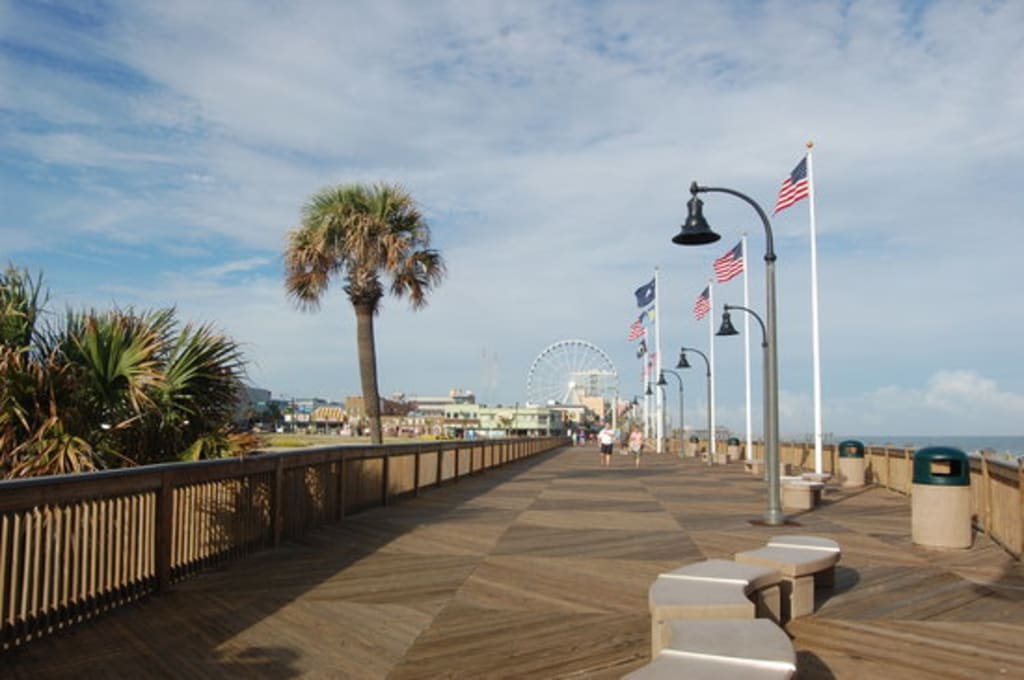
South Carolina is a southeastern U.S. state that is famous for its shoreline sub-tropical beaches and marsh-like sea islands. Arriving in South Carolina you can enjoy yourself at the vacation town Myrtle Beach with beaches along the Atlantic coast.
The Myrtle Beach Boardwalk & Promenade is a 1.2-mile walkway along the ocean. It opened in 2010 and is made up of three sections.
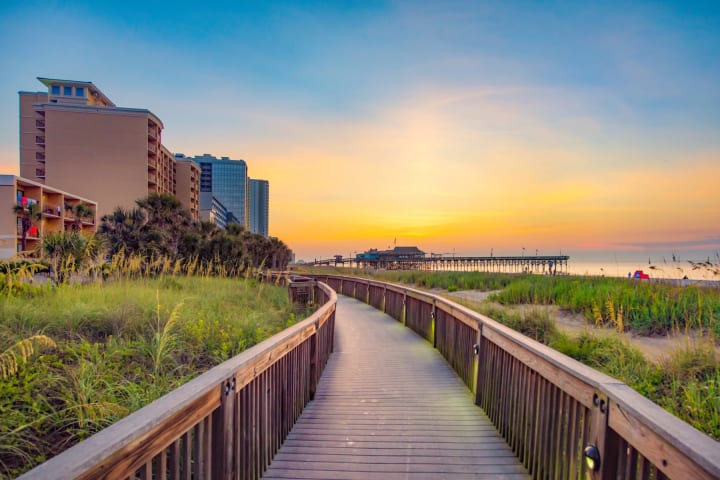
North Walkway features a raised wooden deck with dune vegetation and landscaping.
The next section offers beachfront arcades, cafes, and shops and is the busiest part.
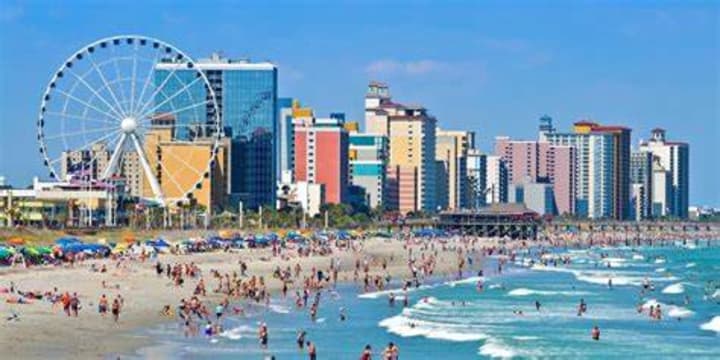
South Promenade is a seaside park with natural landscaping and benches You can see a weekly fireworks show at the 2nd Avenue Pier.

You can catch great entertainment on the Grand Strand. The Carolina Opry offers visitors four productions with catchy and classic tunes. The performances showcase talented singers, musicians, comedians, and dancers. There are laser light shows with classic rock music and during the holidays a Christmas special.
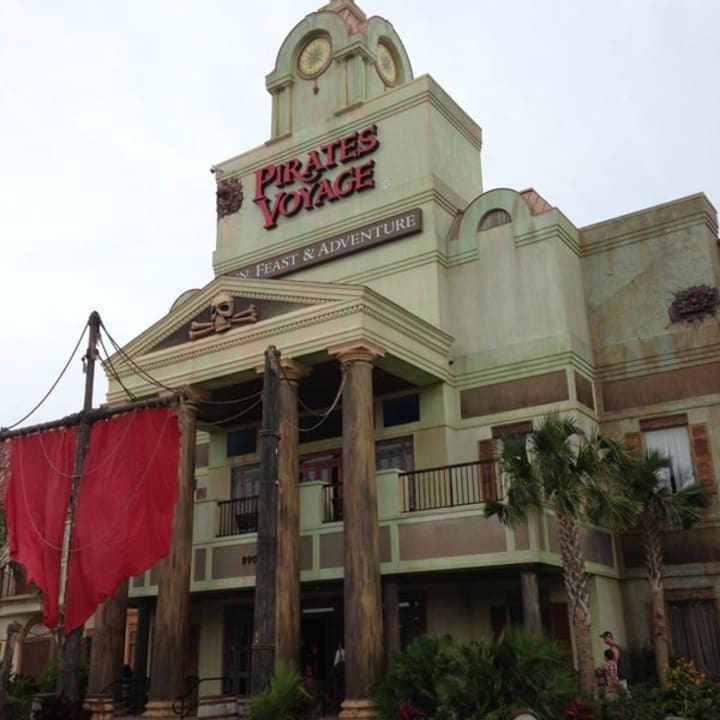
Right next door you’ll find Dolly Parton’s Pirates Voyage. Guests are offered a dinner show. You sit in front of a watery stage and can watch acrobatic pirates from the Sapphire and Crimson crews battle each other for victory. Joining the pirates are sea lions, parrots, and other live animals. If you like you can join in on the fun.
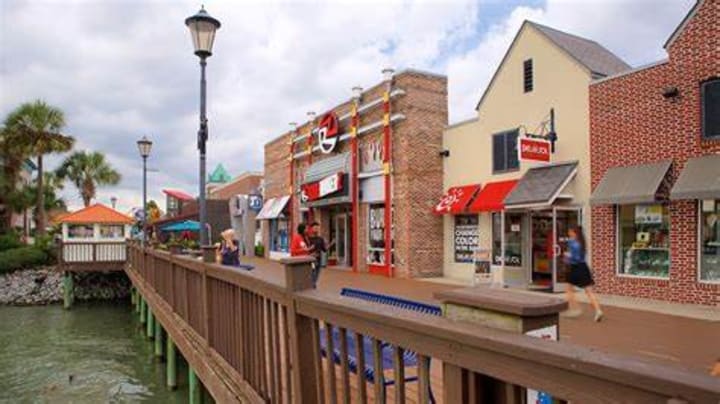
Broadway at the Beach offers such attractions as Old Tyme Portraits, Ripley’s Aquarium, and Fantasy Golf. There are plenty of dining places with a large choice of food. You can take paddle-boat rides and enjoy an after-dark stroll on the Broadway bridges that stretch over the Intercoastal Waterway.
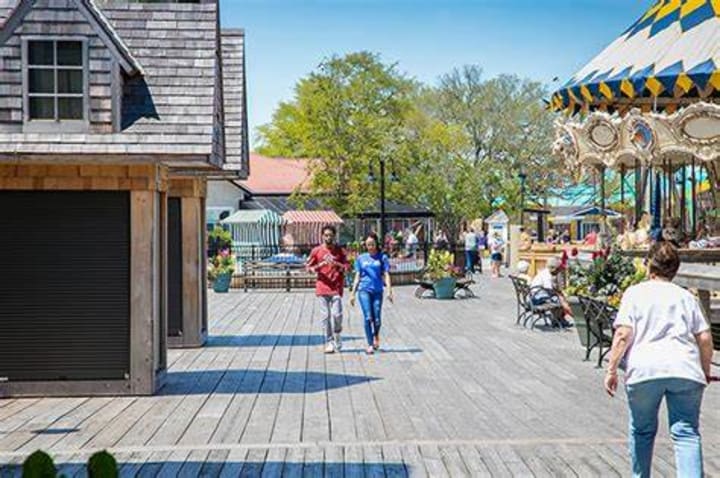
Barefoot Landing offers visitors a large selection of entertainment, food, and shopping. Among the attractions here are Alligator Adventure, Mirror Maze, and the T.I.G.E.R.S./Preservation Station where you can see tiger cubs and take photos with them. In the evening you can watch a show at The Alabama Theater or the House of Blues. If you prefer you can join the Myrtle Beach Ghost Walk.
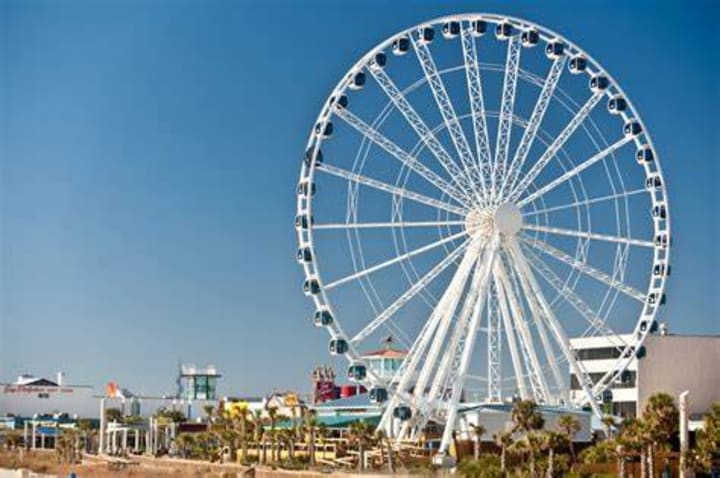
The Myrtle Beach Sky Wheel opened in 2011 and will take you to the skies in 42 six-person gondolas. You can get plenty of great views in the 10-minute ride. If you like you can reserve the VIP option which is a 20-minute ride in a gondola with a glass floor. The wheel is illuminated at night by one million LED lights.
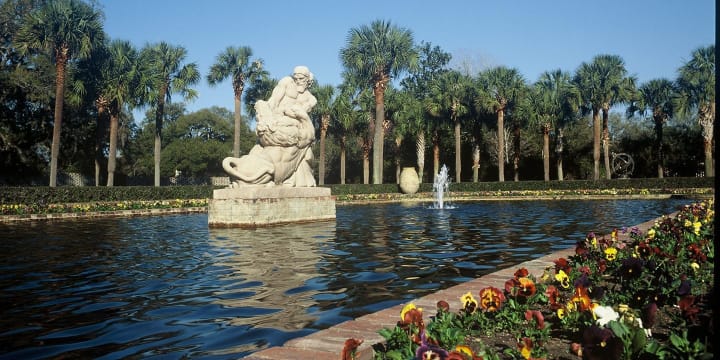
At the Brookgreen Gardens, you can see intricate sculptures as well as native alligators, osprey, and waterfowl in their natural habitat. Visitors can cruise on a 48 ft. pontoon along historic rice fields. Visitors learn from interpreters about the history of the estate and the surrounding area. You can tour a Civil War fort, the back roads of the Oaks Plantation, and the cemetery where generations of the Alston family rest.
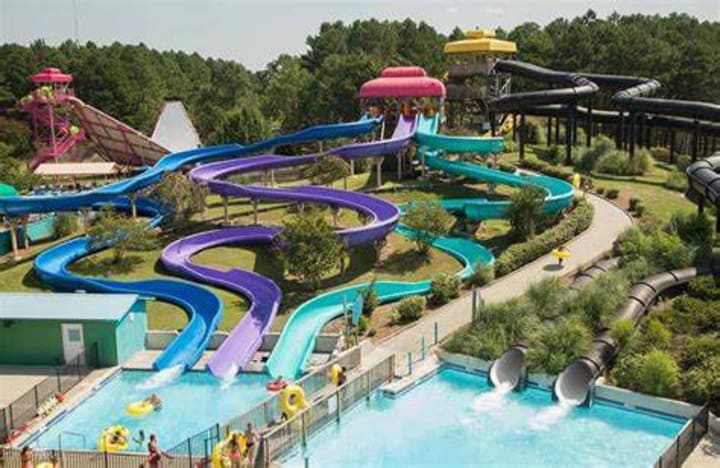
Myrtle Waves is the largest water park in South Carolina. There are all kinds of slides, rides, rafts, and chutes. Among the most thrilling slides are the Turbo Twisters, the King Cobra shoot on Snake Mountain, and Night Flight.
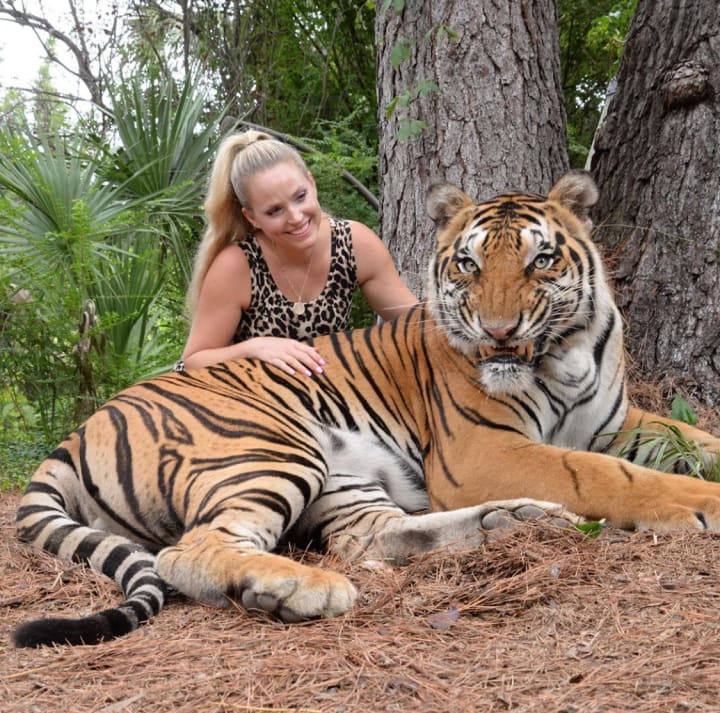
Myrtle Beach Safari offers a guided walking tour called the Wild Encounter Tour through the 50-acre wildlife preserve. The tour takes three hours and lets visitors see animals living in the wild. Most of them are African mammals like chimpanzees, leopards, orangutans, tigers, and other endangered species. Tours are offered from March to October.
South Carolina Off the Beaten Path
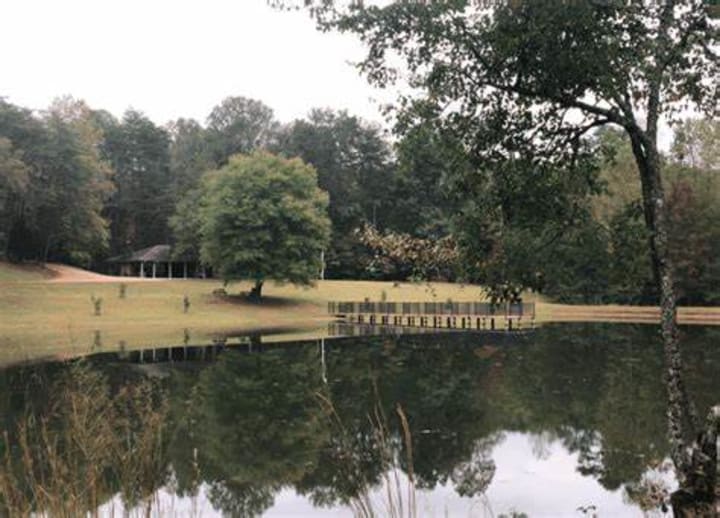
Pleasant Ridge State Park is located in Marietta. Here one can see the abandoned stills of the moonshine industry along the nature trail in the scenic foothills of the Blue Ridge Mountains. Part of the way the footpath follows a cool mountain stream along which wildflowers grow in the spring. The park’s 300 acres include wildlife such as white-tailed deer, raccoons, bobcats, hawks, and redheaded woodpeckers. A popular feature is a lake with a beach and supervised swimming. Pedal boats and rowboats are available for rent. The park also provides fully equipped cabins, campsites with hookups, picnic shelters, a playground, a softball field, and game courts.
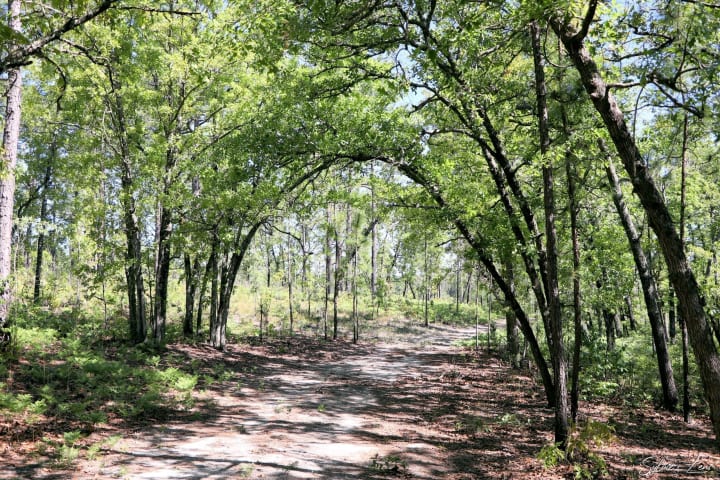
Carolina Sandhills National Wildlife Refuge in Chesterfield County has a long history. 55 million years ago the Atlantic Ocean’s incessant pounding of the shores created the dunes that stand there today. Settlers cut the timber and overworked the land in the area. Eventually, the soil was depleted and the farms were abandoned. In 1939 the Federal Government purchased 46,000 acres and established a wildlife reserve.
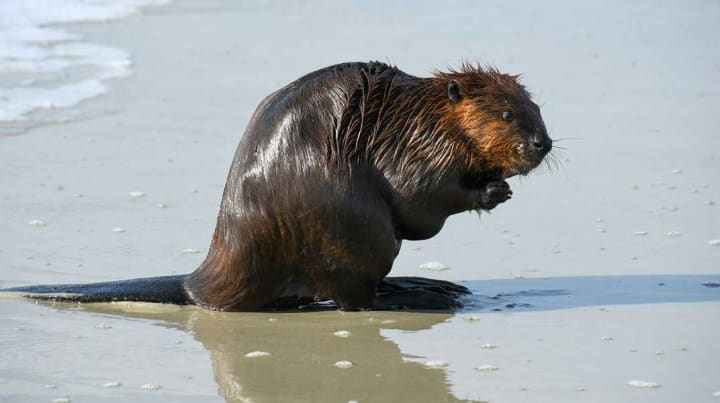
It now has longleaf pines, pond pines, mockernut hickories, and persimmons. Wildlife includes beavers, deer, cougars, rare woodpeckers, owls, and wild turkeys. They are among the 42 species of mammals and 190 species of birds that make their home here.
Visitors can find an 11-mile drive, hiking trails, observation towers and platforms, spring wildflower tours, and a photo blind here to provide access to the wildlife. At the Lake Bee Recreation Area, one can find picnic tables with stone fireplaces. Seasonal fishing is allowed in designated lakes and creeks.
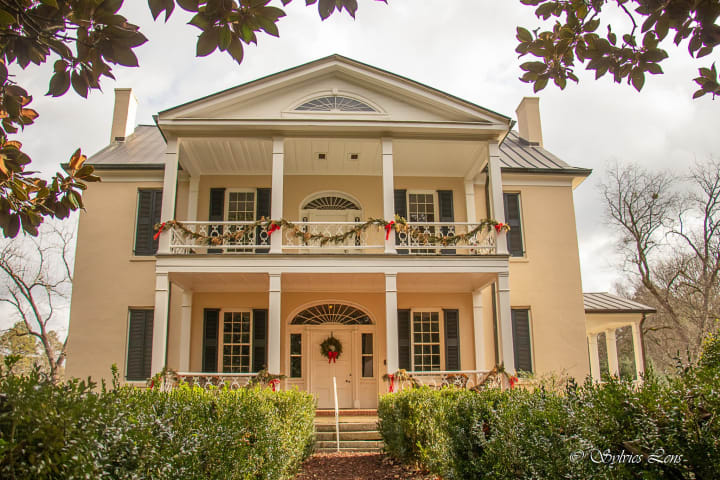
Rose Hill State Park – North of Whitmire, South Carolina this magnificent stucco mansion was built between 1828 and 1832. It reminds visitors of the life enjoyed by antebellum plantation owners and is immortalized in Margaret Mitchell’s classic “Gone with the Wind”. The owner of Rose Hill was Governor William Henry Gist who was known as the Succession Governor. The mansion is furnished in an authentic period style and contains several fine pieces that belonged to the governor. In the second-floor ballroom is an 1832 pianoforte and an 81-key piano. There are also two fireplaces and a sliding partition used to divide the ballroom into two bedrooms. Gist’s own bedroom contains his wardrobe and a four-poster bed with three hinged steps one of them concealing a chamber pot. The mansion has graceful front and rear porches built in 1860.
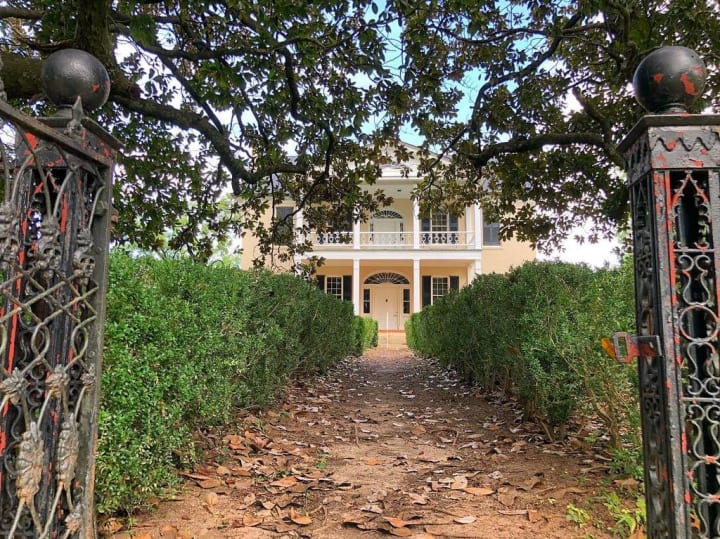
On the grounds enclosed by the original black wrought iron fence are boxwoods arranged in the pattern of two Confederate flags and several stately magnolias. Dogwoods line the entrance drive. A clapboard building houses exhibits of the local cotton culture and 19th-century plantation life. There are picnic tables and a pleasant quarter-mile nature trail going down to the Tyger River. Wild turkeys and deer may be seen.
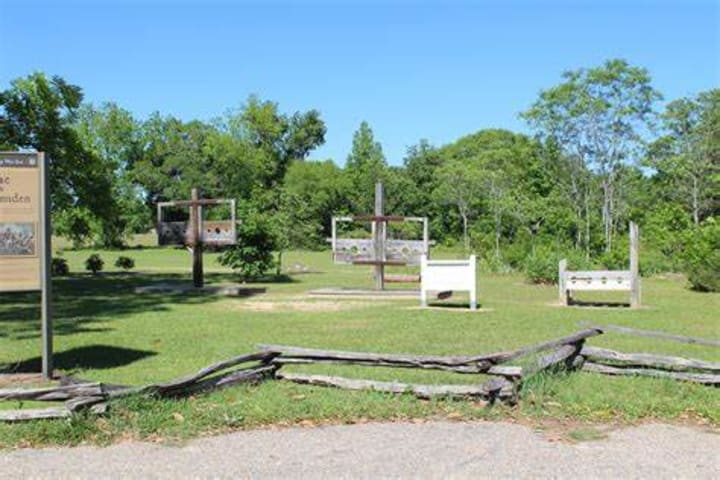
Historic Camden Revolutionary War Park – More than 200 years ago Camden was the headquarters of Lord Cornwallis and the hub of British activity. Because of its strategic location, Camden was the focal point of two major Revolutionary War battles. Camden is the oldest existing inland town in the state and was part of a township plan ordered by King George II in 1730.
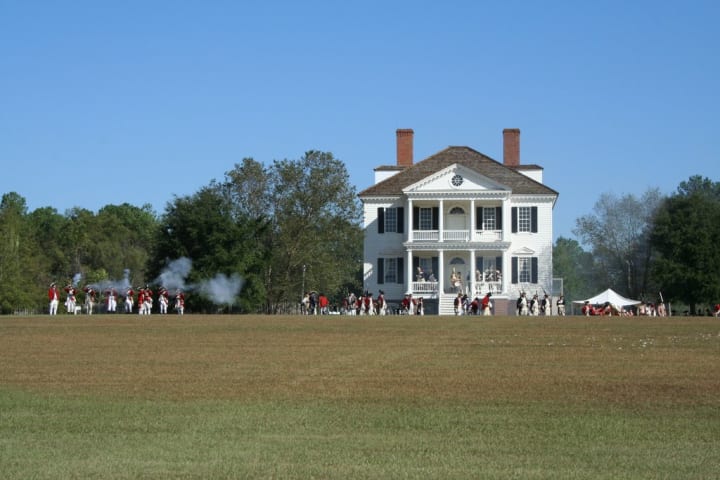
The 107-acre outdoor museum complex includes the town site of 18th century Camden, the restored and furnished 1785 John Craven House, Cunningham House circa 1830 (tour office and gift shop), two early 19th-century logs cabins with exhibits, partially restored 1795 McCaa House, reconstructions of some of the military fortifications, the reconstructed and furnished Joseph Kershaw mansion, headquarters for Lord Cornwallis, a blacksmith exhibit and a .6-mile Nature Trail. Those wishing to stretch their legs will enjoy the Old Camden Trace, a 3.5-mile walk through Historic Camden, the Nature Trail, the 1758 Quaker Cemetery, and numerous other landmarks of early Camden.
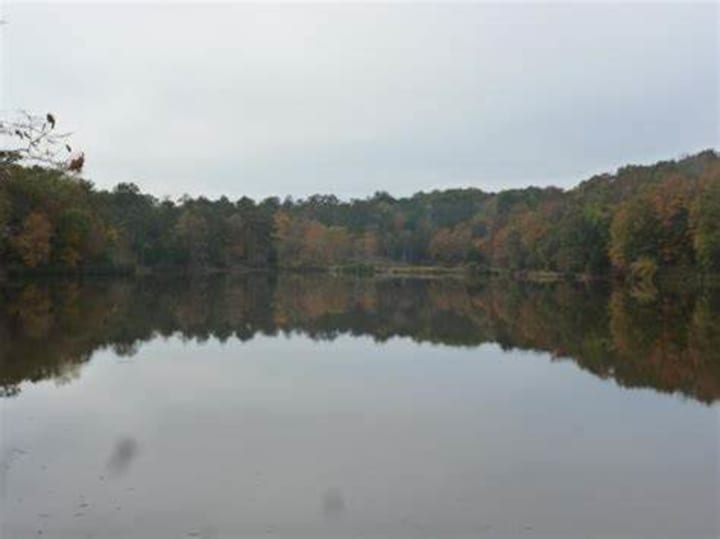
Parsons Mountain Lake Recreation Area in Abbeville is a quiet wooded area with a lake as the centerpiece which is devoted to tent and trailer camping, picnicking, hiking, riding, and fishing. There is a large picnic grove by a supervised swimming area on the lakeshore and a boat ramp for fishermen. One can fish for crappie, catfish, bass, and other species common to the region.
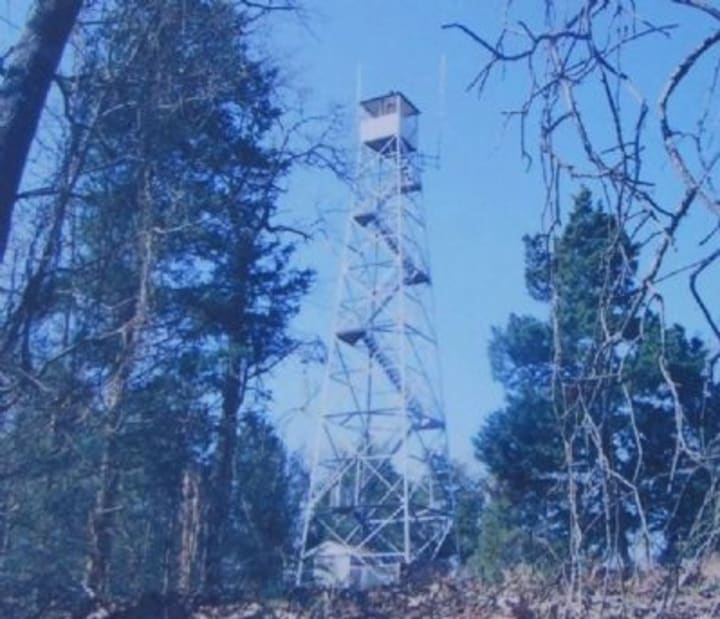
The park also has a corral. A trail leads to a fire tower passing by a series of pits dug in the mid-1800s by miners in search of gold. From the top of the 80-foot tower, one has a panoramic view of the mixed pine and hardwood forests of the Carolina Piedmont. In the woods are deer, small mammals, and a variety of birds. Indian paintbrush and lady’s slipper are among the wildflowers that grow along the woodland trails.

Santee National Wildlife Refuge – Four separate units make up this 15,095-acre tract all flanked by Lake Marion which is the largest lake in South Carolina. Here one can find a vast array of bird, mammal, fish, reptile, and amphibian species that thrive in a protected environment.
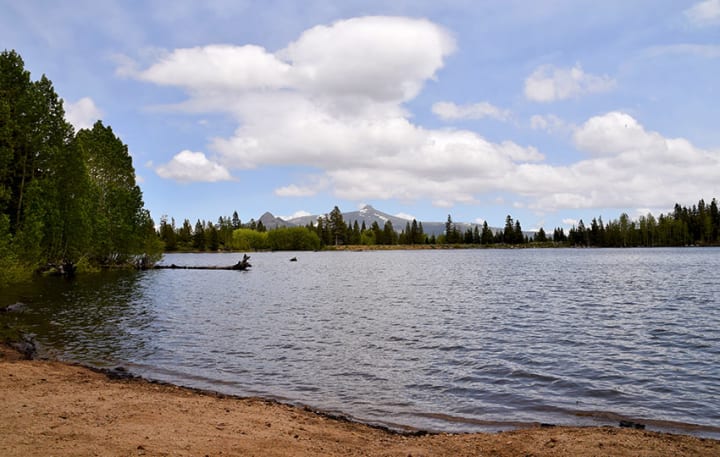
The visitor center on a cove called Scott’s Lake has a diorama, an aquarium, and other displays that help to acquaint nature lovers with some of the wildlife found at the reserve including American bald eagles, ospreys, river otters, and cottonmouths. striped bass and alligators.
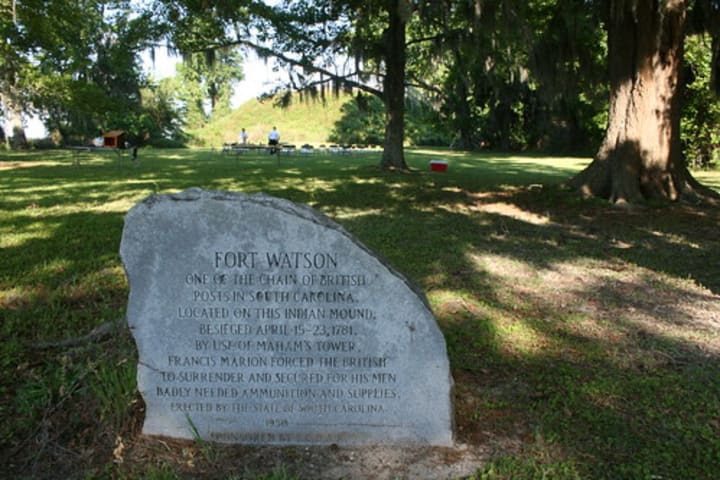
Fort Watson located across from Scott’s Lake was recaptured from the British in 1781 by General Francis (“The Swamp Fox”) Marion. The area is ideal for hiking, biking, and fishing. Lake Marion is known for its Atlantic sturgeon, freshwater eels, chain pickerel, and bluegills. Each unit in the refuge has its boat ramp. Bird watchers can get a free printed checklist of the 293 species observed here.
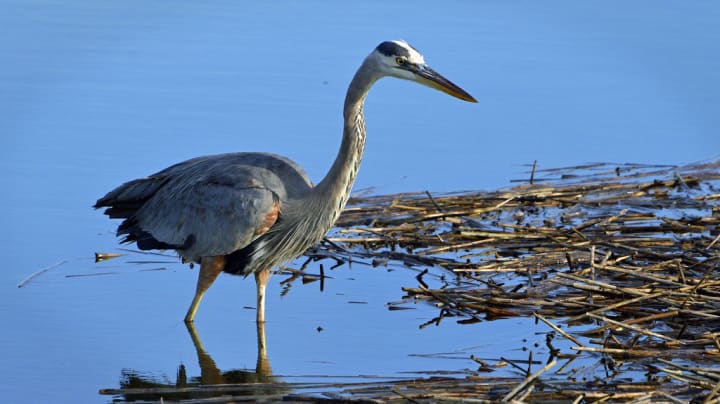
Among those that are permanent to the refuge are pied-billed grebes, little blue herons, blue-winged teals, and Cooper’s hawks. Visiting species include American woodcocks, Barred owls and rock doves.
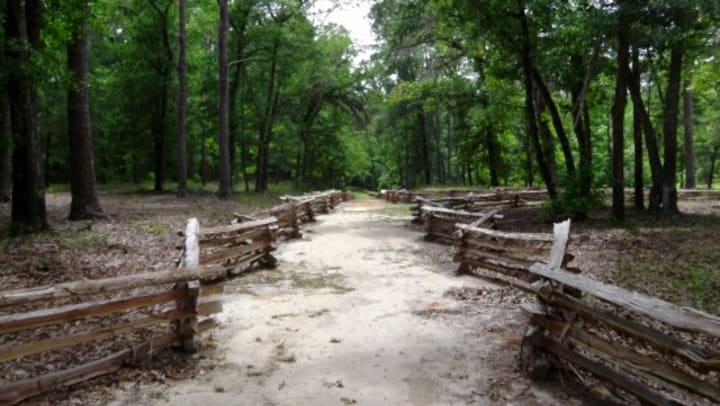
Rivers Bridge State Park – Here in February 1865 a force of Confederate artillery, cavalry, and infantry under General Lafayette McLaws fought in vain to stop General William T. Sherman on his devastating march from Savannah north to Virginia. Being outnumbered the Confederates could only delay Sherman for two days before he went on to burn McPhersonville and Columbia. The Confederate soldiers who died at that time were reburied in the park and a monument was erected.
The park facilities now include campsites, picnic areas, a swimming pool, a wading pool for children, and a playground. There is a mile-long nature trail beneath pines and live oaks draped with Spanish moss. In early April one can observe colorful wisteria, dogwoods, and native azalea. Fishing along the river and on a creek yields crappies, catfish, gar, and largemouth bass. The war is recalled by a small brick museum that contains a battle flag that was flown here and other reminders of the conflict.

Rivers Bridge State Park is now on the National Register of Historic Places and is the only state historic site in South Carolina that commemorates the Civil War. The park also offers educational programs about the battle and military life during the Civil War.
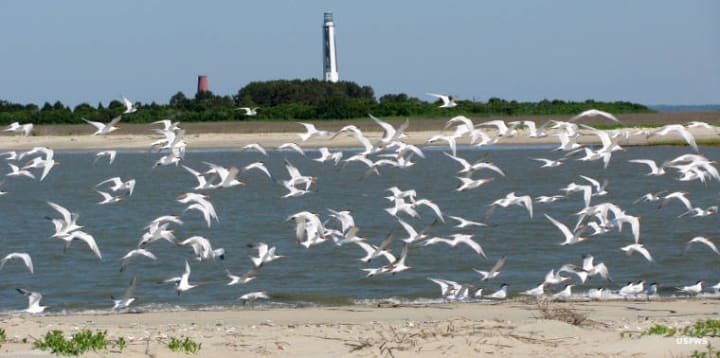
Cape Romain National Wildlife Refuge is located in Awendaw. Basically, the area remains almost the same as it was in the days of the Sewee Indians who fished and hunted here and the days of the pirates who liked the maze of waterways. The refuge extends 22 miles along South Carolina’s Atlantic coast and encompasses 66,267 acres of barrier islands, salt marshes, intricate coastal waterways, long sandy beaches, fresh and brackish water impediments, and maritime forest. This makes it an ideal environment for such endangered species as the pelican and loggerhead turtle.
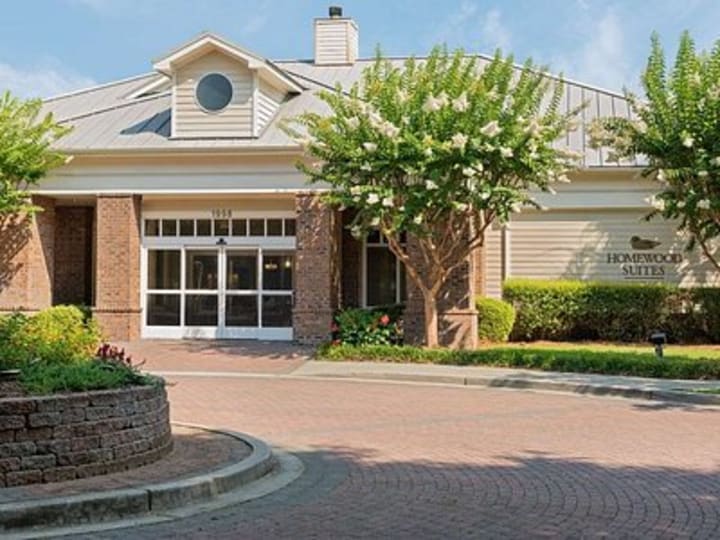
At the visitor center at Moores Landing, one can get a bird list of the 262 species found here plus 76 that are considered rare. Wildlife frequently seen include white-tailed deer, southern fox squirrels, and raccoons.
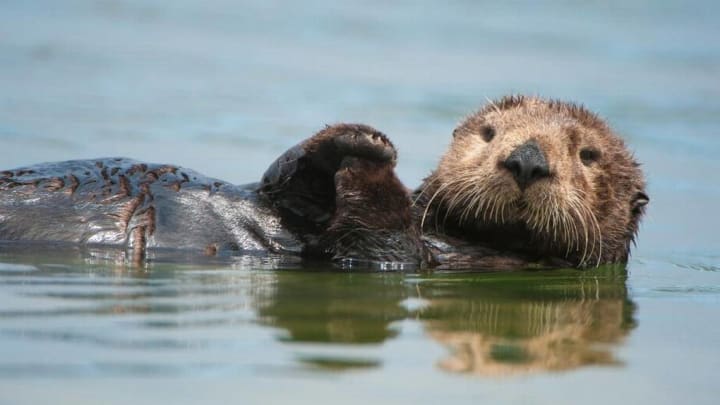
One can catch sight of river otters or dolphins cruising along the creeks and bays. Alligators should be kept an eye out for and the poisonous snakes of the area such as cottonmouths and copperheads.
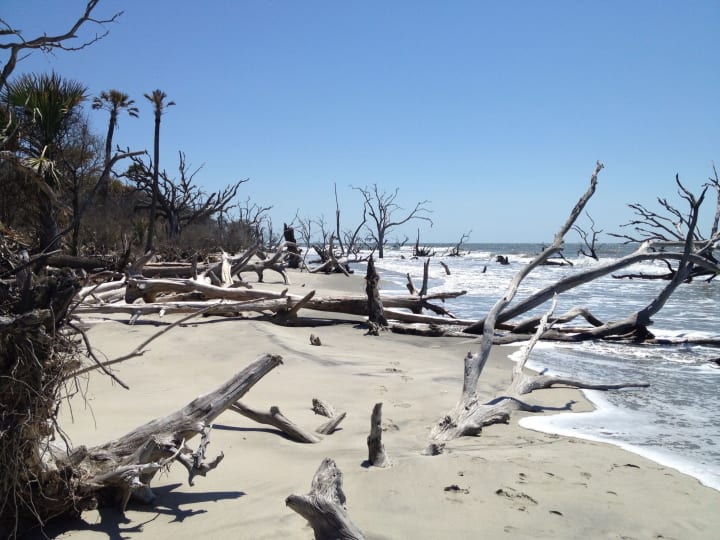
The focal point for visitors is Bull Island. A two-mile trail with informative plaques leads through a lush forest of live oaks, magnolias, and loblolly pines. Shrubs include cabbage palmetto, wax myrtle, and holly. There is also a fine beach and fishing is available. In the ponds, one may catch largemouth bass and bream. Surf fishermen try for channel bass. Access to Bull Island is by ferry from Moore’s Landing. Currently, the refuge is actively working to aid the recovery of the threatened Loggerhead Sea Turtle, a frequent summertime visitor to the refuge’s beaches.
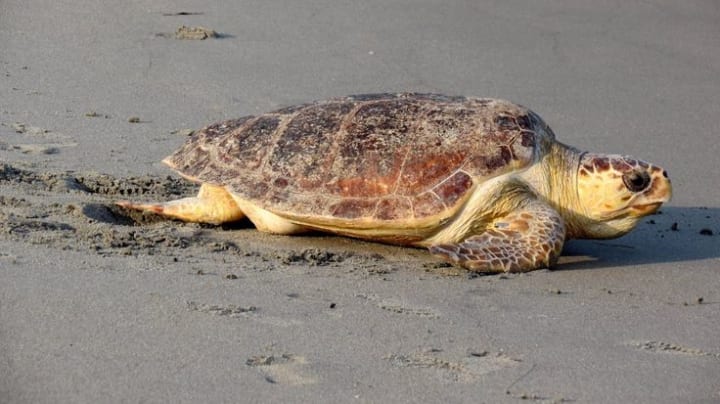
On Bull Island and Cape Island Loggerhead Sea Turtles lay their eggs and shorebirds nest on the refuge. Lighthouse Island’s two lighthouses are no longer operational but stand as historic sentinels to the past.
About the Creator
Rasma Raisters
My passions are writing and creating poetry. I write for several sites online and have four themed blogs on Wordpress. Please follow me on Twitter.
Keep reading
More stories from Rasma Raisters and writers in Wander and other communities.
Charming Charleston
Welcome to Charleston, a port city in South Carolina. It is known for its cobblestone streets, horse-drawn carriages and antebellum houses. The heroine of the classic novel “Gone With the Wind” Scarlett had relatives in this city and simply adored it.
By Rasma Raistersabout a year ago in Wander
Merzouga, Morocco Golden Dunes by Morocco Family Vacation
Standing at the edge of the Sahara in Merzouga, watching golden dunes stretch endlessly into the horizon, I realized this was one of those rare travel moments that stays with you forever especially when you experience it with your children.
By Ariel Cohen2 days ago in Wander



Comments (1)
As a Carolina (South) girl, I have visited many of these sites though the tri-county Charleston, Berkeley, and Dorchester areas are my home stomping grounds. This article was great and highlighted many of the areas South Carolina has to offer. Still, all in all, I would go to the historic Holy City (Charles Towne - founded in 1692 as one of the original 13 colonies) The history it offers is massive and the beaches on its outskirts are worth the visit.