
Exploring Brasilia
The capital of the South American country of Brazil

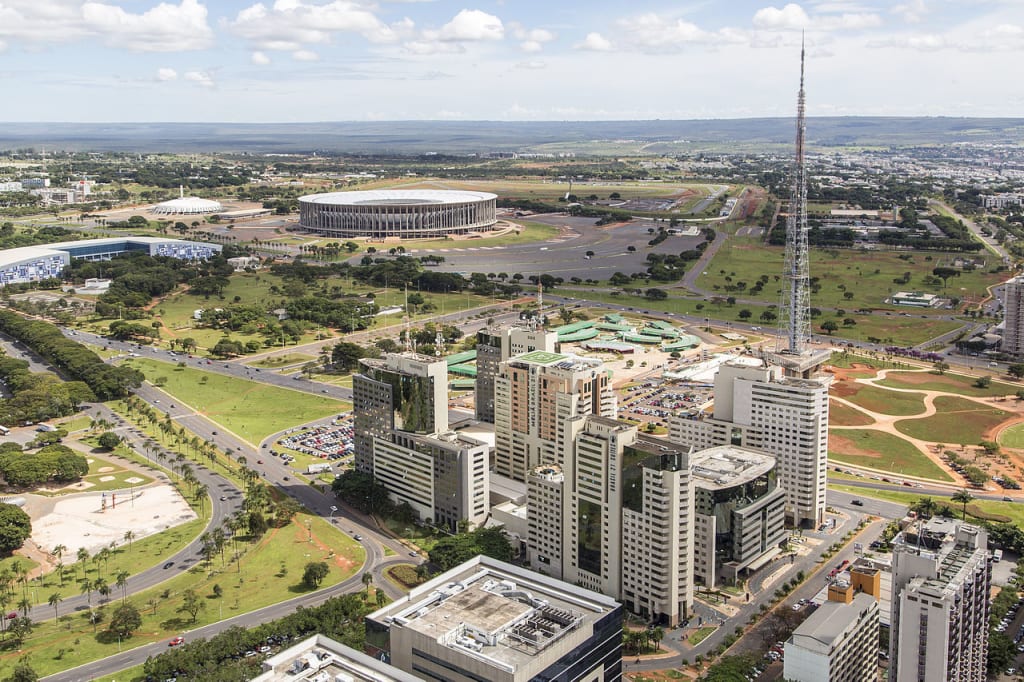
Brasilia succeeded Rio de Janeiro as the capital of Brazil in 1960. The city was built in less than three years and is located in the center of Brazil to help open up the western part of the country to tourism. The creative city planning was the work of Lucio Costa and Oscar Niemeyer with avant-garde architecture.
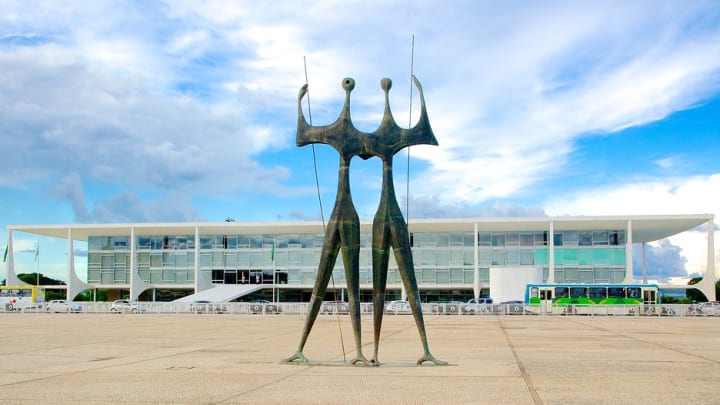
Praca dos Tras Poderes or Square of the Three Powers is surrounded by many government buildings.
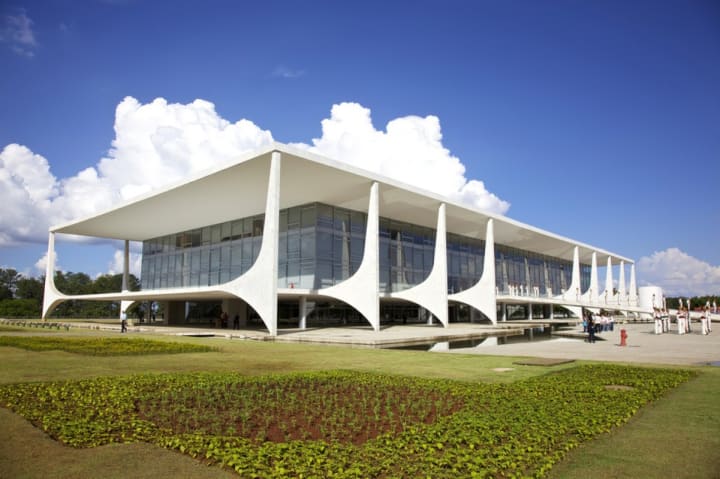
The Palacio do Planalto - the official residence of the President.
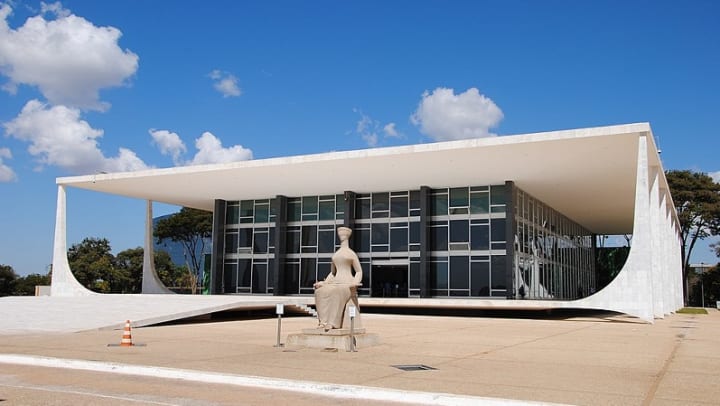
The Supremo Tribuanl Federal – the Supreme Court.
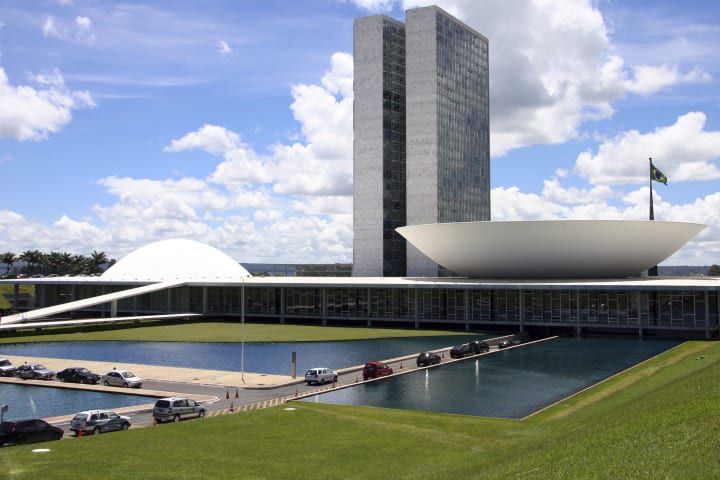
The Congresso Nacional or National Congress is another landmark of modern architecture. These are a pair of buildings that house the Chamber of Deputies of Brazil (lower house) and the Senate. There is a broad lawn with a reflecting pool. Inside are exhibits among them a Tunnel of Time. You can get English-speaking guides.
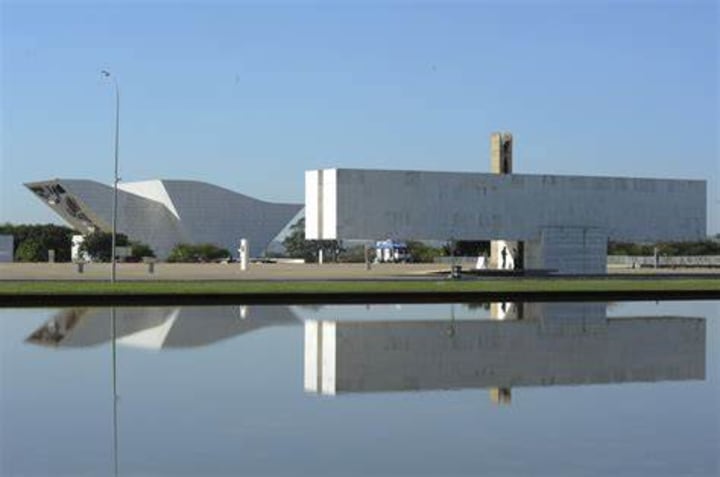
Also around this square, you’ll find the Panteao da Liberdade or Pantheon of Freedom which honors the rebels of the Inconfidancia Mineira of 1789, and President Tancredo Neves, who died in 1985.
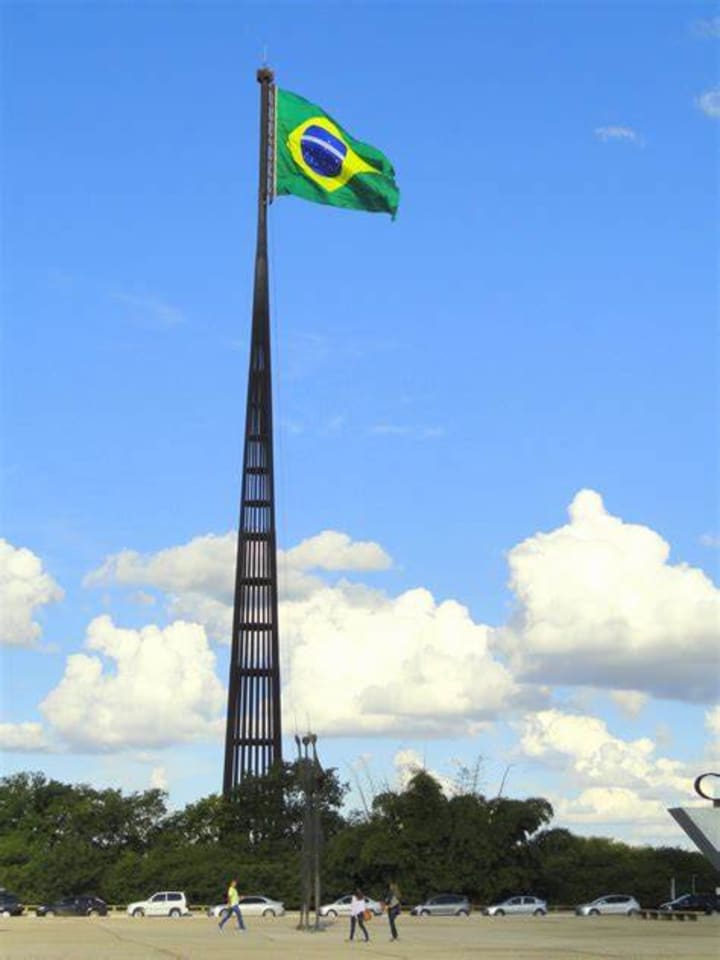
The Mastro da Bandeira is a 91-meter flagpole from which flies a 73-meter Brazilian flag.
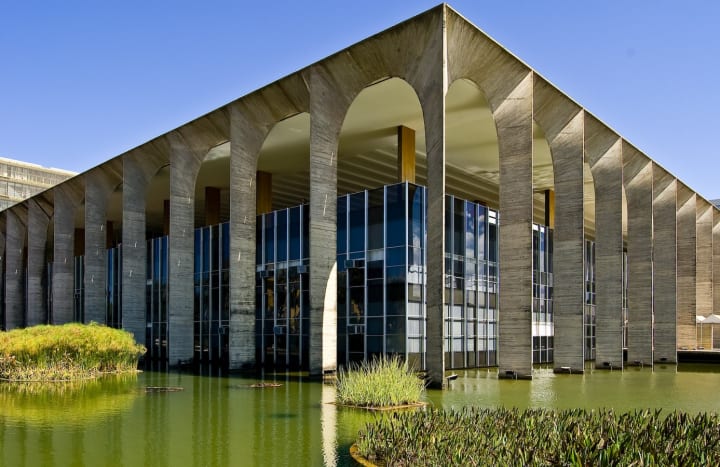
The Palacio dos Arcos is also known as the Palacio Itamaraty and houses the Foreign Ministry. It is an impressive building with a long line of symmetrical arches that rise above a reflecting pool. All around are lovely gardens. The interior is spaciously decorated and surrounds a semi-roofed courtyard with a garden. The building is open to the public.
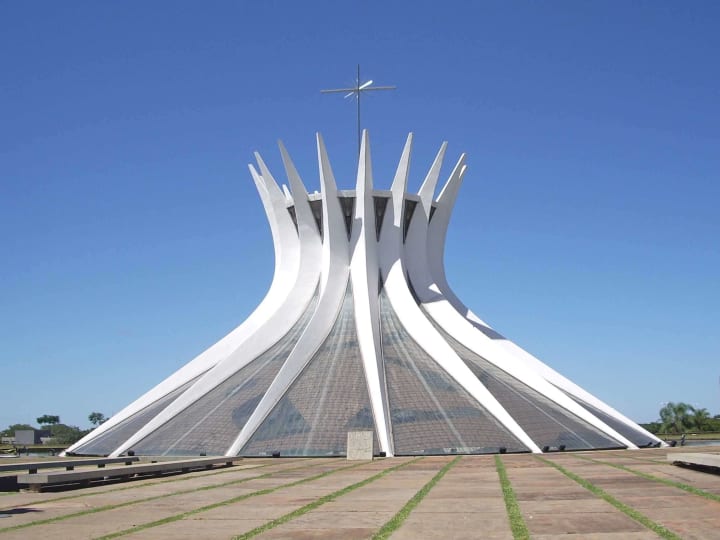
Catedral Metropolitana Nossa Senhora Aparecida is the city’s most famous landmark. This is a unique circular cathedral completed in 1970. It has 16 curved concrete columns that rise up, creating a crown that surrounds a glass roof. Outside are four large statues that represent the Four Evangelists.
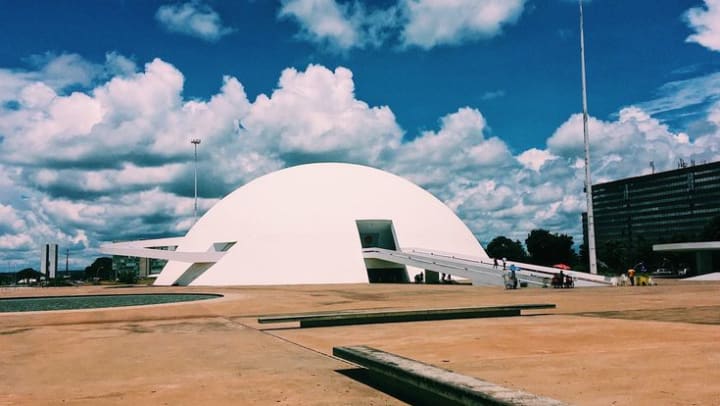
The Museum of Indigenous People offers an amazing collection of native Brazilian art and artifacts that lets visitors look into the pre-colonial native culture and the living traditions of Brazil’s indigenous people today. You can see artwork created especially for the museum in a collection that is considered to be one of the best in South America. This unusual round building was patterned after a traditional Yanomamo roundhouse. The museum shop has wonderful handmade native crafts.
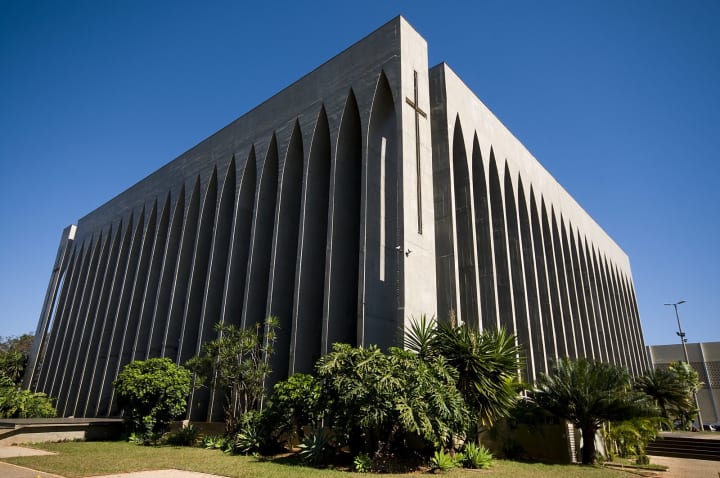
The church of Sao Joao Bosco is dedicated to the 19th-century Italian priest canonized in 1934, whose vision of the foundation of a Utopian capital city in the New World near the 15th parallel is considered to be the inspiration for Brasilia. The church is a square building with 40 tall pointed arches, framing tall stained glass windows in various shades of blue. The windows make up most of the walls and a huge chandelier is made up of over 7,000 pieces of Murano glass. Over the altar is a large cedar Crucifix which Gotfredo Tralli carved from a single tree.
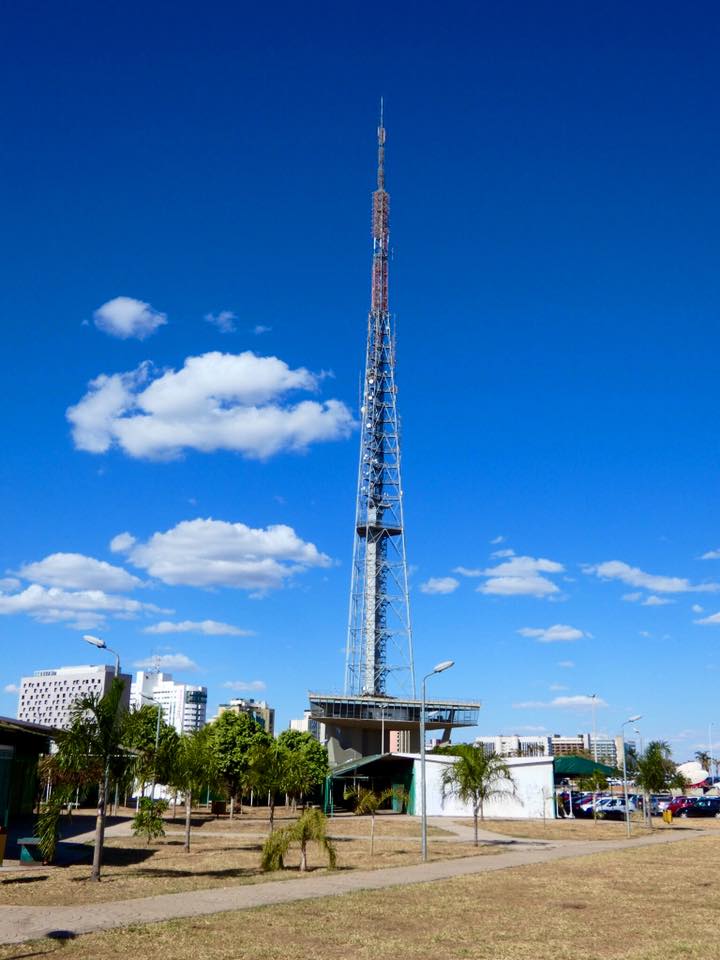
The Brasilia TV Tower rises 224 meters into the sky. From the observation deck at 74 meters, you can get fantastic views of the city. It is open to the public free every day and at its base on Sundays is a craft market.
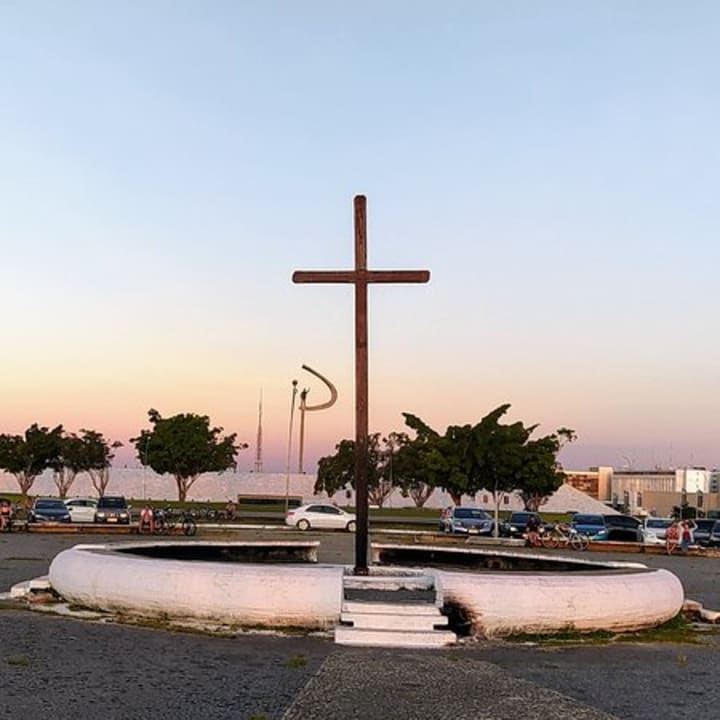
On Praca do Cruzeiro is a dramatic monument as a memorial to the founder of Brasilia, President Juscelino Kubitschek. Here is also Kubitschek's tomb and a museum devoted to him. The monument includes interesting exhibits on the city, construction photography, and other material, illustrating Brasilia’s history. You can find artwork by contemporary sculptors around the monument.
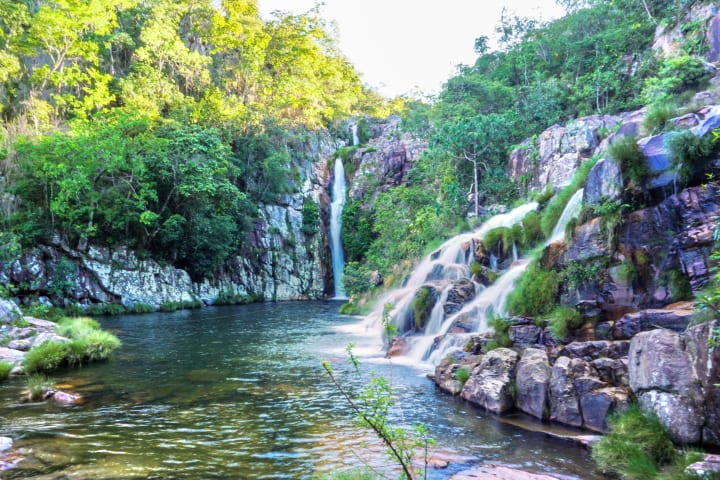
The Brasilia National Park stretches for 28,000 hectares in the northwest part of the city. It protects many different environments.
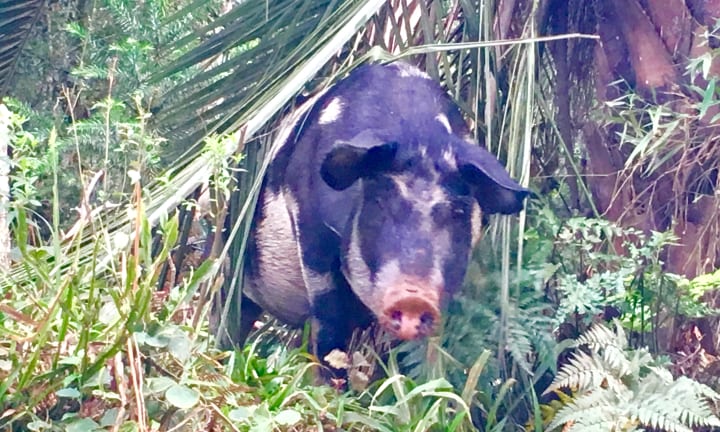
The area streams from Lake Santa Maria, supplying Brasilia with drinking water. Its mineral springs are one of the park’s biggest attractions. The park also protects varied flora and fauna among them many different species of birds, rheas, wild pigs, giant armadillos, capybaras, pampas deer, rare manned wolves, jaguars, caimans, anacondas, and other snakes. There are two main walking trails that take you through lush forests. You can also choose to soak in one of the two mineral pools.
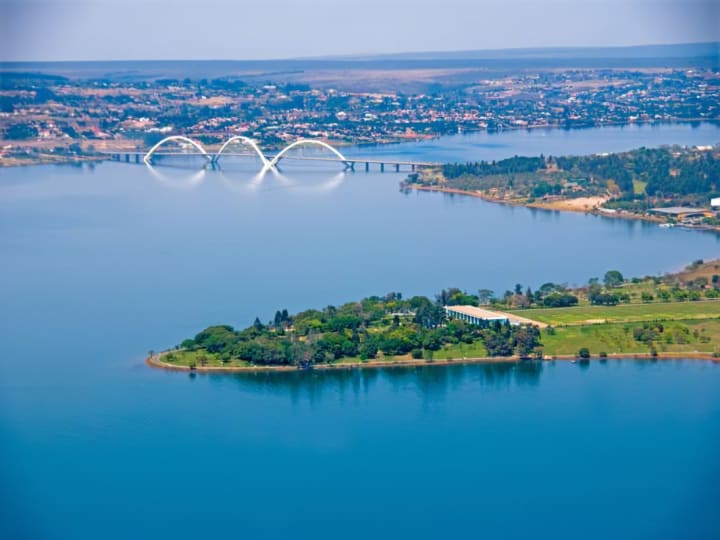
On the east side of the city, the Rio Paranoa has been dammed to form a large lake, Lago do Paranoa. The shore is lined with embassies and consulates, sports clubs, restaurants, the University, the Olympic Center, and the Palacio da Alvorada.
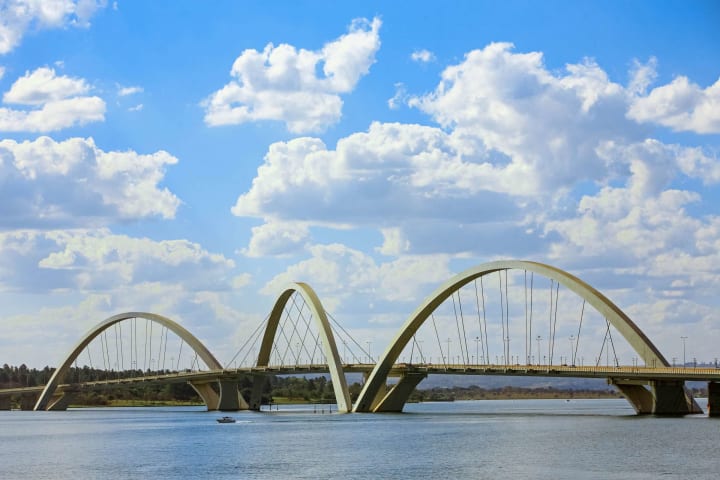
The Ponte Juscelino Kubitschek better known as Ponte JK is a concrete and steel bridge stretching across the lake, supported by three crisscrossing arches, towering over 60 meters above the water. Since its completion in 2002, the bridge has received several architectural awards. At night it is accented by floodlights.
About the Creator
Rasma Raisters
My passions are writing and creating poetry. I write for several sites online and have four themed blogs on Wordpress. Please follow me on Twitter.
Keep reading
More stories from Rasma Raisters and writers in Wander and other communities.
Kathmandu in the Kathmandu Valley
Nepal is a landlocked country in South Asia that is officially known as the Federal Democratic Republic of Nepal. The official language is Nepali. The nation’s capital and largest city is Kathmandu. Several hundred years ago it was one of three rival royal cities, along with Bhaktapur and Patan. They are in close proximity one to the other and today they almost run together.
By Rasma Raisters2 years ago in Wander
Weather in Morocco in July By Morocco Family Vacation
When we planned our family trip to Morocco, July wasn’t my first choice. Like most parents, I worried about the heat especially with kids. I pictured endless sun, cranky afternoons, and constant searching for shade. But our schedule left us with July, so we adjusted our expectations and planned carefully.
By Ariel Cohenabout 16 hours ago in Wander
Coastal Series: Part I (Washington State)
Washington does not introduce its coastline. It lets you find it... There’s no sudden reveal, no postcard moment engineered for the windshield. The coast arrives gradually, in pieces... Through rain-darkened trees, through logging towns that never rebranded themselves, through long stretches of road where the radio fades, and the sky lowers itself closer to the ground.
By The Iron Lighthouse7 days ago in Wander
Miss Persephone's Manual to a Seemingly Ordinary Life
Miss Persephone was found at the dining table, her blue eyes swollen, her tears arriving and retreating like the tides of the ocean. Earlier that day, her family had visited her in the retirement home where she had lived for eight years. It was her eightieth birthday.
By Imola Tóth4 days ago in Fiction


Comments
There are no comments for this story
Be the first to respond and start the conversation.