
Everest Base Camp Trek Guide: Everything You Need to Know
Everest Base Camp Trek Guide

The Everest Base Camp (EBC) trek is one of the most famous trekking journeys in the world. It’s a bucket-list adventure for many, offering stunning mountain views, rich Sherpa culture, and the thrill of walking to the base of the world’s tallest mountain. If you’re planning to embark on this iconic trek, this guide will help you prepare.
Why Choose the Everest Base Camp Trek?
The EBC trek is a once-in-a-lifetime experience. The journey not only offers breathtaking views of towering peaks like Everest, Lhotse, and Ama Dablam but also takes you through Sagarmatha National Park, a UNESCO World Heritage Site. Along the way, you’ll visit traditional Sherpa villages, Buddhist monasteries, and vibrant towns like Namche Bazaar.
This trek is more than just about reaching the destination; it’s about immersing yourself in the serene beauty of the Himalayas and experiencing the warm hospitality of the Sherpa people.
Key Highlights of the Trek
Majestic Mountain Views: Get up-close views of Everest, Nuptse, and other peaks.
Kala Patthar: The best viewpoint for sunrise or sunset over Everest.
Sherpa Culture: Learn about the traditions of the legendary Sherpa community.
Tengboche Monastery: A spiritual stop with panoramic mountain views.
Sagarmatha National Park: A haven for unique Himalayan flora and fauna.
Best Time to Go
The two best seasons for the Everest Base Camp trek are:
Autumn (September to November): Clear skies, stable weather, and ideal trekking conditions.
Spring (March to May): Warm weather, blooming rhododendrons, and colorful landscapes.
Winter (December to February) is colder but offers solitude, while the monsoon season (June to August) is wet and risky due to slippery trails.
How Long Does the Trek Take?
The trek usually takes 12 to 14 days, starting and ending with a flight to Lukla. Here’s a typical itinerary:
Day 1: Flight from Kathmandu to Lukla, trek to Phakding.
Day 2: Trek to Namche Bazaar.
Day 3: Acclimatization day in Namche Bazaar.
Day 4: Trek to Tengboche.
Day 5: Trek to Dingboche.
Day 6: Acclimatization day in Dingboche.
Day 7: Trek to Lobuche.
Day 8: Trek to Gorak Shep and visit Everest Base Camp.
Day 9: Hike to Kala Patthar, then descend to Pheriche.
Day 10–12: Return to Lukla and fly back to Kathmandu.
This itinerary allows time for proper acclimatization to avoid altitude sickness.
Is the Trek Difficult?
The EBC trek is moderately challenging. You’ll walk 5–7 hours daily, with some steep ascents, rocky trails, and high-altitude conditions. While it’s not a technical climb, good physical fitness and mental endurance are essential. With proper preparation, even beginners can successfully complete the trek.
What Permits Do You Need?
You’ll need two permits for the Everest Base Camp trek:
Sagarmatha National Park Entry Permit
Khumbu Pasang Lhamu Rural Municipality Permit
Both permits can be arranged by your trekking agency or purchased in Kathmandu or Monjo.
What to Pack
Packing the right gear is crucial for the trek. Here’s a quick checklist:
Clothing: Warm layers, a down jacket, trekking pants, gloves, and waterproof gear.
Footwear: Sturdy, broken-in trekking boots.
Gear: Trekking poles, a sleeping bag (rated for -10°C), a headlamp, and a daypack.
Essentials: Sunscreen, lip balm, sunglasses, water purification tablets, and a first aid kit.
Snacks: High-energy bars, nuts, and chocolates.
Pack light but ensure you have all the essentials, as you’ll be carrying your own bag (or hiring a porter).
Accommodation and Food
Teahouses along the trail provide basic accommodation and meals. Rooms are simple, with twin beds and shared bathrooms. Meals include dal bhat (rice and lentils), noodles, soups, momos, and even pizza. Hot showers and Wi-Fi are available for a small fee in most villages.
Altitude Sickness and Acclimatization
Altitude sickness is a serious concern on the EBC trek as you ascend above 5,000 meters. Common symptoms include headaches, nausea, and shortness of breath. To prevent it:
Ascend gradually and follow acclimatization days.
Stay hydrated and avoid alcohol.
Be aware of your body and inform your guide if symptoms worsen.
The highest point of the trek is Kala Patthar (5,545 meters), offering spectacular views of Everest.
Cost of the Trek
The Everest Base Camp trek costs around $1,200–$2,000 per person, depending on the level of service and amenities you choose. Costs typically include:
Domestic flights (Kathmandu–Lukla).
Trekking permits.
Guide and porter fees.
Accommodation and meals during the trek.
Guided vs. Independent Trek
You can trek independently, but hiring a guide is highly recommended, especially if it’s your first time. A guide ensures your safety, helps with acclimatization, and shares insights into local culture. Hiring a porter can also ease your burden by carrying heavy loads.
Final Tips for Trekkers
Train in Advance: Build your stamina and strength with regular hikes and cardio exercises.
Carry Extra Cash: ATMs are unavailable along the route, and teahouses only accept cash.
Respect Local Culture: Always ask for permission before taking photos of locals or religious sites.
Take It Slow: The trek is about enjoying the journey, not rushing to the destination.
The Everest Base Camp trek is more than just reaching the base of the tallest mountain; it’s a journey of personal growth, cultural discovery, and breathtaking natural beauty. With proper preparation, you’ll make memories to last a lifetime.
So lace up your boots, take a deep breath, and get ready for the adventure of a lifetime
About the Creator
Keep reading
More stories from bright vibes and writers in Wander and other communities.
Baruntse Expedition: A Journey to Adventure and Beauty
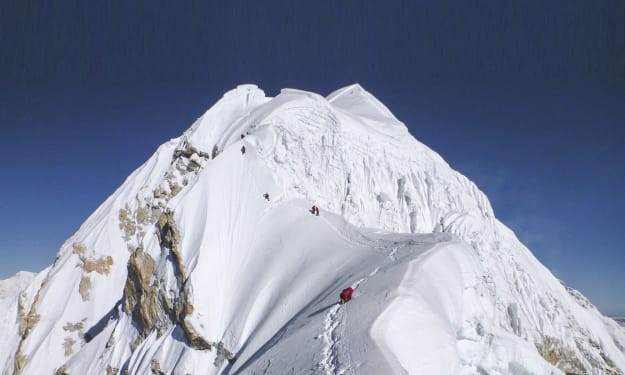
The Baruntse Expedition is an exciting adventure for mountaineers seeking a mix of challenge and stunning Himalayan beauty. Located in eastern Nepal, Baruntse is a 7,129-meter (23,389-foot) peak nestled in the heart of the Himalayas, surrounded by iconic giants like Everest, Lhotse, and Makalu. Despite its altitude, Baruntse is considered a relatively accessible peak, making it a popular choice for climbers aiming to conquer a 7,000-meter mountain.
By bright vibesabout a year ago in Wander
Why Fencing Choices Matter More Than Ever in Saudi Arabia
Fencing Is No Longer Just a Boundary In many construction and infrastructure discussions, fencing is treated as an afterthought—something added at the end to “close the site.” In Saudi Arabia, that mindset no longer works. From industrial zones to residential developments, fencing now plays a direct role in safety, durability, compliance, and even long-term cost control.
By Matco Industry7 days ago in Wander


Comments
There are no comments for this story
Be the first to respond and start the conversation.