
Everest Base Camp Trek 2024: A Complete Guide
This comprehensive guide to the Everest Base Camp Trek for 2024 will provide you with all the essential information you need to prepare for this incredible journey.


The Everest Base Camp (EBC) Trek is one of the most iconic and sought-after treks in the world. It offers adventurers the chance to walk in the footsteps of legendary mountaineers, gaze upon the highest peak on Earth, and experience the rich culture of the Sherpa people. This comprehensive guide to the Everest Base Camp Trek for 2024 will provide you with all the essential information you need to prepare for this incredible journey.
Trek Overview
Location: Khumbu Region, Nepal
Altitude: 17,598 ft (5,364 meters) at Everest Base Camp
Duration: 12-14 days
Trek Distance: Approx. 130 km (round trip)
Difficulty Level: Moderate to Challenging
Best Time to Visit: March to May and September to November
Why Choose the Everest Base Camp Trek?
1. Iconic Status: The Everest Base Camp Trek is one of the most famous trekking routes in the world, attracting adventurers from every corner of the globe. The opportunity to stand at the foot of the world's tallest mountain is a bucket-list experience for many.
2. Breathtaking Scenery: The trek offers unparalleled views of the Himalayas, including Everest, Lhotse, Nuptse, Ama Dablam, and several other majestic peaks. The landscape varies from lush forests and Sherpa villages to barren, high-altitude terrains.
3. Cultural Immersion: The Khumbu region is home to the Sherpa people, renowned for their mountaineering skills and rich cultural heritage. Along the trail, you'll have the chance to visit ancient monasteries, interact with locals, and learn about their way of life.
4. A Test of Endurance: While the trek is achievable for those with moderate fitness, it’s also a test of endurance and determination. The high altitudes and challenging terrain make the journey rewarding and transformative.
Day-by-Day Itinerary
Day 1: Arrival in Kathmandu
Explore Kathmandu: Spend the day exploring the vibrant city of Kathmandu, visiting UNESCO World Heritage sites like Swayambhunath (Monkey Temple) and Pashupatinath Temple.
Trek Preparation: Finalize your trekking permits and gear. Overnight in Kathmandu.
Day 2: Fly to Lukla and Trek to Phakding
Flight to Lukla: A thrilling 30-minute flight from Kathmandu brings you to Lukla, the gateway to the Everest region.
Trek to Phakding: A short trek of 3-4 hours to the village of Phakding, descending through forests and crossing suspension bridges.
Overnight Stay: Teahouse in Phakding.
Day 3: Trek to Namche Bazaar
Trek to Namche Bazaar: The trail continues along the Dudh Koshi River, passing through pine forests and villages. After crossing several suspension bridges, you’ll climb steeply to Namche Bazaar, the main trading hub of the Khumbu region.
Acclimatization: The ascent to Namche (11,286 ft) marks the start of your acclimatization process.
Overnight Stay: Teahouse in Namche Bazaar.
Day 4: Acclimatization Day in Namche Bazaar
Explore Namche: Spend the day acclimatizing by exploring Namche Bazaar. Visit the local markets, the Sherpa Museum, and nearby viewpoints like the Everest View Hotel for your first glimpse of Everest.
Overnight Stay: Teahouse in Namche Bazaar.
Day 5: Trek to Tengboche
Trek to Tengboche: The trek to Tengboche (12,687 ft) offers stunning views of Ama Dablam and Mount Everest. The trail passes through rhododendron forests and crosses the Imja Khola before reaching the Tengboche Monastery, the spiritual center of the region.
Overnight Stay: Teahouse in Tengboche.
Day 6: Trek to Dingboche
Trek to Dingboche: The trail gradually ascends through the Imja Valley, with spectacular views of Lhotse, Nuptse, and Island Peak. Dingboche (14,470 ft) is a popular acclimatization stop for trekkers.
Overnight Stay: Teahouse in Dingboche.
Day 7: Acclimatization Day in Dingboche
Explore Dingboche: Another acclimatization day, allowing your body to adjust to the high altitude. Optional hikes include Nagarjun Hill for panoramic views.
Overnight Stay: Teahouse in Dingboche.
Day 8: Trek to Lobuche
Trek to Lobuche: The trek to Lobuche (16,207 ft) takes you through high-altitude terrain with views of massive glaciers and towering peaks. The trail passes through Thukla Pass, where a memorial for climbers who lost their lives on Everest is located.
Overnight Stay: Teahouse in Lobuche.
Day 9: Trek to Gorak Shep and Everest Base Camp
Trek to Gorak Shep: A short trek brings you to Gorak Shep, the last village before Everest Base Camp.
Everest Base Camp: After dropping your bags at the teahouse, continue to Everest Base Camp (17,598 ft). The trek is challenging but incredibly rewarding as you stand at the foot of Mount Everest.
Return to Gorak Shep: After spending time at Base Camp, return to Gorak Shep for the night.
Overnight Stay: Teahouse in Gorak Shep.
Day 10: Hike to Kala Patthar and Trek to Pheriche
Kala Patthar Hike: An early morning hike to Kala Patthar (18,192 ft) offers the best views of Everest and the surrounding peaks at sunrise.
Trek to Pheriche: After returning to Gorak Shep, descend to Pheriche, a small settlement known for its health post for trekkers.
Overnight Stay: Teahouse in Pheriche.
Day 11: Trek to Namche Bazaar
Return Trek: Retrace your steps back to Namche Bazaar, enjoying the easier downhill terrain and the familiar landscapes.
Overnight Stay: Teahouse in Namche Bazaar.
Day 12: Trek to Lukla
Final Trek: The last day of trekking brings you back to Lukla, where you can celebrate the completion of your journey.
Overnight Stay: Teahouse in Lukla.
Day 13: Fly Back to Kathmandu
Return Flight: A morning flight back to Kathmandu marks the end of the trekking adventure. Spend the rest of the day relaxing or exploring Kathmandu.
Overnight Stay: Hotel in Kathmandu.
Day 14: Departure
Fly Home: Depart from Kathmandu, taking with you unforgettable memories of the Everest Base Camp Trek.
Best Time to Trek
The best time to embark on the Everest Base Camp Trek is during the pre-monsoon (March to May) and post-monsoon (September to November) seasons. These periods offer stable weather, clear skies, and the best views of the mountains. Spring (March to May) also brings blooming rhododendron forests, while autumn (September to November) provides crisp air and vibrant landscapes.
Essential Tips for the Trek
Physical Preparation: The trek requires good physical fitness due to its high altitude and long days of walking. Engage in regular cardio and strength training exercises in the months leading up to the trek.
Proper Acclimatization: Altitude sickness is a significant risk on this trek. Ensure you acclimatize properly by taking rest days and staying hydrated.
Pack Light: Pack only the essentials, as you'll be carrying your gear for several hours each day. A good pair of trekking boots, warm clothing, and a quality sleeping bag are must-haves.
Trekking Permits: You’ll need a TIMS (Trekkers' Information Management System) card and a Sagarmatha National Park entry permit. These can be arranged through your trekking agency or independently in Kathmandu.
Travel Insurance: Make sure you have comprehensive travel insurance that covers high-altitude trekking and emergency evacuation.
Cultural Highlights
Tengboche Monastery: One of the most significant monasteries in the region, Tengboche Monastery is a spiritual highlight of the trek. It’s an excellent place to learn about Tibetan Buddhism and the Sherpa culture.
Sherpa Villages: Villages like Namche Bazaar, Dingboche, and Lobuche offer insights into the Sherpa way of life. Interacting with locals and learning about their customs is a rewarding experience.
Everest Viewpoints: Aside from the Base Camp itself, Kala Patthar is the most famous viewpoint for up-close views of Mount Everest and the surrounding peaks.
Conclusion
The Everest Base Camp Trek is more than just a trekking journey; it’s a pilgrimage to the heart of the Himalayas. For 2024, the trek promises not only breathtaking scenery and physical challenges but also a deep cultural experience. Whether you’re an experienced trekker or someone looking to embark on your first Himalayan adventure, the Everest Base Camp Trek is a life-changing journey that will leave you with lasting memories. Prepare well, respect the mountains, and enjoy the trek of a lifetime!
About the Creator
sunil choudhary
Sunil is an adventurous soul and an avid travel writer with a passion for exploring the world's most captivating landscapes. With a background in geography and a deep love for the outdoors
Connect with me on Instagram : @burisunil25
Keep reading
More stories from sunil choudhary and writers in Wander and other communities.
Pangarchula Trek: A Complete Guide for 2024
The Pangarchula Trek is a hidden gem nestled in the Garhwal Himalayas of Uttarakhand, offering an adventurous escape for trekkers looking for stunning views, challenging terrains, and a mix of everything that the Himalayas have to offer. This trek is known for its diverse landscapes, ranging from dense forests to alpine meadows, and culminates with the ascent to the Pangarchula Peak, which provides panoramic views of some of the highest peaks in India. Here’s a detailed guide to the Pangarchula Trek for 2024.
By sunil choudharyabout a year ago in Wander
Why Hanifaru Bay is a Dream Destination for Marine Life Enthusiasts
Hanifaru Bay, situated in the Baa Atoll in the Maldives, is one of the earth's most bizarre protected marine areas. This protected zone has a special reputation for the annual visitation of mantas and whale sharks and provides a chance for a nature enthusiast to explore the wonders of the ocean.
By ameliarosanna4 days ago in Wander
A Mountain Overture Beneath the Alps
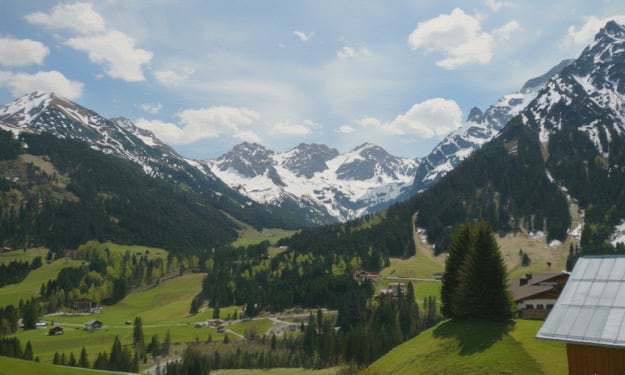
I met this mountain feast at dawn, the moment I pushed open the window. The wind rushed in, carrying the damp scent of pine needles and fresh grass. Lifting my eyes, I saw the Alps stretching their boundless arms in the morning light. The distant peaks wore crowns of silver, their snow gleaming with a sacred glow beneath the rising sun. Dark gray mountain faces, like ancient books worn smooth by time, stood in silent devotion, bearing this purity upon their backs.
By CeeCee Yan3 days ago in Wander


Comments
There are no comments for this story
Be the first to respond and start the conversation.