
Dudhsagar Trek: An Adventurer’s Journey to Goa’s Hidden Gem
Dudhsagar was a reminder of how small we are compared to nature’s might, and how refreshing it feels to surrender to it.
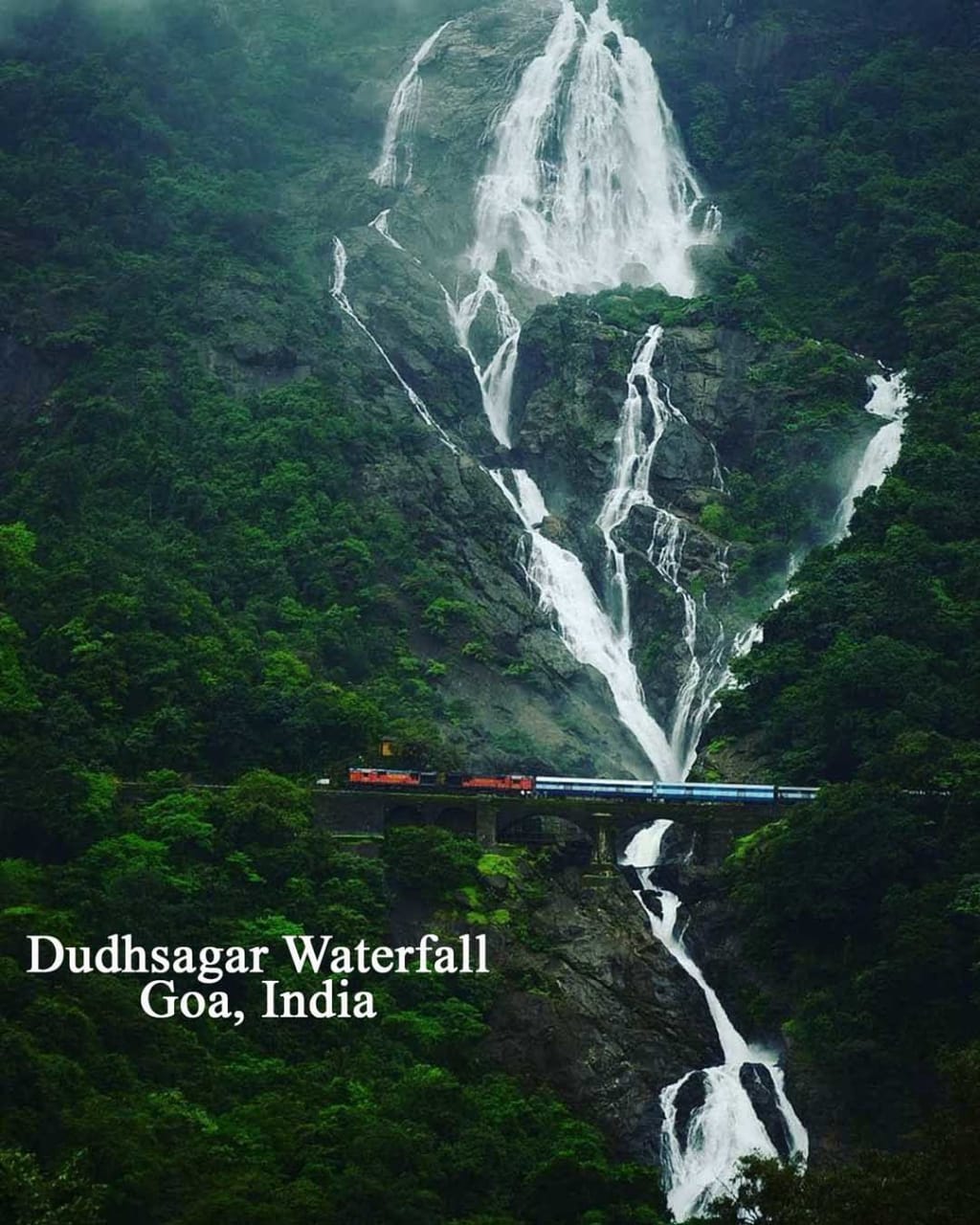
There’s a side of Goa that few travelers know about—beyond the beaches, nightlife, and shacks lies an untamed wilderness where the Dudhsagar Waterfalls thunder down from the Western Ghats. And the best way to witness its glory? Through the Dudhsagar Trek, a journey that blends adventure, raw beauty, and moments of pure awe.
When I set out on this trek, I thought it would just be about reaching the waterfall. But what I discovered was that the trails themselves were full of stories—railway tracks cutting through tunnels, streams splashing across rocks, and the forest humming with life.
The Legend and Charm of Dudhsagar
“Dudhsagar” means Sea of Milk, and legends say the falls got their name when a princess once poured milk down the cliffs to protect her modesty. Standing before it today, you’ll see why the name fits perfectly. The water cascades in layers, foaming white, creating the illusion of milk flowing endlessly.
At over 310 meters high, Dudhsagar is among India’s tallest waterfalls, and trekking to its base offers an experience far richer than just a casual sightseeing trip. It’s the kind of journey that makes you forget about time and lose yourself in nature.
When to Go: The Best Season for Dudhsagar Trek
The season you choose defines your experience at Dudhsagar.
Monsoon (June–September): The falls are at their fiercest. Trekking is tough, trails are muddy, and leeches are common. But the sight is unparalleled.
Post-Monsoon (October–February): The most recommended time. Pleasant weather, lush greenery, and strong water flow make it ideal for both beginners and seasoned trekkers.
March–May: The waterfall weakens, and the heat can be draining. Not the best season unless you prefer solitude.
For the perfect balance of thrill and safety, aim for October to January.
Reaching Dudhsagar: Routes and Options
Dudhsagar is tucked deep inside the Bhagwan Mahaveer Wildlife Sanctuary, so getting there is half the adventure.
By Train: From Kulem (Goa) or Castle Rock (Karnataka). Some trains halt briefly at Dudhsagar, but don’t rely on this—start your trek from the stations instead.
By Road: From Goa, Kulem is about 60 km away. From Bangalore, it’s roughly 560 km—many travelers combine it with a Goa road trip.
By Jeep Safari: Available from Kulem in the dry season. The bumpy jeep ride through the forest takes you straight to the base of the falls.
Trekking Trails to Dudhsagar
There are two primary trekking routes, each offering a unique adventure:
Kulem to Dudhsagar (12 km one way):
A scenic trail along railway tracks, passing through tunnels and forests. Moderate in difficulty, popular with first-timers.
Castle Rock to Dudhsagar (14 km one way):
Longer, slightly tougher, but with the thrill of walking through multiple tunnels and unspoiled greenery.
Both routes offer stunning views, but the choice depends on whether you want a shorter, busier trek or a longer, quieter one.
My First-Hand Trekking Experience
I chose the Castle Rock trail for its wilderness appeal. The early morning mist hung low as we started walking, and soon we were surrounded by thick forest. Every tunnel we entered felt like a portal into another world—dark, echoing, and mysterious.
The moment that still gives me goosebumps was when I finally heard the distant roar of Dudhsagar. After hours of walking, the forest suddenly opened up, and there it was—a colossal waterfall crashing down in front of me, spraying mist across the valley.
The scene was surreal. The water thundered so loudly that conversation became impossible. I just sat there, drenched in the mist, watching the endless stream of white water and feeling grateful for every step of the trek.
Things You Should Know Before You Go
A little preparation can make your Dudhsagar trek much more enjoyable:
Good Shoes: Trails and tracks can be slippery, especially in the monsoon.
Carry Essentials: Water, light snacks, and a torch for tunnels.
Stay Alert: Trains do pass, so always walk on the side and listen carefully.
Permits: The forest entry fee or jeep safari costs around ₹400–₹500.
Safety Tip: Travel in a group if possible. The forest is vast and can feel isolated.
Budgeting Your Trip
One of the best things about the Dudhsagar Trek is that it doesn’t demand a big budget.
From Goa: Around ₹1500–₹2500, including travel, permits, and meals.
From Bangalore: ₹4000–₹6000 for a weekend trip, covering train/road transport, food, and stay.
Jeep Safari: ₹400–₹500 per head, available only post-monsoon.
For a waterfall trek of this scale, it’s incredibly affordable.
Nearby Places to Explore
Dudhsagar is best enjoyed as part of a longer trip. Here are a few places worth adding to your itinerary:
Tambdi Surla Temple: An ancient temple with intricate stone carvings hidden in the forest.
Mollem National Park: A biodiversity hotspot where you might spot exotic birds and wildlife.
Goa Beaches: After trekking, there’s nothing better than relaxing on Palolem or Colva beach.
Final Reflections
The Dudhsagar Trek isn’t just about reaching a waterfall—it’s about the journey that leads you there. Every tunnel you cross, every step on the railway tracks, every stream you hop across, builds up to that final breathtaking sight of the “Sea of Milk.”
For me, Dudhsagar was a reminder of how small we are compared to nature’s might, and how refreshing it feels to surrender to it. If you’re looking for an adventure that combines thrill, beauty, and soul-stirring moments, Dudhsagar should be next on your list.
So lace up your shoes, pack light, and set out—because Dudhsagar is waiting to drench you in its mist and magic.
About the Creator
Rohit SEN
Hey! Come along with me to explore beautiful places, learn about different cultures, and share my adventures. Let's Explore together! From a travel lover!
Worth the Wait: Puerto Viejo, Costa Rica
Beach bumming in a small Caribbean beach town sounded like a perfect way to end our 6-month trip through Mexico and Central America. Or so we thought. The foul, fishy stench of rotten seaweed hit our nostrils as we stepped from the cramped bus and looked out at a rather depressing, empty, and underwhelming black sand beach. It was pouring with rain, and we had to quickly fish out our ponchos. We thought, this couldn’t be it, could it?
By Sh*t Happens - Lost Girl Travel10 days ago in Wander
The "Alternate Route" Guide: Navigating the 2026 Sri Lanka Transit Shift
For the first two months of 2026, Sri Lanka was the undisputed darling of the global travel scene. The island shattered arrival records, welcoming over 550,000 visitors who flocked to our shores for the T20 World Cup and the blooming hills of the tea country. But as of early March, the "aerial bridge" through the Gulf—the massive transit corridor through Dubai, Doha, and Abu Dhabi that typically carries over a third of our island’s tourists—effectively shifted into a complex logistical puzzle due to regional airspace closures.
By Seth Marshal7 days ago in Wander
Sometimes It's Like That and That'sThe Way It Is
It was the late 1960s, and ten-year-old Gloria Coleman was standing with her grandmother on the side of the highway waiting for the bus. As the Greyhound pulled up, it seemed monstrous and intimidating. Grandma Elizabeth grabbed Gloria's hand, holding it tightly as they boarded.
By Cheryl E Preston3 days ago in Fiction




Comments
There are no comments for this story
Be the first to respond and start the conversation.