
Discover the Peace Pagoda in Darjeeling: A Symbol of Tranquility and Unity
Peace Pagoda Darjeeling: A Tranquil Escape
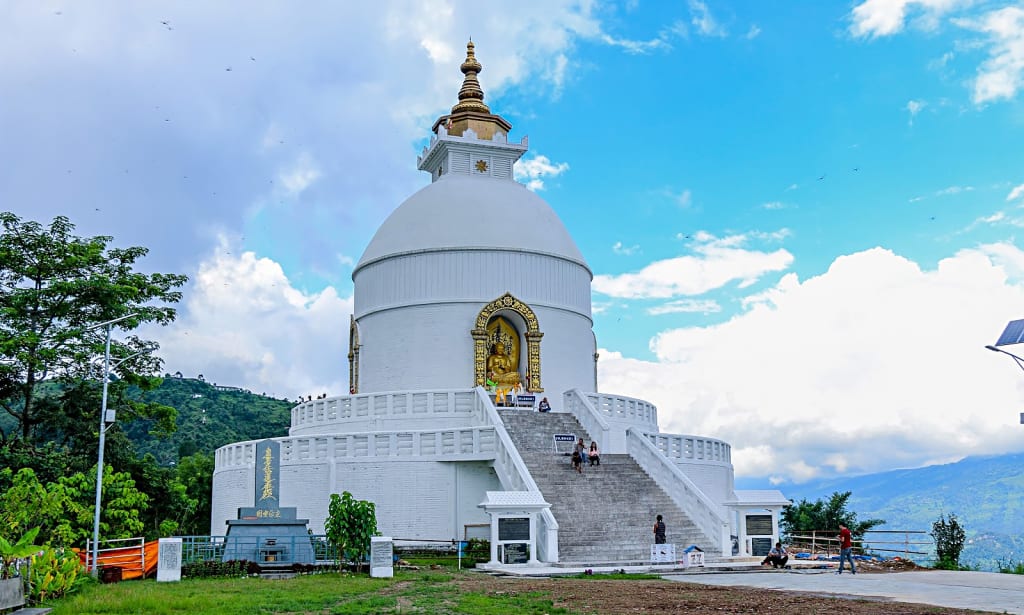
The Peace Pagoda in Darjeeling is one of the most serene and spiritual attractions in the region, offering breathtaking views and a peaceful ambience for visitors. This pagoda, also known as the Japanese Peace Pagoda Darjeeling, is part of a global movement that promotes peace, unity, and non-violence. It was built under the guidance of Nichidatsu Fujii, a Japanese monk, who envisioned the pagoda as a symbol of world harmony. Situated in the lush hills of Darjeeling, the Darjeeling Peace Pagoda stands tall, overlooking the Himalayan peaks, including the majestic Kanchenjunga.
The History of the Peace Pagoda
The Peace Pagoda in Darjeeling is part of a series of pagodas built by the Nipponzan Myohoji organization. This Japanese Buddhist organization, founded by Nichidatsu Fujii in 1947, aimed to spread the message of world peace through the construction of peace pagodas worldwide. Fujii was inspired by the teachings of Mahatma Gandhi, whom he met during a trip to India. Together, they shared a common vision of non-violence, and Fujii believed that the Japanese Peace Pagoda would be a way to unite people across different cultures and faiths.
The Japanese Peace Pagoda Darjeeling was completed in 1992 and has since become a popular tourist destination for both international travelers and local pilgrims. Its architectural beauty, combined with its spiritual significance, makes it one of the most visited sites in Darjeeling.
Architecture and Design of the Peace Pagoda
The Peace Pagoda in Darjeeling is a stunning example of traditional Japanese architecture, standing at 28.5 meters high and 23 meters in diameter. Its pristine white structure, set against the lush green hills and clear blue skies, is a sight to behold. The pagoda is designed in the shape of a stupa, a traditional Buddhist structure that symbolizes the mind of Buddha. The pagoda has four statues of Buddha, each representing different phases of his life: birth, enlightenment, teaching, and death.
The walls of the Darjeeling Peace Pagoda are adorned with intricate carvings depicting various scenes from the life of Buddha. The golden statues inside the pagoda are meticulously crafted and add to the spiritual ambience of the place. Visitors often take a moment to walk around the stupa, reflecting on their thoughts and seeking a sense of inner peace.
The Japanese Peace Pagoda is part of a temple complex that also includes the Japanese Temple, or Nipponzan Myohoji Buddhist Temple, which is located nearby. The temple, like the pagoda, is dedicated to promoting world peace and is a peaceful place for meditation and reflection.
Peace Pagoda Darjeeling Timings
The Darjeeling Peace Pagoda is open to visitors daily. The timings of the Peace Pagoda are as follows:
Summer (March to June): 5:00 AM to 7:00 PM
Monsoon (July to September): 5:00 AM to 6:00 PM
Winter (October to February): 6:00 AM to 5:00 PM
Visitors are encouraged to visit early in the morning or late in the afternoon for a more tranquil experience. The peaceful surroundings of the pagoda make it an ideal location for meditation or simply for enjoying the beauty of the Himalayan landscape.
Spiritual Significance of the Peace Pagoda
The Peace Pagoda in Darjeeling holds significant spiritual value for Buddhists and visitors of other faiths alike. It is a symbol of peace, non-violence, and unity, embodying the values taught by Buddha. The stupa is not only a place of worship but also a space for reflection, where visitors can meditate and contemplate the deeper meanings of life.
The Japanese Peace Pagoda Darjeeling plays a key role in promoting the message of peace, which is central to the teachings of Buddhism. Visitors can participate in prayers and chanting sessions held at the nearby Japanese Temple. These prayers are aimed at invoking peace, both on a personal level and for the world at large.
How to Reach the Peace Pagoda
The Darjeeling Peace Pagoda is located approximately 2.5 kilometres from the main town of Darjeeling. Visitors can either hire a taxi or take a short trek to reach the pagoda. The road leading to the pagoda is lined with beautiful greenery, offering a scenic and peaceful journey. The walk, though slightly uphill, is rewarding with panoramic views of the surrounding hills and valleys.
For those who prefer a more comfortable trip, local taxis and travel agencies offer guided tours that include the Japanese Peace Pagoda and other nearby attractions such as the Batasia Loop and the Japanese Temple. These tours often provide visitors with a comprehensive experience of Darjeeling’s cultural and spiritual landmarks.
Best Time to Visit the Peace Pagoda
The best time to visit the Darjeeling Peace Pagoda is during the summer months (March to June) when the weather is pleasant, and the skies are clear, offering uninterrupted views of the Himalayan range. The monsoon season (July to September) brings heavy rainfall, which can sometimes obstruct the views and make trekking difficult, but the lush greenery during this time can also be quite mesmerizing.
Autumn (October to November) is another great time to visit, as the skies are generally clear, and the air is crisp, making for perfect conditions to view the snow-capped peaks of Kanchenjunga. Winter (December to February) can be cold, but the snow-clad landscape adds a unique charm to the area.
Nearby Attractions
While visiting the Peace Pagoda in Darjeeling, there are several other attractions nearby that are worth exploring:
Japanese Temple: Located adjacent to the Japanese Peace Pagoda, this temple is a peaceful place for meditation and prayer. The chanting sessions, held every day, offer a serene experience for visitors.
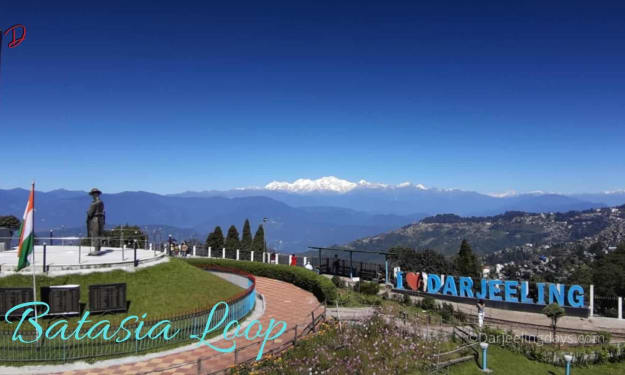
Batasia Loop: A short distance from the pagoda, this famous railway loop offers panoramic views of Darjeeling and the surrounding hills. It is also home to a war memorial dedicated to Gorkha soldiers.
Tiger Hill: Known for its stunning sunrise views over Kanchenjunga and Mount Everest, Tiger Hill is a must-visit spot for nature lovers.
Darjeeling Himalayan Railway: Also known as the Toy Train, this UNESCO World Heritage site offers a scenic journey through the tea gardens and hills of Darjeeling.
Darjeeling Ropeway: For those looking for a bird’s-eye view of the region, the Darjeeling Ropeway offers breathtaking views of the valley below and the surrounding tea estates.
Conclusion
The Peace Pagoda in Darjeeling is a symbol of tranquillity and unity, attracting visitors from all walks of life. Whether you're drawn to its spiritual significance or its architectural beauty, the Japanese Peace Pagoda Darjeeling offers a peaceful escape from the bustling streets of Darjeeling. Its serene environment, combined with the breathtaking views of the Himalayan peaks, makes it a must-visit destination for anyone travelling to this picturesque hill station.
Visiting the Peace Pagoda is not just about sightseeing; it's about experiencing a sense of inner calm and connecting with the universal message of peace. Whether you're a pilgrim, a traveller, or someone seeking solitude, the Darjeeling Peace Pagoda promises a memorable and spiritually enriching experience.
About the Creator
Absolved of All Sins!
We went on a day trip to Armenia with my son and friend Katie to explore its apostolic monasteries. Our first stop, Akhtala Monastery, had a monument to Armenian-Georgian friendship in the form of two rings joined by a pomegranate, the national fruit of both countries.
By Lana V Lynx4 days ago in Wander
Gift of the Epiphany
I have come to love the Mike's monthly unofficial challenges. They spark my imagination and cause me to dig, explore and search out truths. They also cause personal memories of mine to sparkle for a bit. January's challenge was no exception. In fact, the events that I'm now journaling still amaze me because those steps felt so ordered, yet unmistakingly, not mine.
By Shirley Belk6 days ago in Wander


Comments
There are no comments for this story
Be the first to respond and start the conversation.