
Dawki River: Exploring the Crystal-Clear Waters of Meghalaya's Natural Wonder
Discovering the Serene Beauty and Cultural Richness of Meghalaya's Dawki River
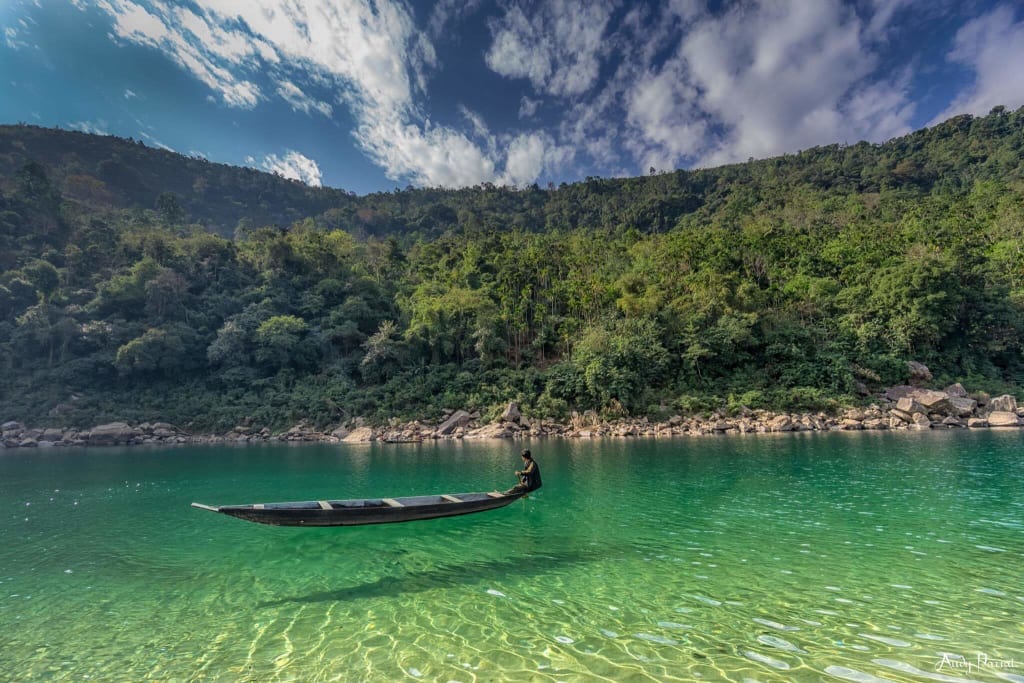
Visiting the picturesque state of Meghalaya, India. Dawki River is a natural wonder that has captured the hearts of travelers and nature lovers alike. Known for its crystal-clear waters and stunning landscapes, the Dawki River has become a must-visit destination, attracting visitors from around the world. This article explores the beauty, significance, and activities surrounding the Dawki River, providing insights into why it is often referred to as one of the most beautiful rivers in India.
Geography and Location
The Dawki River, locally known as the Umngot River, flows through the picturesque town of Dawki in the West Jaintia Hills district of Meghalaya. Originating from the lush hills of the Khasi region, the river flows towards the Bangladesh border, winding through verdant valleys and captivating landscapes. Its clear waters are fed by numerous streams and rainfall, particularly during the monsoon season, which adds to its ethereal charm.
The river serves as a natural boundary between India and Bangladesh, making it not only a geographical landmark but also a cultural intersection. The surrounding landscape is characterized by rolling hills, lush greenery, and limestone caves, creating a breathtaking backdrop that enhances the river's beauty.
The Crystal-Clear Waters
One of the most striking features of the Dawki River is its exceptionally clear waters. The river's transparency is so remarkable that visitors can see the riverbed and the colorful pebbles beneath. This clarity is primarily due to the absence of pollution in the region and the limestone geology that filters the water naturally.
The clarity of the Dawki River makes it an ideal spot for various water activities. The enchanting views of the river, combined with the reflections of the surrounding hills, create a mesmerizing sight that leaves a lasting impression on visitors. Photographers and nature lovers often flock to the river to capture its beauty, especially during sunrise and sunset when the colors of the sky blend harmoniously with the waters.
Cultural Significance
The Dawki River is not just a geographical marvel; it also holds cultural significance for the local communities. The river is integral to the lives of the Khasi people, who inhabit the region. It provides water for irrigation, sustains local fisheries, and supports various agricultural activities.
The annual "Dawki Boat Race" is a significant cultural event that draws participants from different parts of the region. This vibrant festival showcases traditional boat racing and is accompanied by music, dance, and local cuisine. The event fosters community spirit and provides an opportunity for visitors to immerse themselves in the local culture.
Activities and Attractions
The Dawki River offers a wide range of activities that cater to adventure seekers and nature lovers. Here are some of the most popular experiences:
Boating: One of the most popular activities on the Dawki River is boating. Visitors can hire local boats or opt for kayaks to explore the river's beauty at their own pace. The experience of gliding over the crystal-clear waters while surrounded by lush greenery is truly unforgettable.
Shikara Rides: For those looking for a more leisurely experience, shikara rides offer a tranquil way to enjoy the scenery. The gentle swaying of the boat, coupled with the serene environment, makes for a relaxing outing.
Camping: The areas around the Dawki River are perfect for camping. Several local operators offer camping packages that allow visitors to spend a night under the stars, with the sound of the flowing river as a soothing backdrop. This experience is ideal for those seeking solitude and a deeper connection with nature.
Caving: The limestone hills surrounding the river are home to several caves that are ripe for exploration. The famous Sohra Caves and Mawsmai Caves are not far from Dawki, offering fascinating insights into the region’s geology and ecology. Exploring these caves adds an adventurous twist to the trip.
Trekking: The hilly terrain around the Dawki River is perfect for trekking. Various trails lead to stunning viewpoints that offer panoramic views of the river and the surrounding landscape. Trekkers can enjoy the fresh air, lush greenery, and the sound of birdsong as they traverse the hills.
Photography: The Dawki River is a paradise for photographers. The unique reflections on the water, vibrant colors of the surrounding flora, and the dramatic backdrop of hills provide endless opportunities for stunning photographs. Early mornings and late afternoons are particularly magical times for photography.
Visiting Local Villages: The nearby villages, such as Shnongpdeng, offer a glimpse into the daily lives of the Khasi people. Visitors can interact with locals, learn about their customs, and sample traditional cuisine. This cultural immersion enriches the travel experience and fosters a deeper appreciation for the region.
Environmental Challenges
While the Dawki River is a natural gem, it faces several environmental challenges. Increasing tourism has led to concerns about pollution and the preservation of the river's pristine condition. Local authorities and communities are working to promote responsible tourism practices to protect the river and its surroundings.
Efforts are being made to raise awareness about the importance of keeping the river clean and preserving its natural beauty. Initiatives such as river clean-up drives and educational programs for visitors are helping to address these challenges and ensure that future generations can enjoy the wonders of the Dawki River.
Best Time to Visit
The best time to visit the Dawki River is during the winter months, from October to March, when the weather is pleasant and the skies are clear. This period offers optimal conditions for boating and outdoor activities. The monsoon season, while it enhances the river's beauty, can lead to heavy rainfall and higher water levels, making certain activities challenging.
Getting There
Reaching the Dawki River is relatively straightforward. The nearest major city is Shillong, which is about 81 kilometers (50 miles) away. From Shillong, visitors can hire taxis or take local buses to reach Dawki. The journey takes approximately 2-3 hours and offers stunning views of the Meghalaya landscape along the way.
Once in Dawki, the river is easily accessible, and various local operators offer guided tours and activities. This makes it convenient for visitors to explore the area without any hassle.
Conclusion
The Dawki River is truly one of Meghalaya's hidden treasures, offering a blend of natural beauty, cultural richness, and adventure. Its crystal-clear waters, stunning landscapes, and vibrant local culture make it a must-visit destination for anyone traveling to India. As more people discover the wonders of the Dawki River, it is essential to promote sustainable tourism practices to preserve its pristine condition for future generations.
Whether you are seeking adventure, tranquility, or a deeper understanding of local culture, the Dawki River promises an unforgettable experience. From boating on its clear waters to exploring the lush hills and engaging with the local community, a visit to the Dawki River is sure to leave you with cherished memories and a newfound appreciation for the beauty of nature.
About the Creator
Keep reading
More stories from Kajal Singh and writers in Wander and other communities.
Tsomgo Lake: A Serene Gem in the Heart of Sikkim
Tsomgo Lake, also known as Changu Lake, is one of the most stunning natural attractions in Sikkim, India. Located approximately 40 kilometers from Gangtok, the capital city of Sikkim, this glacial lake sits at an elevation of 3,753 meters (12,313 feet) and is surrounded by majestic Himalayan peaks. The lake’s breathtaking beauty, rich biodiversity, and cultural significance make it a must-visit destination for travelers seeking adventure, spirituality, and natural wonders.
By Kajal Singhabout a year ago in Wander
What Is the Importance of Soft Skills in University Education?
Soft skills have become an essential part of modern university education. While academic knowledge and technical expertise remain important, employers increasingly seek graduates who can communicate effectively, work collaboratively, and adapt to changing environments. Understanding the importance of soft skills helps students recognise why universities today emphasise holistic development alongside traditional academic learning.
By ameliarosannaabout 23 hours ago in Wander
🅼🅸🅳🅽🅸🅶🅷🆃 🆂🅽🅰🅲🅺🆂
"It's 10 in Tuscon! We all know what that means... It's Time for Midnight Snacks with your man, Gerald Gee! Ready to spend the night together? Me too! I'm full of snacks and can't wait to regurgitate them all back into your hungry ears. Crack a brew! Pop some corn! Anything to get ready for one hell of a show where the talk maybe cheap but the words cut deep...
By Lamar Wiggins3 days ago in Fiction




Comments (1)
well done