
Darjeeling in the Himalayan Foothills
A town in India

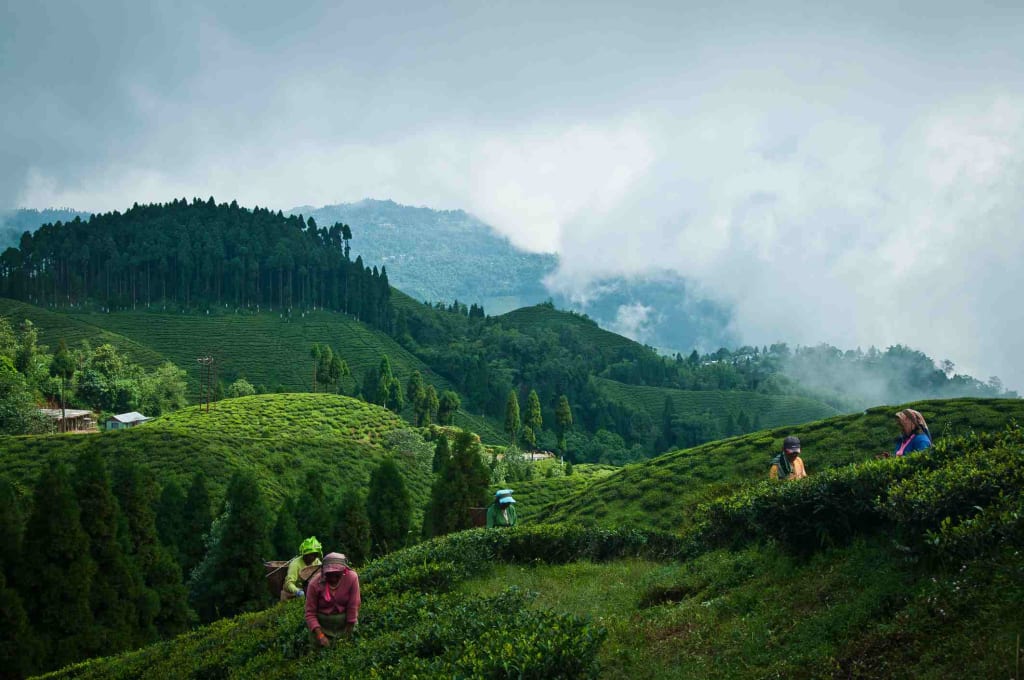
Darjeeling is a lovely town located in the West Bengal State of India in the Eastern Himalayan foothills. It is well-known for its distinctive black tea that is grown on plantations doting the surrounding slopes. The town’s backdrop is Mt. Kanchenjunga, among the world’s highest peaks.
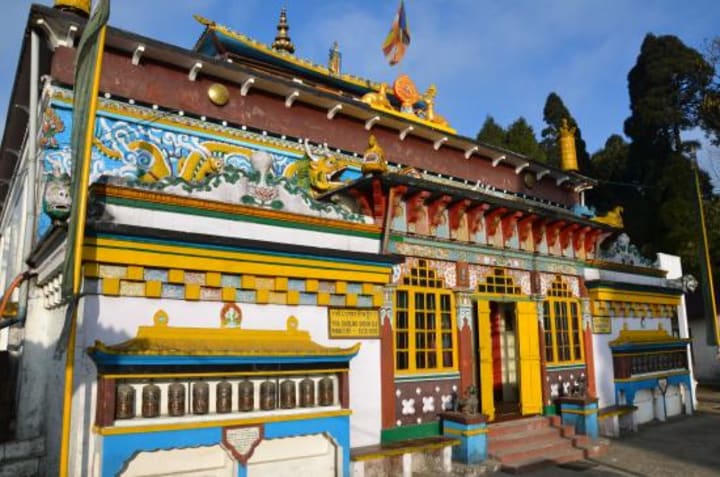
The region’s most famous monastery is Yiga Choling Gompa. You can see impressive old murals and it’s home to some 30 monks of the Gelugpa school. The monastery was built in 1850 and enshrines a 5m-high statue of Jampa (Maitreya or “Future Buddha”) and 300 beautifully bound Tibetan texts.
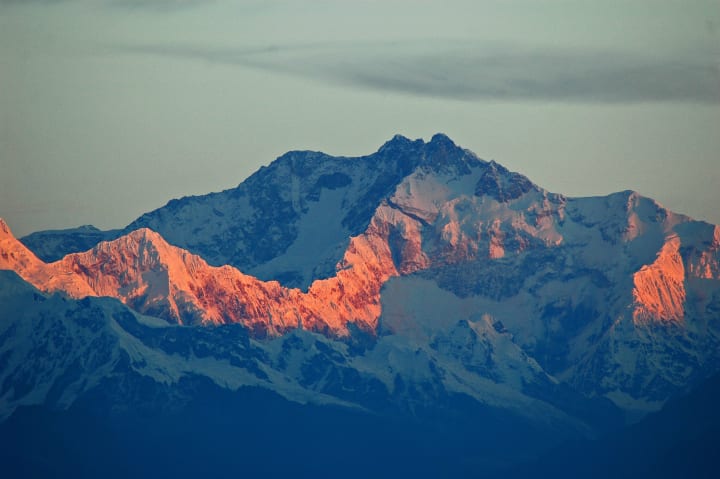
It’s spectacular and amazing to watch the sunrise from Tiger Hill (2590m) as the dawn breaks over the spectacular 250km stretch of the Himalayan horizon, including Everest (8848m), Lhotse (8501m) and Makalu (8475m).
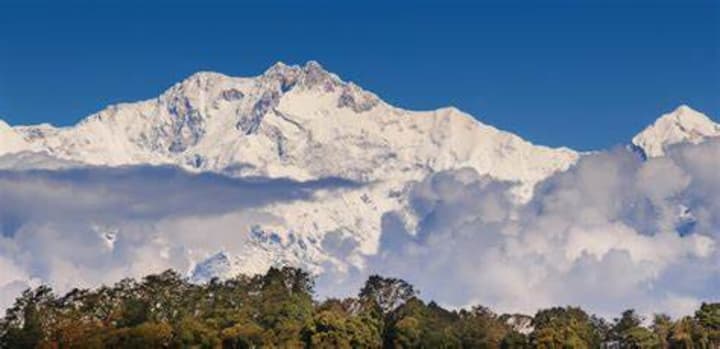
This incredible skyline is dominated by Khangchendzonga (“great five-peak snow fortress”), India’s highest peak and the world’s third-highest. Many people come to see the sunrise so you’ll find yourself in some traffic but it’s all worth it once you get to the summit. The best views are in autumn and spring.
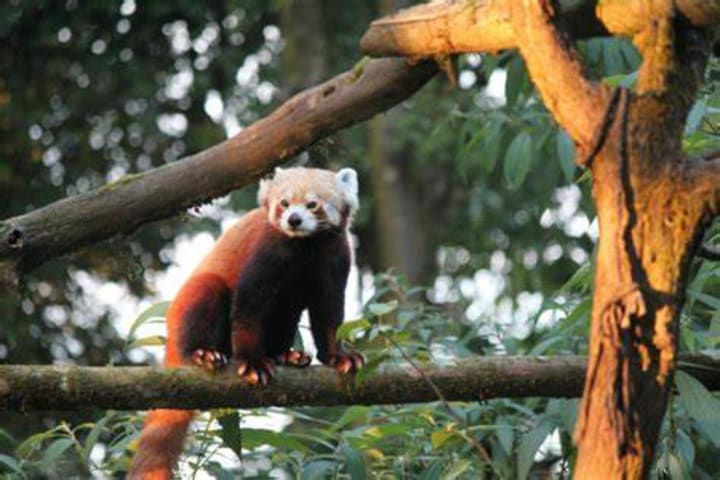
Padmaja Naidu Himalayan Zoological Park is one of India’s best zoos and was established in 1958. Living in rocky and forested environments are species like Himalayan bears, clouded leopards, red pandas, and Tibetan wolves. The zoo has a snow leopard breeding center and is home to the world’s largest single captive population of these leopards. The zoo stretches for 67.56 acres and sits at an elevation of 2,134 meters above sea level and is the largest high-altitude zoo in India. Among the rare and endangered species are snow leopards, red pandas, Himalayan salamanders, Tibetan wolves, Himalayan mountain goats, and Siberian tigers. The zoo has more than 200 species of trees, plants, shrubs, climbers, medicinal plants, and about 60 varieties of orchids.
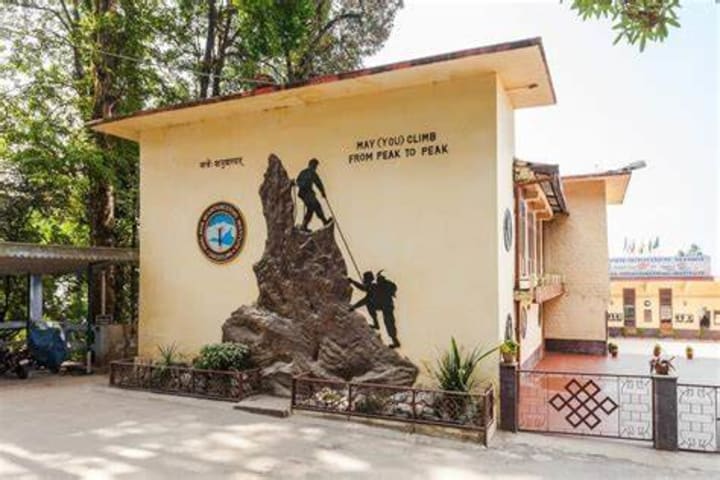
Located on the zoo grounds is the Himalayan Mountaineering Institute founded in 1954 and has provided training for some of India’s leading mountaineers. Within the complex is the amazing Mountaineering Museum which houses sundry details and memorabilia from the 1922 and 1924 Everest expeditions, which set off from Darjeeling. Among the displays, you can see the Carl Zeiss telescope presented by Adolf Hitler to the head of the Nepali Army. The institute runs 28-day basic and advanced mountaineering courses from March to May and September to December.
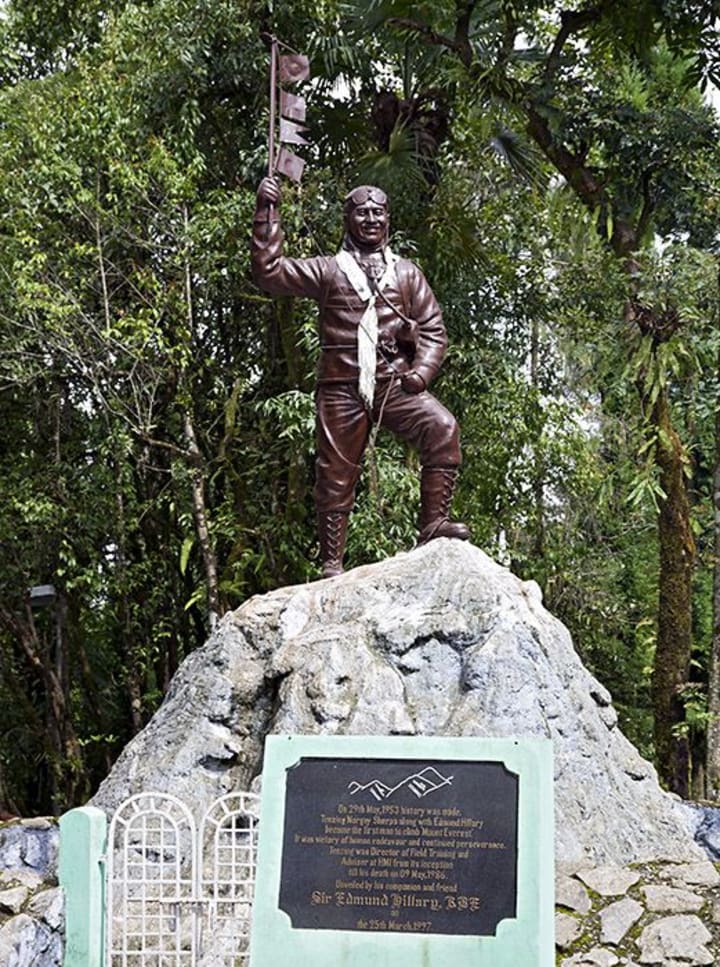
Beside the museum, near the spot where Tenzing Norgay was cremated, stands the Tenzing Statue. The intrepid Everest summiteer lived in Darjeeling for most of his life and was the director of the institute for many years.
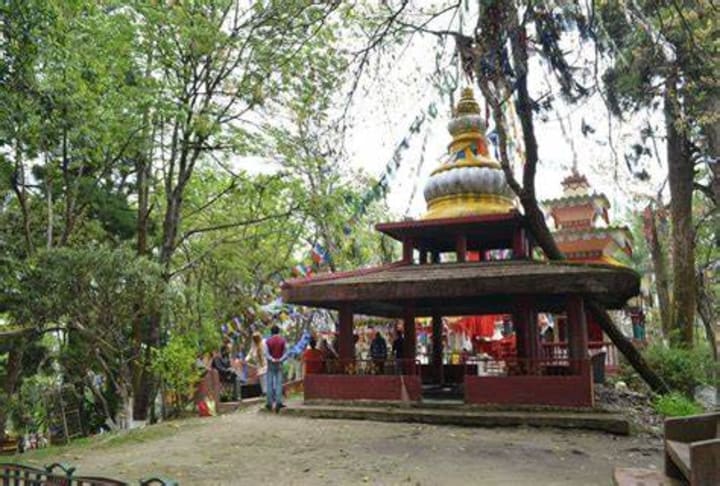
Observatory Hill is sacred to both Buddhists and Hindus. It was the site of the original Dorie Ling Monastery that gave Darjeeling its name. Devotees come to a temple in a small cave to honor Mahakala, a Buddhist protector deity also worshiped in Hinduism as a wrathful avatar of Shiva the destroyer. The summit is marked by several shrines, colorful prayer flags, and the ringing of numerous devotional bells. A path leads up the hill through giant Japanese cedars. Watch out for marauding monkeys.
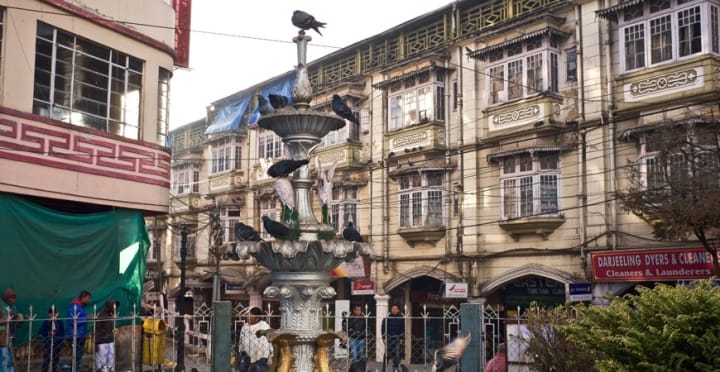
The Chowrasta Mall is the town center of Darjeeling. This is a wonderful public square where four roads meet. It is a great place to take in the sun, people watch and see wonderful views of the mountain range. One side of the mall is lined with pine trees and the other side with boutique shops. There are benches all around upon which to relax.
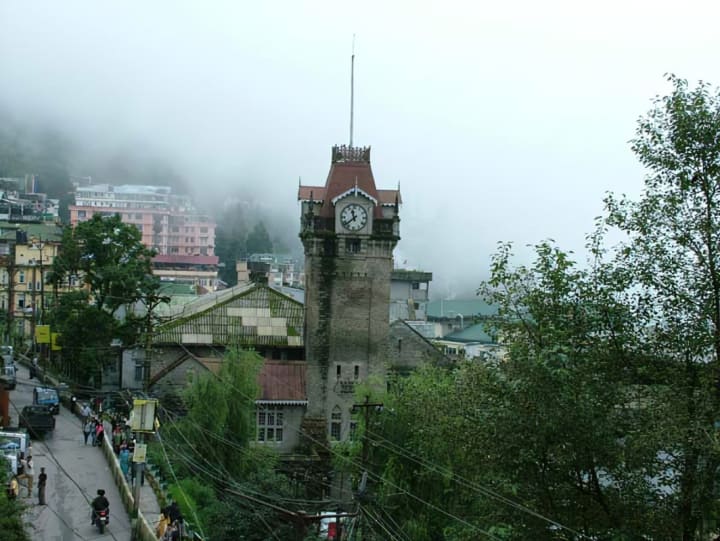
Of particular interest in Darjeeling is the main clock tower in the town center.
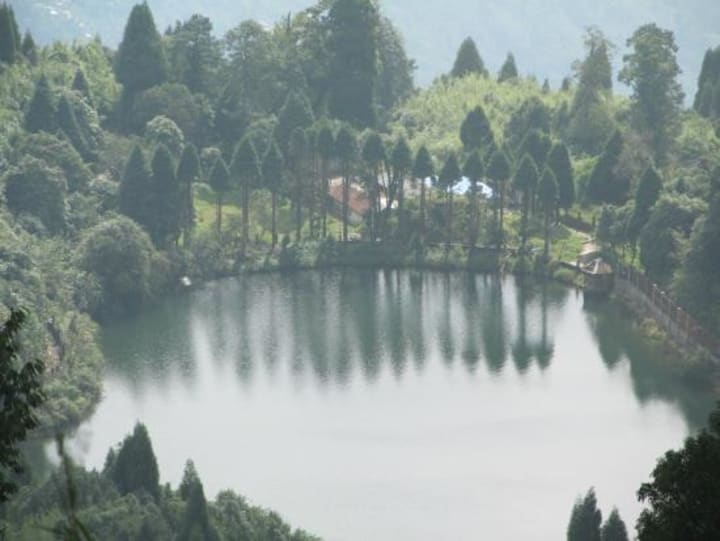
Senchal Lake is part of the Senchal Sanctuary which is one of the oldest wildlife sanctuaries in Darjeeling Hills. A mountain spring feeds the lake and is the main reservoir supplying water to the town. The lake is surrounded by trees and forests. Among the trees are oaks, pines, and birches. There are more than 350 types of flowering plants including rhododendrons and orchids.
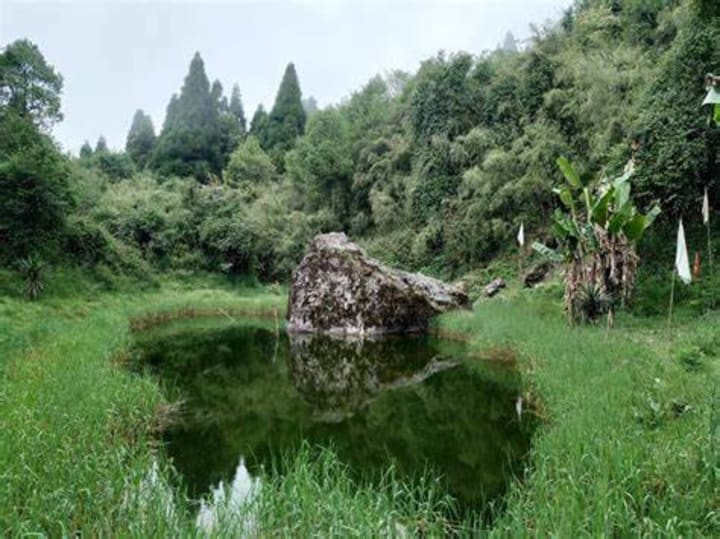
The Senchal Wildlife Sanctuary covers an area of around 39 sq. km. including the lake and is considered to be one of the oldest in India, opening in 1915. You can get a guide to take you around. Among the wildlife here are Himalayan black bears, barking deer, leopards, monkeys, flying squirrels, wild dogs, scaly anteaters, and many more.
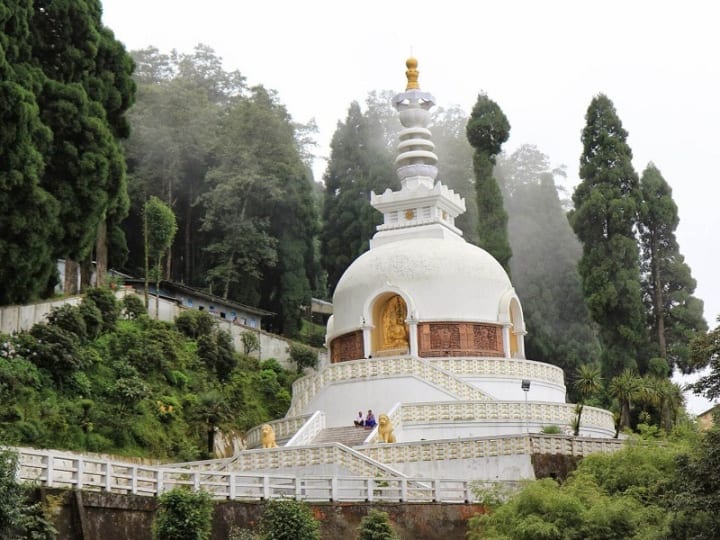
Perched on a hillside you’ll find the Japanese Peace Pagoda. This white pagoda is one of more than 70 pagodas built around the world by the Japanese Buddhist Nipponzan Myohoji Organization. During the drumming puja (prayers) sessions, visitors are offered a hand drum and encouraged to join in the rituals.
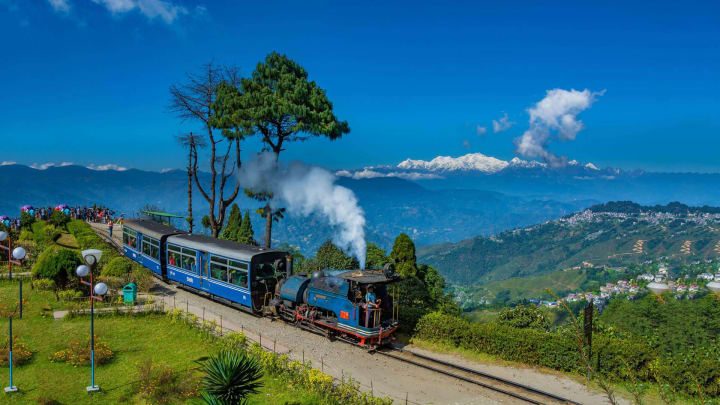
Take the time to ride the amazing Darjeeling Himalayan Railway, affectionately called the Toy Train. It made its first journey along the precipice-topping, 2ft.-wide tracks in September 1881. It is one of the few hill railways still operating in India and has been listed as a UNESCO World Heritage site. It offers regular diesel and steam service and joy rides.
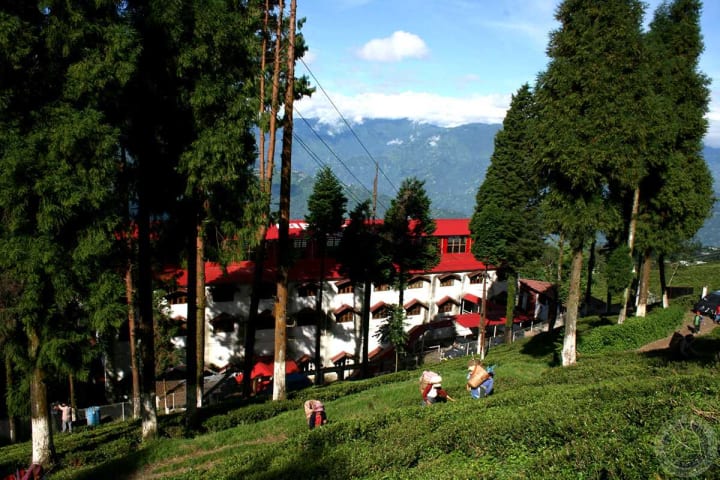
The Happy Valley Tea Estate dates back to 1854. It is well worth a visit when the plucking and processing are in progress from March to November. You’ll be guided through the aromatic factory and will learn how green, black, and white teas all come from the same leaf. It covers 437 acres at an elevation of 2,100 meters above sea level. It has become one of the major tourist attractions in Darjeeling.
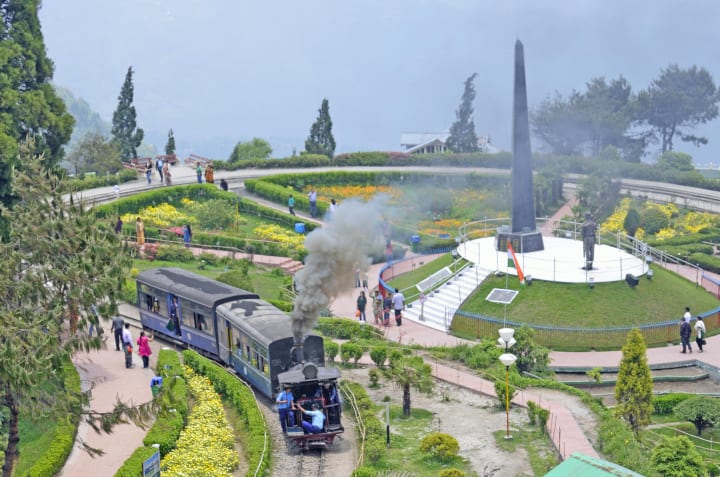
While riding back on the toy train or walking back from Tiger Hill keep a look out for the famous railway loop Batasia Loop. It goes around the open-air Gorkha War Memorial, erected in honor of the brave soldiers from the region who lost their lives in WWI and WWII. The loop covers an area of 50,000 square feet and transverses spirally through tunnels, landscaped parks, and hillocks in this 1,000-foot-high descent. There is a local crafts market nearby.
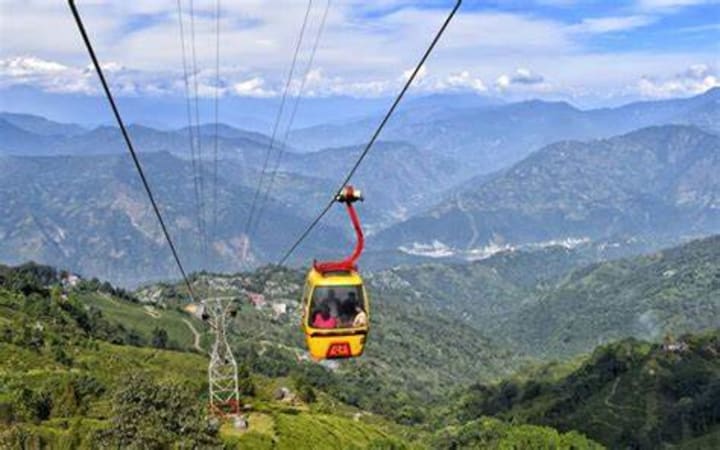
Visitors enjoy the scenic Rangit Valley Ropeway. The 40-minute ride takes you from North Point to the Takvar Valley Tea Estate, It is quite a spectacular view as you glide over the green tea bushes of the plantation.
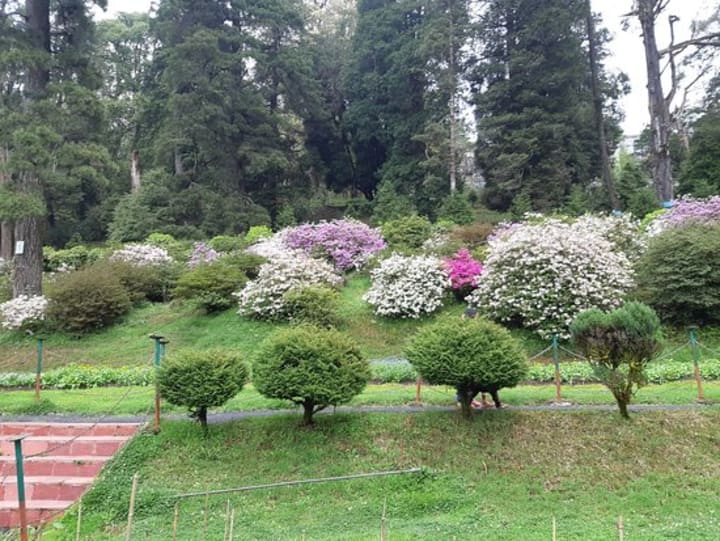
Lloyd Botanical Gardens are pleasant gardens displaying an impressive collection of Himalayan plants, particularly orchids and rhododendrons. You’ll find a map posted at the office at the top of the park. In the middle section, you’ll find a large collection of fern and conifer trees along with Alpine collections. There is a separate greenhouse which displays some 150 species of cactus. The lower section has colorful exotic plants from various countries around the world. The most striking here is the weeping willow and there are two living fossil trees brought from China.
About the Creator
Rasma Raisters
My passions are writing and creating poetry. I write for several sites online and have four themed blogs on Wordpress. Please follow me on Twitter.
Keep reading
More stories from Rasma Raisters and writers in Wander and other communities.
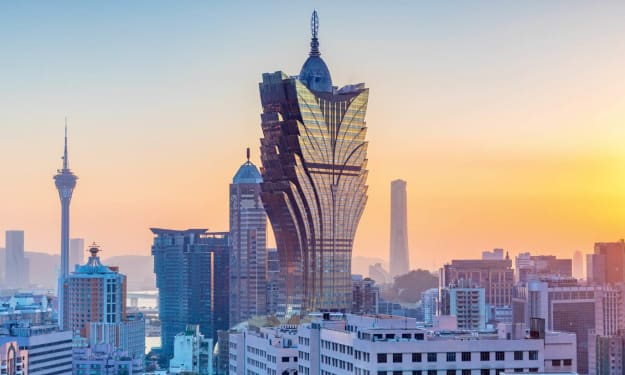
Macau the Las Vegas of Asia
Amazing Macau is an autonomous region on the south coast of China, across the Pearl River Delta from Hong Kong. It has been given the nickname “Las Vegas of Asia”. For over 300 years it was a Portuguese colony. Here you can see many amazing things like ancient Chinese temples and buildings with a mix of impressive architecture.
By Rasma Raisters2 years ago in Wander
Everest Three Passes Trek 15 Days: A Demanding But Rewarding Route
The Everest region is often associated with the classic Everest Base Camp trail. But for trekkers looking for something more challenging and less predictable, the Three Passes route offers a deeper experience of the Khumbu.
By Saraswati Karki4 days ago in Wander
How to Beat the Heat in Siem Reap
Siem Reap stands out as one of Southeast Asia’s most captivating destinations, famed as the entrance to the magnificent ancient temples of Angkor. But if you’re visiting during the rainy season (typically May to October), you’ll quickly realize that the heat and humidity can feel just as mighty as the monuments themselves. Fortunately, there are plenty of ways to stay cool and enjoy your Siem Reap adventure without melting under the tropical sun.
By william barry3 days ago in Wander
📢 Raise Your Voice Thread: 03/05/2026
Our “Raise Your Voice Threads” are hosted most alternating Thursdays at 12PM ET to offer creators more avenues to uncover exceptional stories on Vocal. As we are continuously searching for fresh creators and inspiring stories, this thread provides an opportunity to exchange and discuss the stories that have moved and motivated us on Vocal.
By Raise Your Voice by Vocal2 days ago in Resources



Comments
There are no comments for this story
Be the first to respond and start the conversation.