
Coorg Camping: Experience Nature at Its Best
There are moments when travel stops being about ticking destinations off a list and starts becoming about how a place makes you feel.
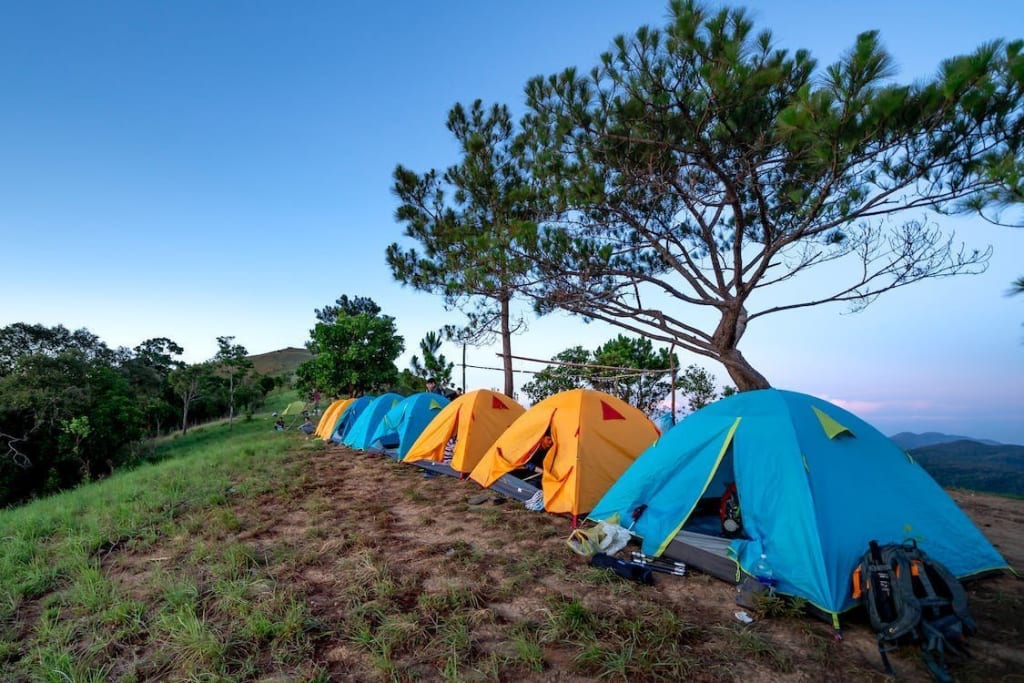
There are moments when travel stops being about ticking destinations off a list and starts becoming about how a place makes you feel. Coorg camping is one such experience. Hidden in the lush folds of Karnataka’s Western Ghats, Coorg—also known as Kodagu—invites you to slow down, breathe deeper, and reconnect with nature in its purest form. Camping here isn’t about luxury walls or room service; it’s about misty mornings, forest trails, riverside silence, and nights lit by stars and campfires.
If you’re someone who feels most alive outdoors, Coorg camping offers the perfect balance of serenity and adventure. Let me walk you through what makes it special, how to plan your trip, and how to experience nature here at its very best.
Why Coorg Camping Is a Nature Lover’s Delight
What truly sets Coorg apart is how effortlessly it immerses you in nature. Coffee plantations stretch endlessly across rolling hills, dense forests hum with life, and rivers quietly carve their way through valleys. When you camp in Coorg, you’re not just close to nature—you’re living inside it.
Mornings often begin with mist curling around trees and the soft calls of birds. Afternoons are ideal for forest walks or quiet moments by the river, and evenings bring cooler air, glowing sunsets, and star-filled skies. There’s a calming rhythm to life here that’s hard to find elsewhere.
Camping also allows you to experience Coorg beyond the usual tourist lens. You’ll notice small details—changing light on the hills, the smell of damp earth after rain, and the gentle stillness that settles in once night falls. For many travelers, this deep connection is what makes Coorg camping unforgettable.
Best Time to Visit Coorg for Camping
Timing plays a big role in shaping your camping experience. The best time to visit Coorg for camping is from October to March. During these months, the weather is pleasant, with cool mornings, mild afternoons, and comfortable nights—perfect for outdoor activities, sightseeing, and campfire evenings.
The monsoon season (June to September) transforms Coorg into a lush green paradise. Waterfalls roar to life, rivers swell, and forests look incredibly vibrant. While it’s visually stunning, heavy rainfall can make camping challenging, especially for beginners, due to slippery trails and unpredictable weather.
April and May are warmer but still suitable, particularly at higher-altitude campsites where the temperatures remain moderate. If you prefer fewer crowds and don’t mind mild heat, summer camping can still be rewarding.
For most travelers seeking comfort, safety, and scenic beauty, October to February remains the ideal window.
How to Reach Coorg Easily
Despite its secluded feel, Coorg is well connected by road. While it doesn’t have its own airport or railway station, reaching it is relatively simple.
The nearest airports are Mysore (around 95 km), Kannur (120 km), and Mangalore (150 km). Many travelers also fly into Bangalore, which is about 260 km away, and then enjoy a scenic drive through the Western Ghats.
The road journey is part of the experience—winding roads, forest stretches, and small towns slowly easing you into the calm of the hills. Buses run frequently from Bangalore, Mysore, and Mangalore to Madikeri and Kushalnagar. However, for camping trips, self-driving or hiring a taxi offers more flexibility, especially when visiting nearby attractions.
Some campsites even provide pickup and drop services, making travel easier for first-time visitors.
Choosing the Right Campsite in Coorg
Coorg offers a wide range of camping experiences, and choosing the right one depends on the kind of nature escape you’re looking for.
Riverside camps near the Kaveri River or Harangi backwaters are perfect if you enjoy the soothing sound of flowing water and peaceful surroundings. Hilltop camps around Mandalpatti and Tadiandamol reward you with sweeping views, cool breezes, and breathtaking sunrises. Forest and coffee plantation camps near Somwarpet and Madikeri immerse you in dense greenery, often offering greater privacy and wildlife sightings.
If you’re new to camping, look for sites that provide clean tents, proper washrooms, meals, and guided activities. Many camps organize plantation walks, treks, coracle rides, and evening bonfires, ensuring you enjoy nature comfortably and safely.
Nearby Attractions to Explore While Camping
Camping in Coorg gives you a peaceful base, but exploring nearby attractions adds depth to your trip. Most camps are located within easy driving distance of some of Coorg’s most popular sights.
Abbey Falls is a must-visit, where a short walk through coffee estates leads to a powerful cascade surrounded by greenery. Raja’s Seat offers panoramic views of valleys and hills and is especially beautiful at sunrise or sunset. Wildlife enthusiasts should not miss Dubare Elephant Camp, where you can learn about elephant conservation and observe these gentle giants up close.
For a slower pace, Nisargadhama provides a tranquil riverside setting with bamboo groves and shaded paths. Coffee plantation tours are also highly recommended—they give you insight into Coorg’s culture while letting you wander through aromatic estates.
Local Tips, Budgeting, and Travel Safety
A few local tips can make your camping experience much smoother. Pack comfortable footwear suitable for uneven terrain, carry a light jacket for chilly evenings, and don’t forget insect repellent—especially for forest and riverside camps. A reusable water bottle and a small flashlight are always useful.
In terms of budgeting, Coorg camping is surprisingly flexible. Basic camps usually cost between ₹800 and ₹1500 per night, while luxury or glamping-style camps with added comforts range from ₹3000 to ₹7000 per night. When planning your budget, include transportation, food outside camps, and entry fees for nearby attractions.
Travel safety is important, especially in natural settings. Stick to marked trails during treks, avoid swimming in rivers unless guided, and be extra cautious during the monsoon season. Always follow campsite rules and listen to local guides—they know the terrain best and can help you discover hidden spots safely.
A Relaxed 3-Day Camping Itinerary
For a balanced first experience, a three-day trip works beautifully.
On Day 1, arrive in Coorg, check into your campsite, and spend the evening settling in. Enjoy the surroundings, take a short walk, and end the day with a peaceful bonfire under the stars.
Day 2 begins with an early morning trek or plantation walk. After breakfast, visit Abbey Falls and Raja’s Seat. Return to your campsite by evening for riverside relaxation or quiet time in nature.
On Day 3, check out and explore Dubare Elephant Camp or Nisargadhama on your way back. Pick up locally grown coffee, spices, or homemade chocolates as souvenirs before heading home.
Final Thoughts
Coorg camping is more than just a getaway—it’s a reminder of how grounding and restorative nature can be. From misty mornings to quiet forest trails and starlit nights, every moment feels unhurried and meaningful.
If you’re searching for a destination where nature truly takes center stage, Coorg camping offers an experience that stays with you long after you leave. It’s peaceful without being boring, adventurous without being overwhelming, and authentic in a way that modern travel often lacks.
About the Creator
Keep reading
More stories from Aditi Khandelwal and writers in Wander and other communities.
Dudhsagar Trek Adventure: From Jungle Trails to Thundering Falls
When people think of Goa, beaches and nightlife usually steal the spotlight. But hidden deep within the lush folds of the Western Ghats lies an experience that feels worlds away from crowded shores and beach shacks. The Dudhsagar Trek is a journey into dense forests, misty trails, and finally, one of India’s most powerful waterfalls. It’s the kind of adventure that slows you down, fills your lungs with fresh air, and reminds you why nature travel feels so rewarding.
By Aditi Khandelwal10 days ago in Wander
How to Stop Chasing “Perfect Moments” in Umrah
Every pilgrim, while performing the sacred journey of Umrah, wishes for all the perfect moments. But in reality, Umrah was never meant to be perfect. It was meant to be sincere. Pilgrims arrive in Haram, carrying many expectations.
By Abdul Rahim Khan7 days ago in Wander



Comments
There are no comments for this story
Be the first to respond and start the conversation.