
Climbing Mount Kilimanjaro.
What should you consider when climbing Mount Kilimanjaro?


Mount Kilimanjaro. One of the famous names in the world. This is the tallest mountain in Africa and also the highest free-standing mountain in the world. This mountain found in Tanzania does attract around 35,000 trekkers each year, many of them being just ordinary people who are looking for an extraordinary experience of reaching the top of the mountain.
Mount Kilimanjaro is considered to be one of the more "accessible" high peaks since it doesn’t require ropes or technical climbing. But still climbing Mount Kilimanjaro is not as easy as some may think. When someone is climbing, he/she has to be prepared. Problems such as exhaustion or altitude sickness may happen to a person is that person is not well prepared.
So how do you climb Mount Kilimanjaro safely with no problems at all? That is what this article will tell you. Whether you are just starting your research on this mountain, this guide will cover everything you might need to know to make your climb safe, smart, and successful.
Choosing the Right Route for You
Mount Kilimanjaro has several main climbing routes, and each has its own uniqueness, each has different landscapes, difficulty in climbing as well as levels of traffic using the route. Choosing the right route can make the difference between reaching the top of the mountain successfully or failing to reach the top of the mountain. There are the following routes:
• Marangu Route (5–6 days): this is also known as the “Coca-Cola route,” and it is the only route with hut accommodations. It is one of the shortest but also has one of the lowest success rates of people reaching the top of the mountain due to the fast ascent.
• Machame Route (6–7 days): This is the most popular route. It is steep and scenic, it has good acclimatization built in. it gives you enough pace to get used to the height and pressure on the mountain easily.
• Lemosho Route (7–8 days): This route is regarded as the most beautiful route and one of the safest routes due to its length and excellent acclimatization to different people.
• Rongai Route (6–7 days): This is the only route passing from the north. It is quiet, dry, and less scenic. This route is a good option during the rainy season due to its dryness on its path.
• Northern Circuit (9 days): This is the longest and quietest route, and it offers the best acclimatization and highest success rate of reaching the top of the mountain.
Safety Tip: If you have never been to high altitude mountains before, longer routes usually improve your chances of adapting safely the mountain environment.
Prepare yourself and Train for the climb.
If you want to climb Kilimanjaro, it is good if you prepare yourself. Prepare yourself on endurance more, and therefore focus on Physical Preparation: Focus on cardio exercises such as running, hiking or cycling, leg strength, and stamina. You may aim for regular long walks with a loaded daypack.
Understand the Risks of climbing mount Kilimanjaro And How to Manage Them
Altitude Sickness: The Big One
Acute Mountain Sickness (AMS) is the single biggest risk on Kilimanjaro. It can start as a headache and nausea but escalate to High Altitude Cerebral or Pulmonary Edema (HACE/HAPE), both can be potentially dangerous.
So, to prevent altitude sickness, follow the following tips:
- Go slowly each day from day one.
- Choose a route with good acclimatization.
- Drink plenty of fluids.
- Avoid alcohol and sedatives.
- Consider taking acetazolamide (Diamox) after consulting a doctor.
Weather and Exposure
Kilimanjaro mountain has five ecological zones. As you climb, you’ll start in the rainforest zone and finally you will end in an arctic zone. That means there might be a rapid changes in temperature, pressure, wind, and snow.
Pack Smart and wear smart:
When climbing mount Kilimanjaro, having a layered clothing is important. A good down jacket, waterproof gear, gloves, and thermal wear can be the give you much more comfort when climbing.
Fatigue and Dehydration
The trek to Mount Kilimanjaro is long and the air is sometimes dry. Sometimes you may be sweating even when you don’t realize it, so it is better to replace the water lost through sweat by taking a lot of water.
Choose the Right Guides and Gear
Choose a reputable tour operator that will offer the best services for your climb. The guides who are experienced are very important when climbing mount Kilimanjaro.
When you are looking for in a Tour Operator, look for the following:
- Proper emergency protocols (pulse oximeters, first aid kits, trained guides).
- There should be a transparency about itinerary and altitude management
- Check the group size. Small group sizes and high guide-to-client ratio is better.
When you are looking for tour operator to help you with this adventure don’t go for the cheapest deal only, go for the safest experience.
When you are going for Kilimanjaro Mountain trekking, the following are essential Gear List:
• Broken-in hiking boots (ankle-high, waterproof)
• Warm sleeping bag (rated at least -10°C/14°F)
• Trekking poles (they are helpful and save your knees)
• Headlamp (for summit night)
• Personal meds, blister kit, sunscreen, sunglasses
Pro Tip: Rent gear (your tour operator may help you) if you're not ready to buy and invest, but make sure you test everything rented before the climb.
Summit Night Challenge
Most of the people reach the top of the mount Kilimanjaro in the morning, and therefore their journey starts at night. The way to the top of Kilimanjaro mountain on the final day is freezing, dark, steep, and slow. You literally have to expect 6hours to 8 hours up, and 5hours to 7 hours down. So, it is better to prepare and ensure you reach at the top nicely. You may consider doing the following:
• Start slow. Don’t go fast and burn out in the first hour of your climb.
• Stay fueled. Take snacks and drink water every 30 minutes to 1 hour.
• Focus on your breath and your steps, and don’t push yourself too hard
Final Thoughts: Safety Is the Summit
Reaching the top of Kilimanjaro is a wonderful experience and the greatest joy is when you descend and reach home safely. Welcome to Kilimanjaro, this mountain is calling for you.
About the Creator
Jaynevy Tours
Jaynevy Tours offers personalized Tanzanian safaris to Serengeti, Ngorongoro Crater, and Zanzibar. Expert guides and unique experiences for all.
Keep reading
More stories from Jaynevy Tours and writers in Wander and other communities.
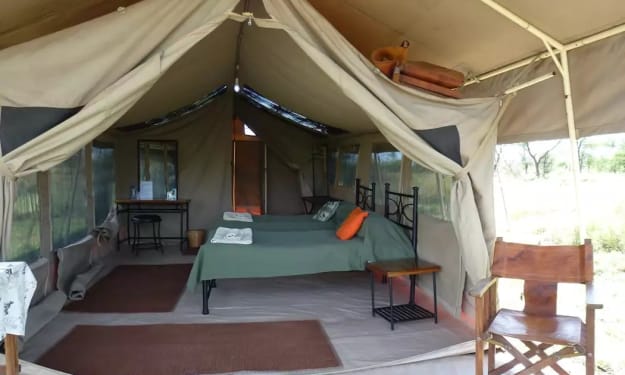
How to choose a Safari Accommodation
Most travelers in the world do dream of going on a Safari in Tanzania in Serengeti to witness the Great wildebeest migration or Ngorongoro at least once. And for sure going to a Tanzanian safari is an adventure that will stay in your mind for more years to come. In that safari, choosing where to stay can shape and add the enjoyment of your experience as much as the wildlife itself. And one of the biggest decisions travelers face is whether to stay in a tented camp or a lodge.
By Jaynevy Tours9 months ago in Wander
A Texas Homecoming
Greetings, Vocal readers and subscribers! Recently, I had the opportunity to visit a familiar place that I haven't been to in almost 15 years. I've expressed my love for my hometown of Arlington, Texas in numerous stories on Vocal. Fow two days, it was my time to do some sight-seeing and nothing more. This long overdue vacation was solely about me, not about visiting family, as I've been estranged from them since 2011. I'll share a collage of pictures from my two-day stay in Arlington throughout this story. Just for reference, I took over 200 photos, so not every one of them will be featured.
By Mark Wesley Pritchard 4 days ago in Wander


Comments
There are no comments for this story
Be the first to respond and start the conversation.