
Celebrating the Saga Dawa Festival: A Time of Spiritual Reflection
The Significance and Celebrations of Saga Dawa: Honoring the Life of the Buddha
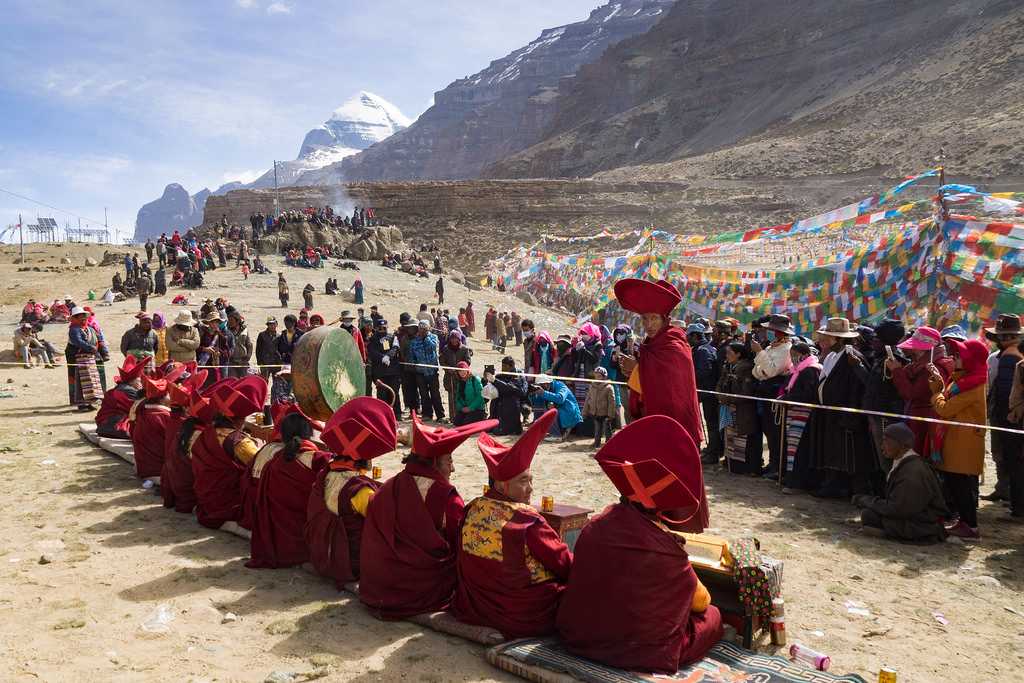
Saga Dawa is a significant festival celebrated by Buddhists around the world, particularly in regions influenced by Tibetan Buddhism, such as Tibet, Bhutan, Nepal, and parts of India. The festival usually falls in the fourth month of the Tibetan lunar calendar and is renowned for its spiritual importance, commemorating the birth, enlightenment, and death of Gautama Buddha. This article explores the rich traditions, rituals, and cultural significance of the Saga Dawa Festival.
Understanding Saga Dawa
Saga Dawa is derived from two Tibetan words: "Saga," which refers to the month in which the festival is celebrated, and "Dawa," meaning "moon." The festival occurs on the full moon day of the fourth month of the Tibetan calendar, a day considered particularly auspicious for Buddhists. In 2024, Saga Dawa will be celebrated on June 24.
The festival serves as a time for reflection, devotion, and community celebration. It is believed that during this month, the merits of good deeds are multiplied, making it an ideal time for practitioners to engage in charitable acts, prayers, and spiritual practices.
Rituals and Observances
The Saga Dawa Festival is marked by various rituals and activities that vary by region but share a common focus on honoring the life and teachings of the Buddha. Here are some key rituals commonly associated with the festival:
Offering of Butter Lamps: One of the most popular practices during Saga Dawa is the offering of butter lamps. Devotees light lamps in temples or at home as a gesture of devotion and to symbolize the dispelling of ignorance and darkness.
Making Merit: Many Buddhists believe that the actions taken during Saga Dawa carry extra merit. As a result, many individuals engage in charitable acts, such as donating to the less fortunate, offering food to monks, or participating in community service.
Prayers and Chants: Temples and monasteries become centers of activity during the festival. Monks and laypeople gather to chant prayers, recite scriptures, and perform rituals that honor the Buddha. These collective prayers foster a sense of community and reinforce the teachings of compassion and wisdom.
Pilgrimage: Pilgrimage is an important aspect of Saga Dawa, particularly in Tibet and areas with a strong Tibetan Buddhist presence. Many devotees undertake journeys to sacred sites, such as Lhasa or the sacred Mount Kailash, to pay homage and perform rituals.
Sky Lanterns: In some regions, people release sky lanterns during Saga Dawa, symbolizing the release of negative thoughts and the illumination of one’s spiritual path. This colorful display adds a festive atmosphere to the celebrations.
Cultural Performances: Many communities organize cultural performances, including traditional music, dance, and storytelling, to celebrate the festival. These performances often convey the teachings of Buddhism and the life of the Buddha in an engaging manner.
The Significance of Saga Dawa
The Saga Dawa Festival holds deep spiritual significance for Buddhists. Here are some of the reasons why this festival is so important:
Commemoration of the Buddha: Saga Dawa marks three major events in the life of Gautama Buddha: his birth, enlightenment, and passing into Nirvana. This triple significance provides an opportunity for followers to reflect on the Buddha’s teachings and their relevance in today’s world.
Promotion of Compassion: The festival emphasizes the importance of compassion and altruism. Engaging in acts of kindness during Saga Dawa encourages individuals to cultivate compassion not just during the festival but throughout their lives.
Strengthening Community Bonds: Saga Dawa brings communities together in celebration and shared spirituality. The collective observance of rituals fosters a sense of belonging and connection among Buddhists.
Spiritual Reflection: The festival serves as a reminder for practitioners to reflect on their spiritual journeys. It encourages meditation, mindfulness, and self-improvement, helping individuals to align their actions with Buddhist principles.
Renewed Commitment to Practice: Many Buddhists use this time to renew their commitment to the teachings of the Buddha. By engaging in prayers, meditations, and charitable acts, practitioners reaffirm their dedication to a path of peace and enlightenment.
Celebrating Saga Dawa Around the World
While the core essence of Saga Dawa remains the same, the celebrations vary across different regions:
Tibet: In Tibet, Saga Dawa is a grand event. Monasteries hold elaborate rituals, and thousands of pilgrims gather at sacred sites. The atmosphere is filled with the sound of prayers and the sight of colorful prayer flags fluttering in the wind.
Bhutan: In Bhutan, Saga Dawa is celebrated with vibrant local festivals. Communities come together to perform traditional dances and music, blending cultural heritage with spiritual observance.
Nepal: In Nepal, especially in areas like Boudhanath, the festival attracts numerous devotees. People gather at stupas to offer prayers and light lamps, creating a beautiful scene filled with devotion.
India: In India, particularly in Ladakh and Sikkim, the festival is celebrated with similar fervor. Monasteries organize rituals, and locals participate in community events, reinforcing the bond between spirituality and culture.
Preparing for Saga Dawa
For those interested in participating in the Saga Dawa Festival, here are some tips for preparation:
Learn About the Festival: Understanding the significance and rituals of Saga Dawa enhances the experience. Read about the life of the Buddha and the teachings of Buddhism to gain a deeper appreciation of the festival.
Engage in Good Deeds: As Saga Dawa emphasizes the importance of merit, consider planning acts of kindness leading up to the festival. Whether it’s volunteering, donating to charity, or simply helping a neighbor, every act counts.
Participate in Local Celebrations: If you’re in a region where Saga Dawa is celebrated, join local festivities. Engaging in communal prayers, rituals, and cultural events can provide a richer understanding of the festival.
Prepare for Reflection: Set aside time for meditation and reflection during the festival. Contemplating your spiritual journey and the teachings of Buddhism can help you connect more deeply with the significance of Saga Dawa.
Connect with the Community: If possible, connect with local Buddhist communities. Sharing the experience with others can enhance your understanding and enjoyment of the festival.
Conclusion
The Saga Dawa Festival is a time of profound spiritual significance for Buddhists, offering an opportunity to honor the life and teachings of the Buddha. Through rituals, communal celebrations, and acts of kindness, this festival reinforces the values of compassion, mindfulness, and community.
Whether you are a practicing Buddhist or simply curious about the festival, Saga Dawa provides a beautiful glimpse into the spiritual heart of Buddhism. As communities come together to celebrate, the essence of the Buddha’s teachings shines brightly, reminding us of the importance of kindness, understanding, and a commitment to a path of peace.
About the Creator
Keep reading
More stories from Kajal Singh and writers in Wander and other communities.
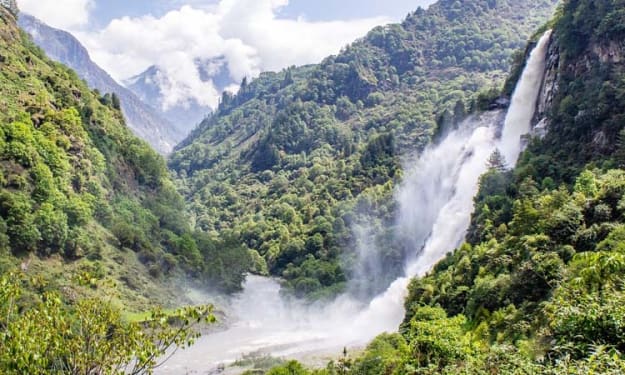
Discovering Nuranang Falls: A Hidden Gem in Arunachal Pradesh
Nuranang Falls, also known as Jung Falls, is a breathtaking waterfall located in the enchanting state of Arunachal Pradesh, India. Tucked away in the scenic landscape of the northeastern region, this natural wonder offers stunning views and a serene environment that draws travelers and nature lovers alike. In this article, we will explore everything you need to know about Nuranang Falls, including the best time to visit and how to reach this picturesque destination.
By Kajal Singhabout a year ago in Wander
Seattle Nightlife Report: Pony
Mid-winter Friday night. Early but already so dark. The days are getting longer but 6 PM is still pitch black. “Firepit!” You declare things after just a few seconds of solemn thought – not a request or suggestion, not a demand. Last week you walked around saying, “Hot tub?” to anyone who would listen. Or one afternoon you pointed at two men holding hands as they crossed 12th Avenue, looked me in the eyes and said, “Boyfriends.”
By Joe Nasta | Seattle foodie poet3 days ago in Wander
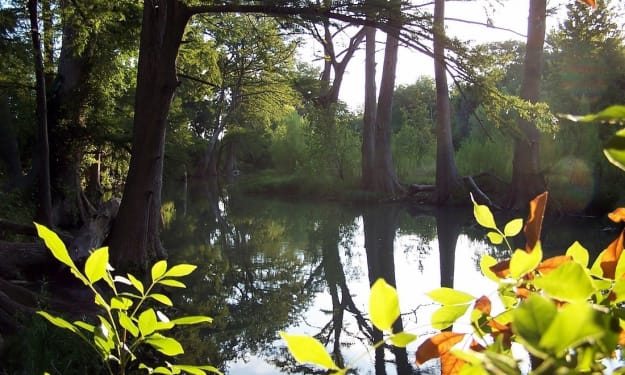
Small-Town Beauty in Texas
Castroville is known as the Little Alsace of Texas with a French heritage. It was founded in the mid-1800s by French settlers from the Alsace region. The stone houses, narrow streets, and preserved historic buildings will make you feel like you're in Europe. To get a touch of France, just come to Texas.
By Rasma Raistersabout 18 hours ago in Wander


Comments
There are no comments for this story
Be the first to respond and start the conversation.