
Budva Citadel: The Heart of the Old Town and a Symbol of Eternal Love
Budva Citadel
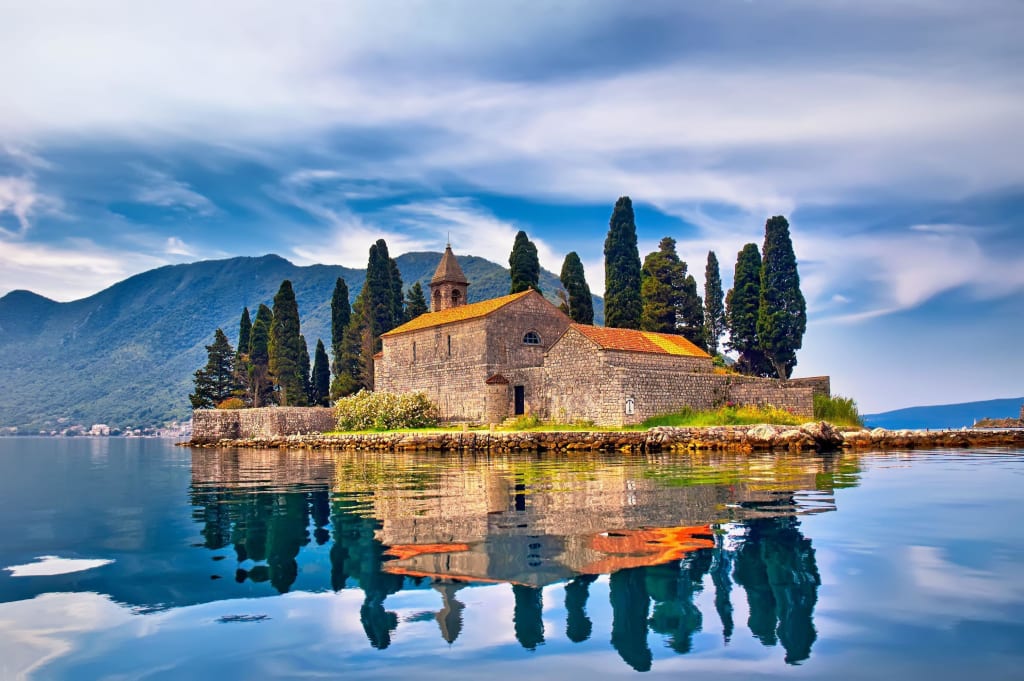
Perched on the southern edge of Budva's historic Old Town, the Budva Citadel stands as a testament to Montenegro's rich cultural tapestry. This formidable fortress, overlooking the azure waters of the Adriatic Sea, has witnessed centuries of history, from ancient civilizations to modern times. Its walls have withstood invasions, earthquakes, and the passage of time, making it a must-visit landmark for travelers seeking to delve into the region's past.
A Journey Through Time
The origins of the Budva Citadel trace back to the 15th century, during the Venetian rule, when it was constructed to defend the town against Ottoman incursions. Over the centuries, the fortress underwent various modifications under different rulers, including the Austro-Hungarians, who added their architectural touches. Despite suffering damage during the devastating earthquake of 1979, the Citadel was meticulously restored, preserving its historical integrity and continuing to offer insights into Montenegro's layered history.
Architectural Marvels
The Citadel's architecture is a harmonious blend of medieval and Renaissance styles. Visitors can explore its robust stone walls, narrow passageways, and strategically placed bastions that once served as lookout points. Within the fortress, remnants of ancient structures, such as the ruins of the Church of St. Mary, offer glimpses into the religious significance of the site. The well-preserved barracks and storage rooms further illustrate the Citadel's role as a military stronghold.
Cultural Significance
Beyond its military history, the Budva Citadel has evolved into a cultural hub. It houses a museum showcasing artifacts that narrate the town's rich past, including ancient manuscripts, maps, and maritime tools. The Citadel also serves as a venue for various cultural events, such as art exhibitions, theatrical performances, and music festivals, breathing new life into its ancient walls and connecting the past with the present.
Legends and Symbolism
Local folklore adds a romantic dimension to the Citadel's allure. One popular legend speaks of two lovers from rival families who, forbidden to be together, met secretly within the fortress's confines. Their tragic tale is immortalized in a stone relief depicting two intertwined fish, symbolizing eternal love and unity. This emblem has become synonymous with Budva, representing the town's enduring spirit and the timeless nature of love.
Panoramic Views and Photography
Ascending the Citadel's towers rewards visitors with breathtaking panoramic views of Budva's terracotta rooftops, the shimmering Adriatic Sea, and the surrounding mountains. These vantage points are particularly popular among photographers, especially during sunrise and sunset, when the landscape is bathed in golden hues, offering perfect lighting conditions for capturing the town's beauty.
Practical Information for Visitors
Location: The Citadel is situated at the southern end of Budva's Old Town, easily accessible on foot through the town's narrow, cobbled streets.
Opening Hours: Typically open daily from 9:00 AM to 8:00 PM during the tourist season. It's advisable to check current timings before planning your visit.
Admission Fees: An entrance fee is required, which includes access to the museum and the fortress's various sections. Discounts may be available for students, seniors, and groups.
Guided Tours: For a more in-depth understanding, consider joining a guided tour, which provides historical context and fascinating anecdotes about the Citadel and Budva's history.
Nearby Attractions
While exploring the Citadel, visitors can also discover other historical landmarks within close proximity:
- Church of St. John: A prominent Catholic church known for its striking bell tower and beautiful frescoes.
- Church of the Holy Trinity: An Orthodox church distinguished by its colorful mosaics and serene ambiance.
- Church of Santa Maria in Punta: One of the oldest pre-Romanesque churches in the region, offering insights into early Christian architecture.
Conclusion
The Budva Citadel is more than just an ancient fortress; it's a living monument that encapsulates the essence of Montenegro's historical and cultural evolution. Its walls tell stories of battles and love, of resilience and transformation. Whether you're a history enthusiast, a cultural explorer, or a romantic at heart, the Citadel offers a profound and enriching experience that resonates long after your visit.
For more detailed information and to plan your visit, check out the original article: Budva Citadel: The Heart of the Old Town and a Symbol of Eternal Love.
About the Creator
Keep reading
More stories from Ретро Мания and writers in Wander and other communities.
Public Transportation in Belgium: How to Get Around the Country
Public transportation in Belgium is not just a convenience, but also a necessity for locals and an essential part of the country's tourism infrastructure. The system covers the entire country and includes various forms of transport: trains, buses, trams, and metros. These modes of transportation allow for easy travel between both major cities and small towns, offering great mobility for tourists as well. Here’s an overview of the public transport system in Belgium and its significance for those living and traveling across this wonderful country.
By Ретро Мания9 months ago in Wander
Merzouga, Morocco Golden Dunes by Morocco Family Vacation
Standing at the edge of the Sahara in Merzouga, watching golden dunes stretch endlessly into the horizon, I realized this was one of those rare travel moments that stays with you forever especially when you experience it with your children.
By Ariel Cohena day ago in Wander
Top 10 colonial hotels in sri lanka
Sri Lanka, once known as Ceylon, carries a rich colonial legacy shaped by Portuguese, Dutch, and British rule. This history is beautifully preserved in a number of colonial-era hotels scattered across the island. From grand seaside mansions to hill-country retreats and fortified townhouses, these hotels offer travelers a chance to step back in time while enjoying modern comfort. Staying in a colonial hotel is not just about accommodation—it is about experiencing stories, architecture, and traditions that have survived for centuries.
By Buddhika Jayanath3 days ago in Wander



Comments
There are no comments for this story
Be the first to respond and start the conversation.