
Boeing’s Safety Crisis
What Key Whistleblowers Are Testifying in 2024

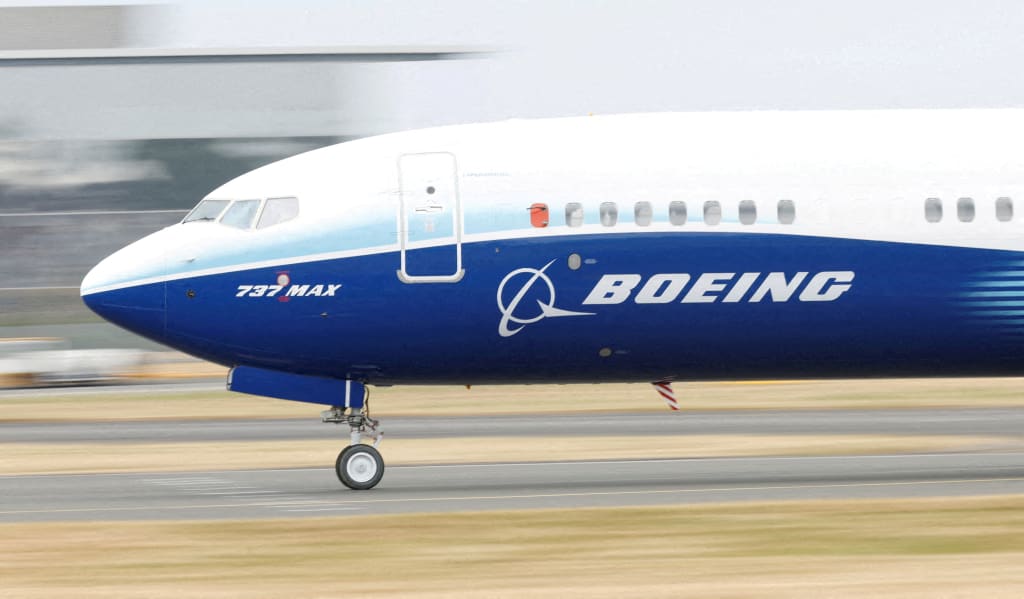
Boeing, a name once synonymous with aviation excellence and safety, now finds itself entangled in a significant safety crisis. This turmoil has been further amplified by the courageous testimonies of whistleblowers who have exposed deep-seated issues within the company. As the aviation giant faces intense scrutiny and legal battles, the accounts of these whistleblowers provide a critical lens into the systemic failures that have jeopardized safety and trust in the industry.
The Catalyst for Change
The catalyst for the renewed scrutiny of Boeing’s safety practices was a troubling incident in January 2024, when a door blew off an Alaska Airlines flight. This flight, which was a Boeing 737 Max, was fortunately free of casualties, but the incident exposed a glaring lapse in safety protocols. Investigations revealed that bolts securing the door had been removed during maintenance and not replaced, a mistake that could have had catastrophic consequences.
This event was not an isolated incident but part of a troubling pattern of negligence. The door malfunction highlighted systemic issues within Boeing’s safety management and maintenance procedures. The immediate fallout from the incident included a thorough review of Boeing’s safety practices and a reevaluation of its quality assurance processes. The company faced intense public and regulatory scrutiny, with critics arguing that this incident was indicative of broader systemic failures rather than an isolated oversight.
The incident spurred a wave of regulatory investigations, legal actions, and public outrage. It brought to light the need for a comprehensive review of Boeing’s internal practices and safety standards. The focus shifted to understanding whether the company’s culture and operational pressures were compromising safety, and whether the promised reforms in the wake of previous crises had been effectively implemented.
Whistleblowers Speak Out
Roy Irvin: A Harrowing Insider’s Account
Roy Irvin, a retired Quality Inspector from Boeing’s 787 Dreamliner program, has provided a harrowing account of the safety lapses he witnessed during his tenure. Irvin’s testimony reveals a disturbing picture of a culture driven by the dual pressures of speed and cost-cutting. He describes a work environment where quality control was compromised to meet production deadlines, and where safety checks were often sidelined in favor of quicker turnaround times.
Irvin’s account includes specific examples of safety issues, such as improperly installed hydraulic fittings, loose hardware, and fuel leaks. These defects, he asserts, were frequently overlooked or inadequately addressed due to the intense pressure to expedite production. Irvin’s testimony underscores a significant disconnect between Boeing’s safety assurances and the reality experienced by those on the ground. His revelations point to a systemic issue within Boeing, where the pursuit of efficiency and cost savings took precedence over ensuring the highest standards of safety.
Santiago Peres: The Final Check
Santiago Peres, a former Quality Inspector at Spirit AeroSystems, Boeing’s main supplier, has also come forward with alarming insights into the company’s safety practices. Peres recounts a work environment rife with defects and a culture where falsifying inspection records was commonplace. He describes numerous instances of finding defects in the fuselages, including missing and damaged parts, which were routinely downplayed or ignored under pressure.
Peres’ testimony highlights a troubling trend of negligence and misconduct that extended beyond Boeing’s own facilities. He describes a pattern of pressure to overlook significant safety issues and the threat of retaliation for those who refused to comply. His experiences reflect a broader systemic problem, where safety standards were compromised in the pursuit of efficiency and cost reduction. The accounts provided by Peres and Irvin reveal a troubling culture of disregard for safety, raising serious questions about the integrity of Boeing’s quality control processes.
The Fallout and Legal Repercussions
The testimonies of Irvin and Peres have had a profound impact on Boeing’s reputation and legal standing. The company’s CEO, Dave Calhoun, has faced intense questioning from US Senators and federal prosecutors, who are now considering whether to criminally charge Boeing for breaching a deferred prosecution agreement. This agreement, which was established to avoid charges related to previous crashes, required Boeing to implement comprehensive safety reforms.
The recent Alaska Airlines incident, coupled with the whistleblowers’ revelations, has intensified calls for accountability. There is growing concern that Boeing’s promised reforms may not have been fully implemented, and that the company’s commitment to safety remains in question. The legal implications for Boeing could be severe, with potential criminal charges and substantial financial penalties at stake. The company’s ability to address these issues and demonstrate genuine improvements in its safety practices will be crucial in navigating the current crisis.
Impact on Aviation Safety
The revelations from these whistleblowers have significant implications for aviation safety and regulatory oversight. The Boeing 737 Max, which was involved in two fatal crashes in 2018 and 2019, has already been a focal point for safety discussions. The introduction of the MCAS software, which contributed to these crashes, was part of a broader issue of cost-cutting and inadequate pilot training.
The continued scrutiny of Boeing’s safety practices reflects a broader industry challenge: ensuring that cost pressures do not compromise the fundamental principles of safety and reliability. The testimonies of Irvin and Peres underscore the importance of maintaining rigorous safety standards and ethical practices within the aviation industry. Their accounts highlight the need for effective regulatory oversight and a commitment to prioritizing safety over cost considerations.
Looking Forward
As Boeing navigates this crisis, the testimonies of whistleblowers serve as a stark reminder of the importance of transparency and accountability in aviation. The company faces a critical juncture in its efforts to rebuild its reputation and restore trust among passengers, regulators, and industry stakeholders. The ongoing investigations and legal battles will likely shape the future of Boeing and the broader aviation industry.
The lessons learned from this crisis will have far-reaching implications for the aviation sector. Ensuring that safety is prioritized above all else and that ethical practices are upheld will be crucial in preventing similar issues in the future. Boeing’s ability to address the concerns raised by whistleblowers and demonstrate a genuine commitment to safety will be key to its recovery and the future of the aviation industry.
About the Creator
Horace Was
Essay Writer, Aviation and Technology Expert
Keep reading
More stories from Horace Was and writers in Wander and other communities.


Comments
There are no comments for this story
Be the first to respond and start the conversation.