

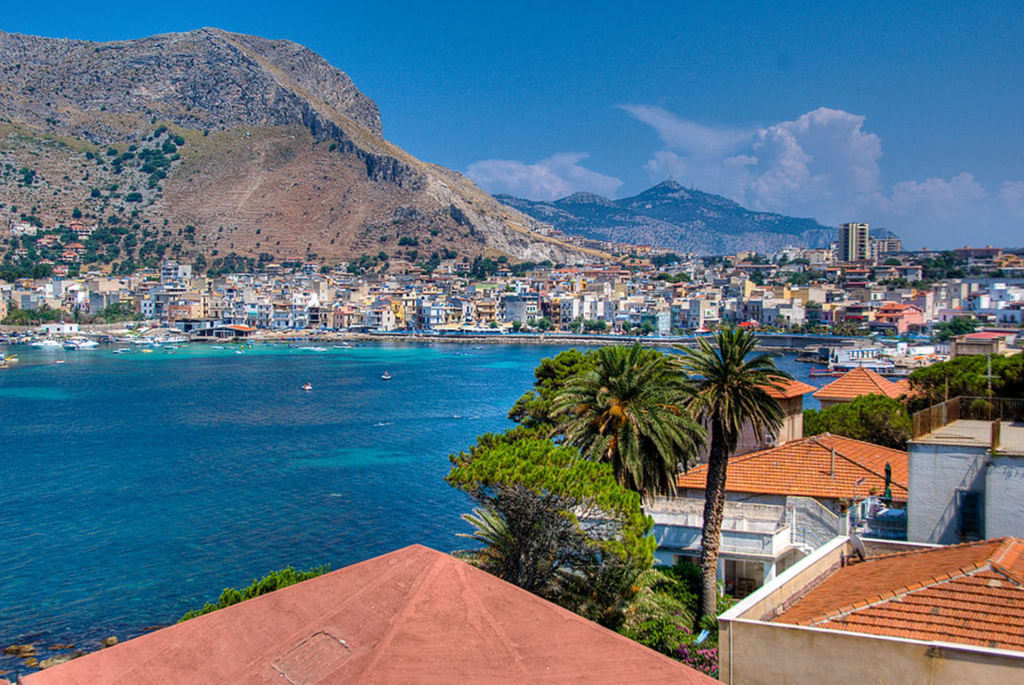
Sicily is the largest and most populous island in the Mediterranean Sea and one of the twenty regions of Italy. A wonderful place to visit is Sicily’s main city, Palermo. Here there appears to be adventure around every corner and so many wonderful things to see. Many different cultures mingle here and you can get a taste of it all while wandering through the streets of the old city.
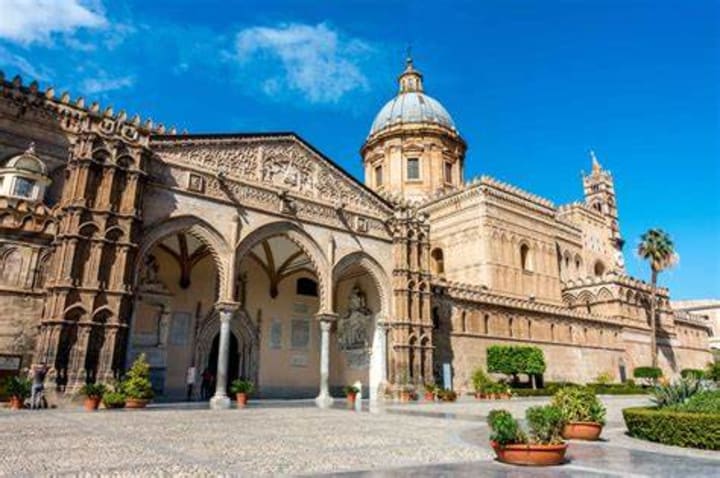
The Palermo Cathedral on Piazza del Catedrale has three apses, cross-over round arches, and curved parapets. Its 1453 Gothic-Catalan portico on the south side facing the square is impressive.
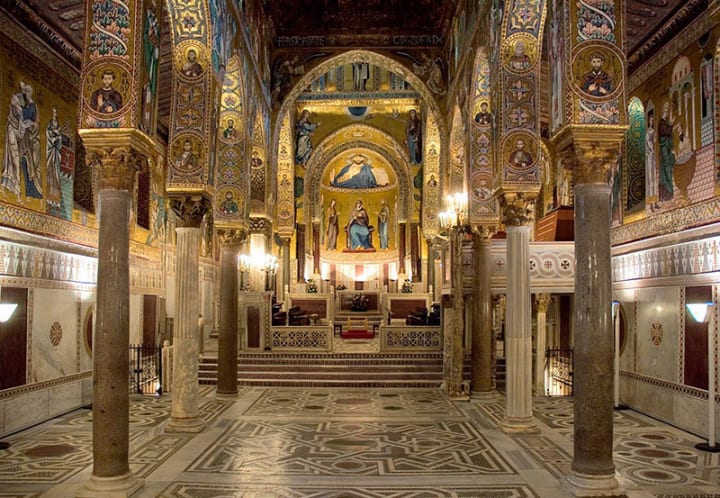
You’ll be dazzled by Capella Palatina an impressive chapel that was designed by Roger II in 1130. It counts as Palermo’s top tourist attraction. There is a three-tiered loggis and lots of amazing gold mosaics. Walk upon marble floors and look up at a wooden muqarnas ceiling that is a masterpiece of Arabic-style honeycomb carving. Many exquisite figurines to see all glittering in gold especially of interest is the depiction of Christ the Pantocrator and Angels on the Dome. The walls of the chapel are decorated with handsome marble inlay.
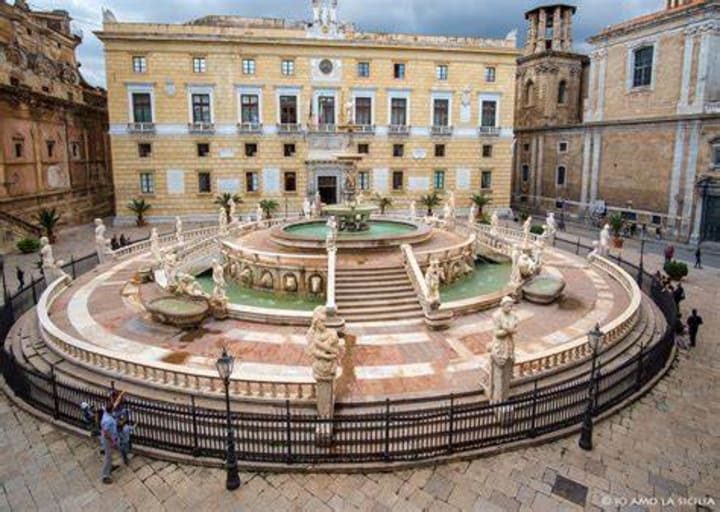
The biggest attraction of the square Piazza Pretoris, is the dominating fountain Fontana Pretoris. It has tiered basins all surrounded by nude nymphs, tritons, and leaping river gods. This lovely fountain was designed between 1554 and 1555 by Francesco Camilliani, a Florentine sculptor originally for the Tuscan villa of Don Pedro di Toledo, and was brought to Palermo in 1573. It stands before the Palazzo Pretoria or Municipal Hall.
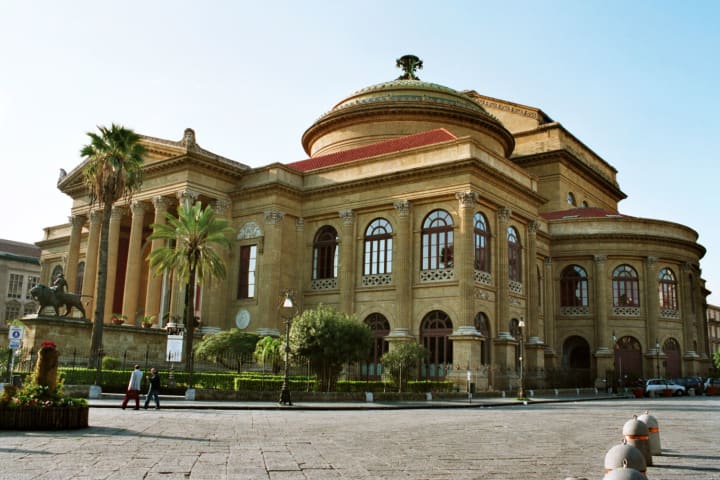
Take a look at a wonderful neo-Classical opera house Teatro Massimo, that took more than 20 years to build. It has become one of this city’s iconic landmarks. The final scene of the movie “The Godfather: Part III” was filmed here. Guided tours are offered in English, Spanish, French, and Italian.
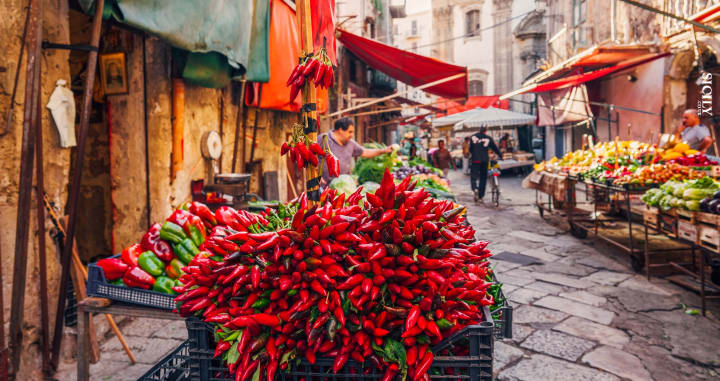
Get a real taste of Palermo and Sicily by taking a walk through the Marcato di Balaro. It is the city’s busiest market street. Here you can see and hear the street life of Palermo. Take the time to taste the fresh produce, from bread to olives to cheese as well as fresh fish and meat. You can also get clothing here and other items.
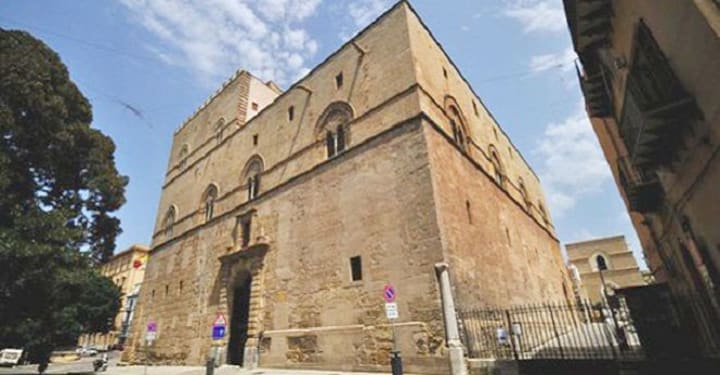
A fascinating place to visit is the Museo dell’Inquisizione or the Inquisition Museum. It is housed in the lower floors and basements of the 14th-century Palazzo Chiaromonte Steri. Recently opened this museum gives visitors a chilling look at the legacy of the Inquisition in Palermo. Here you can see cells with prisoner’s graffiti. If you like you can get a guided tour in English or Spanish. There are religious themes and themes of torture depicted. You can find two works by Sicilian modern artist Renato Guttuso here. A graphic depiction of the strangulation murder of inquisitor De Cisneros by the handcuffed 22-year-old prisoner Diego La Mattina and the artist’s 1974 masterpiece of the Vucciria market.
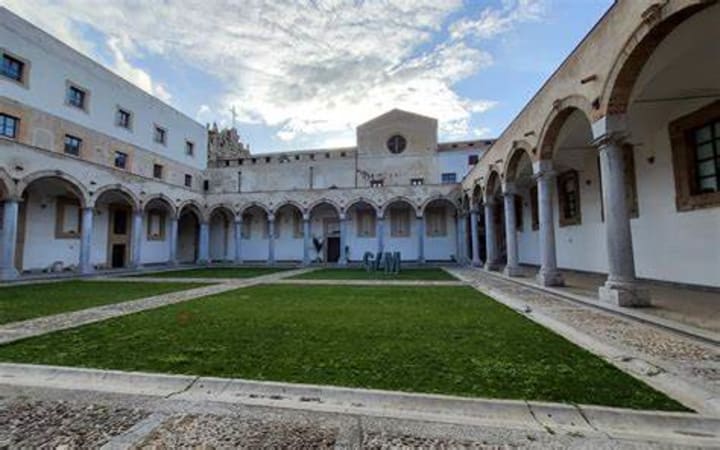
For a look at modern art visit the Galleria d’Arte Moderna housed in a renovated 15th-century palazzo that was a convent in the 17th century. There are three floors of art displaying 19th and 20th-century Sicilian art.
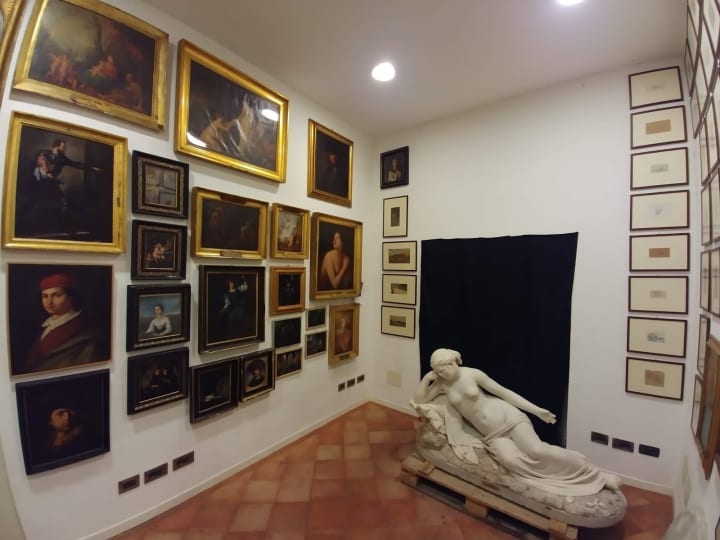
The paintings depict the scenes of Sicily among them Ultime foglie or Last Leaves, 1906 by Michele Catti and Leto’s Saline di Trapani depicting the reflective salt pools of western Sicily by Saline di Trapani.
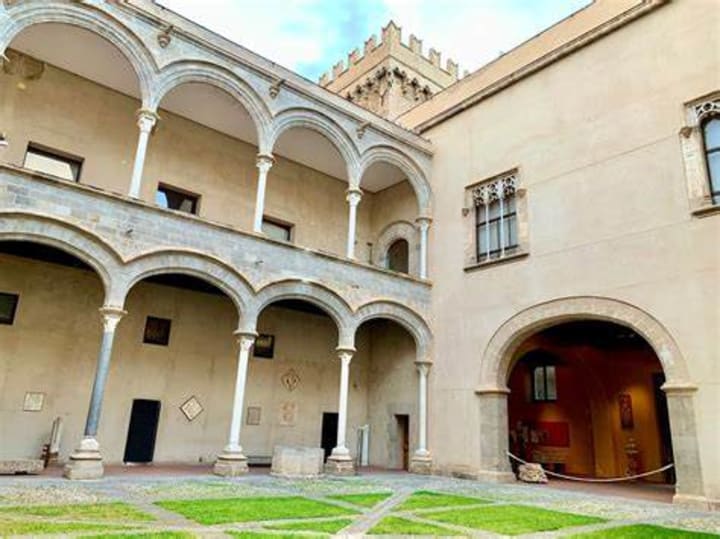
Palazzo Abatellis is a square building built in the Catalan Gothic style. It had a decorative doorway and an inner courtyard with a two-story loggia. In the old palace chapel, you can find the large mural Triumph of Death painted around 1400 by an unknown artist.
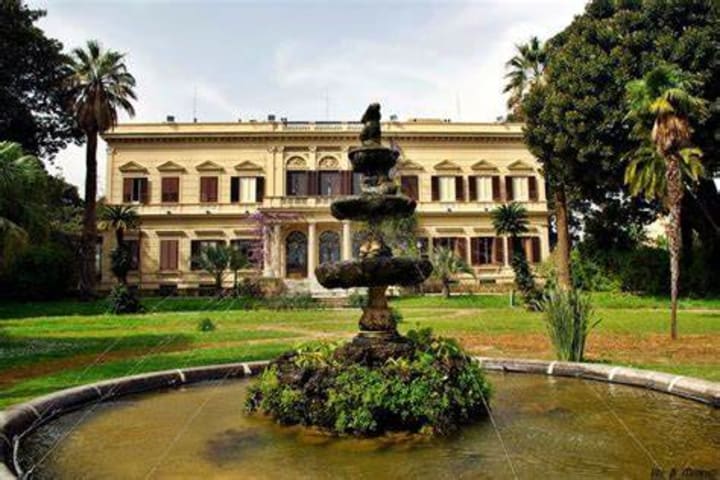
Villa Malfitano is a lovely villa with a formal garden with rare and exotic plants.
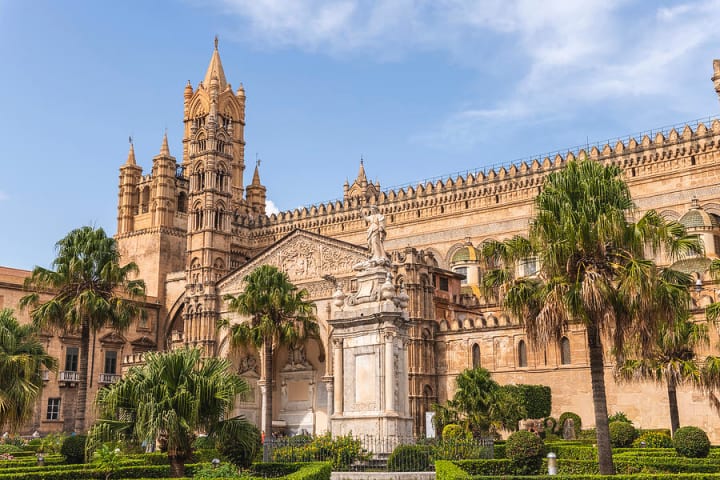
Norman Palace was built in the 9th century by Arabs for their Emir. Since 1947 the regional parliament has sat here.
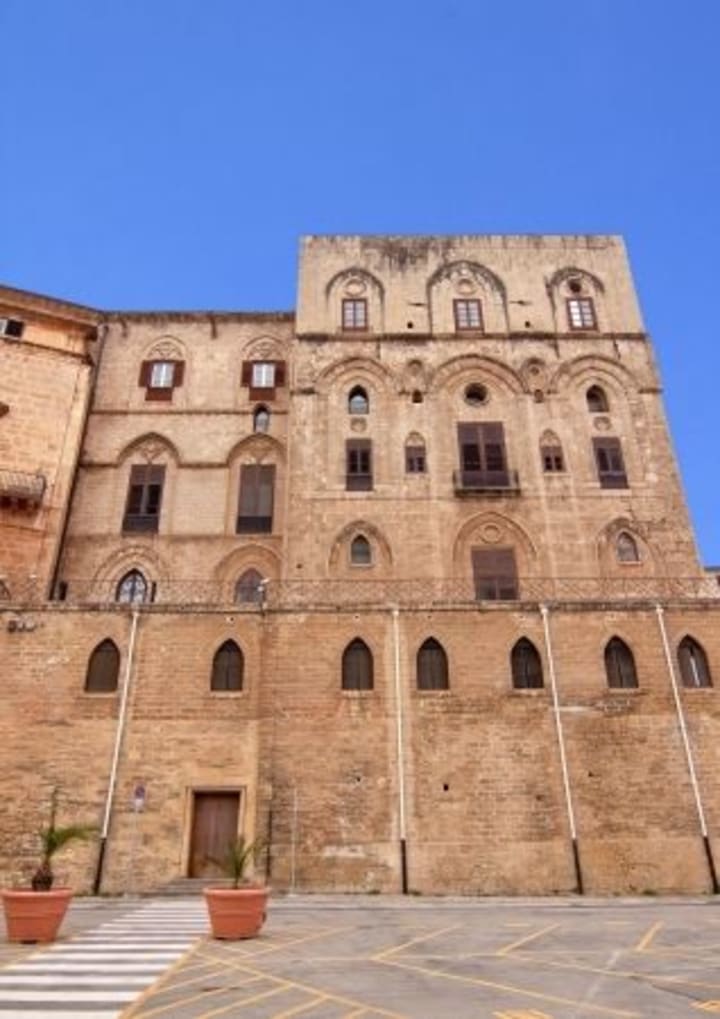
Torre Pisana has neat square stone blocks and blind arcades of ogival arches. It is the last of the original four towers.
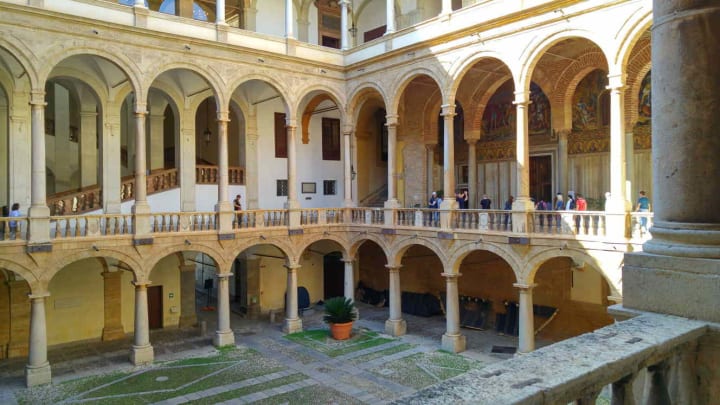
Cortile Maqueda is a square courtyard constructed in 1600. It is surrounded by three stories of arcades with rounded arches.
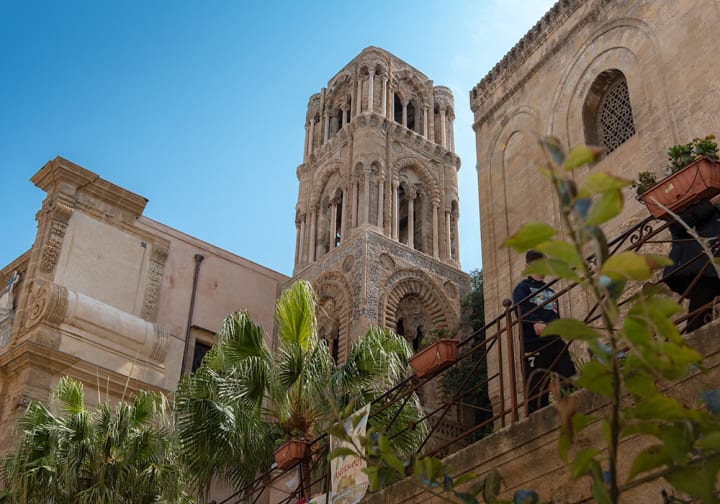
Santa Maria dell'Ammiraglio is known for its beautiful 12th-century mosaics. The Baroque front blocks the view of this Arabic-influenced church.
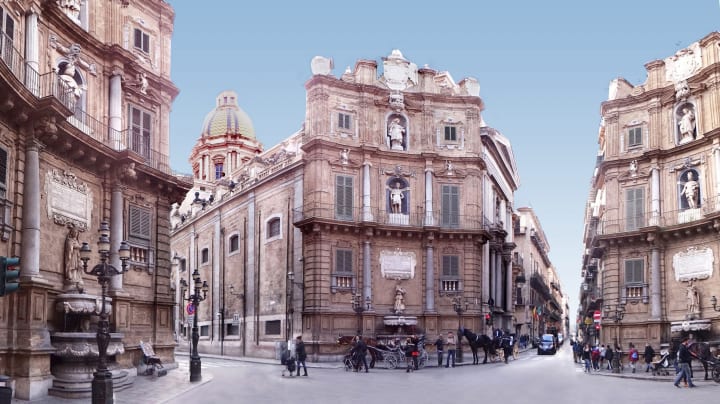
Quattro Canti is an open circular space laid out between 1608 and 1620. It sits at the junction of the two major streets in Palermo.
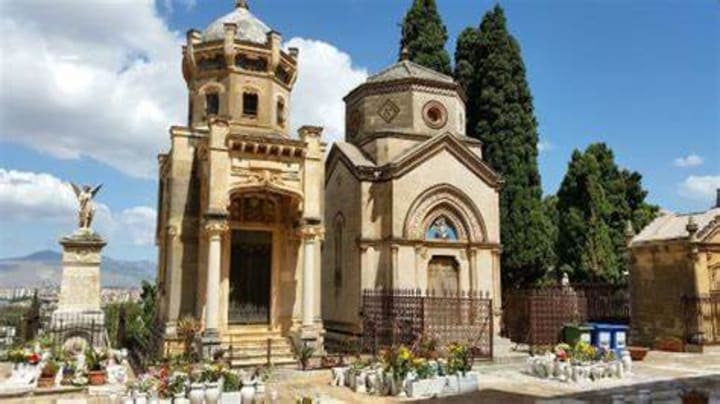
Santa Maria di Gesu is a former Minorite convent on the lower slopes of Monte Grifone.
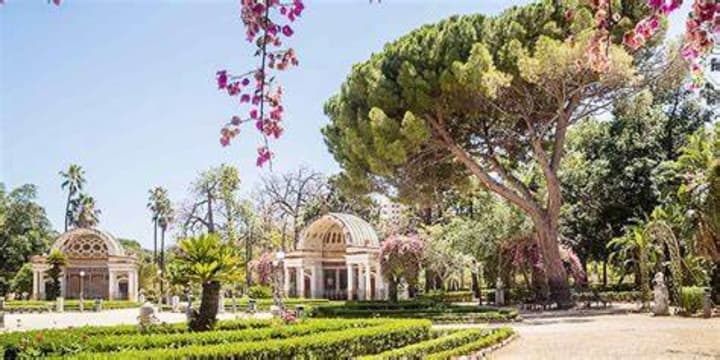
The Botanic Garden has a variety of plants including date and coconut palms, banana trees, and stands of bamboo and papyrus.
About the Creator
Rasma Raisters
My passions are writing and creating poetry. I write for several sites online and have four themed blogs on Wordpress. Please follow me on Twitter.
Keep reading
More stories from Rasma Raisters and writers in Wander and other communities.
Amazing Aruba
Aruba is a tiny Dutch Caribbean Island off the coast of Venezuela. The island offers dry, sunny weather and lovely beaches. There are constant trade winds with cooling breezes and this causes the divi-divi trees to slope southwesterly. Languages spoken here are English, Dutch, and Spanish as well as the local tongue Papiamento.
By Rasma Raisters2 years ago in Wander
Explore Yourself
I am a follower of all things Travel and Adventure, my eyes light up at the discovery of a new flight route to Armenia, A camel trek in the Western Sahara or a Windsurfing trip in Naxos. I sometime discover information about destinations so far removed from any known tourist guides that I cannot even pinpoint them on the world map without tracing the steps of previous explorers with some kind of obsessive desire to find the answers. The thought of the unknown is what drives my spirit of adventure, I leave scribbles and notes in diaries about trips and ideas far into the future, even if they are not viable or I never embark on them, but each idea is what inspires and motivates me to keep taking those steps to find what is over the horizon.
By Malachai Hough4 days ago in Wander



Comments
There are no comments for this story
Be the first to respond and start the conversation.