
Beautiful Buenos Aires
Sightseeing in the capital of Argentina

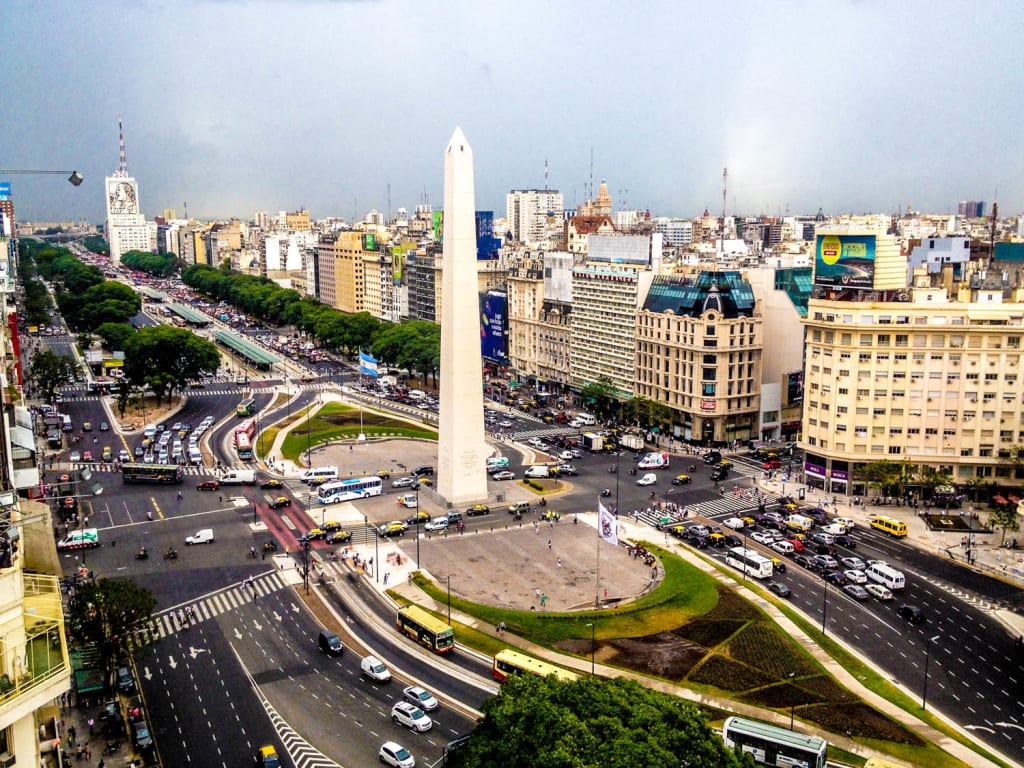
Beautiful Buenos Aires is the big, cosmopolitan capital city of Argentina. It is an amazing city with lots of impressive architecture, fascinating art galleries, and much to please the eye.

Plaza de Mayo is an amazing two-block-long plaza that was established in the 16th century. Many important events have taken place here like the uprising against Spain in 1810. Much of the area has been created just for pedestrians including two popular streets Florida and Lavalle. You’ll discover many important landmarks here.
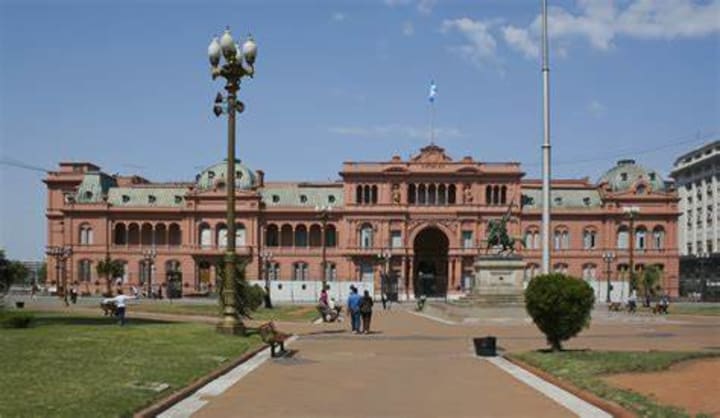
Casa Rosada is the pale pink Presidential Palace from which Eva Peron addressed enormous crowds.
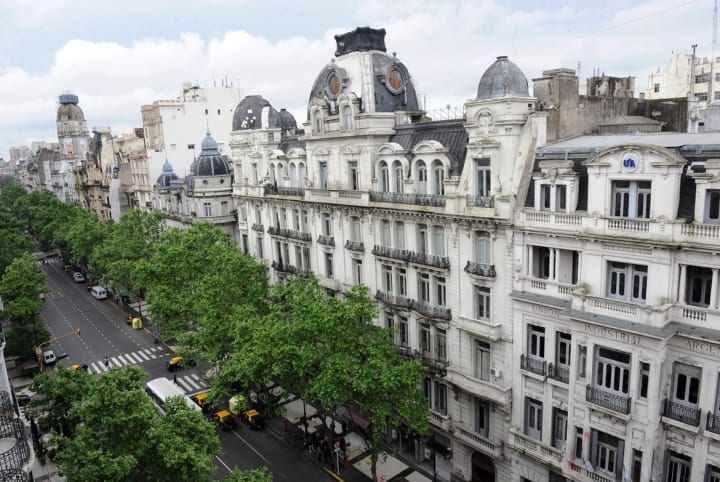
Take a stroll along Avenida de Mayo which is famous for its impressive buildings with their attractive facades and domes. There are such landmark buildings as the famous Cafe Tortoni and the National Tango Academy.
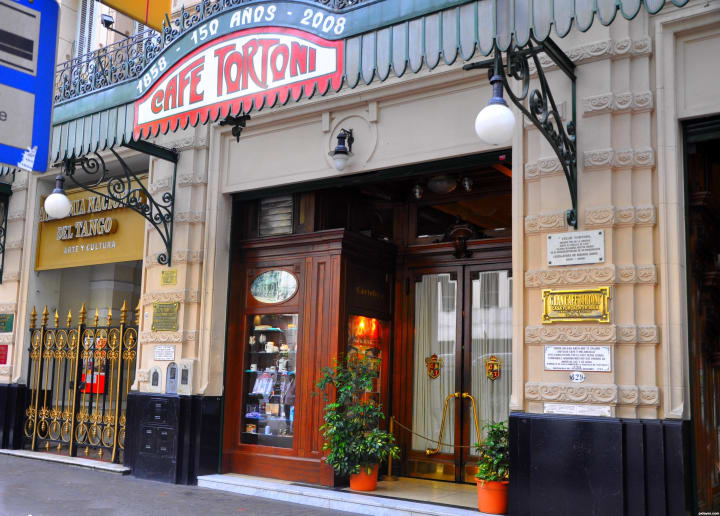
Cafe Tortoni opened its doors in 1858. It is a great place to stop and have a snack. It is famous for being the hangout of the great tango dancer Carlos Gardei and it’s been a meeting place for famous scholars and artists. It has impressive Tiffany glass ceilings.
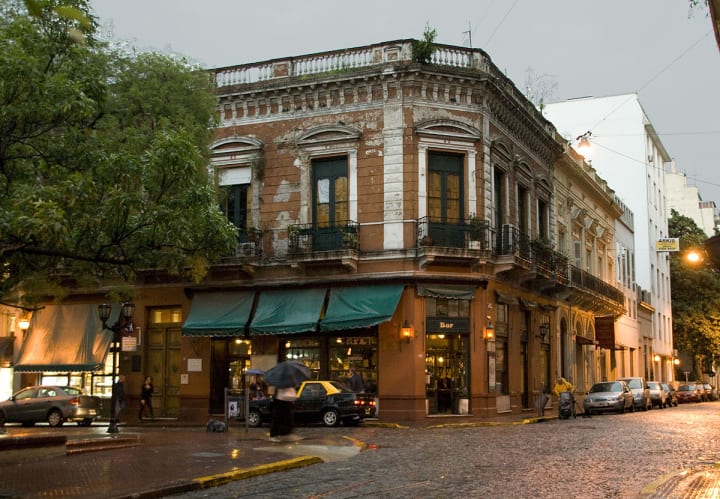
The city of Buenos Aires is the birthplace of the tango. It is just the place to step out and do some dancing or to learn the tango. A “milonga” is a place where people go to dance the tango and there are many such places all over the city. On a Sunday night at a milonga in Plaza Dorrego, you can see people dancing in the street.
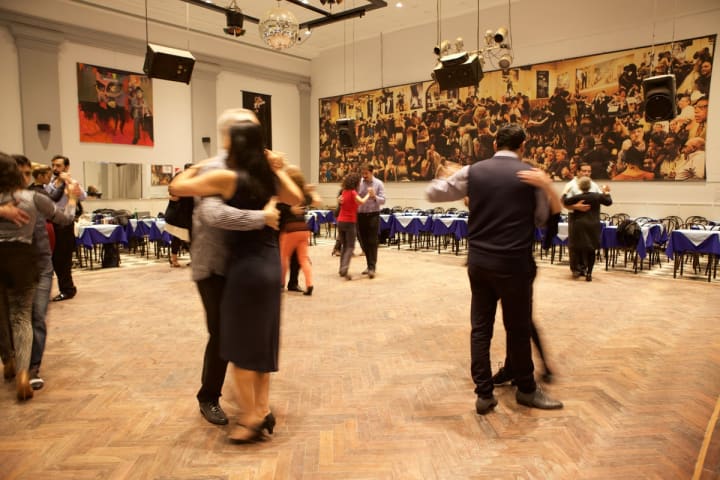
At Salon Canning, you’ll find traditional milongas that also offer classes and shows.
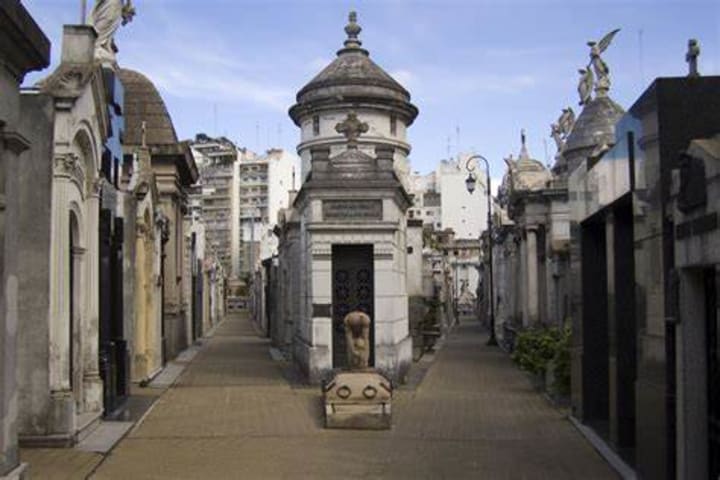
The Recoleta Cemetery takes its name from the Franciscan convent that stood here around 1716. Today it is best known for its amazing burial ground. Here you’ll see many elaborate mausoleums which are the final resting places of many famous Argentines such as Eva Peron, in the Duarte family tomb.
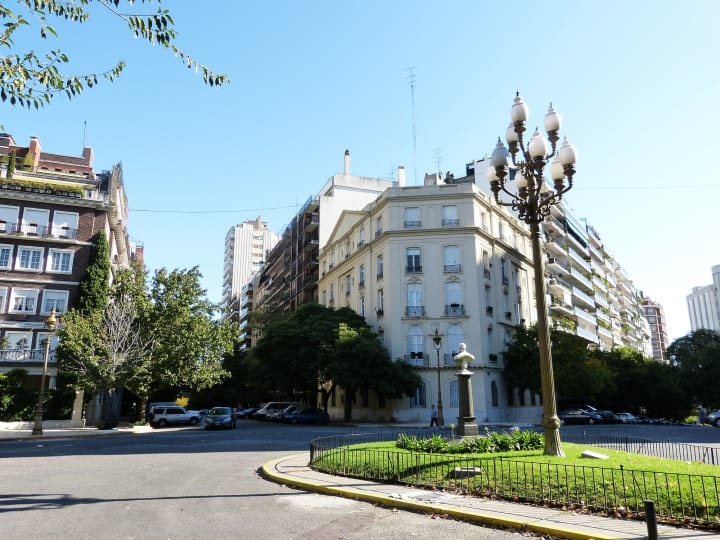
Afterward, you can take a look at the rest of the Recoleta neighborhood which has lovely public gardens, cafes, and craft shops.
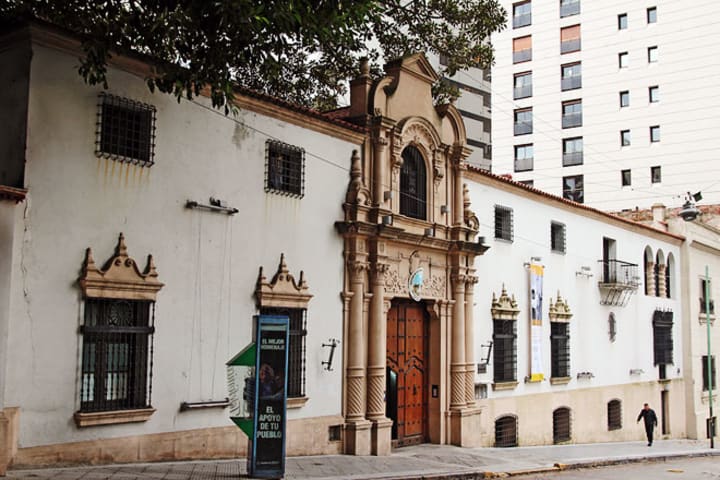
The Museo de Arte Hispanoamericano Isaac Fernandez Blanco offers an extensive collection of colonial silver, wood carvings, paintings, and costumes.
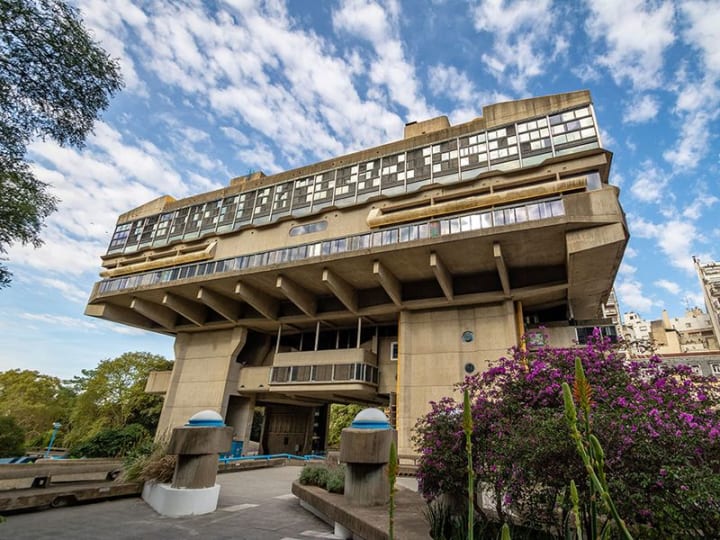
The National Library where literary great Jorge Luis Borges served as director in the 1950s.
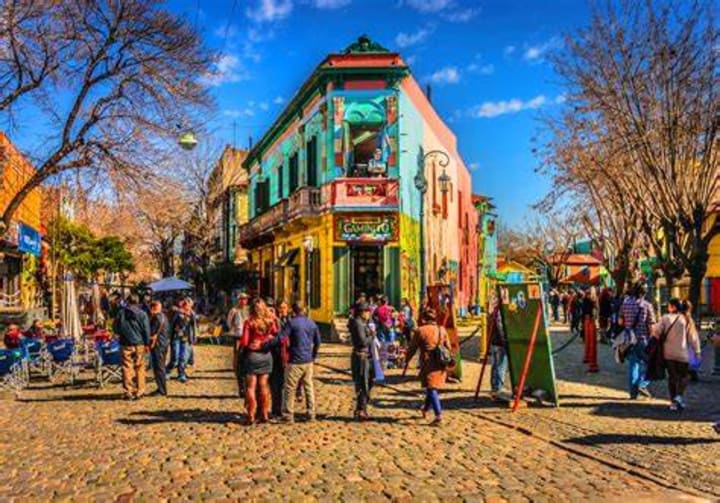
La Boca is a colorful neighborhood in Buenos Aires. It is a favorite of artistic and creative people. They take their art onto the streets, decorated balconies and patios with amusing sculptures.
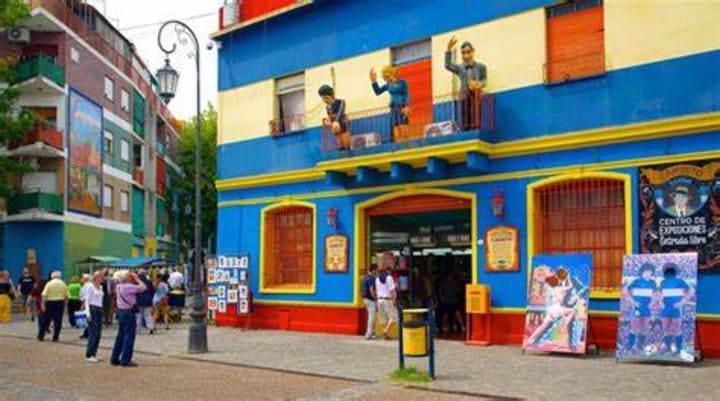
Visitors enjoy taking a look at the Caminito Street Museum which is a colorful pedestrian-friendly zone, functioning as an open-air museum and art market since 1959. You’ll see brightly colored buildings. There are open-air tango demonstrations and the area is named after a tango.
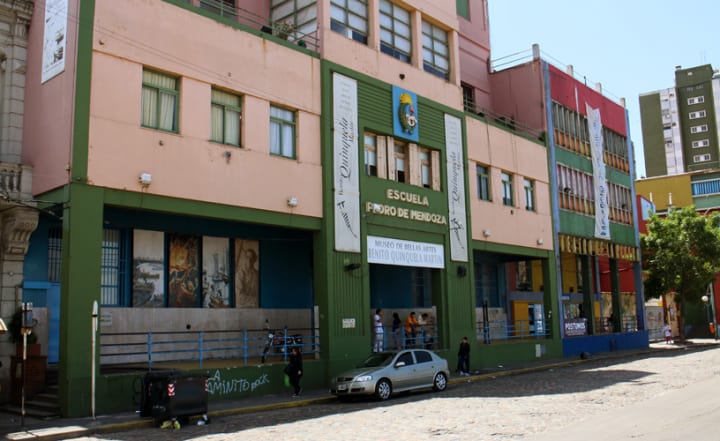
The Museum of Decorative Arts of Quinquela Martin has an excellent collection of artwork by notable 20th-century Argentinian artists.
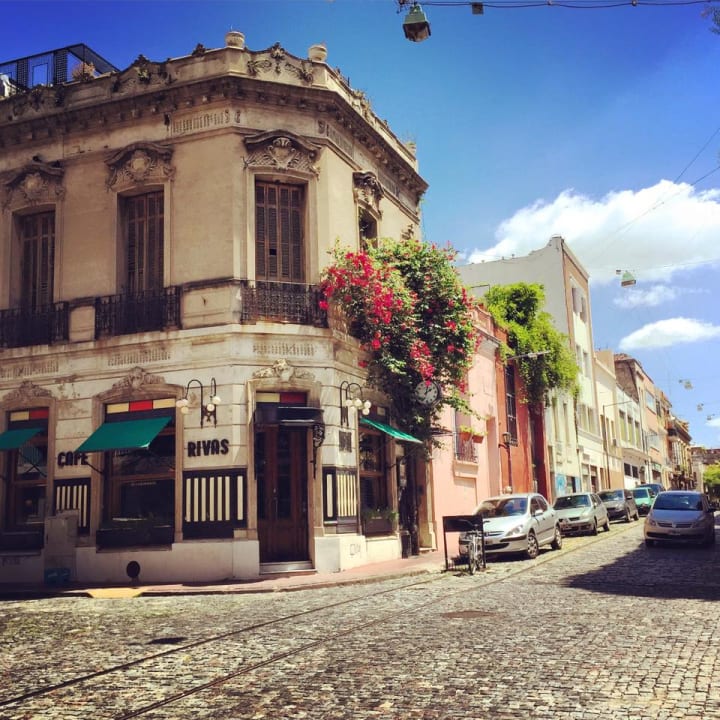
San Telmo is another colorful district with narrow cobblestone streets and old colonial-style buildings. There are many art studios and galleries. The area is also known for its cafes, tango parlors, and boutiques.
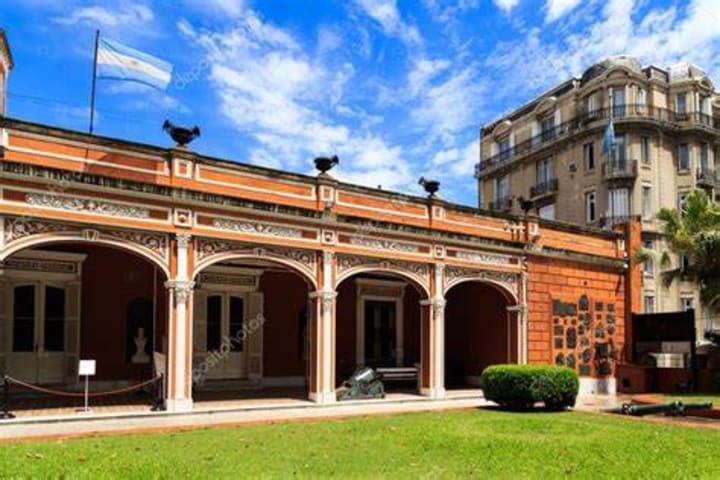
Visitors enjoy the National Historical Museum which offers displays relating to the history of Argentina. Altogether the museum has over 50,000 artifacts among them the most important is the collection of paintings by Candido Lopez.
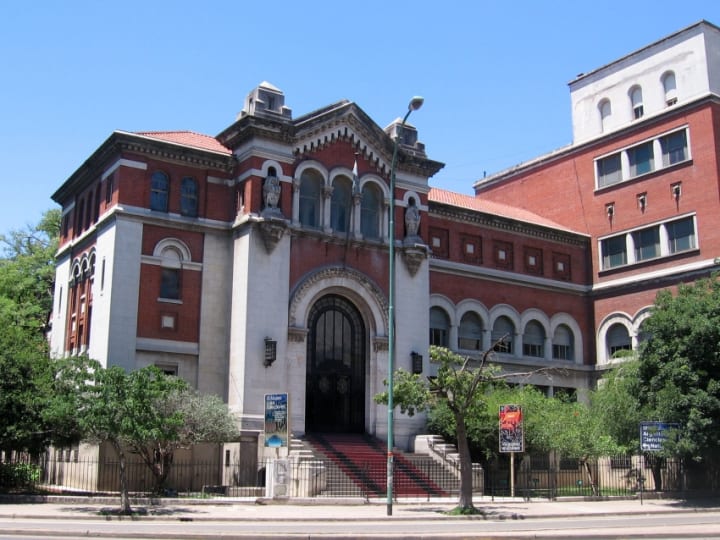
Stop by the Bernardino Rivadavia Natural Science Museum which opened in 1826 and has thirteen exhibition halls with displays of Argentinian flora and fauna. There is also an on-site aquarium.
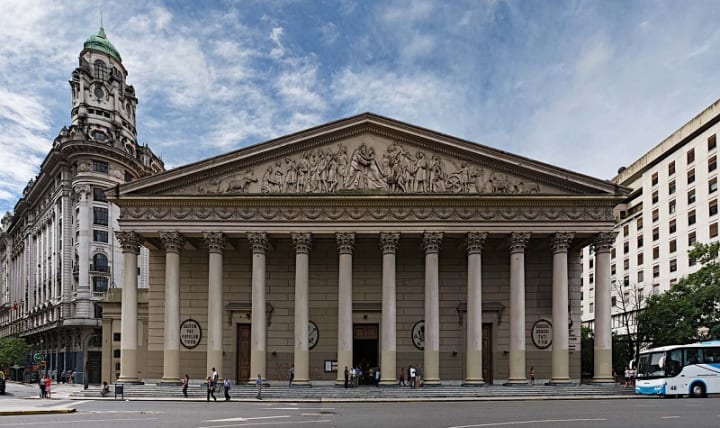
The Metropolitan Cathedral dates back to 1822 and has a neo-Classical facade. It overlooks the Plaza de Mayo and can trace back its roots to the early 16th century. It has a beautiful neo-Renaissance and neo-Baroque interior. Some of the highlights here are the 18th-century altarpieces and statues and the Walcker organ dating from 1871 with 3,500 pipes. Visitors can also see the tomb of one of Argentina’s most revered revolutionary heroes, General Jose de San Martin.
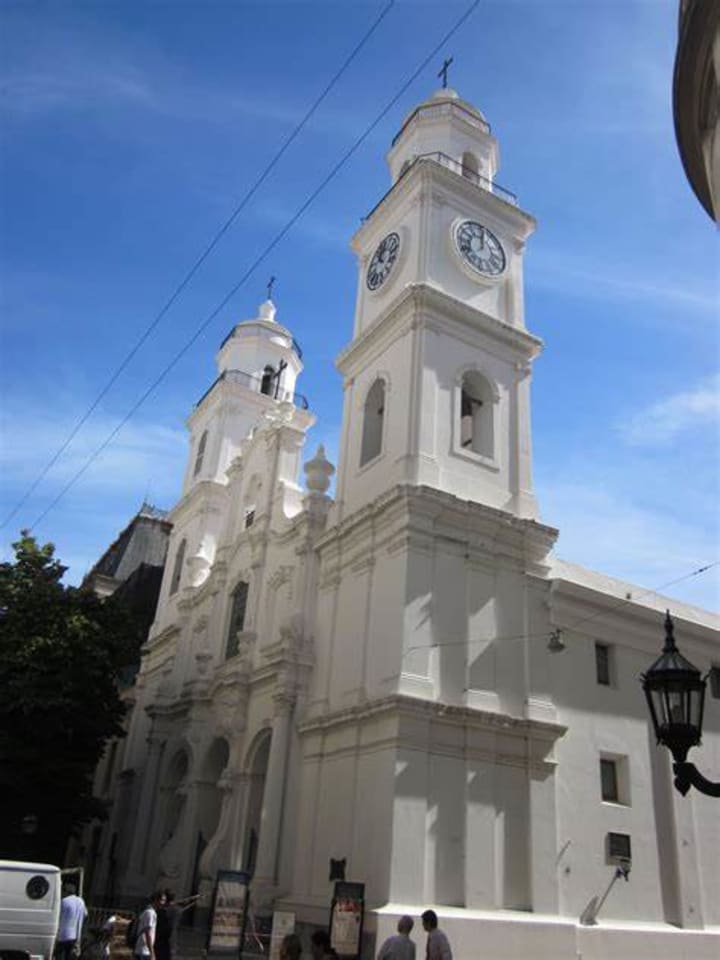
Take the time to see the Block of Enlightenment, a city block traditionally looked at as the historical center of learning and high culture. Here you can find the Colegio Nacional de Buenos Aires and the San Ignacio Church, the city’s oldest surviving church famous for its tunnels and artwork.
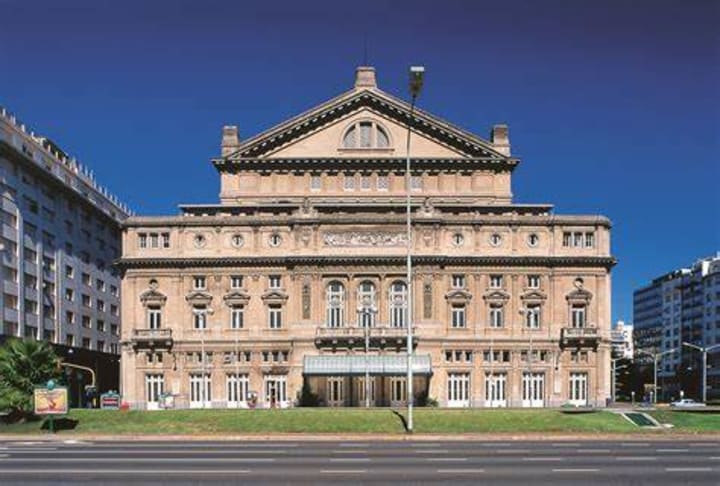
The Colon Theater opened in 1908 and is a venue for world-class opera, ballet, and classical music. It has played host to such greats as Callas, Toscanini, Caruso, and Pavarotti. Visitors can get guided tours of the theater.
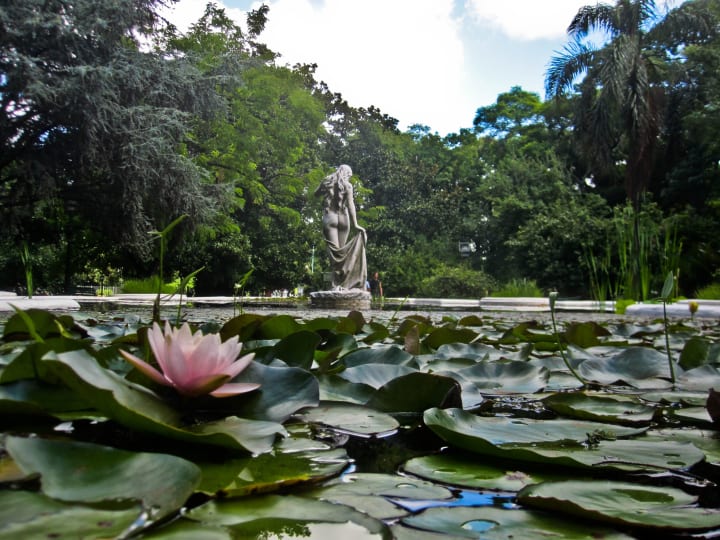
Palermo is a major recreational area where you can find many of the city’s largest and most popular parks. Among them is the Jardin Botanico an excellent botanic garden with many lakes, bridges, and sculptures spread out over 20 acres. It was established in 1898 and has some 5,000 flower species from around the world as well as from Argentina. Highlights here include the French and Italian Gardens, along with an herb museum and horticultural school.
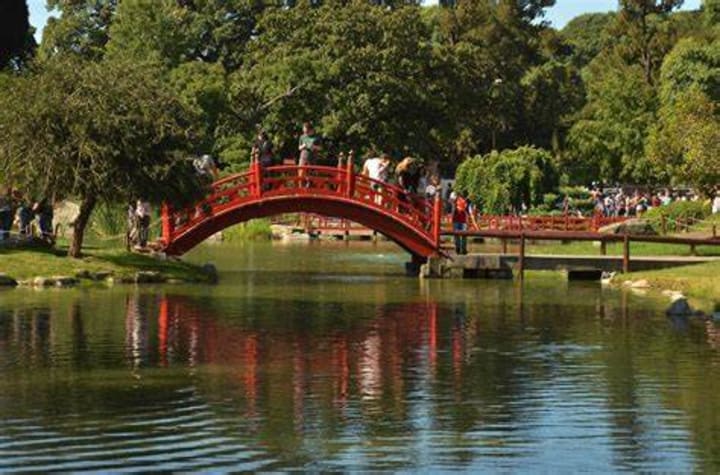
The Buenos Aires Japanese Gardens is the largest such garden in South America and is popular for its bonsai collection.
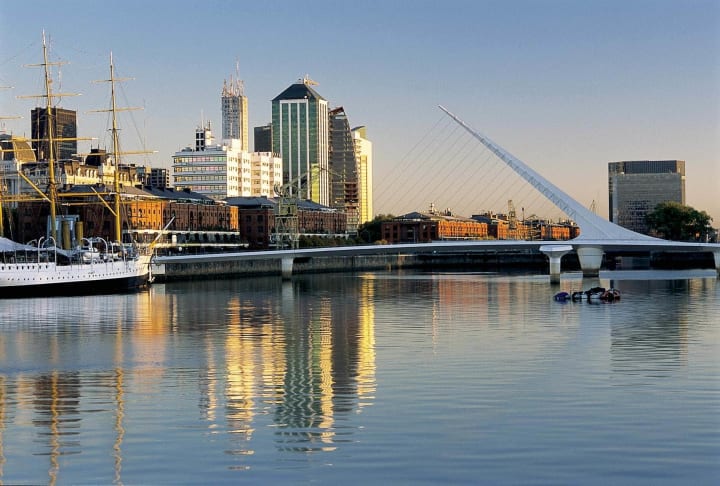
Puerto Madero is a modern cosmopolitan neighborhood situated along the water. It is a great place for a stroll. Here you will find the iconic Puente de la Mujer or Bridge of the Woman. There are two ships that are now naval museums worth exploring the Sarmiento and Uruguay.
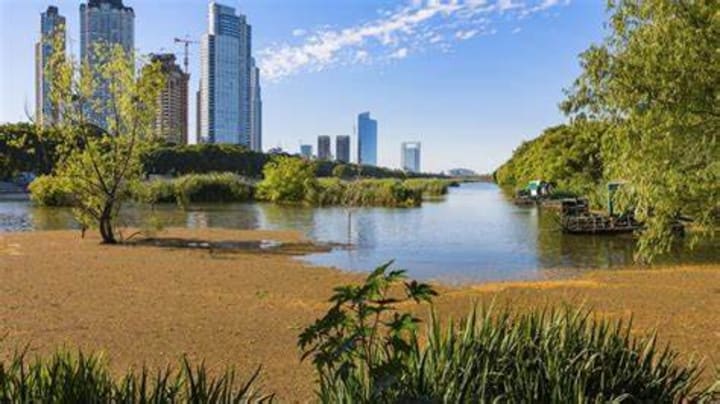
At the Reserva Ecologica, you can catch a glimpse of the Atlantic Ocean. Here you will find footpaths to wander along or ride a bike along one of the bike trails.
About the Creator
Rasma Raisters
My passions are writing and creating poetry. I write for several sites online and have four themed blogs on Wordpress. Please follow me on Twitter.
Keep reading
More stories from Rasma Raisters and writers in Wander and other communities.
Kuala Lumpur on the Klang River
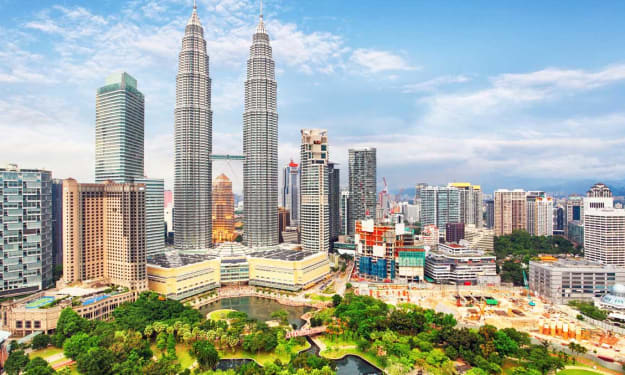
The name Kuala Lumpur means “muddy confluence” in Malay. It lies at the confluence of the Klang and Gombak Rivers. The capital of Malaysia, Kuala Lumpur is known by locals as KL. It has an amazing modern skyline that is dominated by the Petronas Twin Towers. The city has impressive British colonial-era landmarks. There are many interesting things to do and see in this lovely city.
By Rasma Raisters2 years ago in Wander
Across the Bridge of Flowers
Welcome, fellow wanderers, to Postcards Between Pages, where stories spill out from well-thumbed novels into the world, and where travel isn’t just a journey of miles, but a pilgrimage of meaning. I’m your host, inviting you today to one of the most poetic destinations on the American map—a place where steel and stone have, quite literally, been transformed by blossoms and imagination: the Bridge of Flowers, in Shelburne Falls, Massachusetts.
By Kristen Barenthaler3 days ago in Wander
Whispers of Winter
"There are places where the holiday season doesn’t just arrive — it settles in. It curls around you like a wool scarf, it glows like a candle in a frosted window, and it whispers stories you swear you’ve heard before. Today, we’re stepping into one of New England’s most enduring traditions: the Enchanted Village at Jordan’s Furniture in Avon, Massachusetts."
By Kristen Barenthaler3 days ago in Wander


Comments
There are no comments for this story
Be the first to respond and start the conversation.