
Banja Luka and Sarajevo
Two cities in the European country of Bosnia and Herzegovina

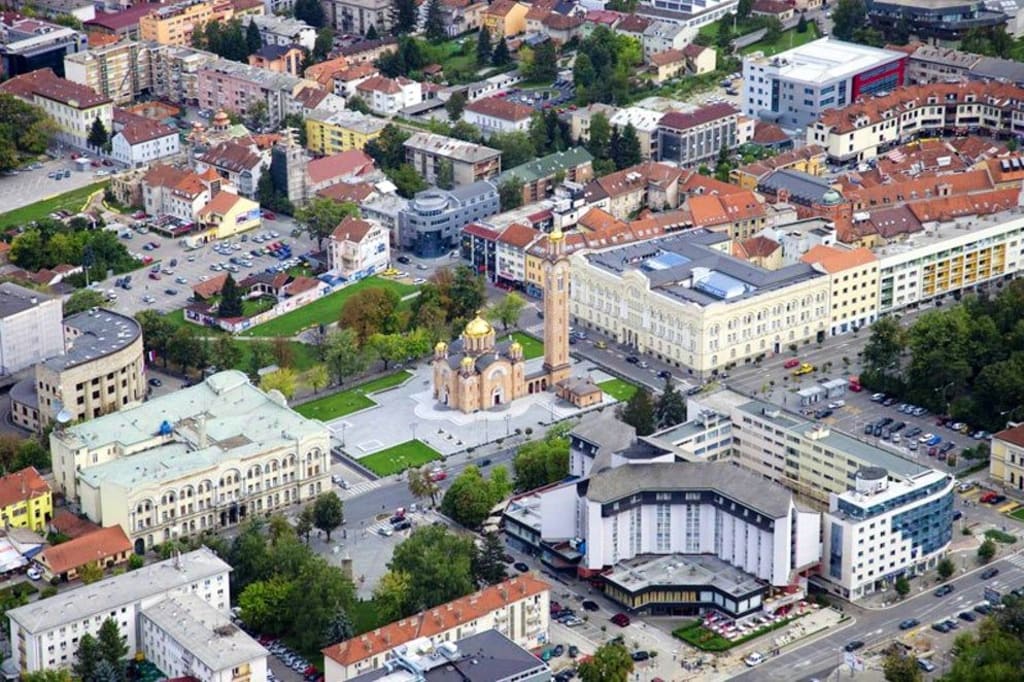
Banja Luka is the second-largest city in Bosnia and Herzegovina. It is a most charming city that has been divided by the Vrbas River. This city counts as the capital of the Serb Republic or Republika Srpska. It is surrounded by lovely green, rolling hills. In Banja Luka, visitors delight in the tree-lined avenues, boulevards, gardens, and parks. There is a vibrant nightlife as the sun goes down and a choice of music in the bars and clubs found all around town.
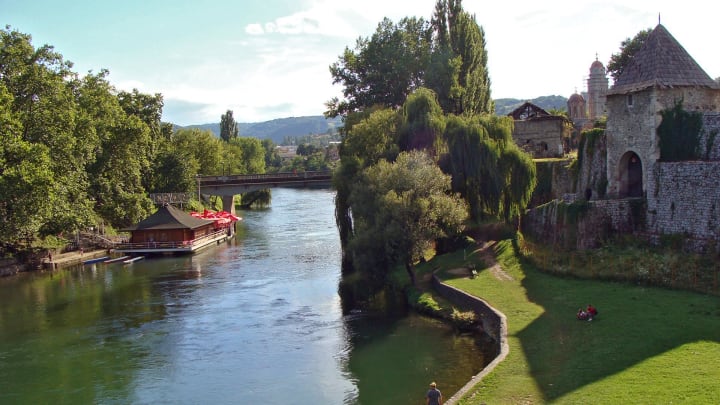
Visitors and residents enjoy strolling by the Vrbas River where there are lovely weeping willows growing on the banks and in the summertime, you can relax and watch people go by at the riverside cafes. If you’re into sports there is rafting and kayaking.
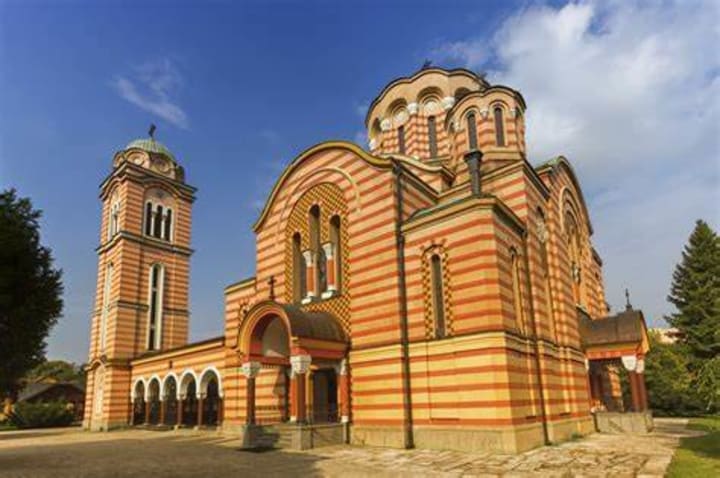
Located right in the center of town is the brightly colorful Cathedral of Christ the Saviour. It is a most eye-catching landmark and was built between 1925 and 1929. Unfortunately, the church was destroyed during wartime. It was constructed once again in its original location.
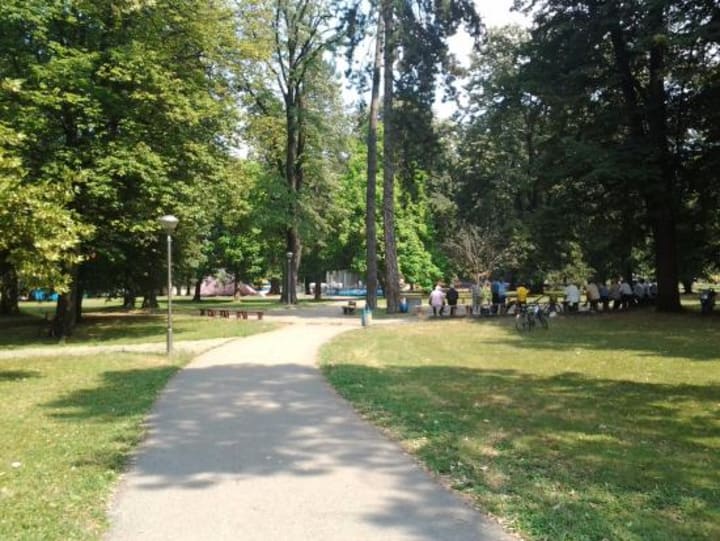
Banja Luka has many lovely parks among them Park Mladen Stojanovic. This park was named after a doctor and W W II national hero. It is the largest park in the downtown area and has several tennis courts. It is a great place for relaxing and strolling and has a café and restaurant. Special events are also held here.
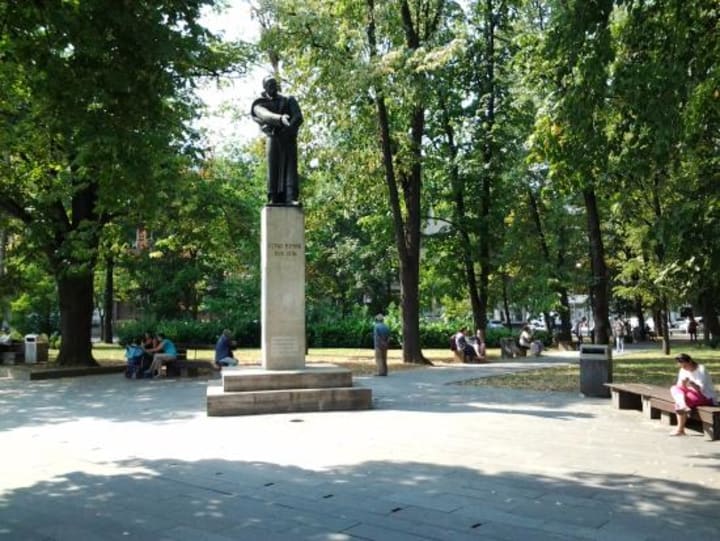
Park Petar Kocic is located in the center of town and was named after a turn-of-the-century Serbian poet and writer. Visitors can see his statue in this park. It has become a favorite place for families to relax and you can even come here to view the stars above at night. A glass-walled building in the park is used for cultural and musical events.
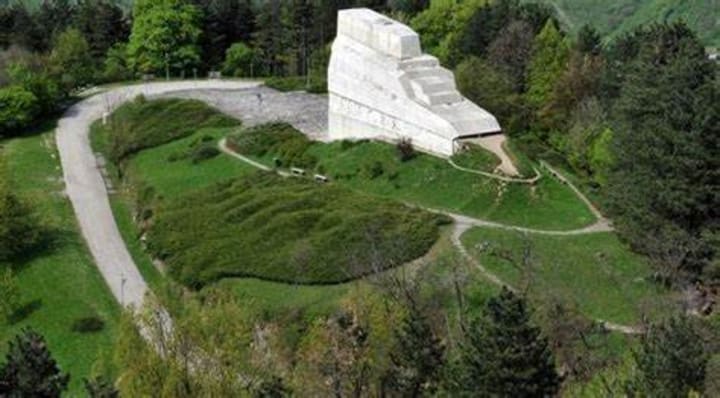
To get a wonderful view of the city head for Banj Brdo a hill that overlooks the city and has a WW II memorial and picnic grounds. This is a favorite place to catch breathtaking views of sunsets. Tree-lined paths lead to the top of the hill. Residents enjoy it even in the wintertime when white snow is all about.
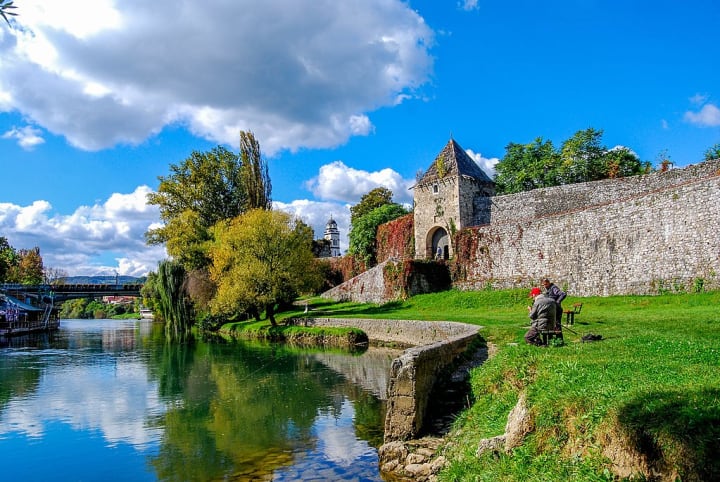
Visitors enjoy exploring Kastel Fortress with its high walls and towers. There is a spectacular view of the Vrbas River as one goes through the archway. The banks of the river are a favorite place to relax. This fortress was built by the Romans and taken over by the Ottomans. It often hosts outdoor concerts.
The Charm of Sarajevo
Sarajevo is the capital and largest city in Bosnia and Herzegovina. It is located in a lovely spot where there are lots of hills and tall mountains. Walking about Sarajevo is like walking into history. Visitors delight in the oriental Ottoman quarters that offer shops with sweets, cafes, and shops with handicrafts and the administrative and cultural center of Austro-Hungarian times both worlds melt together here.
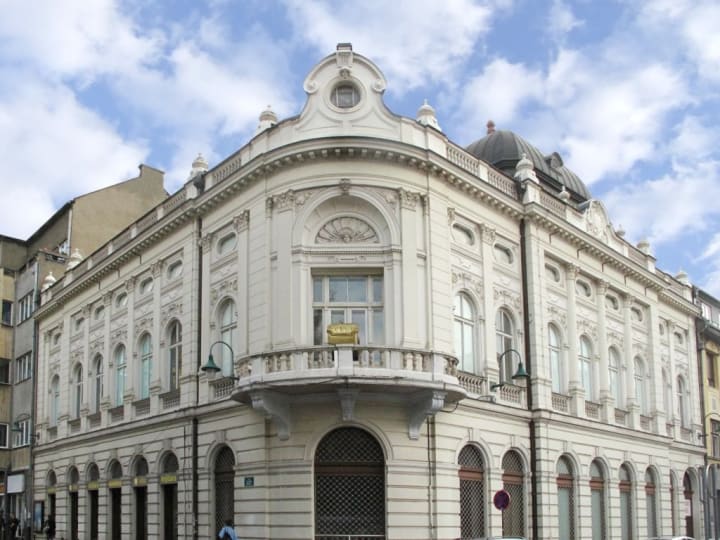
Near the Orthodox Cathedral, you’ll find the National Gallery of BiH. Here visitors get to see the eclectic artworks of Bosnian artists. Artists who are both contemporary and those who represent the rich artistic traditions of their country’s past. The collections displayed here include paintings, photos, sculptures, and installations all of which have been curated around color themes.
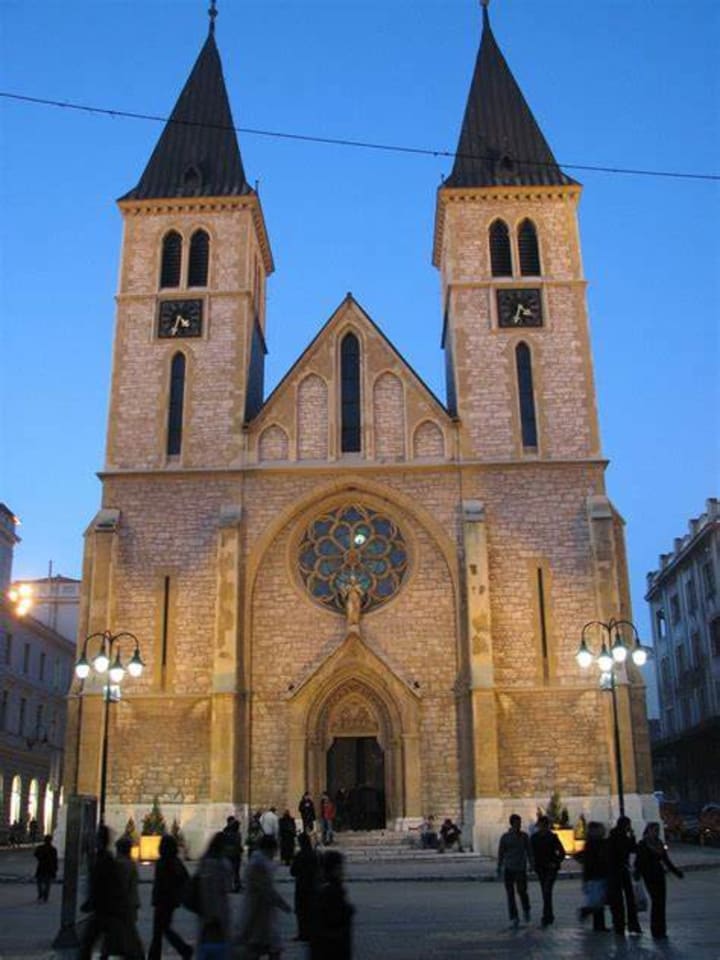
The Cathedral of Jesus’ Heart is the largest cathedral in Bosnia and Herzegovina. It looks quite majestic against the skyline of Sarajevo. This cathedral was built in 1889 by Josip Vancas. Inside you’ll see pastel blue and cream walls and lovely stained glass.
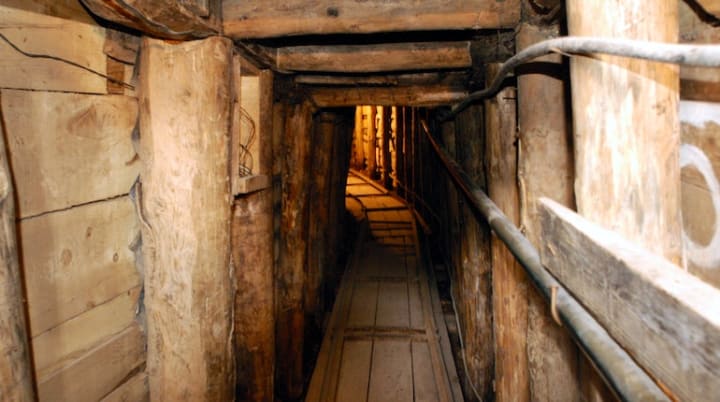
Even though it is small it’s fascinating to visit the Tunnel Museum. It was dug during the war and the tunnel was a link between the besieged city and the free zone lying beyond the airport. It provided a lifeline through which passed the injured. Nowadays there are only about 20 meters left of the original 700-meter-long tunnel. Visitors can get a feel of how things were by making their way through the dim passageways. The museum proper is located in one of the two houses that provide entrance and exit points. You can see wartime memorabilia and view footage of the siege and the tunnel’s construction and operation. It is a video that touches the heart showing shells shooting across the sky of the city and landing into apartment blocks, the National Library on fire, and soldiers and civilians making their way through it all.
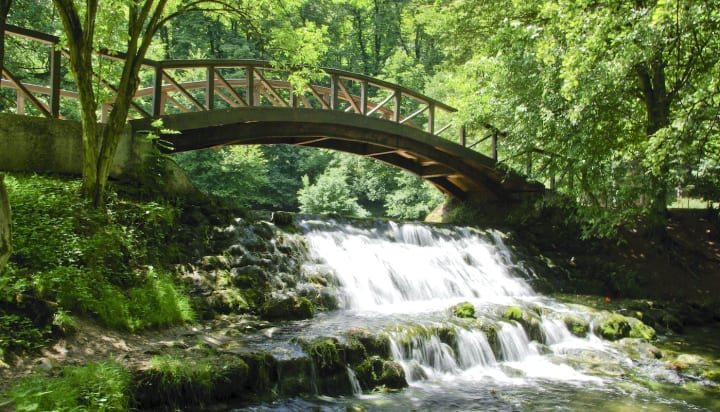
Vrelo Bosne is a lush green park by the Bosne River found 12km from the city center in the suburb of Ilidza. Here you can enjoy waterfalls and see swans swimming. There are horse-drawn carriages and you can visit Austro-Hungarian palaces. For relaxing there are outdoor cafes.
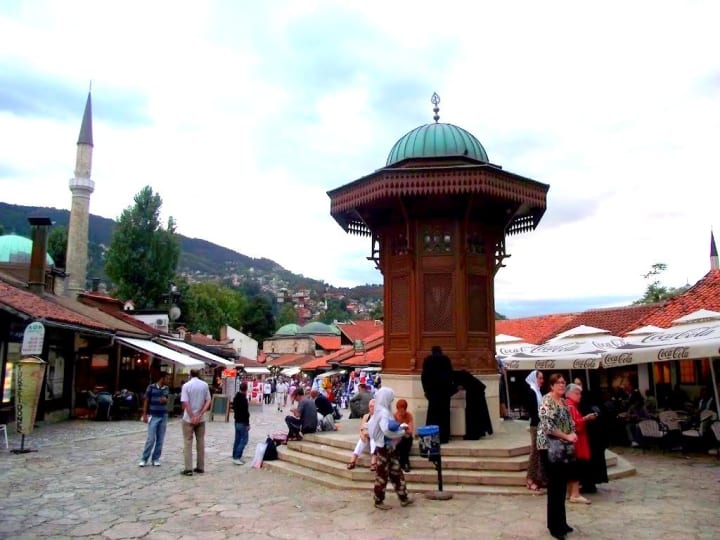
The heart and soul of Sarajevo is Bascarsija pronounced Bosh-CHAR-shee-va meaning “central market”. This is the area of the city that is home to the majority of the city’s hotels, restaurants, sights, and nightspots. During Ottoman rule, it was the center of trade and commerce. This is a lively and vibrant place where you can see lots of tour groups.
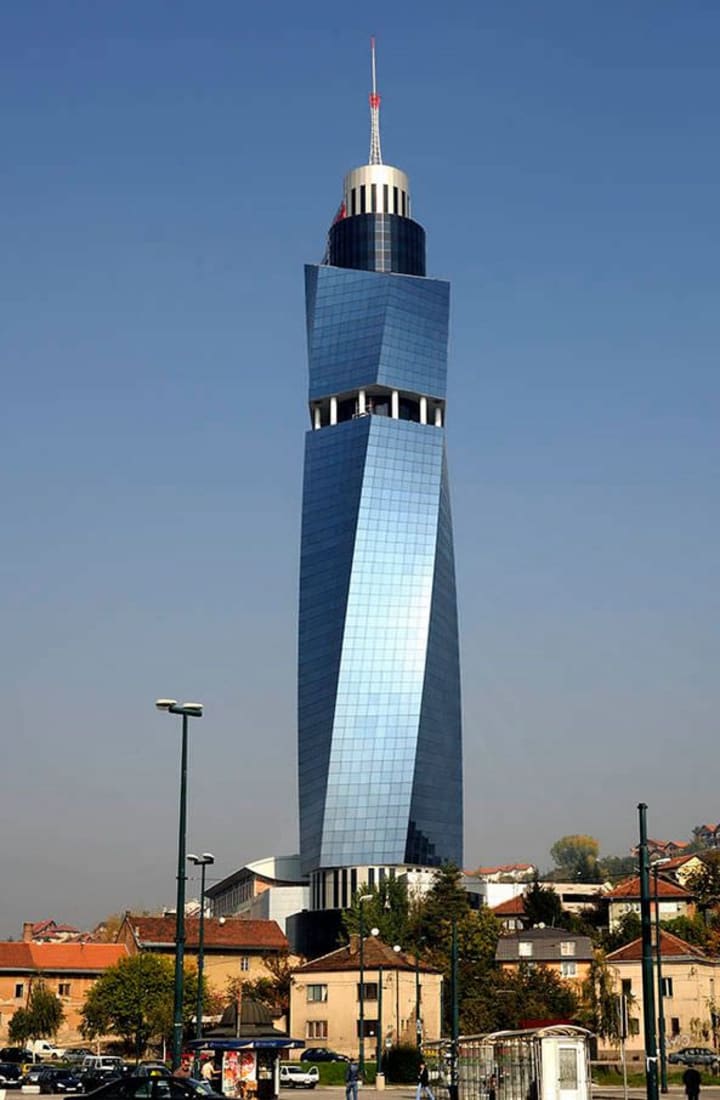
When you want to see what else Sarajevo has to offer you head for the modern AvazTwistTower which is a column of smoky blue glass. It stands 172 meters tall and has an observation deck from which you can see the city spread out before you. The lookout floor has both indoor and outdoor areas providing spectacular views all around. There is a café-bar for refreshments.
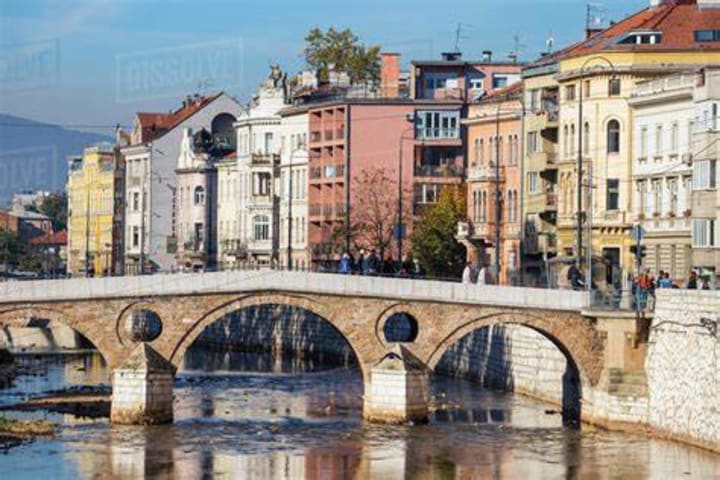
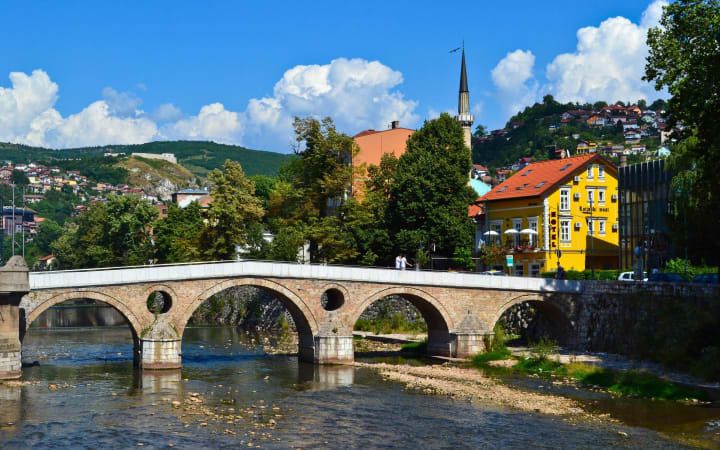
The Latin Bridge dates back to 1798 and has a dark history. This Ottoman bridge is the place where the heir to the Austrian throne, Archduke Franz Ferdinand, and his pregnant wife were assassinated on June 28, 1914, by a Bosnian Serb nationalist, Gavrilo Princip. There is a plaque on this site and a small museum.
About the Creator
Rasma Raisters
My passions are writing and creating poetry. I write for several sites online and have four themed blogs on Wordpress. Please follow me on Twitter.
Keep reading
More stories from Rasma Raisters and writers in Wander and other communities.
Top 10 colonial hotels in sri lanka
Sri Lanka, once known as Ceylon, carries a rich colonial legacy shaped by Portuguese, Dutch, and British rule. This history is beautifully preserved in a number of colonial-era hotels scattered across the island. From grand seaside mansions to hill-country retreats and fortified townhouses, these hotels offer travelers a chance to step back in time while enjoying modern comfort. Staying in a colonial hotel is not just about accommodation—it is about experiencing stories, architecture, and traditions that have survived for centuries.
By Buddhika Jayanathabout 4 hours ago in Wander
Are Trains in Morocco Kid-Friendly? by Morocco Family Vacation
Traveling with kids often means rethinking everything you take for granted as an adult from transport to meals to pacing. On our family trip to Morocco, one question kept coming up: Are trains in Morocco kid-friendly?
By Ariel Cohen6 days ago in Wander


Comments
There are no comments for this story
Be the first to respond and start the conversation.