
Backpacking Safety 101: Always Carry a Medical Kit
Better Safe than Sorry

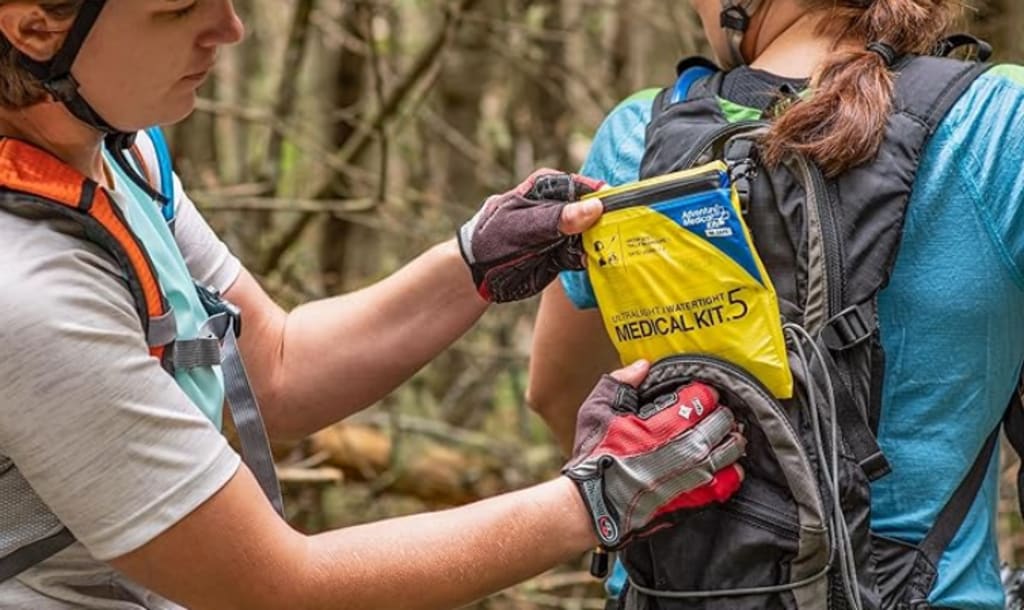
Embarking on a backpacking adventure can be one of the most exhilarating experiences, providing an opportunity to connect with nature, explore new terrains, and challenge your physical limits. However, while the call of the wild is alluring, it is crucial to prepare adequately for the journey. One of the most essential items to pack is a medical kit. A well-stocked medical kit is not just a precaution; it’s a necessity that ensures your safety and self-reliance while in the great outdoors. This blog post will guide you through the importance of carrying a medical kit and provide step-by-step instructions on how to utilize it effectively for backpacking.
Self-Reliance and Safety Education
In the world of backpacking, self-reliance is key. Educating yourself about the basics of first aid is crucial before setting out on your adventure. Start by taking a first aid course if you haven't already. This foundational knowledge empowers you to handle minor injuries independently, such as cuts, scrapes, burns, and sprains, and ensures you’re not entirely dependent on others for help.
When packing your medical kit, tailor it to your personal health needs and the specific demands of your backpacking route. Include personal medications, like antihistamines for allergies or insulin for diabetes. Manuals or quick guides on first aid procedures can be invaluable during stressful situations when you might need a quick refresher on how to treat injuries or medical conditions.
Your first aid training will help you understand the importance of cleanliness when treating wounds. Knowing how to properly clean a cut with antiseptic wipes or solutions and apply bandages can prevent infections. Learning how to use other items in your medical kit, such as tweezers for removing splinters or scissors for cutting bandages to size, is equally important.
Beyond injury treatment, first aid education includes recognizing and managing conditions specific to the environments you'll encounter. For example, understanding how to treat altitude sickness if you plan to hike in the mountains or recognizing the symptoms of dehydration in hot or arid conditions can be crucial for your safety. Equip yourself with this knowledge and ensure your medical kit is prepared to support these needs. Having the right skills and supplies enhances your self-reliance and preparedness, making your backpacking experience safer and more enjoyable.
Immediate Response to Injury
Accidents can happen in the blink of an eye while backpacking. Whether it's a tumble on a rocky trail or a slip crossing a stream, injuries can derail your trip if you’re unprepared. A medical kit enables an immediate response to injuries, minimizing their impact and preventing them from becoming more serious.
When treating injuries, cleanliness is crucial. Use antiseptic wipes or solutions to clean wounds and apply bandages to protect them from dirt and further harm. For more severe injuries like sprains, having bandages or a sling ready can help immobilize the area and reduce pain and swelling until professional help is available. Also, include items such as tweezers and scissors in your kit for removing splinters or cutting bandages to size. Remember, the faster you respond to an injury, the less likely it is to escalate into a major issue.
Environment Preparedness: Altitude and Dehydration
Backpacking often means venturing into environments that can drastically differ from your everyday surroundings, each presenting its own set of challenges. If you plan to hike at high altitudes, you must be ready for the potential onset of altitude sickness, characterized by headaches, nausea, and dizziness. Make sure your medical kit includes medications like acetazolamide, which aids in acclimating to higher elevations, as well as pain relievers for headaches.
Dehydration poses another significant risk, especially in hot or arid conditions. To combat this, your medical kit should have oral rehydration salts or electrolyte tablets, which help replenish lost nutrients and fluids. Always carry sufficient water, but these items can provide a crucial backup if you find yourself running low.
In addition to medications, consider packing a small guide or reference card on recognizing and managing altitude sickness and dehydration. These can be handy for quick consultations if symptoms arise. Monitoring your body's signals, such as excessive thirst, dry mouth, or lightheadedness, can help you take immediate action before these conditions become severe.
Also, include gear like a lightweight water filter or purification tablets to ensure a safe water supply if you need to source water from streams or lakes. Taking these precautions can make all the difference in maintaining your health and energy levels during your backpacking trip, allowing you to fully enjoy the experience without compromising your safety.
Versatile Treatment Beyond Emergencies
While a medical kit is indispensable for emergencies, its utility extends beyond just addressing injuries. It can be a versatile tool for dealing with a variety of minor ailments that might otherwise dampen your backpacking experience. For instance, insect bites and stings can be extremely uncomfortable. Include antihistamines and topical creams in your kit to reduce itching and swelling.
Digestive issues are another common problem while backpacking. Changes in diet and water sources can lead to stomach discomfort or diarrhea. Having antacids or anti-diarrheal medications on hand can alleviate these symptoms quickly, allowing you to continue your adventure without unnecessary stops.
Furthermore, a medical kit can address hygiene needs, such as carrying hand sanitizers, which are essential when soap and water are unavailable. Even items like lip balm with SPF and sunscreen can be considered part of your medical kit, as they prevent sunburn and chapped skin, ensuring your comfort throughout the journey.
Don't forget to include moleskin or blister pads, which can be lifesavers for preventing and treating blisters from long hikes. Having pain relievers like ibuprofen or acetaminophen can also help manage minor aches and pains, ensuring you stay active and mobile.
Finally, think about the small comforts that can make a big difference. Pack a few adhesive bandages of various sizes, a digital thermometer, and even some over-the-counter sleep aids if you have trouble resting in unfamiliar environments. By preparing for these minor but common issues, you can keep your focus on the breathtaking landscapes and exhilarating trails, rather than on discomforts that could easily be managed with the right supplies.
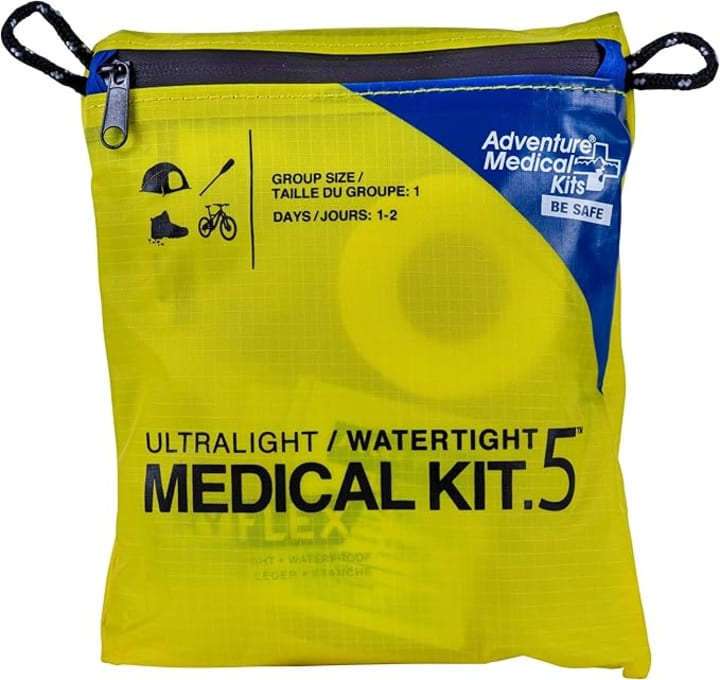
The Explorer Medical Kit is a great option for all types of backpacking trips. It shows that it can be used for four people over seven days. For shorter trips or carrying an individual kit, the Adventure Medical Kits Ultralight is a another great lightweight option.
About the Creator
Adara Bankson
I am an avid outdoor enthusist. I love being outside and I wish to enable others to go outdoors and expereince the benefits of nature. I love exploring!
I am currently a University student studying the Outdoor Industry to further this goal.
Keep reading
More stories from Adara Bankson and writers in Wander and other communities.
Backpacking 101: Cooking Outside
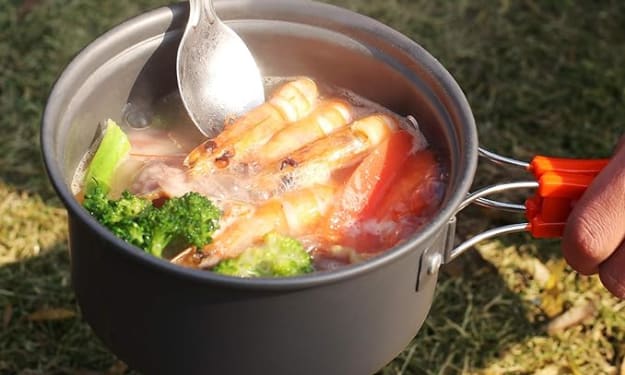
Most backpacking adventures involve more than just packing a bag and hitting the trail. One of the key aspects that can elevate your outdoor experience is cooking. Properly preparing meals in the wilderness not only sustains you but also enriches your journey. Whether you're a seasoned backpacker or a novice hiker, learning how to use a backpacking cooking kit is essential. This guide will walk you through using your cooking kit efficiently, ensuring that you enjoy delicious meals while surrounded by nature.
By Adara Banksonabout a year ago in Wander
Misplacement to Relocation
My household contents left on a huge truck yesterday. It was an open backed truck and my study chair was piled right at the top of a mountain of boxes. It had to be tied and as I watched my belongings slowly rolling down my narrow street, the chair looked ridiculous and I pictured someone perched on it riding my belongings on the freeway to my new destination.
By Serena Van Haght2 days ago in Wander
Getting Around Turkey (Turkiye) by Air and Bus
In an earlier article, I wrote about a nice little hack of getting to and leaving from Turkey by way of connecting flights in Warsaw - an absolute delight. Now, I am going to give you the skinny on traveling by air internally in Turkiye (Turkey) via AJet and Pegasus Airlines, Istanbul's two major airports (SAW and IST), plus a few tips on traveling between cities by bus all based on a trip we took in September 2024.
By Richard Soulliere4 days ago in Wander


Comments
There are no comments for this story
Be the first to respond and start the conversation.