
Backpacking 101: Cooking Outside
Camp well, eat well-er

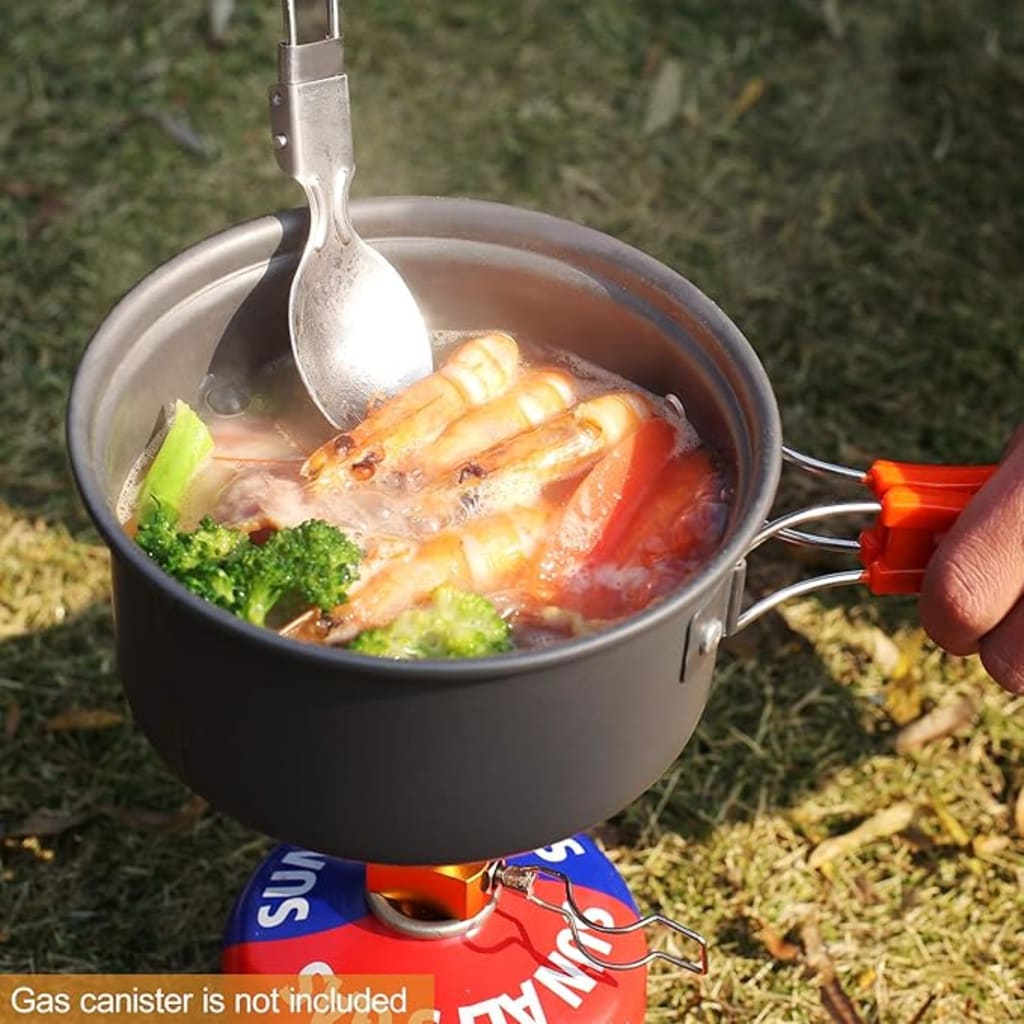
Most backpacking adventures involve more than just packing a bag and hitting the trail. One of the key aspects that can elevate your outdoor experience is cooking. Properly preparing meals in the wilderness not only sustains you but also enriches your journey. Whether you're a seasoned backpacker or a novice hiker, learning how to use a backpacking cooking kit is essential. This guide will walk you through using your cooking kit efficiently, ensuring that you enjoy delicious meals while surrounded by nature.
How to use a backpacking stove
Your backpacking stove is the heart of your outdoor kitchen. Various types of stoves, such as canister stoves, liquid fuel stoves, and alcohol stoves, each have their benefits and require specific handling.
Start by selecting a stable and level surface to set up your stove. Ensure you're away from flammable materials and protected from the wind. Most stoves come with a windscreen to help with efficiency, so make sure to use it.
For canister stoves, attach the fuel canister by screwing it onto the stove. Ensure a tight fit but avoid overtightening. Liquid fuel stoves require you to fill the fuel bottle, pressurize it, and attach it to the stove with a hose. Follow the manufacturer's instructions for safe handling.
Open the fuel valve slightly and use a lighter or built-in igniter to start the flame. Adjust the valve to control the flame intensity, which will help you conserve fuel.
Place your cookware on the stove. Always ensure stability to prevent tipping. Keep an eye on your meal, stirring occasionally to avoid burning.
Once cooking is complete, turn off the fuel valve to extinguish the flame. Allow the stove to cool down before packing it away.
What is Ideal Cookware?
Selecting the right cookware is crucial for efficient cooking on the trail. Look for lightweight, compact, and durable options that suit your cooking needs.
**Material**: Common materials include aluminum, stainless steel, and titanium. Aluminum is lightweight and affordable but less durable. Stainless steel is sturdy but heavier. Titanium offers a balance of weight and strength, ideal for most backpackers.
**Types of Cookware**: A basic cookware set typically includes a pot, pan, and lid. The pot is essential for boiling water and cooking stews, while the pan is useful for frying or sautéing.
**Size and Nesting**: Choose cookware that matches the size of your group and consider nesting sets that fit into each other to save space.
**Non-stick Options**: Non-stick coatings can make cooking and cleaning easier but require gentle handling to avoid scratching.
Cleaning Supplies for Maintaining Your Kit
Maintaining cleanliness is essential for hygiene and prolonging the life of your cooking gear. Here are some tips on cleaning your kit:
1. **Biodegradable Soap**: Use a small amount of biodegradable soap to clean your utensils and cookware. This ensures you’re environmentally responsible while maintaining cleanliness.
2. **Scrubbers**: A small, lightweight scrubber or sponge is ideal for scrubbing pots and pans. Opt for gentle materials to protect non-stick surfaces from damage.
3. **Water Source**: Rinse your cookware with water from a safe source. Practice water conservation and dispose of wastewater responsibly, at least 200 feet away from any water bodies.
4. **Drying**: Ensure your cookware is thoroughly dried before packing it away. A microfiber cloth can expedite the drying process and prevent rust and odors from developing.
5. **Storage**: Store your cleaning supplies in a separate, resealable bag to keep them organized and prevent contamination with your cooking gear.
Efficient Food Storage Solutions
Proper food storage is vital for keeping your supplies fresh and safe from wildlife. Here are some efficient food storage solutions to consider:
1. **Resealable Bags**: Use resealable plastic bags for storing individual portions of dry ingredients. These are lightweight and can be compressed to save space.
2. **Bear Canisters/Bags**: In areas with bear activity, use bear canisters or bags to store food overnight. Follow local regulations and hang bear bags at least 12 feet above the ground and 6 feet away from the trunk.
3. **Containers**: Use lightweight, durable containers for perishable items. Consider vacuum-sealed bags for items that need to stay fresh longer.
4. **Organization**: Keep your food organized by meal to avoid unnecessary rummaging. Label bags or containers for easy identification.
5. **Odor-proof Bags**: Invest in odor-proof bags to minimize the scent of your food. This can help deter wildlife from sniffing out your campsite.
6. **Cooler Options**: For short trips, a small, portable cooler can be useful for keeping perishables cold. Opt for models that are lightweight and easy to carry.
7. **Dehydrated Meals**: Pack dehydrated or freeze-dried meals that don’t require refrigeration and are lightweight. These are convenient and have a long shelf life.
8. **Multi-use Items**: Look for storage options that can double as cooking or eating vessels to save space and weight in your pack.
9. **Separate Food and Gear**: Store food and cooking gear separately to avoid cross-contamination and ensure easier access to what you need.
By adopting these strategies, you can maintain your food’s quality and ensure a safer backpacking experience.
Tips for Preparing Meals on the Trail
Plan your meals in advance to ensure they are nutritious and easy to prepare. Opt for quick-cooking ingredients like instant rice, pasta, or freeze-dried meals to save time. Pre-measure and pack ingredients at home to simplify cooking on the trail. One-pot meals are excellent for minimizing cleanup and maximizing flavor, making dishes like stews, curries, and pasta perfect choices.
Bring small containers of spices and seasonings to elevate your meals—sometimes a pinch of salt or a dash of pepper can make all the difference. Pack versatile ingredients that can be used in multiple dishes to save space and weight in your pack.
Consider the weather and altitude, as they can affect cooking times and fuel consumption. Always have a backup meal option in case of unforeseen circumstances.
Lastly, practice Leave No Trace principles by packing out all waste, including food scraps and packaging, to preserve the natural beauty of your surroundings. Following these tips will make meal preparation a breeze and enhance your overall backpacking experience.
Here are some awesome cooking kits to get you started with one purchase:
About the Creator
Adara Bankson
I am an avid outdoor enthusist. I love being outside and I wish to enable others to go outdoors and expereince the benefits of nature. I love exploring!
I am currently a University student studying the Outdoor Industry to further this goal.
Keep reading
More stories from Adara Bankson and writers in Wander and other communities.
Backpacking 101: Closed-Cell Foam vs. Self-Inflating Sleeping Pads
Choosing the right sleeping pad is a critical decision for any backpacking enthusiast. A good sleeping pad provides comfort and insulation from the ground, ensuring a restful night's sleep. With the variety of sleeping pads available, selecting one that meets your needs can be a daunting task. Two popular options are closed-cell foam and self-inflating sleeping pads. Each has its advantages and drawbacks, and understanding these can help you make an informed decision for your next adventure.
By Adara Banksonabout a year ago in Wander
Misplacement to Relocation
My household contents left on a huge truck yesterday. It was an open backed truck and my study chair was piled right at the top of a mountain of boxes. It had to be tied and as I watched my belongings slowly rolling down my narrow street, the chair looked ridiculous and I pictured someone perched on it riding my belongings on the freeway to my new destination.
By Serena Van Haght2 days ago in Wander
Getting Around Turkey (Turkiye) by Air and Bus
In an earlier article, I wrote about a nice little hack of getting to and leaving from Turkey by way of connecting flights in Warsaw - an absolute delight. Now, I am going to give you the skinny on traveling by air internally in Turkiye (Turkey) via AJet and Pegasus Airlines, Istanbul's two major airports (SAW and IST), plus a few tips on traveling between cities by bus all based on a trip we took in September 2024.
By Richard Soulliere4 days ago in Wander


Comments
There are no comments for this story
Be the first to respond and start the conversation.