
Backpacking 101: My Pitch on Tent Selection
How to pick your perfect tent for your next adventure
When going on a backpacking adventure, selecting the right tent can make or break your experience in the great outdoors. With many options available, focusing on your specific needs and preferences is essential to find the ideal tent for your trip. In this guide, we'll walk through the critical steps in choosing a tent, ensuring you're equipped for a comfortable and memorable journey.
Determine Your Needs
Start by identifying the specific requirements for your trip. The size of your group is a primary consideration; if you're traveling solo, you might opt for a one-person tent, whereas a larger group will require more space. Your camping style is equally important. If you plan to stay at one site for an extended period, a tent that offers comfort and extra room might be more suitable. Conversely, if you’re frequently on the move, prioritize a lightweight and easy-to-pack tent. Assess the terrain and weather conditions of your destination as well, as these factors will influence the type of tent you need.
Understand Different Tent Types
Tents come in various types, each designed for different camping scenarios. Here’s a breakdown of the most common types to help you understand their specific advantages:
- **Backpacking Tents:** These are built for mobility. They are lightweight and compact, making them easy to carry on long treks. Despite their small size, many modern backpacking tents offer efficient use of space and can be quite durable.
- **Family Tents:** Designed for larger groups or those who prefer more comfort, family tents offer ample space and higher ceilings. They are ideal for car camping or short hikes to the campsite since they are heavier and bulkier.
- **Pop-Up Tents:** Known for their quick and easy setup, pop-up tents are great for casual camping trips. However, they often lack the durability and weather resistance needed for more demanding conditions.
- **Tunnel Tents:** These tents offer a great balance between space and weight. Their elongated shape provides more room for gear and sleeping, making them popular among small groups.
- **Dome Tents:** Featuring a simple, freestanding design, dome tents are easy to set up and provide excellent stability. They perform well in moderate weather conditions and are versatile enough for various camping styles.
- **Geodesic Tents:** These are designed for extreme conditions, featuring multiple intersecting poles for added stability. They are ideal for mountaineering and winter camping.
Choosing the right type of tent depends on your trip's length, location, and your priorities, such as ease of setup versus stability and protection. Understanding these categories can help narrow down your options to find a tent that best suits your backpacking needs.
Essential Tent Features
When evaluating tents, focus on these key features:
- **Weight:** Critical for backpacking; lighter is generally better for long distances. A lightweight tent can significantly reduce your load, making long hikes more manageable.
- **Seasonality:** Choose between 3-season tents (spring, summer, fall) or 4-season tents (winter and harsh conditions) based on when you’ll be camping. The right season rating ensures your tent performs well under expected weather conditions.
- **Capacity:** Ensure the tent comfortably accommodates the number of campers and their gear. Overcrowding can lead to an uncomfortable experience, so pay attention to the tent's floor dimensions and peak height.
- **Ventilation:** Proper airflow prevents condensation and keeps the interior comfortable. Look for tents with mesh panels and adjustable vents that allow for good airflow, which is especially important in warmer climates.
- **Doors and Vestibules:** More doors and vestibules mean easier access and additional storage space. Multiple entry points can reduce disturbances when campers move in and out, and vestibules offer valuable space for storing gear outside the sleeping area.
- **Durability:** The materials used for the tent’s poles, fabric, and zippers play a significant role in its longevity. Opt for high-denier fabrics and sturdy poles that can withstand wear and tear.
- **Water Resistance:** A good tent should have a reliable rainfly and a waterproof floor to keep you dry. Look for tents with taped seams and a high waterproof rating for added protection against rain.
These features will help ensure that your tent meets your comfort, safety, and practical needs.
Budget Considerations
Budgeting for a tent is an essential part of the selection process. While it might be tempting to go for the cheapest option available, it’s crucial to weigh the long-term costs and benefits. Inexpensive tents often use lower-quality materials, which can lead to issues like poor weather resistance, reduced durability, and a shorter lifespan. This could mean replacing your tent more frequently, which may cost more over time.
On the other hand, premium tents come with advanced features like better waterproofing, more robust poles, and superior ventilation systems. These tents are designed to withstand harsh conditions and last longer, offering better value for your money. However, they can be significantly more expensive, which may not be justifiable for occasional campers.
When setting your budget, consider how often you plan to use the tent and the environments you'll encounter. Frequent campers or those venturing into extreme conditions should prioritize durability and weather resistance, even if it means a higher upfront cost. For occasional, fair-weather campers, mid-range options often provide a good balance between cost and quality.
Additionally, sales and discounts can be excellent opportunities to get a high-quality tent at a lower price. Keep an eye out for off-season sales, clearance events, and online deals.
Lastly, remember to factor in the cost of necessary accessories, such as ground tarps, repair kits, and additional stakes, which can add to your overall expense. Proper budgeting ensures you get the most suitable tent without breaking the bank.
Practical Tips for Tent Selection
Think about the kind of terrain and weather you’ll encounter. Ensure the tent you select can handle the specific challenges of your destination. Look for tents made from durable materials like high-denier fabrics and robust poles to withstand wear and tear. Evaluate the interior space by considering both the sleeping area and storage for gear, as cramped quarters can be uncomfortable. Opt for a tent with straightforward setup instructions and practice setting it up at home to get a feel for the process. This will save time and reduce frustration when you’re at the campsite. Additionally, consider the number of doors and vestibules for ease of access and extra storage space. Make sure the tent provides adequate ventilation, especially if you’re camping in warmer climates, to prevent condensation buildup.
Test Before Buying
Testing a tent before buying it is an invaluable step to ensure it meets your needs and expectations. Start by visiting a local outdoor gear store where you can see various tents on display. Take your time to set up different models and pay close attention to the assembly process. Evaluate how easy or complex it is to pitch the tent, and consider whether you’ll be able to manage it alone or if you’ll need assistance.
While testing, step inside to get a sense of the interior space and height. Check if you can sit up comfortably, and consider the space available for your gear. Pay attention to features like ventilation, door placement, and storage options. Practice using the zippers, and inspect the quality of materials, seams, and poles. Look for any signs of potential weaknesses that could affect the tent’s performance over time.
If possible, borrow a tent from a friend for a test run on a short camping trip. This hands-on experience allows you to see how the tent performs in real outdoor conditions, including its resistance to wind and rain, and overall comfort. Notice how the tent holds up overnight, particularly regarding condensation and ventilation. Evaluate if the weight and packed size are manageable for your backpacking needs.
Remember to take notes on your experiences and impressions to compare different models effectively. This proactive approach will give you a clear idea of what to expect from the tent and help you make a confident purchasing decision.
Research and Reviews
Delve into comprehensive research and reviews to get a well-rounded understanding of your tent options. Start with reputable outdoor gear websites and forums where experienced backpackers share detailed insights and firsthand accounts of their camping experiences. Pay close attention to aspects like durability, comfort, ease of setup, and performance in various weather conditions. Videos and blog posts can offer visual demonstrations and real-world usage scenarios, adding valuable context to written reviews. Additionally, don’t overlook the feedback provided on retailer websites, which can highlight common issues or praises for specific tent models. Combine these resources to compare pros and cons, ensuring you have a holistic view before making your final decision.
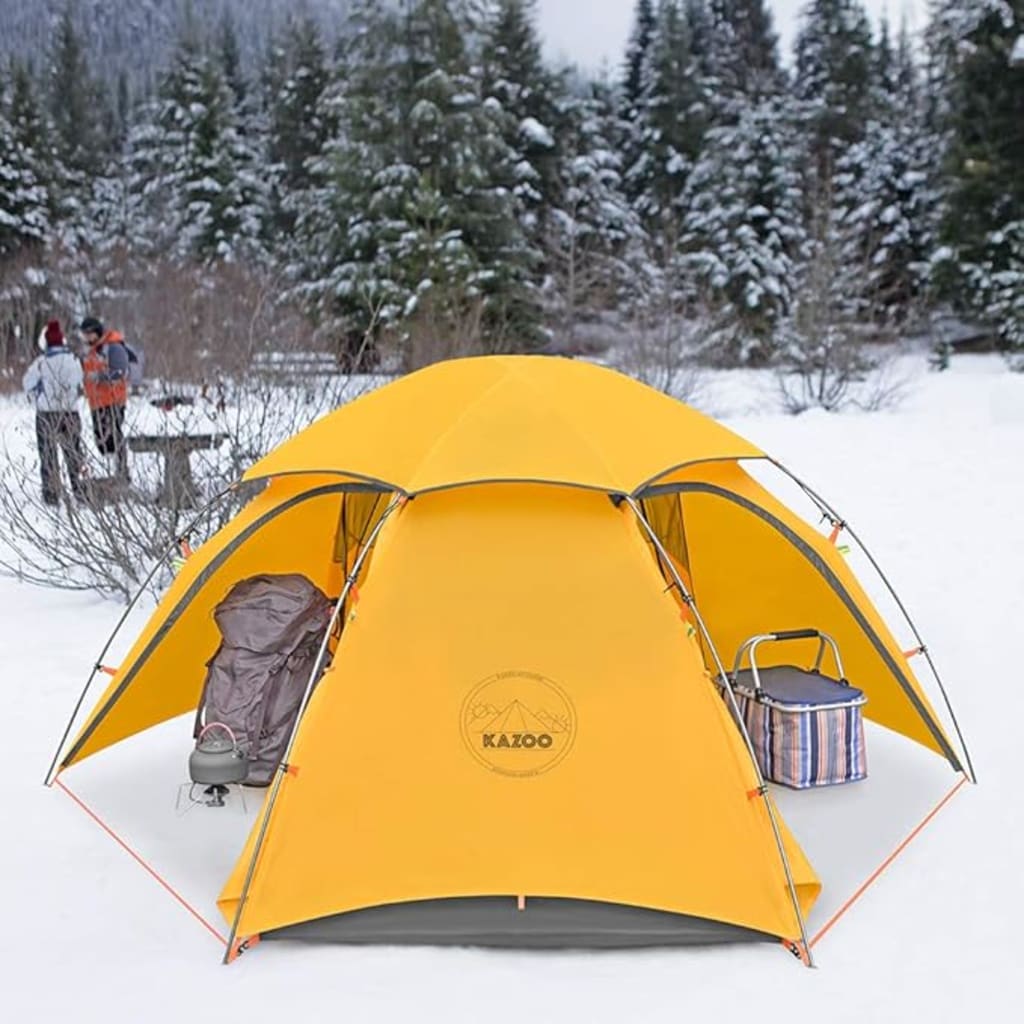
KAZOO Waterproof is my personal favorite for all weather conditions and a lightweight tent. I have also listed some great options below with diverse sizes, colors, and styles.
About the Creator
Adara Bankson
I am an avid outdoor enthusist. I love being outside and I wish to enable others to go outdoors and expereince the benefits of nature. I love exploring!
I am currently a University student studying the Outdoor Industry to further this goal.
Keep reading
More stories from Adara Bankson and writers in Wander and other communities.
Backpacking 101: How to choose and use your Backpack
Embarking on a backpacking adventure is an exhilarating experience, but choosing the right backpack is crucial to ensure a successful trip. Your backpack becomes your lifeline on the trail, carrying all the essentials needed for survival and comfort. In this guide, we will explore how to select the perfect backpack, how to determine its capacity, the importance of size and fit, efficient packing strategies, and tips for waterproofing your backpack. Whether you’re a seasoned backpacker or a novice hitting the trails for the first time, these insights will help you make the most out of your backpacking journey.
By Adara Banksonabout a year ago in Wander
Iceland’s Quiet Revolution: How a Small Nation Became a Climate Innovation Power
I began noticing Iceland appear in conversations that had nothing to do with travel. It was showing up in technology press releases, data center case studies, and even discussions about carbon-negative business strategies. The shift signaled something deeper than branding; Iceland was becoming a prototype for how geography, policy, and technology can merge into a self-sustaining national ecosystem.
By Trend Vantage15 minutes ago in Wander
Misplacement to Relocation
My household contents left on a huge truck yesterday. It was an open backed truck and my study chair was piled right at the top of a mountain of boxes. It had to be tied and as I watched my belongings slowly rolling down my narrow street, the chair looked ridiculous and I pictured someone perched on it riding my belongings on the freeway to my new destination.
By Serena Van Haght2 days ago in Wander


Comments (1)
Amazing! Keep it up 👏👍