
Backpacking 101: How to choose and use your Backpack
May the weight of the world rest on your hips, not your shoulders


Embarking on a backpacking adventure is an exhilarating experience, but choosing the right backpack is crucial to ensure a successful trip. Your backpack becomes your lifeline on the trail, carrying all the essentials needed for survival and comfort. In this guide, we will explore how to select the perfect backpack, how to determine its capacity, the importance of size and fit, efficient packing strategies, and tips for waterproofing your backpack. Whether you’re a seasoned backpacker or a novice hitting the trails for the first time, these insights will help you make the most out of your backpacking journey.
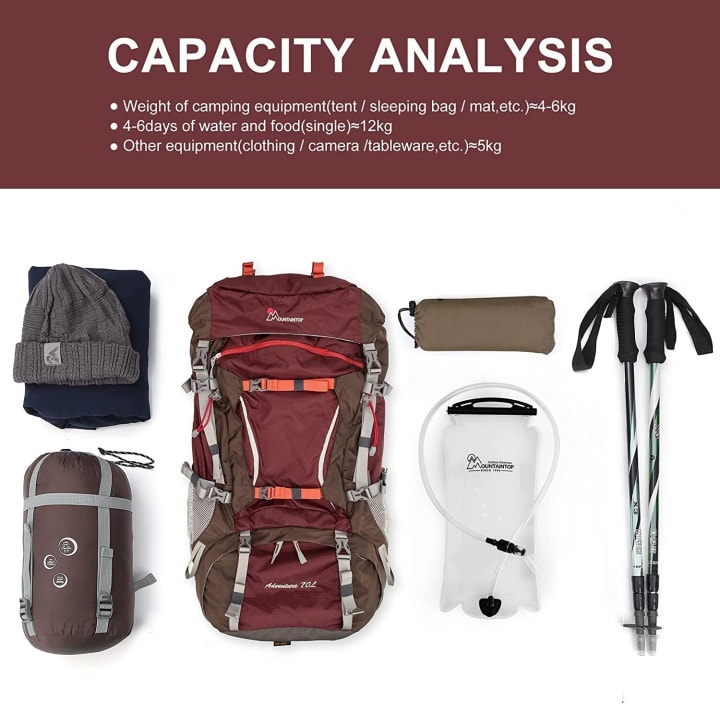
Determining the Capacity of Backpack Needed for Your Trip
Choosing the right capacity for your backpack is essential to ensure you have enough space for all your gear without overburdening yourself. The capacity is measured in liters and can vary significantly based on the length and type of your trip.
For weekend trips lasting 1 to 3 nights, a backpack with a capacity of 30-50 liters is typically adequate. This size allows you to carry the essentials, including clothing, food, a small tent, and sleeping gear, without being overly cumbersome.
If you're planning a multi-day adventure spanning 3 to 5 nights, you'll need a backpack with a bit more room. Opt for a capacity of 50-70 liters. This size provides ample space for additional clothing, extra food supplies, and other necessary gear to keep you comfortable and well-prepared.
For those embarking on extended trips of 5 nights or more, a larger backpack is essential. Look for one with a capacity of 70 liters or more. This allows you to pack extra provisions, advanced equipment, and a wider range of clothing options to suit changing weather conditions.
It's also crucial to consider the specific requirements of your trip when determining the backpack capacity. For example, backpacking in colder weather necessitates bulkier clothing and more gear to stay warm, thereby requiring more space. Conversely, a summer trip with lighter gear may allow you to opt for a smaller capacity.
Moreover, if your trip involves specialized activities like climbing, fishing, or photography, you might need additional compartments or external attachments to accommodate specific equipment. Factor in these needs to ensure your backpack can handle all your gear.
Remember, while it's important to have enough space, a larger backpack also means more weight to carry. Striking a balance between capacity and weight is key. You want a backpack that can fit all your essentials without becoming too heavy to manage comfortably on the trail.
Take into account your personal packing habits as well. Some people pack minimally and efficiently, while others prefer to bring along a few extra comforts. Knowing your style will help you better judge the capacity you need.
Lastly, always test-pack your backpack before the trip. This helps you identify if you have enough space or if you need to adjust your packing strategy. Properly assessing your needs and choosing the right backpack capacity will set the stage for a more enjoyable and hassle-free backpacking experience.
Choosing the Right Backpack Size and Fit for Your Body
Selecting a backpack that fits your body correctly is essential for comfort and to prevent injury. Here are some steps to ensure a good fit:
1. **Measure Your Torso Length:** Use a flexible tape measure to find the distance from the base of your neck (the C7 vertebra) to the top of your hip bones (the iliac crest). This measurement is crucial in selecting a backpack size that aligns with your torso length.
2. **Consider Your Hip Belt Size:** Since the majority of a backpack’s weight should rest on your hips, the hip belt must be snug yet comfortable. Measure around the top of your hips (the iliac crest) to determine the correct hip belt size. A well-fitting hip belt helps distribute the load more effectively.
3. **Try Before You Buy:** Whenever possible, try on different backpacks loaded with weight to simulate actual conditions. This allows you to adjust the shoulder straps, hip belt, and sternum strap to find a balanced fit. Ensure that the backpack feels stable and that the weight is evenly distributed.
4. **Look for Adjustable Features:** Many backpacks feature adjustable suspension systems that allow you to customize the fit further. Make sure the backpack’s frame length matches your torso measurement. Features such as load-lifter straps, adjustable sternum straps, and hip belt stabilizers can significantly enhance comfort.
5. **Check for Proper Weight Distribution:** When trying on the backpack, check that the weight is distributed evenly across your shoulders and hips. The shoulder straps should be comfortable and not dig into your shoulders. Adjust the load-lifter straps to bring the top of the backpack closer to your body, improving stability.
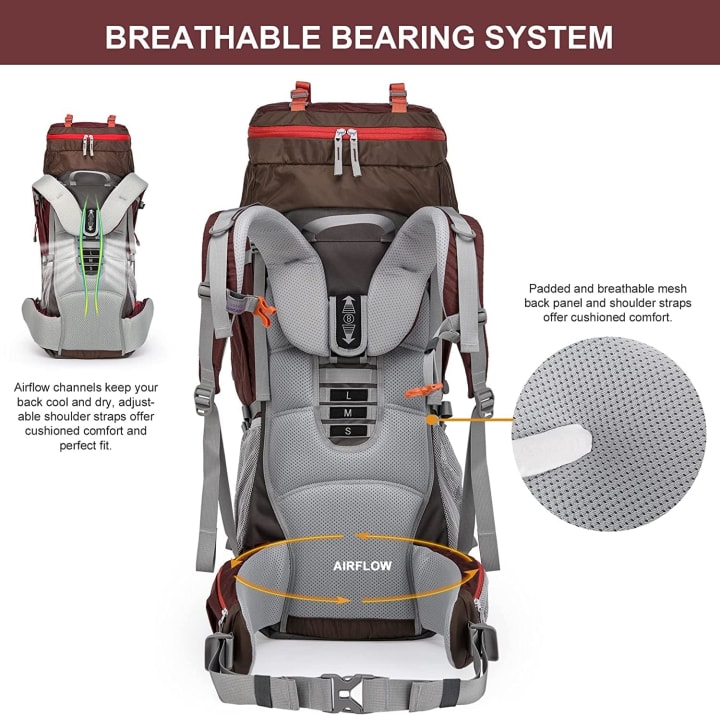
6. **Assess the Pack’s Shape and Padding:** Examine the backpack’s shape and padding. A contoured back panel and well-padded shoulder straps and hip belt can significantly improve comfort, especially on longer hikes. Ventilation features, such as mesh panels, can help reduce sweating and improve airflow.
7. **Evaluate Mobility and Balance:** Ensure that the backpack allows you to move freely and maintain your balance. Bend, twist, and walk around while wearing the loaded backpack to confirm that it doesn’t restrict your movement or throw off your balance.
By carefully considering these factors, you can select a backpack that offers both comfort and functionality, making your backpacking adventures more enjoyable.
Step-by-Step Guide to Packing Your Backpack Efficiently
Packing your backpack strategically can significantly enhance accessibility and comfort. Follow these steps to ensure an efficient packing process:
1. **Bottom of the Backpack:** Start by placing items you won’t need until setting up camp, such as sleeping bags and camp clothing, at the bottom. These items should be lightweight but bulky.
2. **Core of the Backpack:** In the middle of your pack, place heavier items like food supplies, cooking gear, and water reservoirs. Position these close to your back to help maintain your balance and stability on the trail.
3. **Top of the Backpack:** Keep items you might need during the day, such as a rain jacket, snacks, navigation tools, or a first-aid kit, at the top. This ensures they are easily accessible without having to unpack your entire bag.
4. **External Pockets and Attachments:** Utilize side pockets for quick-access items like water bottles, sunscreen, and small tools. Secure larger items such as tent poles, trekking poles, or sleeping pads on the exterior attachment points, making sure they are stable and don’t hinder your movement.
5. **Compression Straps:** Tighten the compression straps to stabilize the load and prevent it from shifting while you walk. This helps keep your backpack's weight evenly distributed, reducing strain on your back and shoulders.
6. **Organize by Frequency of Use:** Think about how often you'll need each item. Pack gear you'll use frequently, like your map, compass, or snacks, in more accessible areas. Less frequently used items can be buried deeper in your pack.
7. **Balance the Weight:** Make sure to balance the weight evenly on both sides of the backpack to avoid leaning and potential strain on one side of your body.
8. **Secure Fragile Items:** Protect fragile items like electronics or cookware by wrapping them in clothing or placing them in padded areas of your pack.
9. **Use Packing Cubes or Stuff Sacks:** Consider using packing cubes or stuff sacks to keep similar items together and organize your backpack better. This can help you locate items quickly and keep your gear orderly.
By following these steps, you can maximize space, maintain balance, and ensure quick access to essential items during your backpacking adventure.
Tips for Waterproofing and Protecting Your Backpack
To ensure your gear stays dry and intact during your backpacking trips, consider these effective waterproofing strategies:
1. **Use a Rain Cover:** A rain cover provides a barrier against rain and moisture. While some backpacks come with an integrated rain cover, you can also purchase one separately to fit your pack's size.
2. **Internal Liners and Dry Bags:** Place a waterproof liner or use dry bags inside your backpack for critical items like electronics and clothing. This added layer of protection ensures your essentials remain dry even if water seeps through the outer material.
3. **Waterproof Sprays:** Applying a waterproof spray to the exterior of your backpack can enhance its resistance to water. Be sure to follow the manufacturer's instructions for the best results, and reapply as needed to maintain the coating.
4. **Seal Zippers and Seams:** Pay special attention to zippers and seams, which are common entry points for water. Use seam sealers and waterproof zipper lubricants to reinforce these vulnerable areas.
5. **Elevate Your Backpack:** When setting up camp, keep your backpack off the ground by placing it on a rock, a waterproof groundsheet, or hanging it from a tree. This helps prevent moisture from seeping in from the ground.
6. **Avoid Direct Contact with Water:** Try to avoid placing your backpack directly on wet surfaces or in areas where it might get splashed or soaked. Keeping it elevated or covered can significantly reduce the risk of water damage.
7. **Regular Maintenance:** Regularly inspect your backpack for signs of wear and tear. Promptly address any small holes or tears with waterproof tape or patches to maintain its integrity and waterproof capabilities.
By incorporating these strategies, you can effectively protect your backpack and its contents from moisture, ensuring a smoother and more comfortablle backpacking experience.
What I Recommend
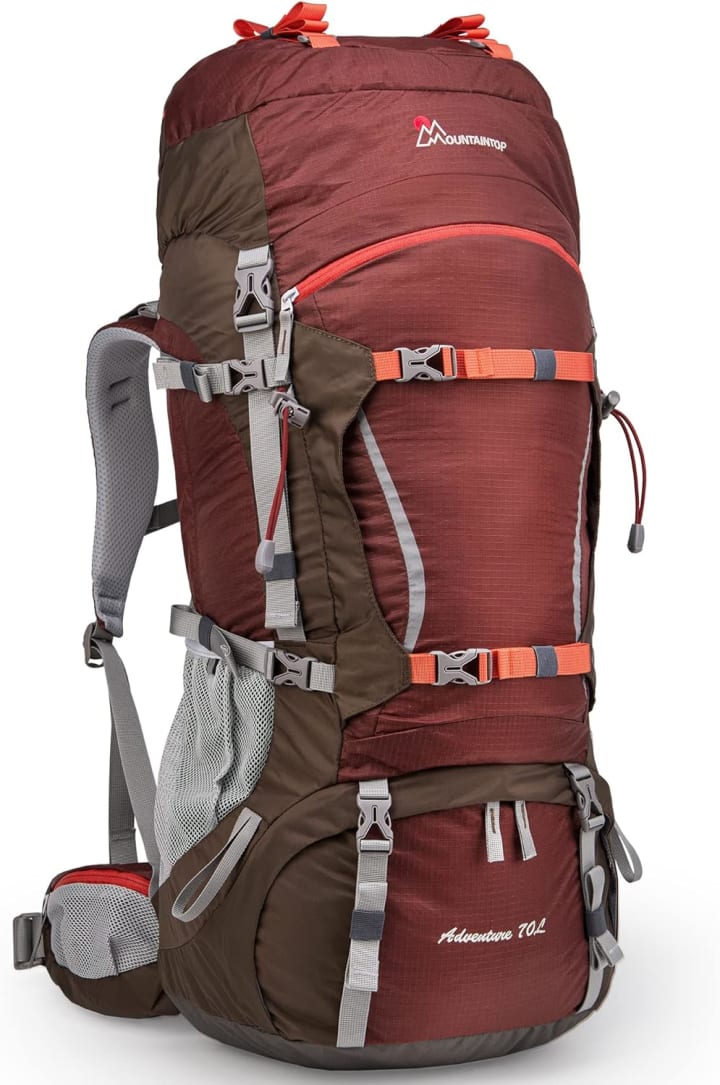
MOUTAINTOP Is my personal favorite, but check out these other backpacks that are recommended by my fellow outdoor enthusthics.
About the Creator
Adara Bankson
I am an avid outdoor enthusist. I love being outside and I wish to enable others to go outdoors and expereince the benefits of nature. I love exploring!
I am currently a University student studying the Outdoor Industry to further this goal.
Keep reading
More stories from Adara Bankson and writers in Wander and other communities.
Beginner's Guide to Backpacking: 9 Items You Can't Forget
Embarking on a backpacking adventure is an exciting journey filled with exploration and the beauty of the great outdoors. Whether you're traversing scenic trails or camping under starlit skies, being well-prepared is key to a successful trip. For beginners, packing the right gear is essential, and this guide will help you ensure nothing vital is left behind. From a sturdy backpack to versatile tools, let's explore the nine indispensable items you must pack for your backpacking adventure.
By Adara Banksonabout a year ago in Wander
Misplacement to Relocation
My household contents left on a huge truck yesterday. It was an open backed truck and my study chair was piled right at the top of a mountain of boxes. It had to be tied and as I watched my belongings slowly rolling down my narrow street, the chair looked ridiculous and I pictured someone perched on it riding my belongings on the freeway to my new destination.
By Serena Van Haght2 days ago in Wander
Getting Around Turkey (Turkiye) by Air and Bus
In an earlier article, I wrote about a nice little hack of getting to and leaving from Turkey by way of connecting flights in Warsaw - an absolute delight. Now, I am going to give you the skinny on traveling by air internally in Turkiye (Turkey) via AJet and Pegasus Airlines, Istanbul's two major airports (SAW and IST), plus a few tips on traveling between cities by bus all based on a trip we took in September 2024.
By Richard Soulliere4 days ago in Wander


Comments (1)
That article is beautifully written! It's so informative.