
Backpacking 101: Closed-Cell Foam vs. Self-Inflating Sleeping Pads
Pick well to sleep well


Choosing the right sleeping pad is a critical decision for any backpacking enthusiast. A good sleeping pad provides comfort and insulation from the ground, ensuring a restful night's sleep. With the variety of sleeping pads available, selecting one that meets your needs can be a daunting task. Two popular options are closed-cell foam and self-inflating sleeping pads. Each has its advantages and drawbacks, and understanding these can help you make an informed decision for your next adventure.
Weight and Packability
When evaluating weight and packability, closed-cell foam sleeping pads shine in their lightweight construction and straightforward packing method. Weighing between 10 to 14 ounces, these pads are made from dense foam and can be easily strapped to the outside of a backpack. Their design often involves folding or rolling into a compact shape, making them accessible and easy to carry. However, despite their lightweight nature, they can be bulkier and less flexible, posing a challenge in terms of packing efficiency, especially when space is at a premium.
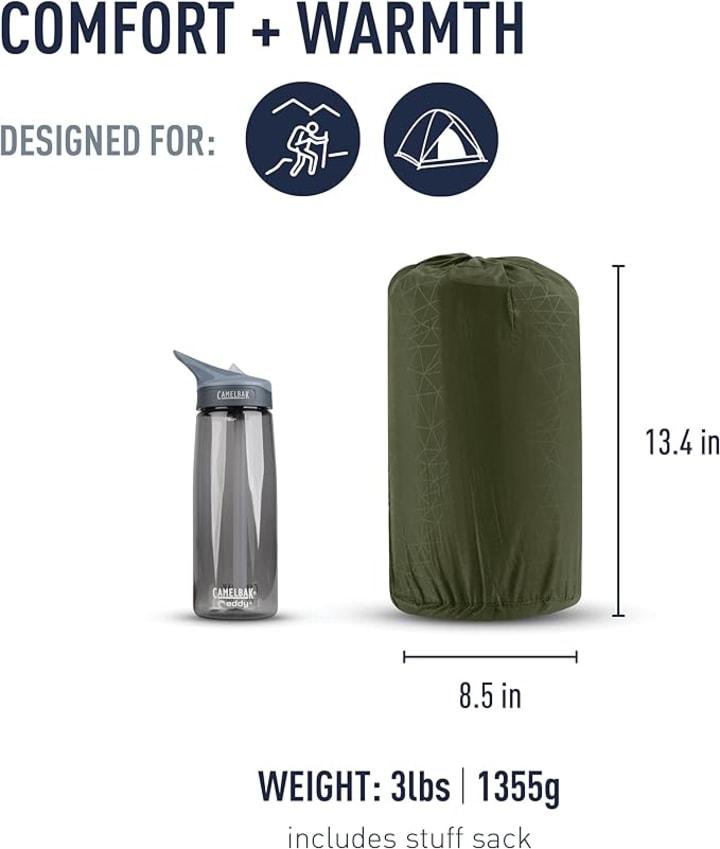
In contrast, self-inflating sleeping pads offer a different balance of weight and packability. Typically weighing between 20 to 30 ounces, these pads are heavier but can compress into a smaller size. Their construction involves open-cell foam that expands when the valve is opened, allowing the pad to self-inflate. This design enables the pad to be packed down tightly, fitting neatly inside a backpack without taking up excessive space. The additional weight may seem significant, but for many backpackers, the compactness and ease of carrying outweigh this downside.
Another aspect to consider is how each type of pad affects overall pack weight distribution. Closed-cell foam pads, when attached to the exterior of a backpack, might alter the balance and create additional bulk. This can affect maneuverability and comfort, especially during long treks. Self-inflating pads, on the other hand, can be stowed inside the pack, maintaining a streamlined profile and potentially improving overall balance and comfort.
Ultimately, the choice between closed-cell foam and self-inflating sleeping pads for weight and packability comes down to personal preference and specific backpacking needs. Whether you prioritize the lightweight, straightforward nature of a closed-cell foam pad or the compact, albeit heavier, convenience of a self-inflating pad will depend on your individual requirements and the nature of your backpacking adventures.
Comfort and Insulation
Comfort is a primary consideration when choosing a sleeping pad. Closed-cell foam pads offer basic comfort and are better suited for short trips or those who prefer a firmer sleeping surface. Their simplicity provides a minimalistic cushion, which might not be suitable for everyone, particularly side sleepers who require more padding.
Self-inflating sleeping pads are designed to provide a more comfortable experience. They are constructed with open-cell foam sandwiched between layers of air, allowing them to inflate automatically once the valve is opened. This design offers a cushioned sleeping surface that conforms to the body, providing excellent support and insulation. Self-inflating pads typically have a higher R-value, meaning they offer better thermal resistance, keeping you warmer on cold nights.
The thickness of the pad also plays a role in comfort and insulation. Closed-cell foam pads are generally thinner, which can be a drawback for those seeking more cushioning. In contrast, self-inflating pads can be adjusted to the desired firmness by adding or releasing air, offering a customizable sleeping experience that caters to individual preferences.
Temperature regulation is another factor to consider. Self-inflating pads tend to retain more heat due to the combination of air and foam, making them suitable for colder conditions. Closed-cell foam pads, while offering some insulation, might not provide adequate warmth in freezing temperatures.
Additionally, the surface texture of each pad can impact comfort. Closed-cell foam pads usually have a ribbed or textured surface, which can create pressure points for some users. Self-inflating pads often feature a smoother surface that enhances comfort by evenly distributing body weight.
Ultimately, comfort and insulation are subjective and depend on personal preferences and the specific conditions of your backpacking trip. Whether you prioritize the firm support of a closed-cell foam pad or the adjustable cushioning and superior insulation of a self-inflating pad, each type offers unique benefits tailored to different backpacking needs.
Durability and Maintenance
Durability is another important factor when selecting a sleeping pad. Closed-cell foam pads are celebrated for their resilience. Constructed from a single piece of dense foam, these pads are virtually indestructible and can endure rough terrain, punctures, and general wear and tear, making them a stellar choice for rugged environments.
Self-inflating sleeping pads, though generally robust, demand more care and maintenance. Their multi-layered design includes a fabric shell that is more susceptible to punctures and abrasions. A puncture can compromise the pad's insulation and comfort, so it's vital to handle these pads with care and have a repair kit on hand for emergencies. Proper storage is also crucial; leaving them inflated or compressed for long periods can damage the internal foam, diminishing their performance over time.
Regular cleaning and inspection can extend the lifespan of both types of pads. For closed-cell foam pads, a simple wipe-down with a damp cloth is usually sufficient to remove dirt and debris. Self-inflating pads require a bit more attention; cleaning the exterior with mild soap and water can prevent mold and mildew buildup, especially after use in damp conditions.
When it comes to longevity, closed-cell foam pads often outlast self-inflating pads due to their straightforward construction and fewer potential failure points. However, with diligent maintenance, self-inflating pads can offer years of reliable service, providing enhanced comfort and insulation for numerous backpacking adventures.
Ease of Use
Ease of use is a significant consideration, especially after a long day of hiking. Closed-cell foam pads are the epitome of simplicity. They require no setup and can be unrolled and ready to use in seconds. There are no valves to deal with, and there is no risk of deflation during the night.
Self-inflating sleeping pads, while slightly more complex, are still relatively easy to use. They require minimal effort to inflate; simply open the valve and allow the pad to fill with air. Some models may require a few breaths to reach full firmness. Deflating these pads can be more time-consuming, as they need to be rolled and compressed to expel the air completely. However, the extra few minutes of setup can be worth it for the comfort they provide.
Versatility and Best Use Cases
When it comes to versatility and best use cases, both closed-cell foam and self-inflating sleeping pads have unique strengths that cater to different backpacking scenarios. Understanding the specific attributes of each type can help you choose the right pad for your adventures.
Closed-cell foam sleeping pads are champions of rugged durability and simplicity. Their dense foam construction allows them to endure the harshest conditions without getting damaged, making them ideal for camping on rocky or uneven terrains. These pads can double as seating mats during breaks, and their ability to withstand rough use without needing special care is a major advantage. Ultralight backpackers often prefer closed-cell foam pads for their minimal weight and straightforward setup. If your primary concern is reducing pack weight and maximizing durability, these pads are an excellent choice.
Self-inflating sleeping pads excel in providing superior comfort and insulation, making them well-suited for a variety of environments. These pads are versatile enough to handle anything from summer camping trips to cold-weather expeditions, thanks to their excellent thermal resistance and cushioning. They offer a more restful sleep experience, which is crucial for longer trips where recovery is essential. The adjustable firmness also makes them suitable for different sleeping preferences, accommodating both back and side sleepers comfortably.
In addition to backpacking, self-inflating pads can be advantageous for car camping or multi-day trips where carrying additional weight is less of a concern. Their ability to compress into a compact size allows them to fit neatly in a vehicle, and the quick inflation process makes setup at the campsite convenient. For those who prioritize comfort and are willing to carry a slightly heavier pad, self-inflating options are the way to go.
Another aspect to consider is how each pad type performs in specific weather conditions. Closed-cell foam pads are not as thermally efficient as their self-inflating counterparts but can still provide adequate insulation in milder climates. They are less affected by punctures or leaks, which can be a significant concern in wet or thorny environments. Self-inflating pads, with their higher R-values, are better suited for colder conditions where retaining body heat is crucial. However, the risk of punctures necessitates carrying a repair kit, especially in environments where sharp objects are prevalent.
In terms of group use or family camping, self-inflating pads often provide a better overall experience due to their enhanced comfort and ability to cater to diverse sleeping needs. On the other hand, closed-cell foam pads, with their robustness and ease of use, are ideal for scenarios where multiple people might be handling the gear and durability is paramount.
To sum up, the versatility and best use cases of closed-cell foam and self-inflating sleeping pads depend largely on your specific needs and preferences. Closed-cell foam pads are perfect for those seeking durability, simplicity, and ultralight options, while self-inflating pads are better for those who prioritize comfort, insulation, and adaptability across various camping conditions. By assessing your typical backpacking scenarios, you can select the sleeping pad that best aligns with your outdoor adventures.
I personally prefer a closed-cell foam pad. I find them easy to clip on the outside of a backpack and easily accessible for quick use.
Here are some awesome self-inflating options!
Sea to Summit (Self Inflating)
About the Creator
Adara Bankson
I am an avid outdoor enthusist. I love being outside and I wish to enable others to go outdoors and expereince the benefits of nature. I love exploring!
I am currently a University student studying the Outdoor Industry to further this goal.
Keep reading
More stories from Adara Bankson and writers in Wander and other communities.
Backpacking 101: Choosing your Sleeping Bag
When it comes to backpacking, having the right sleeping bag can make all the difference in ensuring a comfortable night's rest in the great outdoors. With so many options available, choosing the perfect sleeping bag for backpacking can be overwhelming. From temperature ratings to weight considerations, each type of sleeping bag offers unique benefits tailored to different needs. In this guide, we'll break down the various types of sleeping bag options, including temperature ratings, quilts, and sleeping bag liners, to help you make the best choice for your backpacking adventures.
By Adara Banksonabout a year ago in Wander
Weather in Morocco in August By Morocco Family Vacation
When I first planned our summer trip to Morocco in August, I had mixed feelings. I knew Morocco was hot in the summer, but I wasn’t sure how my kids would handle the heat. Traveling with two children my 7-year-old and 10-year-old means considering naps, hydration, sun protection, and activity pacing more than anything else. I wanted an adventure, but I also wanted it to be safe and enjoyable for them.
By Ariel Cohen3 days ago in Wander


Comments (1)
well done