
Annapurna Base Camp Trek: A Journey to the Heart of the Himalayas
Annapurna Base Camp Trek is one of the most iconic trekking experiences in Nepal, attracting thousands of trekkers and adventure seekers from around the world.
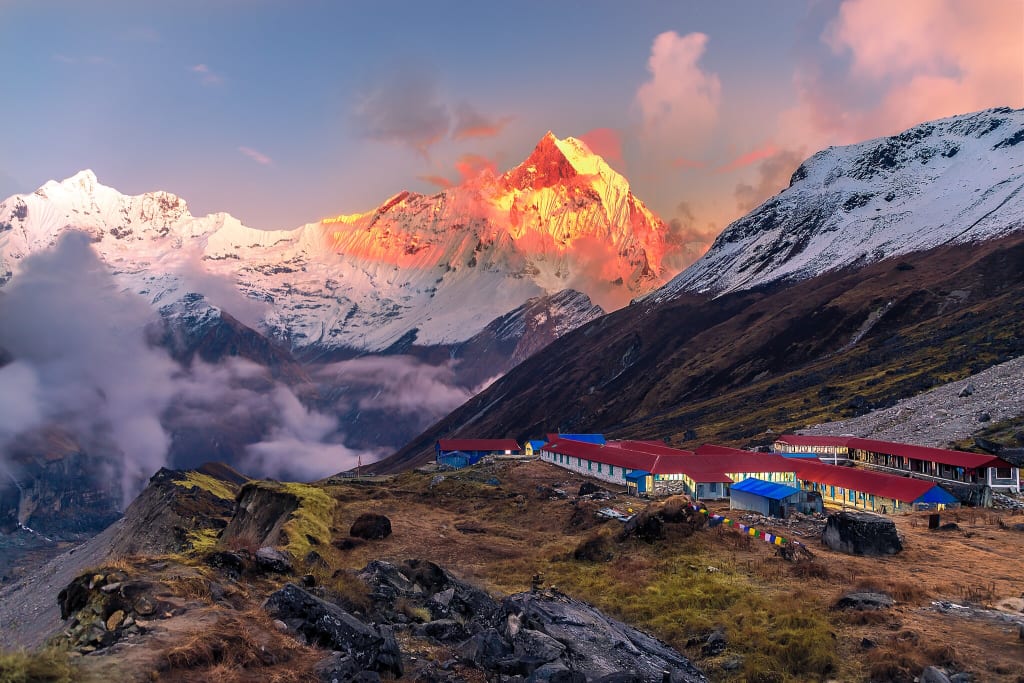
Annapurna Base Camp Trek is one of the most iconic trekking experiences in Nepal, attracting thousands of trekkers and adventure seekers from around the world. Nestled within the Annapurna Conservation Area, this trek takes you through diverse landscapes, charming villages, lush rhododendron forests, and towering snow-capped peaks. The highlight of the trek is reaching the Annapurna Base Camp (ABC) at an altitude of 4,130 meters, where you are surrounded by the majestic Annapurna Massif.
Unlike other high-altitude treks, the Annapurna Base Camp trek offers a moderate level of difficulty, making it accessible to both seasoned trekkers and beginners. Whether you are looking for breathtaking scenery, cultural encounters, or an immersive Himalayan adventure, the ABC trek promises an unforgettable experience.
Best Time to Trek and How to Reach
Timing is crucial for a successful trek, and the best seasons to undertake the Annapurna Base Camp trek are spring (March to May) and autumn (September to November). During these months, the weather is stable, the skies are clear, and the views of the snow-capped peaks are at their best. Spring welcomes blooming rhododendrons, while autumn offers crisp air and stunning landscapes.
To reach the trek’s starting point, you need to travel to Pokhara, a picturesque lakeside city in Nepal. From Kathmandu, you can take a short 30-minute flight or a 6-7 hour bus ride to Pokhara. From Pokhara, a short drive takes you to Nayapul, the main entry point for the trek. Some trekkers also start from Ghandruk or Jhinu Danda, depending on their itinerary.
The Trekking Route and Difficulty Level
The Annapurna Base Camp trek follows a well-established route that takes around 7 to 12 days, depending on your pace and acclimatization needs. The trek is classified as moderately difficult, with daily hikes ranging from 5 to 7 hours. The well-maintained trails, scenic stops, and tea houses along the way make the trek enjoyable and manageable for most fitness levels.
Pokhara to Nayapul and Trek to Ghandruk – The trek begins with a scenic drive from Pokhara to Nayapul, followed by a trek to Ghandruk, a charming Gurung village. This village offers stunning views of Annapurna South, Machapuchare, and Hiunchuli, along with a glimpse into traditional Nepalese culture.
Ghandruk to Chhomrong – The journey continues through rhododendron forests and terraced fields, leading to Chhomrong, a key stop on the trek. This village serves as a gateway to the Annapurna Sanctuary, offering spectacular mountain vistas and comfortable lodges.
Chhomrong to Bamboo and Deurali – As you descend towards the Modi Khola river and ascend again through bamboo forests, the landscape becomes more dramatic. Bamboo and Deurali are small yet peaceful stops that provide an excellent resting point before reaching higher altitudes.
Deurali to Annapurna Base Camp via Machapuchare Base Camp – This is the most exhilarating part of the trek, where you ascend past Machapuchare Base Camp (MBC) at 3,700 meters before finally reaching Annapurna Base Camp at 4,130 meters. As you step into the amphitheater of towering peaks, you are greeted by panoramic views of Annapurna I, Annapurna South, Hiunchuli, and Machapuchare (Fishtail Mountain).
Descent from Annapurna Base Camp to Jhinu Danda and Nayapul – After soaking in the breathtaking sunrise at ABC, the descent begins. Many trekkers take a detour to Jhinu Danda, known for its relaxing natural hot springs, before heading back to Nayapul and returning to Pokhara.
What to Expect at Annapurna Base Camp
Reaching Annapurna Base Camp is a surreal experience, as you stand at the foot of some of the tallest mountains in the world. The serene ambiance, crisp mountain air, and awe-inspiring peaks make it a perfect place to unwind and reflect on the journey.
The base camp area has several lodges where trekkers can stay overnight, enjoy warm meals, and interact with fellow travelers. The highlight is witnessing the golden sunrise over Annapurna I, a sight that remains etched in the memory of every trekker.
Essential Packing List and Tips for Trekkers
A successful trek requires proper preparation. Here are some essential items to pack:
Clothing: Layered clothing, thermal wear, a down jacket, waterproof pants, and gloves.
Footwear: Sturdy trekking boots with good ankle support.
Gear: A high-quality backpack, trekking poles, sleeping bag, and sunglasses.
Accessories: Sunscreen, a hat, a headlamp, and a first-aid kit.
Hydration and Snacks: A reusable water bottle, water purification tablets, and energy bars.
Additional Tips:
Acclimatize Properly: Take rest days and stay hydrated to avoid altitude sickness.
Start Early: Trekking in the morning ensures clear views and avoids late-afternoon cloud cover.
Carry Cash: There are no ATMs on the trail, so bring enough cash for food, accommodation, and tips.
Respect Local Culture: Greet locals with “Namaste” and follow responsible trekking practices.
Conclusion
The Annapurna Base Camp trek is more than just a trek; it’s an adventure that takes you through Nepal’s breathtaking landscapes, diverse ecosystems, and rich cultural heritage. Whether you are a seasoned trekker or a first-time adventurer, this journey to the heart of the Himalayas offers an experience of a lifetime.
If you’re seeking a trek that combines beauty, challenge, and an immersive Himalayan experience, Annapurna Base Camp should be on your bucket list. Pack your bags, lace up your boots, and embark on a journey that promises unforgettable memories and a deep connection with nature.
About the Creator
Rohit SEN
Hey! Come along with me to explore beautiful places, learn about different cultures, and share my adventures. Let's Explore together! From a travel lover!
Literary Heartbeats
Step through an unassuming storefront in Saratoga Springs, New York. Let the city’s familiar bustle fade behind you. Sink into the creak of hardwood floors as your gaze is drawn toward a labyrinth unfolding, room after room, swollen with stories. This is the Lyrical Ballad Bookstore—a place where literary ghosts linger, and generations of readers, writers, and dreamers have lost themselves amid 200,000 volumes of wonder.
By Kristen Barenthaler4 days ago in Wander
Take a Hike in Central America
In Guatemala, at Lake Atitlán is the Atitlán Volcano. The hike takes 5 to 6 hours to complete. Beautiful Lake Atitlan is among the top attractions in Central America and among the best hikes. This is an impressive crater lake flanked by three volcanoes and surrounded by steep, scenic hills.
By Rasma Raisters2 days ago in Wander


Comments
There are no comments for this story
Be the first to respond and start the conversation.