
Amalfi Coast in September vs June: Which is Better?
I booked on impulse, asked my breakfast waiter where locals escape the crowds, and ended up in a fishing village most tourists miss.


I didn’t plan this trip. I woke up in Positano at Hotel Villa Franca—the hilltop white cube above town that seems to float between lemon groves and sky—still surprised at myself for booking it on a whim. The first decision of the day was not “what to see,” but when to come back: was June better for the Amalfi Coast, or September? Everyone has an opinion, and most of them are loud. I wanted a local one.
At breakfast—fresh sfogliatelle, figs, espresso on the terrace—my waiter, Salvatore, topped up my cappuccino and answered the question I wasn’t asking. “If you want the coast to exhale, come in September. But for today, go where we go.” He leaned in as if passing a family secret. “Cetara. Small boats, anchovies, no fuss. Eat spaghetti with colatura di alici and watch the fishermen.” And just like that, the day (and my month-by-month verdict) took shape.
June vs September: How They Actually Feel
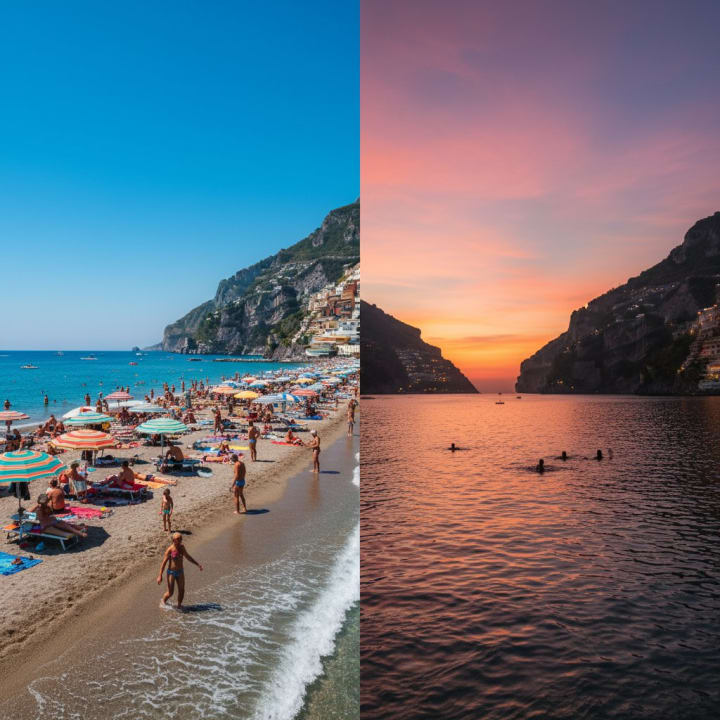
June has the clean-energy thrill of a new season: flowers spilling over balconies, long days, and a sea that’s brisk at first dip but fine by noon. Ferries are in full swing, everything’s open, and you’ll catch weddings, early-summer festivals, and that just-arrived electricity. You will also feel the momentum building—more tour groups, fuller beaches, and rising prices as you move toward peak. (Typical June highs hover around the upper 20s °C; sea temperatures average around 23°C.)
September is the exhale. Families have gone home, days are still warm, and the sea is at its silkiest—about 25°C on average—thanks to the summer’s stored heat. Evenings cool down just enough for a light linen shirt at dinner. Prices soften after the first week, restaurant reservations get easier, and the light turns golden earlier. You do trade a few minutes of daylight and a slightly higher chance of a shower late in the month, but most days are exactly what you imagine when you say “Amalfi Coast”.
If you love long days and the first rush of summer, pick June. If you want warm water, calmer lanes, and locals reclaiming their routines, pick September. (And some years, climate quirks push sea temps even higher than usual—this past June saw Mediterranean marine heat spikes in places—so always check conditions close to your dates.)
Basecamp on the Ridge: Hotel Villa Franca

There are great hotels all over the coast, but I wanted the elevated, quiet and easy town access of Hotel Villa Franca. It’s a true five-star boutique set high above Positano’s lanes, with a rooftop pool and a perch that turns the sea into your wallpaper. Come evening, GOLD Sky Lounge pours the kind of sunset that erases conversation, and dinner at Li Galli—the on-site MICHELIN-starred restaurant—feels like eating inside a glass jewellery box. (Chef Savio Perna leads the kitchen; the dining room is tiny and luminous.) If you’re walking down later, the hotel runs a complimentary shuttle to the centre at set times.
Salvatore refilled my coffee, drew a tiny map on the paper placemat, and underlined one word: Cetara.
The Waiter’s Tip: Cetara, The Working Village That Still Smells of Salt
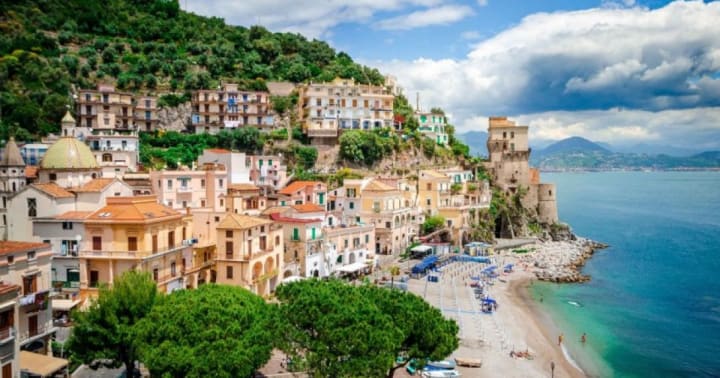
Most visitors hop between Positano, Amalfi, and Ravello. Cetara—a real fishing village further east—still hums to the rhythm of tides and nets. Its name is shorthand for anchovies and the amber, umami-packed sauce they yield: colatura di alici. The village is small: a cupola, a beach where boats nap, the Torre Vicereale watchtower, and lanes lined with shops that smell gently of salt and lemon. It feels lived in, not staged.
How to spend a few hours like a local:
- Lunch at Acqua Pazza. This is Cetara’s standard-bearer; order spaghetti con colatura di alici and let the room teach you what “taste of place” actually means. Simple, balanced, and unforgettable. (The restaurant is very much alive and cooking; colatura is their hallmark.)
- Pick up a bottle to take home. Stop by Delfino Battista’s shop for a small bottle of colatura—use a few drops with good olive oil, garlic, parsley and toss through hot spaghetti. It’s liquid history.
- Walk the harbour and tower. The Torre Vicereale anchors the beach and, when open, hosts small exhibitions; evenings often see doors open for visits. Even from outside, the view frames the whole amphitheatre of boats and houses.
- Watch the rituals. On non-storm days, you’ll see fishermen mending nets, kids threading the promenade with gelato, and nonnas negotiating for anchovies by the crate. This is the heartbeat you won’t find in a glossy brochure. (Ferries and small boats do connect here in season; it’s equally straightforward by road.)
Why Cetara is a September gift: crowds have thinned, the water is still warm, and lunch lingers without stress. In June, come earlier in the day to beat the midday heat, then slide back to Positano for a late swim.
The Day, Beat by Beat

Late breakfast at HVF. I ate slowly—the view begs for that—and asked for a second cappuccino I didn’t need. Salvatore’s map felt like a dare, so I took it.
Arrival in Cetara. The first thing you notice is scale: it’s intimate. I walked the curve of the beach to the tower, watched a man patching his net with a gesture you could set a metronome to, and let the salt and diesel and lemon blossoms mix into a scent you won’t forget.
Lunch. I took a small table at Acqua Pazza and didn’t look at the menu. Spaghetti with colatura arrived glossy, tossed with oil, garlic, and parsley, the anchovy’s depth never tipping into harshness. This is the kind of dish you think you know until you taste it where it’s born.
A tiny shop and a bottle of time. I walked a block to Delfino for colatura—100 ml is the sweet spot. The clerk wrapped it like a present and added a card with the classic recipe. I asked how long it keeps (a long while, stored cool and dark) and imagined winter dinners saved by one teaspoon.
Slow loop + tower. Back along the marina, the Torre Vicereale caught the light. In summer, the doors often open for evening visits and small exhibits; the base is photogenic all day. If it’s open, go up; if it’s not, sit on the low wall and let the scene explain why people fall in love with this coast.
Return to Positano. I made it back in time for a late dip and a rooftop spritz. The September sun was gentler, the pool quiet enough to hear ice click in someone else’s glass. June here is louder—with longer light and a cooler sea—but it’s the same panorama of terracotta and sea and impossibly stacked houses.
“Not On Google” Micro-Tips That Actually Help
- Eat the anchovy like a local. In Cetara, colatura isn’t a novelty; it’s a pantry staple. The point is restraint. One teaspoon per serving, loosened in warm oil, tossed with spaghetti off the heat. (Buy from a Cetara producer; you’ll taste the difference.)
- Time your swims. In September, late-afternoon swims are decadent—the sea holds its heat. In June, go late morning when the sun has warmed the shallows, then plan an aperitivo in the shade.
- Aim for small squares at lunch. Even in busy months, the right village at the right hour gives you old-world quiet. Cetara at 13:00–14:00 feels like a paused film while kitchens hum.
- Rooftop rhythm. Back in Positano, claim HVF’s roof an hour before sunset. It’s a moving painting, and the cocktail list is more considered than most rooftop bars on the coast. (Book Li Galli ahead if you want to stay put for dinner.)
- Shoulder-season reality. Ferries and some services taper later in autumn, but June and September are the sweet spot: everything’s running, without peak-season shoulder-to-shoulder mania.
September vs June: The Call
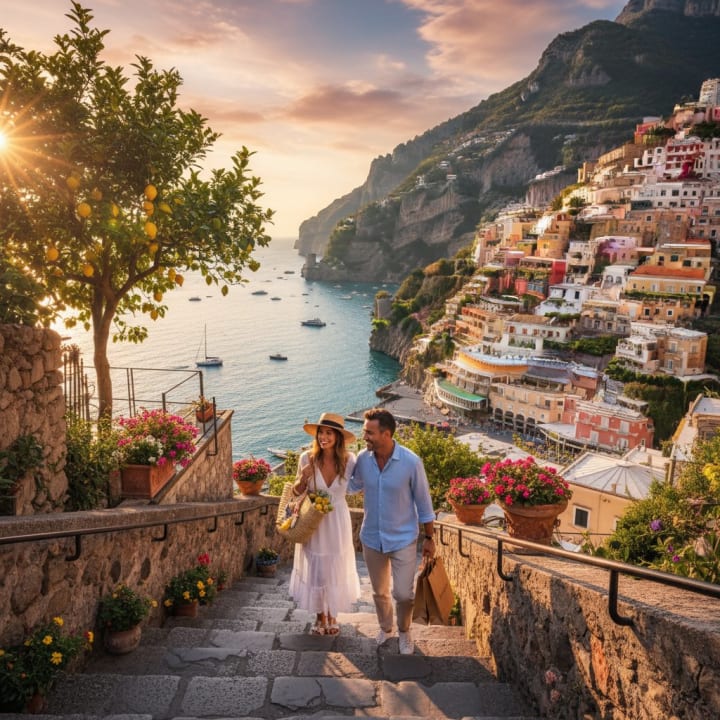
Here’s the blunt truth you wanted: if your priority is warm water, looser crowds, and softer light, choose September. If your priority is maximum daylight and first-flush summer energy, choose June. The Amalfi Coast is itself in both months. The difference is how much room it gives you to breathe.
I’m glad I asked a waiter instead of a forum. Salvatore’s answer didn’t come with hashtags or fear of missing out; it came with Cetara—a working village where lunch tastes like history and the sea still matters more than selfies. That, for me, is the real tie-breaker.
Where I Stayed (and Why It Worked)

Hotel Villa Franca (HVF), Positano — 5-star boutique with a rooftop pool, GOLD Sky Lounge for panoramic drinks, and Li Galli (the MICHELIN-starred jewel box of a dining room) for a dress-up night. It’s upscale without the scene, and the shuttle means you don’t have to fight steps every time you head down. If you want design, views, and quiet edges while staying in Positano proper, it’s a superb base.
If this kind of locals-first detour is your thing, I’ve also written about Alassio, Italy—a Riviera town where a midnight alley wander turned into a small celebration. That story includes my paid 3-day insider guide to Alassio’s boutique stays and secret corners. When you’re ready to plan it, you can grab it HERE: https://stan.store/Nomadia1.
This was crafted with the help of AI to shape ideas and polish flow, but every detail and recommendation comes from real research and personal experiences.
About the Creator
DARK TALE CO.
I’ve been writing strange, twisty stories since I could hold a pen—it’s how I make sense of the world. DarkTale Co. is where I finally share them with you. A few travel pieces remain from my past. If you love mystery in shadows, welcome.
Keep reading
More stories from DARK TALE CO. and writers in Wander and other communities.
Seville Hidden Gems: A Day in Barrio Alfalfa & Plaza del Cabildo
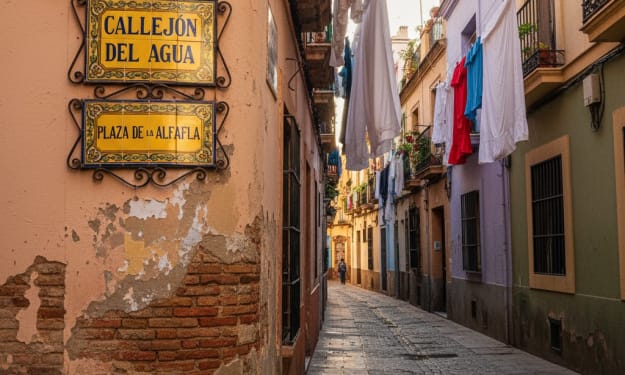
I dropped my bag and walked straight into Barrio Alfalfa, letting the afternoon light pull me down narrow lanes. A Sevillana at a café table overheard me ask for “somewhere locals hide at noon” and smiled: “Start at Plaza del Cabildo. Don’t blink—you’ll miss the entrances.”
By DARK TALE CO. 4 months ago in Wander
Travelers in the Caribbean Experience Major Flight Disruptions Following Airspace Closure
If you were planning a Caribbean getaway recently—or already soaking up the island sun—you may have found your travel plans suddenly turned upside down. Thousands of travelers across the Caribbean experienced major flight disruptions after an unexpected airspace closure brought regional air travel to a near standstill. Flights were canceled, airports overflowed with stranded passengers, and what should have been a relaxing escape quickly became a stressful waiting game.
By Aqib Hussain6 days ago in Wander
Are Trains in Morocco Kid-Friendly? by Morocco Family Vacation
Traveling with kids often means rethinking everything you take for granted as an adult from transport to meals to pacing. On our family trip to Morocco, one question kept coming up: Are trains in Morocco kid-friendly?
By Ariel Cohen2 days ago in Wander


Comments
There are no comments for this story
Be the first to respond and start the conversation.