
All You Need to Know Regarding the Manaslu Circuit Trek (In-Depth Guide with Resources)
Why the Manaslu Circuit Trek Must Be Your Option?
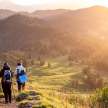

The Manaslu Circuit Trek is Nepal's most stunning, culturally rich, and lesser-traveled Himalayan adventure. Encircled by Mount Manaslu, the 8,163-meter-high eighth highest peak in the world, the trek offers an ideal mix of nature, culture, and adventure. It is not just the snow blanket on the massive Himalayan peaks or the sheer scenery, but the unpolluted Tibetan-influenced villages, authentic teahouse culture, and spiritual richness of Manaslu that make it special.
Why the Manaslu Circuit Trek Must Be Your Option?
If you are looking for a remote, peaceful trekking experience away from the tourist routes of Everest or Annapurna, the Manaslu Circuit is your ideal option. With this trek still fairly untouched by large crowds, even during high season, there is a chance for an increased sense of engagement with nature and culture. Along the way, you'll walk through ancient Tibetan Buddhist villages, visit centuries-old monasteries, cross heart-stopping suspension bridges, and experience the diverse landscapes from subtropical forests and river gorges to alpine grasslands and snowfields.
The highlight of the trek is traversing the beautiful Larke La Pass at an elevation of 5,106 meters, with sweeping views of the Manaslu, Himalchuli, and Ganesh Himal ranges. The trek also offers intense biodiversity and the opportunity to sight rare animals in the Manaslu Conservation Area.
Trek Overview and Key Facts
The Manaslu Circuit Trek will be for 14 to 18 days, depending on your pace and acclimatization. The trek begins from Soti Khola and concludes at Dharapani, so it is a half-circle trek. With the highest elevation of 5,106 meters at Larke La Pass, the trek is moderately challenging and needs to be undertaken by those who have some experience in hiking or trekking.
This is a closed area trek, and therefore, you need special permits and also need to have a licensed guide with you. You will also need to be with a group of two or more (not the guide), as solo trekking here is prohibited due to safety and policy reasons.
Permits and Regulations
To take on the Manaslu Circuit, you will need three major permits. The first is the Restricted Area Permit (RAP), which is mandatory and must be applied for through an approved trekking company. The second is the Manaslu Conservation Area Permit (MCAP), and the third is the Annapurna Conservation Area Permit (ACAP), as the final few days of the trek are in the Annapurna region. These permits are typically arranged by your trekking company.
It's significant to note that permissions are not issued to solo trekkers and you must have an experienced guide. This legislation is enforced in an effort to offer security and encourage sustainable tourism to remote Himalayan regions.
Best Time to Do the Manaslu Circuit Trek
The best seasons to hike Manaslu are in the spring (March to May) and autumn (September to November). During spring, the rhododendron trees are at their best, with warm weather mostly and clear skies. Autumn is characterized by crisp mountain air, stable weather, and great visibility — hence the most sought-after season.
Monsoon season (June to August) trekking is not recommended due to rain, landslides, and leeches. Winter (December to February) also experiences very cold weather and heavy snowfall at higher elevations, generally rendering Larke La Pass impassable.
Manaslu Circuit Itinerary
A typical 16-day tour starts with driving from Kathmandu to Soti Khola and then day-to-day trek through villages of Machha Khola, Jagat, Deng, Namrung, Lho, and Sama Gaon. You'll have one acclimatization day at Sama Gaon where you can explore the Manaslu Base Camp or Pungyen Gompa by side excursions.
From there, the trek continues to Samdo, then Dharamsala (High Camp), before making the challenging climb to Larke La Pass. Once you have crossed the pass, you descend to Bimthang, and then descend further to Gho and Dharapani, where the trek concludes and you return by road to Kathmandu.
This itinerary allows a well-balanced mix of physical exertion, cultural exposure, and natural beauty, with rest days allowing for acclimatization and recovery.
Trekking Difficulty and Preparations
The Manaslu Circuit Trek is rated as moderate to challenging. Although it is not technical mountaineering, you need to be in good physical condition to walk 6 to 8 hours a day on rough, uneven trails, often at high elevations. The climb to Larke Pass is particularly strenuous due to the altitude and early morning start in icy weather.
Long walks, stair climbing, cardio exercising, and conditioning exercises a few weeks before your hike are strongly recommended. Acclimatize your mind to basic living conditions and potential altitude discomforts, too.
Accommodation and Food on the Trail
Accommodation along the Manaslu Circuit is mostly in basic teahouses run by local families. The rooms are basic, often twin-share with bathrooms to share and while some lodges have hot showers and power charging points, these are occasionally paid for and not always guaranteed.
Meals tend to be hearty and carbohydrate-based, intended to support trekkers. Dal bhat (lentil soup and rice), noodles, momos (dumplings), soups, and pancakes are common fare. While the menu is fairly consistent from village to village, freshness and flavor can vary. Tea, coffee, and light snacks also find their way into most lodges.
Packing Essentials for the Manaslu Trek
Pack high-quality equipment for mixed weather conditions while trekking the Manaslu Circuit. Pack a warm -10°C sleeping bag, layered clothing, a down jacket, waterproofs, and good-broken-in hiking shoes. Trekking poles, a headlamp, sunscreen, a hat, and a pair of sunglasses are also necessities.
Furthermore, bring a simple first-aid kit, personal medication, water purification tablets, and a power bank. As there are no ATMs along the trail, everything has to be paid for in cash, ideally in Nepalese rupees.
Internet, Phone, and Connectivity
Internet access is scarce on the Manaslu trek. There are some teahouses in villages such as Sama Gaon and Samdo that provide Wi-Fi for a charge, but the connection is slow and erratic. Mobile networks (such as Ncell or Nepal Telecom) only function in the lower reaches of the trail, and even then the coverage is spotty. If staying in touch is crucial, bring a local SIM card with a bit of data, but don't count on a stable service.
Altitude Sickness and Safety
Altitude sickness is a real threat on the Manaslu Circuit, especially when you cross over 3,000 meters. Headaches, nausea, dizziness, and tiredness are symptoms. The best way to prevent AMS (Acute Mountain Sickness) is to ascend slowly, stay hydrated, and include acclimatization days in such places as Sama Gaon.
Using Diamox as a preventative is useful, but only after seeing a doctor. It's also advisable to inform your guide should you fall ill at some time on the trek. Emergency evacuation by helicopter is possible but expensive if you are not covered by insurance policy for high-altitude trekking.
Cultural and Natural Highlights
The Manaslu Circuit's cultural aspect is perhaps its most exciting feature. You'll visit traditional Buddhist villages where the locals continue to wear Tibetan clothes and follow old customs. Sama Gompa, Pungyen Gompa, and Kargyu Chholing Gompa monasteries are not just places of worship but also incredible viewpoints.
Natural highlights include pristine rivers, waterfalls, rugged forests, alpine valleys, and views of peaks like Manaslu, Himalchuli, and Ganesh Himal. Blue sheep, Himalayan tahr, and even snow leopards are seen in the Manaslu Conservation Area if you are lucky.
Is the Manaslu Circuit Trek for You?
Manaslu Circuit Trek is suitable for those who want a challenging trek in a less visited region with fewer tourists. It has its raw charm, cultural reality, and a highly rewarding experience for those willing to go off the mainstream trekking route. It's also suitable for Everest Base Camp or Annapurna for those who are looking for isolation and more cultural immersion.
With proper planning, a good guide, and ample time to acclimatize, the Manaslu Circuit can be one of the highlights of your walking life. Here are the resources which covers every aspect of the Manaslu Circuit Trek.
Explore the Manaslu Circuit Trek
Cultural Insights Along the Manaslu Circuit Trek: Exploring the Tsum Valley
The Manaslu Circuit Trek: Exploring the Heart of the Himalayas
Best Short Treks in Nepal for 2025/2026
Manaslu Circuit Trek Map & Annapurna Circuit Trek Route
Embark on the Ultimate Adventure: The Manaslu Circuit Trek
How to Prepare for the Manaslu Trek: A Beginner's Guide
Top 10 Things to Do on the Manaslu Circuit Trek: A Complete Guide for 2025/2026
Places to visit during Manaslu Annapurna Circuit Trek
Exploring Delicious Foods on the Manaslu Circuit Trek
Manaslu Circuit Trek Accommodations: A Comprehensive Guide for Trekkers
Trekker Standing Infront of the Glacier Lake
My Next Adventure: A Journey Through the Manaslu Circuit and Larkya La Pass Trek
Manaslu Circuit Trek - 14 days
How I Built a Scalable Travel Management System and What I Learned
Tasting Tradition with Rheldok
Best Selling Treks in Nepal for 2025
Is the Manaslu Circuit Trek Right for You? Difficulty, Altitude & Training Tips
Why the Manaslu Circuit Trek is Nepal’s Best Kept Secret in 2025?
Manaslu Circuit Trek: Nepal’s Best-Kept Secret in the Himalayas
About the Creator
Maik Tyson
Hey everyone, It's me, Maik Tyson. Aw aw not the UFC fighter but the storyteller who would write stories for you to fight with your inner enemies and enjoy my stories. Visit me: https://www.adventurevisiontreks.com/trip/manaslu-circuit-trek
Keep reading
More stories from Maik Tyson and writers in Wander and other communities.
Why Annapurna Base Camp Trek Should Be on Your Bucket List?
Have you ever dreamed of standing in the heart of the mighty Himalayas, surrounded by snow-capped giants and breathing in crisp mountain air? If so, the Annapurna Base Camp (ABC) Trek deserves a top spot on your adventure bucket list. Nestled deep in central Nepal, this iconic trek leads you straight into the Annapurna Sanctuary, a natural amphitheater of some of the world’s highest peaks.
By Maik Tyson8 months ago in Wander
Worth the Wait: Puerto Viejo, Costa Rica
Beach bumming in a small Caribbean beach town sounded like a perfect way to end our 6-month trip through Mexico and Central America. Or so we thought. The foul, fishy stench of rotten seaweed hit our nostrils as we stepped from the cramped bus and looked out at a rather depressing, empty, and underwhelming black sand beach. It was pouring with rain, and we had to quickly fish out our ponchos. We thought, this couldn’t be it, could it?
By Sh*t Happens - Lost Girl Travel6 days ago in Wander
Turkey: Take THEM With You.
The first time I went to Istanbul, I went with my sister. The second time, I brought family. Picture from the trip. Same city. Same accommodation - right in the center of everything, the spot we'd found the first time and couldn't justify leaving.
By Destiny S. Harris6 days ago in Wander
Early March 2026: 4 Goals Accomplished
It's early March and I've now accomplished my 4th writing goal for the year of 2026. Before diving into the behind-the-scenes of it... why not tell you up front what that accomplishment was? I was published in a 2nd publication for this year. Published in Helix Literary Magazine out of Central Connecticut State University. You can read it for free right now!
By Stephen Kramer Avitabile7 days ago in Writers




Comments
There are no comments for this story
Be the first to respond and start the conversation.