
AIDA Cruise Ships: Germany’s Vibrant and Modern Fleet on the Move
From Its East German Roots to a Global Cruise Brand, AIDA Brings Modern Luxury and a Touch of Fun to the Open Seas.

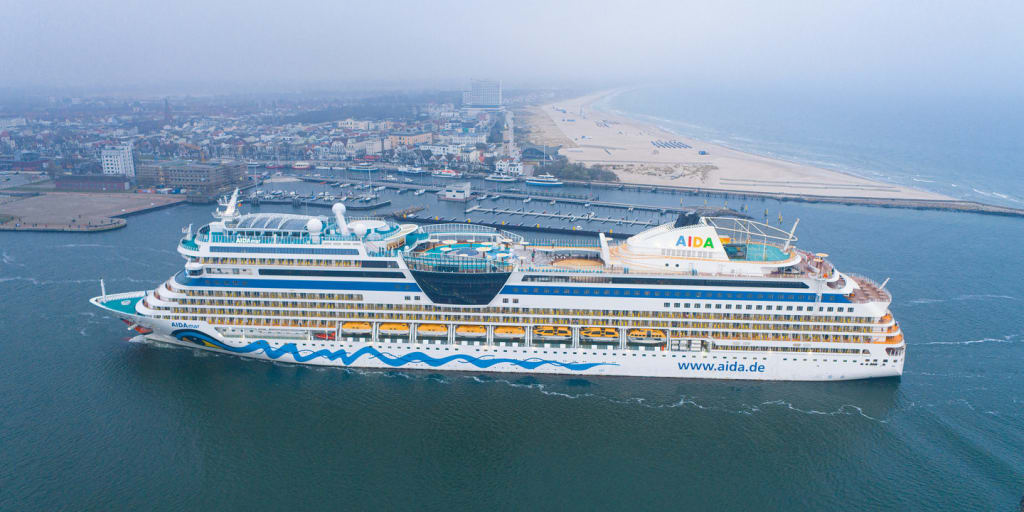
When people think of cruises, many imagine luxury liners or traditional ocean voyages. But AIDA Cruises, the German cruise line known for its colorful “kissing lips” logo, has redefined what cruising means for a younger, more relaxed generation. Since the 1990s, AIDA has become a symbol of fun, modern travel — offering a casual, resort-style experience on the open sea. Here’s an inside look at the history, fleet, and future of AIDA’s cruise ships.
From East German Roots to a Global Cruise Brand
AIDA Cruises has roots that go back to the former East Germany. Originally part of the Deutsche Seereederei (DSR), the cruise business eventually branched off and rebranded itself in the 1990s.
On June 7, 1996, the very first ship, AIDAcara, was launched — marking the beginning of a new cruise concept: a “club resort at sea.” This idea blended the comfort of a resort vacation with the adventure of ocean travel. The AIDAcara served faithfully for 25 years before being sold in 2021 to make way for a newer, more sustainable generation of ships.
Today, AIDA Cruises operates under the umbrella of Carnival Corporation, one of the world’s largest cruise companies.
A Diverse and Innovative Fleet
The AIDA fleet currently includes 11 ships, each with its own character and design: AIDAbella, AIDAblu, AIDAcosma, AIDAdiva, AIDAluna, AIDAmar, AIDAnova, AIDAperla, AIDAprima, AIDAsol, and AIDAstella.
Two of the newest and most advanced ships — AIDAnova and AIDAcosma — run partially on LNG (liquefied natural gas), significantly reducing harmful emissions and setting new environmental standards for the industry.
AIDA is also in the process of modernizing older vessels, especially its popular Sphinx-class ships like AIDAdiva, AIDAbella, and AIDAluna. These renovations focus on energy efficiency, design updates, and new guest experiences to meet modern standards.
The AIDA Concept: Relaxed, Fun, and Full of Life
What makes AIDA stand out from traditional cruise lines is its casual, club-style approach. There’s no formal captain’s dinner or dress code. Instead, AIDA emphasizes a lively, relaxed atmosphere that encourages passengers to unwind and enjoy themselves.
At the heart of each ship is the Theatrium — a combination of theater and atrium where live shows, music, and performances take place every evening.
AIDA ships also feature water slides, climbing walls, spacious sun decks, and wellness areas. The brand’s focus on fitness, entertainment, and fun has made it especially popular with young travelers, couples, and families.
Dining onboard follows the same laid-back style. Most restaurants are buffet-based, offering international and local cuisine, with à la carte options available for a more upscale experience.
Sailing Toward Sustainability
AIDA Cruises takes environmental protection seriously. With the AIDAnova, the company became the first to launch a fully LNG-powered cruise ship, reducing emissions of CO₂, nitrogen oxides, and sulfur.
Under its sustainability initiative “AIDA Cares,” the company has committed to becoming carbon neutral by 2040. AIDA also invests in local partnerships, innovative technology, and cleaner operations to ensure that cruising becomes greener every year.
Other projects include shore power technology (allowing ships to plug into local electricity while in port) and improved waste and water management systems — part of AIDA’s long-term goal to lead the industry toward sustainability.
A Cruise Experience for Everyone
Unlike many international cruise lines, AIDA caters primarily to German-speaking guests, both in language and onboard culture. The average passenger age is around 42 years, reflecting AIDA’s appeal to younger, active travelers who prefer casual luxury and lively entertainment.
The atmosphere onboard is friendly and social — a place where guests can enjoy both relaxation and excitement, whether they’re watching a live show, trying yoga at sunrise, or joining a themed deck party under the stars.
Challenges and Criticism
Like many cruise brands, AIDA faces ongoing challenges. Rising costs have led to price increases for drink packages and services, something that drew public attention in German media.
Environmental critics also continue to question the sustainability of cruising in general. While AIDA’s adoption of LNG and renewable energy initiatives is a positive step, reaching full climate neutrality remains a long-term challenge.
Looking Ahead: Growth and Innovation
AIDA isn’t slowing down. The company is investing heavily in fleet modernization and technological innovation, exploring new ship designs that focus on energy efficiency and passenger comfort.
With a growing global presence and a strong foothold in the European market, AIDA’s mission is clear: to make cruising more sustainable, enjoyable, and accessible — all while staying true to its signature blend of German precision and Mediterranean fun.
Final Thoughts
An AIDA cruise ship isn’t just a means of travel — it’s an experience. Bright, friendly, and full of energy, AIDA combines the freedom of the sea with the joy of a resort vacation. With a focus on sustainability, innovation, and relaxed enjoyment, AIDA Cruises continues to chart a fresh and exciting course in the world of modern cruising.
If you’re dreaming of a voyage filled with sunshine, good food, and genuine hospitality, stepping aboard an AIDA ship might just be your perfect next adventure.
About the Creator
Sajida Sikandar
Hi, I’m Sajida Sikandar, a passionate blogger with 3 years of experience in crafting engaging and insightful content. Join me as I share my thoughts, stories, and ideas on a variety of topics that matter to you.
Keep reading
More stories from Sajida Sikandar and writers in Wander and other communities.
Lima: The Heartbeat of Peru
When most travelers think of South America, they imagine breathtaking mountains, ancient ruins, and vibrant cities. And standing proudly at the intersection of history and modernity is Lima, the capital city of Peru. Often described as “The City of Kings,” Lima is a fascinating blend of colonial architecture, coastal beauty, world-renowned cuisine, and centuries-old traditions. Far more than just a gateway to Machu Picchu, Lima is a destination in its own right—full of energy, culture, and stories waiting to be discovered.
By Sajida Sikandar5 months ago in Wander
Worth the Wait: Puerto Viejo, Costa Rica
Beach bumming in a small Caribbean beach town sounded like a perfect way to end our 6-month trip through Mexico and Central America. Or so we thought. The foul, fishy stench of rotten seaweed hit our nostrils as we stepped from the cramped bus and looked out at a rather depressing, empty, and underwhelming black sand beach. It was pouring with rain, and we had to quickly fish out our ponchos. We thought, this couldn’t be it, could it?
By Sh*t Happens - Lost Girl Travel9 days ago in Wander
What Hidden Costs Should You Know in Armenia Tour Packages?
Booking Armenia Tour Packages is one of the easiest ways to explore this beautiful Caucasus destination. Many travel packages include hotels, transfers, and sightseeing tours, making travel convenient and organized. However, travelers should also be aware that some hidden costs may not always be included in the initial price.
By Viacation Tourism5 days ago in Wander
Hottest in the Office
Dear Rafi, You’re very distracting to work around. For the first second I saw you the other day, I thought you were some type of executive. It took a moment to realize no, you were just the new guy, dressed up for the job he wants. Be still, my heart.
By Gabriel Shames5 days ago in Pride




Comments
There are no comments for this story
Be the first to respond and start the conversation.