

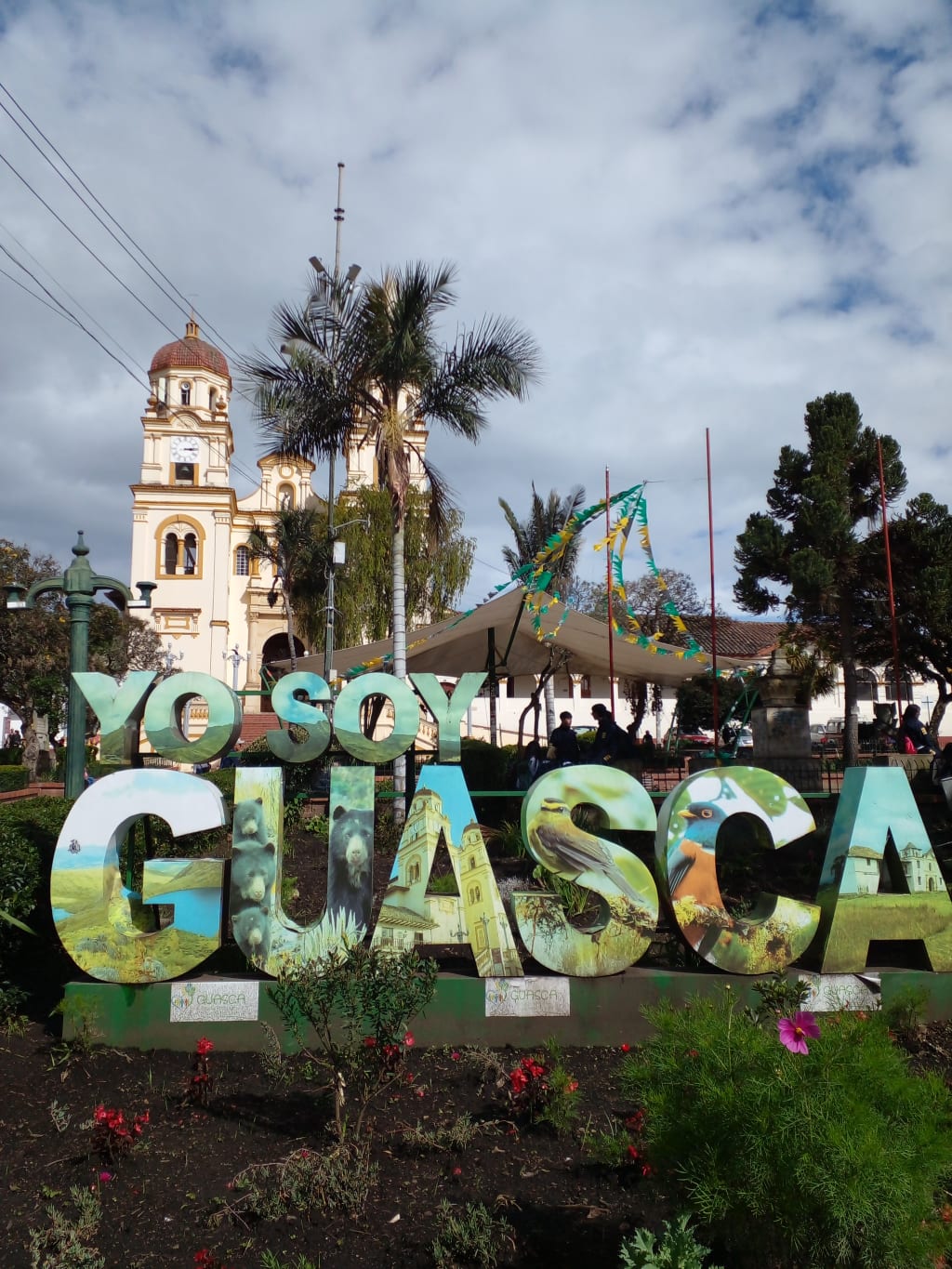
Guasca, Colombia, is located in the Cundinamarca Department of Colombia and is about a 30-minute bus ride from Sopó.
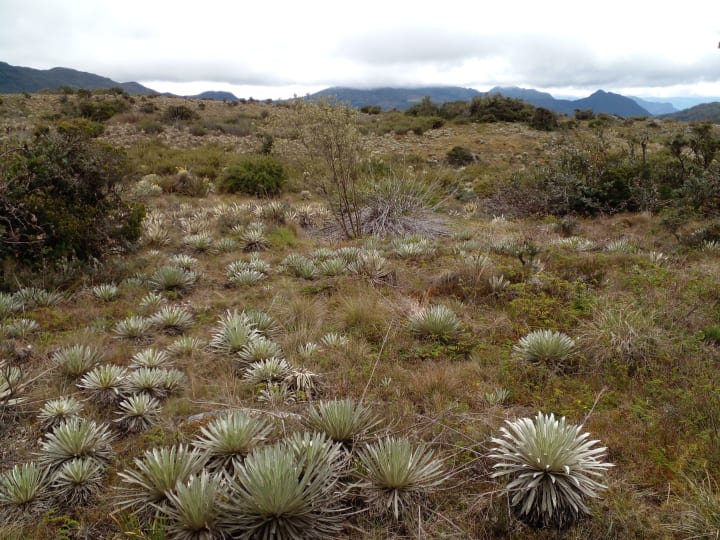
Guasca contains one of the sacred lagoons for the Muisca culture, the Siecha Lagoon. It was considered a holy space in the Chingaza Natural National Park.
A park with all the elements of earth, including a lot of wind, I thought I was going to be blown away, and then I was blown away when I saw the wind clear to see one of the three sacred lagoons. We saw one of three, but that is better than none.
To be able to see the lagoons, you must book a tour with a certified guide of the Chingaza. I booked one in Spanish, so my focus was incredible; he took another girl and me up the mountain and kept our bellies full of tinto (coffee) and gummies.
He also explained to us every plant in the area and how they were used in the Muisca times and today.
The Guasca area is one of the only areas that grow blueberries in Colombia as well; they produce a ton of strawberries and an apple called ¨Manzana Agua¨, which translates to Apple Water, and they taste like a regular apple, just a bit smaller.
Guasca is a bit chillier than other parts of Colombia, as it is elevated and gets pretty cold at night. I stayed in a four-bed hostel that I booked on Air B/B, as finding a hostel in smaller towns is quite complex, or they are more expensive than my budget allows.
I was also the only one there. The lady was so sweet and fed me lunch a few times when I was there. She also made the reservation with the tour guide of the mountain.
I am so happy she made the reservation for me; it was one of the most incredible experiences I have ever been on. The man was in his 60s and ran up the mountain with me; another girl could barely keep up.
When we got to the sacred lagoon, he thanked me for wanting to take the adventure as he had few clients and hadn’t been on the mountain in over a year.
The town was not touristy, and the only other tour we saw was a group of Europeans who ran by us; we thought they only wanted to see the lagoon, but I wanted the entire story of the mountain, which I got plus more.
The hill was a sacred space for the Muisca to celebrate as well as celebrate their dead. There is another lagoon in Guatavita which is more famous for the legend of El Dorado; however, according to the guide, the lagoon where the king of the Muisca covered himself in gold is in the Chingaza national park on the Siecha Lagoon.
However, he did say if you go to the Guatavita Lagoon, they will say the same; however, the town of Guatavita was only constructed for tourism, so I did not go for this main reason.
I may return as I am sure the lagoon is beautiful, yet I felt Gausca had an authentic feel, not pretentious.
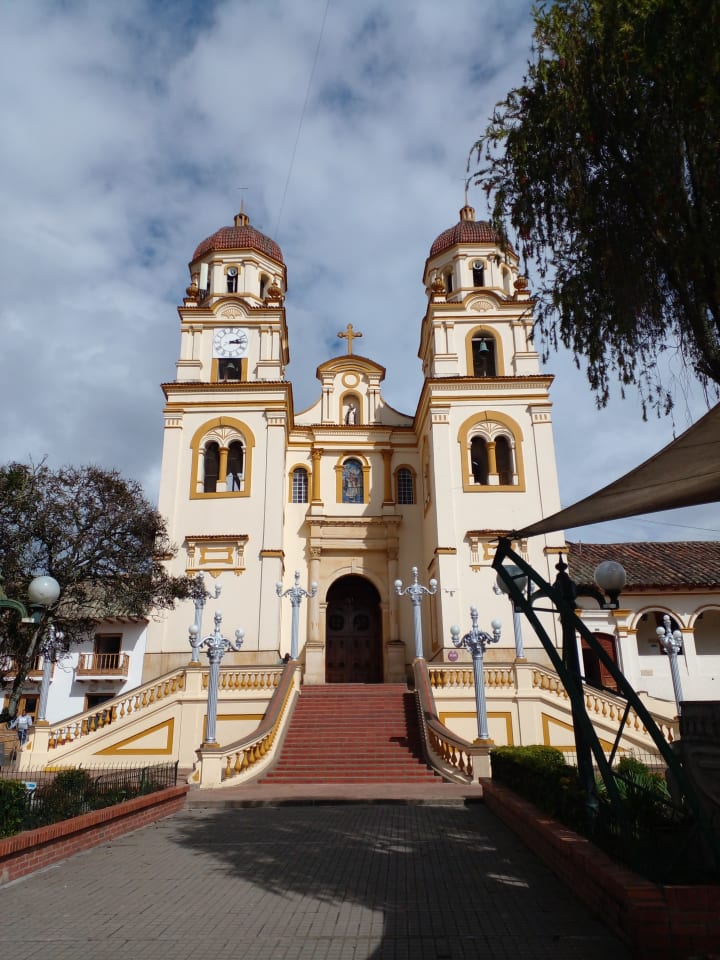
In the center of Guasca is a gorgeous Basilica; in all Colombian squares, the church is the center of town.
Along the side roads, you can eat your heart out of delicious desserts, drink tinto or walk to the nearby hot springs (termales).
We went to see the drawings of the Muiscas on the rocks, but the place was closed when we arrived; the guy said we could hike up the mountain, and we stayed there until the sun went down, with a perfect view of the milky way away from the city lights.
The town is known for the agriculture mentioned above and for farming goats, sheep and cows, potatoes, and carrots. Due to the rainy went cold climate, it is perfect for root vegetables.
I made a friend with ¨Carlos¨ the dog out front of my hostel; he adopted the hostel and its guests and is now the honorary mascot.
I recommend visiting this small town. It may not seem like much, but once you start wandering off one of the side streets, you can watch the cows, horses, and local culture. Drink some tinto, and pick some berries that grow wild all over the area.
They only get a few Western tourists so that people will talk to you. I sat down for lunch, and the restaurant owner sat with me, asking about me and why I decided to visit.
She said they only get a few tourists, especially from the US. Occasionally some Europeans but few and far between, she had my favorite kombucha at her shop.
She also taught herself how to cook French food, which was terrific. I was not looking for French food or kombucha, but just food, as it was after lunch and too soon for dinner.
I was so happy to eat the most delicious dish ever, no idea what it was called, and I had a pan de chocolate for dessert.
After the kindness of the small towns, I am now a big city, even though it is still a small town compared to Bogotá or Medellín.
A town that is too touristy as I am already looking for the next off-the-beaten-path, pueblito. My only problem is that it is difficult to find housing; I consider Couchsurfing and possibly going back to volunteering, as that is the ultimate way to go off the beaten path and even off the track completely. As always, a video is included:)
Also, one of the ways I am working on my Spanish is I take all the tours in Spanish, I get a better feel for the culture, and it helps me be a better listener as I have to pay attention since I am still learning the language.
My guide has not had many gringas on tour; he was terrific and always ensured I understood.
XOXO
S
About the Creator
sara burdick
I quit the rat race after working as a nurse for 16 years. I now write online and live abroad, currently Nomading, as I search for my forever home. Personal Stories, Travel and History
Keep reading
More stories from sara burdick and writers in Wander and other communities.
American women are upset that men are choosing to go overseas to find wives; the story of Passport Bros.
It might be the first time you hear the Passport Bros, yet maybe not. Maybe you dream of becoming a passport bro. I had a boyfriend overseas in Colombia for a long time. Does that make me a passport gal?
By sara burdick3 years ago in Wander
Are Trains in Morocco Kid-Friendly? by Morocco Family Vacation
Traveling with kids often means rethinking everything you take for granted as an adult from transport to meals to pacing. On our family trip to Morocco, one question kept coming up: Are trains in Morocco kid-friendly?
By Ariel Cohen5 days ago in Wander



Comments (1)
Sounds like a great place to visit. It seems better to be off the beaten path