
A Complete Guide to the Mekong Delta Tour in Vietnam
Here's everything you need to know before you step aboard a sampan and drift into this water-world.

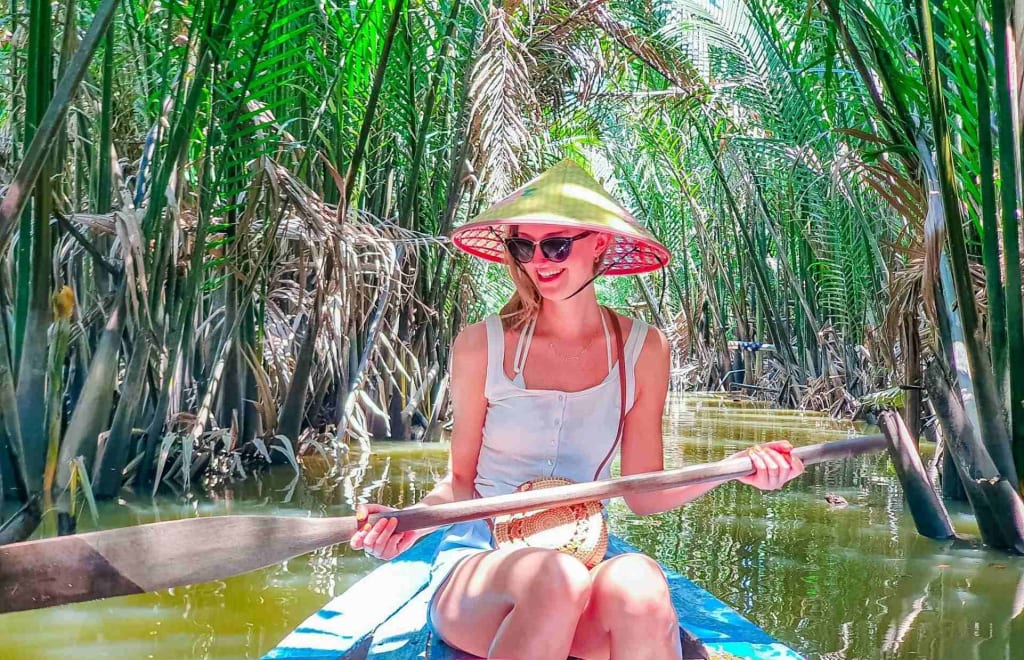
The Mekong Delta isn’t just a place—it’s an experience that unfolds slowly, like the river that defines it. Picture yourself floating past swaying palms, vibrant floating markets, lush rice paddies, and peaceful villages where life flows with the water. Located in the southern part of Vietnam, the Mekong Delta—also known as the “Rice Bowl of Vietnam”—is a region rich in culture, nature, and authentic local life.
Whether you’re a nature lover, a foodie, or someone seeking slow travel with cultural immersion, a Mekong Delta tour is a journey you’ll never forget. Here's everything you need to know before you step aboard a sampan and drift into this water-world.
What Is the Mekong Delta and Why Should You Visit?
The Mekong River travels over 4,000 km from the Tibetan Plateau through six countries before fanning out into a vast maze of rivers and canals in southern Vietnam—this is the Mekong Delta.
It’s a region of endless waterways, lush landscapes, and communities that have adapted their lives around the river. A tour here offers a window into:
Traditional Vietnamese village life
Local floating markets and riverside commerce
Tropical fruits and farm-to-table cuisine
Handicrafts, coconut candy making, rice paper workshops
Buddhist temples and serene countryside views
But the real charm? Everything here is connected by water. Boats are buses, and rivers are roads.
Types of Mekong Delta Tours: Choose Your Own Flow
There are several ways to explore the Mekong Delta, and the kind of tour you choose depends on your time, budget, and level of curiosity.
1. Day Tours from Ho Chi Minh City
Ideal for those short on time.
Typically visit My Tho or Ben Tre, the closest provinces (around 2 hours from HCMC).
Includes boat rides, fruit tastings, local workshops, and a traditional Vietnamese lunch.
Duration: ~8–10 hours
Cost: $20–$50 USD per person
2. 2-Day or 3-Day Mekong Delta Tours
Great for deeper immersion.
Often include visits to Can Tho, Cai Be, or Vinh Long.
Highlights: Early morning floating markets like Cai Rang, biking through villages, cooking classes, and homestays.
Duration: Overnight to 3 days
Cost: $70–$150 USD depending on the package
3. Luxury or Private Cruises
Multi-day river cruises with upscale comfort and cultural excursions.
Ideal for honeymooners or slow-travel lovers.
Often travel all the way to the Cambodian border (Chau Doc) or continue into Phnom Penh.
Cost: $200–$500+ depending on duration and boat class
Highlights You Shouldn’t Miss on a Mekong Delta Tour
Even a short trip offers several memorable experiences. Depending on your itinerary, these might be included:
Floating Markets (Cai Rang or Cai Be)
Experience local commerce on the water, where boats sell fruits, vegetables, and noodles like mobile shops. Visit early in the morning for the most action.
Local Workshops
See how locals make coconut candy, puffed rice, rice paper, or traditional woven mats. You’ll often get to try your hand at making them too.
Village Visits & Biking Tours
Cycle through shaded village paths alongside rice fields, lotus ponds, and small canals. A great way to meet locals and see daily life up close.
Rowboat Ride through Canals
Drift quietly through narrow canals lined with nipa palms in a wooden sampan. It’s peaceful, scenic, and often the highlight of the tour.
Homestay Experience
Stay with a local family, share a home-cooked meal, and fall asleep to the sounds of frogs and crickets. A true cultural immersion.
Best Time to Visit the Mekong Delta
The Mekong Delta is tropical and warm year-round, but some seasons are better for travel than others:
December to April (Dry Season)
This is the most popular time to visit. Rain is rare, and temperatures are pleasant. Ideal for cycling and sightseeing.
May to November (Wet Season)
Expect short but heavy showers. The rain makes the region even greener and rivers fuller—great for photography and fewer crowds.
If you're interested in floating markets or agricultural activities, the rainy season can be quite magical, with fewer tourists and more authentic interactions.
How to Get to the Mekong Delta
Most tours start from Ho Chi Minh City (Saigon). From here, you can:
Join a guided tour – Easiest and most popular option.
Take a local bus or minivan to towns like My Tho, Can Tho, or Ben Tre (2–5 hours).
Hire a private driver – Ideal for flexibility and small groups.
You don’t need to plan much if you're doing a tour—it usually includes hotel pick-up, boat rides, lunch, and guide services.
Travel Tips & Safety for the Mekong Delta
Pack light and breathable clothing – It gets hot and humid, especially mid-day.
Sunscreen and insect repellent are essentials.
Drink bottled water, especially if you're staying in smaller towns.
Bring cash (Vietnamese Dong) for local purchases—many vendors don’t take cards.
Tipping is not expected but appreciated.
Be respectful of local customs—especially in temples or homestays.
For budget travelers, day trips offer great value. But if time allows, spending a night or two in the delta opens up a richer, more rewarding experience.
Final Thoughts: Why the Mekong Delta Deserves a Spot on Your Vietnam Itinerary
The Mekong Delta isn’t flashy or fast-paced—it’s the opposite. It’s a place where time slows down, where nature and community live in harmony, and where every bend in the river reveals a new story.
It may not have the limestone cliffs of Ha Long Bay or the imperial grandeur of Hue, but what it offers is intimacy, simplicity, and soul. If you’re looking to connect with the real, rural Vietnam, this tour will stay with you long after the boats have docked.
About the Creator
Rohit SEN
Hey! Come along with me to explore beautiful places, learn about different cultures, and share my adventures. Let's Explore together! From a travel lover!
Worth the Wait: Puerto Viejo, Costa Rica
Beach bumming in a small Caribbean beach town sounded like a perfect way to end our 6-month trip through Mexico and Central America. Or so we thought. The foul, fishy stench of rotten seaweed hit our nostrils as we stepped from the cramped bus and looked out at a rather depressing, empty, and underwhelming black sand beach. It was pouring with rain, and we had to quickly fish out our ponchos. We thought, this couldn’t be it, could it?
By Sh*t Happens - Lost Girl Travel9 days ago in Wander
Fun Times at Globe Life Field: Part 2
Last month, I took a trip to my hometown of Arlington, Texas. It was the first time in nearly 15 years I've been back to the place that I grew up. During the two days I was there, I did some sight-seeing and was highly impressed with how much has changed the last time I was there, which was 2011. On the last day of my trip, I took part in a premium stadium tour at Globe Life Field, the home of the Texas Rangers. It was my first time there and was with a small group of people on the tour. I've discussed the things I've seen during the hour and a half tour in my previous story, which you can read down below. After the tour concluded, I went outside and took even more snapshots. I'll go over some of the images, individually and in collage form.
By Mark Wesley Pritchard 2 days ago in Wander



Comments
There are no comments for this story
Be the first to respond and start the conversation.