
5 Unforgettable Days Exploring Ninh Binh and Ha Long Bay in Vietnam
From limestone mountains to emerald seas, here’s my journey through Vietnam’s most breathtaking natural wonders.

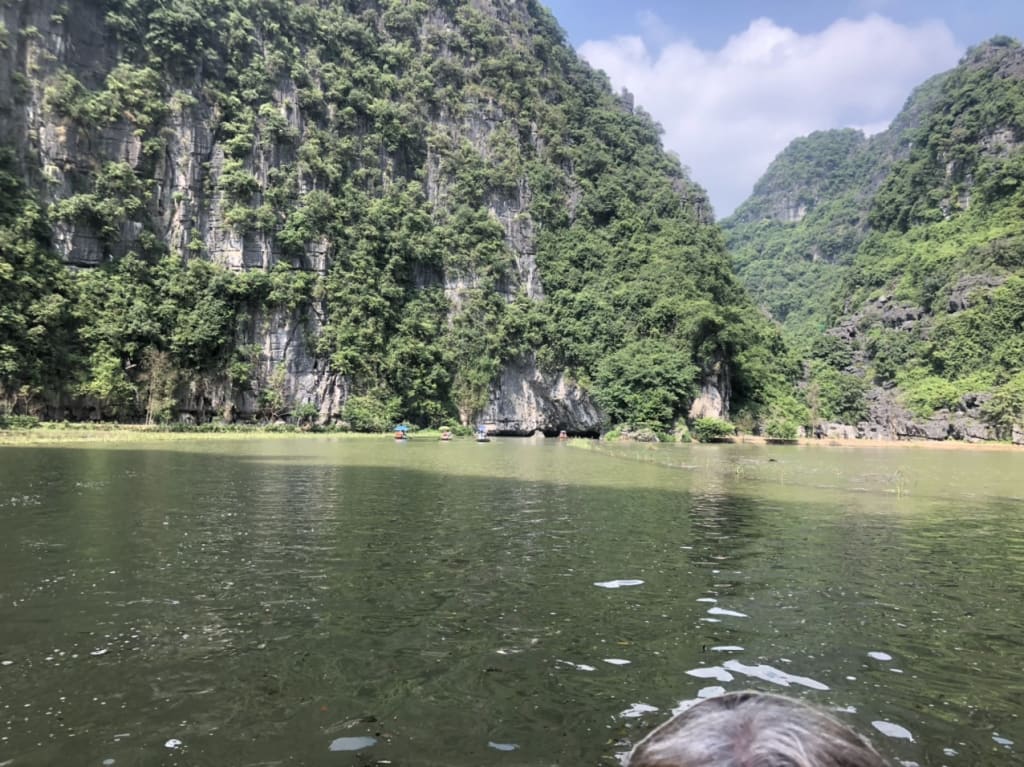
As someone who has spent years guiding travelers through Vietnam, I thought I had seen it all. Yet, nothing prepared me for the emotional depth and visual grandeur of a five-day journey through Ninh Binh and Ha Long Bay. These destinations are not only visually stunning but spiritually enriching, offering a window into Vietnam’s soul. What follows is my personal story—part adventure, part reflection—of exploring these two gems of northern Vietnam.
Day One: Leaving Hanoi for Ninh Binh
My journey began in Hanoi, the bustling capital city of Vietnam. After a quick bowl of pho and a stroll around Hoan Kiem Lake, I was picked up by my guide for the two-hour drive south to Ninh Binh. As we left the noise of Hanoi behind, the landscape gradually changed. Concrete gave way to open rice paddies, karst mountains peeked over the horizon, and water buffalo plodded along narrow village roads.
By early afternoon, we arrived in Tam Coc, our base for the next two days. I checked into a charming eco-lodge surrounded by lush gardens and towering limestone cliffs. That evening, I enjoyed a home-cooked Vietnamese dinner with my host family. The grilled goat meat and hot pot of fresh vegetables were delicious, but the conversation made the meal unforgettable. We laughed, shared stories, and connected across cultures—exactly what travel should be.
Day Two: Tam Coc and Hoa Lu
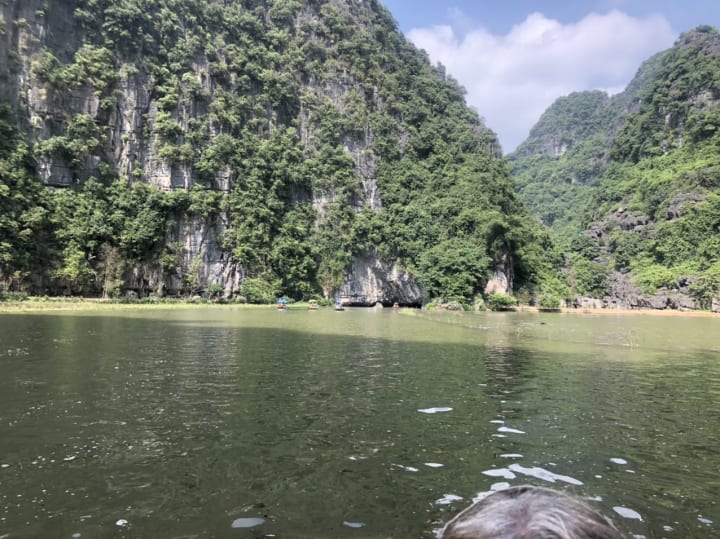
The next morning, I boarded a small wooden sampan for a boat ride through Tam Coc. This area is often called “Halong Bay on land” because of its towering limestone formations, but I found it even more peaceful. The woman rowing my boat used her feet to paddle—a skill passed down through generations. We glided through rice fields and under dripping karst caves, the only sounds being the splash of water and the chirping of birds.
Later in the day, we visited Hoa Lu, Vietnam’s ancient capital. Though only a few temple structures remain, their historical importance is immense. Walking among the stone courtyards and ancient altars dedicated to King Dinh and King Le, I could feel the weight of history under my feet. Compared to other tourist sites, Hoa Lu was quiet and reverent. There were no crowds, only the whisper of the wind through the trees.
That evening, we explored the countryside by bicycle. The golden light of sunset cast a warm glow over the rice paddies, and local children waved as we rode past. The simplicity of life here was humbling. It reminded me that beauty doesn't always come from extravagance—it often lives in the everyday moments we overlook.
Day Three: Mua Cave and Bich Dong Pagoda
I woke up early for a sunrise hike to Mua Cave. The climb involved nearly 500 stone steps that snaked up a steep limestone cliff. It was challenging, but the panoramic view at the top was breathtaking. From the summit, I could see the entire Tam Coc valley: winding rivers, green rice fields, and rugged karsts rising like dragons from the earth. It was one of those rare travel moments when everything stops, and you just exist.
In the afternoon, we visited Bich Dong Pagoda. Built into the side of a mountain, this ancient complex consists of three levels: Lower, Middle, and Upper Pagoda. Each is connected by stone staircases and nestled in natural caves. It was quiet, mystical, and slightly eerie. The scent of incense lingered in the cool cave air, and the echo of chanting monks could be heard in the distance. I sat for a while in silence, just absorbing the atmosphere. It felt like the past and present coexisted in that space.
Afterward, we visited a local family who invited us to join them for tea and banh cuon, a local rice noodle dish. As we shared food and stories, I realized how open and warm the people in this region are. Their hospitality is not a service; it’s a way of life.
Day Four: Journey to Ha Long Bay
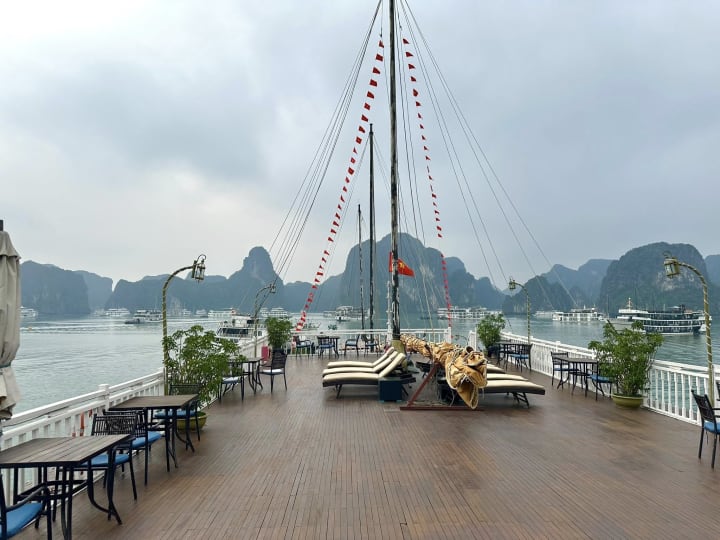
The next day, we drove northeast to Ha Long Bay, one of the most iconic destinations in Vietnam. I had seen countless pictures of the bay, but nothing compares to seeing it in person. Upon arrival, we boarded an overnight cruise ship that would take us deep into the bay’s maze of limestone islands.
Our cabin was spacious, the food freshly prepared, and the upper deck offered 360-degree views of the bay. As we sailed past towering karsts and floating fishing villages, I felt as if I had entered a dream. We kayaked into hidden lagoons, swam in secluded coves, and explored Sung Sot Cave, famous for its massive chambers and stalactite formations.
Sunset on the bay was magical. The sky turned hues of pink, orange, and lavender as the sun dipped behind the limestone peaks. That evening, I lay on a lounge chair, sipping hot tea under a blanket of stars. There were no city lights, no noise—only the gentle rocking of the boat and the distant sound of waves against the cliffs.
Day Five: Morning Reflections and Return to Hanoi
The next morning, I woke early to the sound of birds echoing across the bay. After breakfast, we visited a floating pearl farm and learned about how oysters are cultivated in Ha Long. The workers lived on floating houses, their lives intimately tied to the rhythms of the sea. It was fascinating and humbling to see how people thrive in such a unique environment.
As the cruise returned to port, I felt a mixture of contentment and sadness. I had only spent a few days in this magical region, but it felt like much longer. The memories, the conversations, the quiet moments—all of them had left an imprint on me.
We drove back to Hanoi that afternoon. As I looked out the window at the passing countryside, I reflected on the journey. Ninh Binh had shown me Vietnam’s spiritual and historical roots. Ha Long had shown me its natural majesty. Together, they offered a portrait of a country both ancient and alive.
Why This Trip Mattered
This was not just another travel itinerary. It was a reminder of how diverse and profound Vietnam truly is. It’s a place where time slows down, where the landscapes are stories, and the people are the heart of everything. In just five days, I experienced more than I expected—emotionally, culturally, and personally.
For anyone planning a trip to Vietnam, I cannot recommend this journey enough. Ninh Binh and Ha Long Bay are not just destinations; they are experiences that speak to the soul. Whether you are a first-time traveler or someone who’s visited Vietnam many times, this combination of land and sea will offer you something new, something unforgettable.
Tips for Travelers
Try to travel during the dry season, from March to May or September to November. The weather is more predictable, and you’ll enjoy clearer skies and comfortable temperatures.
Pack light but smart. Include good walking shoes for hiking in Ninh Binh and flip-flops for the cruise. Don’t forget sunscreen and a hat.
Respect local customs. Dress modestly at temples, ask before taking photos of people, and support local businesses when possible.
Stay hydrated and avoid street food if you’re not used to it. Though tempting, it can upset your stomach.
Book with a trusted local company. I traveled with Asian Link Travel and highly recommend them. Their attention to detail, knowledgeable guides, and local connections made everything smooth and memorable.
A Final Word
Travel, at its best, doesn’t just show you new places—it changes the way you see yourself and the world. My five-day journey through Ninh Binh and Ha Long Bay did exactly that. It reminded me of the beauty of simplicity, the power of nature, and the joy of connecting with others.
If you ever find yourself longing for quiet mountains, floating villages, or a moment of stillness under the stars, you’ll find it here—in the heart of northern Vietnam.
About the Creator
Vinh
Hi, I’m Vinh — a travel enthusiast with a deep passion for exploring cultures, people, and hidden corners of the world.
I believe every journey tells a story, and I’m here to share mine while inspiring yours.
Keep reading
More stories from writers in Wander and other communities.
A Dart at Dusk
Seconds ago, the sullen sun set on the two of us… my exuberant furry companion and me. A fresh breeze embraces us, delivering welcome relief from the day’s oppressive heat. His typical stumbling and staggering along — apace with a sloth — has turned into trip-trapping, high-stepping, almost skipping along.
By Angie the Archivist 📚🪶4 days ago in Petlife


Comments
There are no comments for this story
Be the first to respond and start the conversation.