
3 Destinations and a Rising Star
Urla is a fascinating alternative for well-known Mediterranean travel destinations like Tuscany and San Sebastian as it offers its own blend of rich history, an active art scene, sustainable tourism, and rediscovered wine traditions.

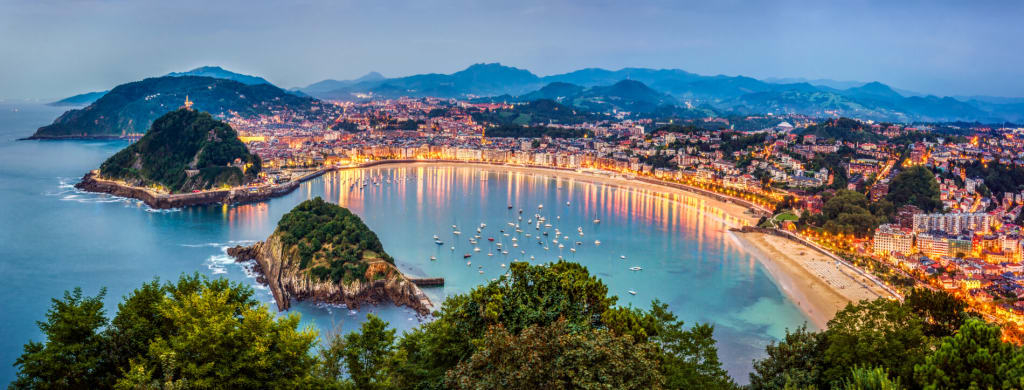
Mediterranean tourism is well known for its amazing cuisine, beautiful landscapes, and rich cultural legacy. This region’s fundamental traditions and contemporary trends are reflected in its vital roles for wine, Mediterranean culture, and ecotourism. In the center of popular travel destinations like San Sebastian and Tuscany, Urla is starting to stand out as a distinctive substitute. It is a compelling choice for tourists looking for authenticity and discovery in the Mediterranean because of its unique combination of extensive past, an expanding wine sector, and a dedication to sustainable tourism.In this series, we’ll look at how these popular travel destinations are similar, what makes each unique, and how Urla stands out as an innovative competitor. While San Sebastian is known for its film festival and Basque legacy, and Tuscany for its Renaissance art and architecture, Urla’s growing Anatolian influence and art scene provide a more personal cultural experience. Unlike the well-known wine regions of Tuscany and Txakoli wines from San Sebastian, Urla is testing the waters with native grape varietals and producing ancient wine-making customs. What attracts people to to this destination is its distinct fusion of historical significance and contemporary culture.
The Rising Star of Mediterranean Tourism
Travelers have always been attracted with Mediterranean tourism due to its fascinating history, varied cultures, breathtaking scenery, and delicious cuisine. Famous locations such as San Sebastian in Spain and Tuscany in Italy have always been popular because they provide the ideal balance of natural beauty and cultural variety. With their stunning coastlines, gently rolling hills, and lush terrain, these areas have lured a lot of people who appreciate good food and wine.
Mediterranean cultural tourism has its benchmarks in Tuscany, known for its Renaissance art and architecture, and San Sebastian, known for its Basque culture and fine dining. But on Turkey’s Aegean shore, a new competitor is rising: Urla. This area is becoming more and more well-known for its unique blend of ancient history, breathtaking landscapes, and a growing wine industry.
The potential to offer a more genuine and uncrowded Mediterranean experience sets Urla apart. Travelers looking for authentic cultural experiences are drawn to the area because of its emphasis on sustainable tourism and maintaining local customs. The outstanding wines being produced by Urla’s wineries are starting to attract international attention, with parallels to Tuscany’s vineyards frequently made.

As it expands its tourist infrastructure, this area is poised to grow in importance within the Mediterranean tourism industry. The area offers a unique combination of historical findings, gastronomic delights, and natural beauty, just like its more well-known competitors. With its unique blend of fresh and unexplored charm, Urla characterizes the Mediterranean tourism destination of the future.
For decades, the landscapes, economics, and social practices of the Mediterranean region have been formed by wine, which is an integral part of the region’s culture. Wine tourism provides unique experiences in historic vineyards in Tuscany and Spain, giving guests a taste of the local terroir and a gateway to the rich cultural legacy of the area. This wine cultural heritage is essential to Mediterranean culture, which draws people looking for an escape from the fast-paced modern world with its emphasis on community, calm living, and culinary traditions.
As sustainability and conservation gain more significance, ecotourism has become an increasingly common phenomenon in Mediterranean travel. Destinations that provide unspoiled environment and ethical opportunities for connecting with the natural world are drawing more and more tourists.
Urla is becoming known for its ability to combine these essential elements of Mediterranean appeal in a seamless way. With a strong wine industry, a cultural legacy that has been conserved, and a dedication to environmentally friendly travel, Urla is making a name for itself in the Mediterranean travel business.
The wineries of Urla are becoming more and more well-known throughout the world for their exceptional wines made from both domestic and foreign grape varietals. In addition to producing outstanding wines, these vineyards offer genuine experiences that help guests get a sense of place and culture. In contrast to other of the more commercialized wine regions in Europe, the emphasis on small-scale, boutique wine businesses gives a more intimate and personalized experience.
In the Mediterranean, this rising destination sets the way in ecotourism and sustainable travel approaches. Travelers who care about the environment are drawn to the area by its immaculate beaches, protected natural areas, and dedication to low-impact tourism. The community is committed to protecting its natural heritage, as evidenced by its initiatives supporting organic farming, renewable energy, and the preservation of regional ecosystems.

With more tourists looking for options that are genuine, sustainable, and less congested, Urla is in a great position to satisfy these needs. The area is not simply becoming a popular destination; it is completely changing the concept of what Mediterranean travel might be by providing a unique combination of fine wines, deep cultural immersion, and ethical ecotourism. With its blend of old world elegance and cutting edge innovation, Urla is well positioned to compete with and possibly even outperform the more well-known Mediterranean destinations in the years to come.
Historical and Cultural Significance
A major component of Mediterranean cultural tourism, Tuscany’s Renaissance heritage has a profound impact on the region’s charm and historical importance. The Renaissance was a time of remarkable artistic and cultural development that had a lasting impact on Western culture. It started in Tuscany, specifically in Florence. Innovative thinkers, artists, and architects like Michelangelo, Botticelli, and Leonardo da Vinci came to prominence during this time; their works of art continue to draw millions of tourists annually. Many of these pieces are housed in the Uffizi Gallery, which is a popular destination for art lovers all over the world.
Renaissance Tuscan architecture, particularly illustrated by Brunelleschi’s dome of the Florence Cathedral, changed cityscapes and had a significant impact on architectural trends that extended well beyond Italy’s boundaries. The area’s public squares, churches, and palaces serve as live museums, giving tourists an immediate access to this historic era. Beyond the arts, Tuscany’s Renaissance heritage can be found in literature, science, and political philosophy. Modern political and scientific discourse is shaped by individuals like Niccolò Machiavelli and Galileo Galilei.Because of its rich cultural past, Tuscany has become a model for historical tourism in the Mediterranean, establishing the bar high for what it takes to showcase and preserve a region’s cultural heritage.

Another important factor that distinguishes San Sebastian’s distinct place in the Mediterranean travel industry is its Basque heritage. This coastal city, called Donostia in Basque, is situated in northern Spain and is a colorful display of Basque culture. It offers guests an experience that is unique from other Mediterranean attractions. The Basque Country has preserved a strong sense of cultural identity throughout history thanks to its antiquated language and practices that predate the Roman Empire. One of the most important cities in the area, San Sebastian, has developed into a center for discovering this rich history.
Beyond cuisine, San Sebastian’s Basque heritage is celebrated through its festivals and cultural events, such as the San Sebastian International Film Festival and the lively Semana Grande (Big Week) festival. The Basque language, Euskara, one of the oldest in Europe, adds to the city’s unique atmosphere, while its architecture blends Belle Époque elegance with traditional Basque elements.

Urla, on the other hand, is starting to make similar use of its own distinct cultural past. Urla’s rich and varied cultural tapestry is a result of its location at the crossroads of numerous civilizations, even though it does not share San Sebastian’s Basque roots. To develop a unique tourism offering, the area is emphasizing its Ionian Greek heritage, Ottoman influences, and native Anatolian customs more and more. Additionally, Urla is highlighting its gastronomic heritage, with a focus on fresh fish, local wines, olive oil, and Aegean cuisine. Like San Sebastian has done with its Basque heritage, Urla is becoming known as a destination that provides tourists with an authentic and immersive cultural experience by showcasing its distinctive cultural assets.
Among the twelve Ionian cities of classical antiquity was the ancient city of Klazomenai, which is situated inside the present-day city of Urla. The area’s archeological attractions, which include the remarkably intact agoras, temples, and city walls, give tourists a direct link to its Greek history.
Urla saw Roman and Byzantine influences after the Greek era, each of which had an impact on the local way of life and architectural style. As evidenced by the mosques, hamams, and caravanserais that still survive today, Urla saw a new depth of cultural richness throughout the Ottoman era, which began in the 14th century. Urla’s rich architectural legacy offers visitors a visual tour throughout several historical eras, reflecting the city’s cosmopolitan past.

The coexistence of contemporary wineries with ancient wine presses and storage facilities demonstrate the persistence of this custom throughout millennia. Urla provides a voyage through several ages of Mediterranean civilization, in contrast to places that concentrate on a particular historical period, enabling a more nuanced view of the region’s past.
Urla carefully balances accessibility and preservation as it develops its tourism infrastructure. Through embracing and exhibiting its rich historical heritage — from prehistoric origins to Ottoman influence — Urla is setting itself apart as a Mediterranean destination for cultural tourism. Its capacity to present a thorough historical story encompassing several civilizations and eras makes it an appealing substitute for more well-known, historically focused travel locations.
About the Creator
Oguz Gun
Seamlessly blending leisure and business travel expertise. From secluded beaches to conference halls, I deliver exceptional experiences.
Keep reading
More stories from writers in Wander and other communities.
Loving you has only just begun
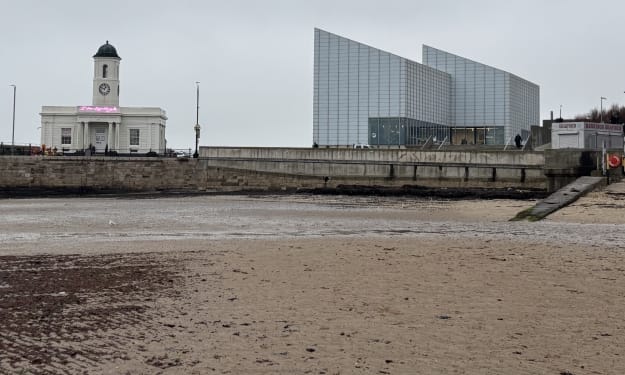
Expect to see more of this photographic exploration of the Kent coastal town of Margate and nearby areas from me. This is my new home-to-be. Part of the Cinque Ports confederation, which dates back to around 1050, Margate sits at the far north-eastern point of Kent. The term Cinque Ports was first used in the 12th century, at a time when the official language throughout England was Norman French. Over the centuries, this language became assimilated with the Saxon, Danish, Celtic and other languages, evolving into modern English.
By Raymond G. Taylor2 days ago in Wander
Chasing Fairy Tales: My Magical Journey Through the Bavarian Castles
How Visiting Bavaria’s Legendary Castles Turned My Trip Into a Dream of History, Beauty, and Pure Wonder** --- Some journeys feel like vacations. Others feel like stepping inside a fairy tale.
By Ahmed aldeabellaabout 11 hours ago in Wander
Thoughts on Vocal and the way the world is
"Death cannot stop true love, only delay it." – Wesley in The Princess Bride. I decided to come back to Vocal on a very cold and dark night at the end of December. I had been, and still am, convalescing from a horrible staph infection that had gone misdiagnosed for months. This, paired with the increasing challenges of being healthy, making the best choices for my co-parented child, being a wife, and being a director at a new job, was a lot to manage.
By Jazzy 5 days ago in Confessions


Comments