
10 things you shouldn't do in Japan
Here are some piece of advice for, foreigners who are going to study, travel or live in japan!
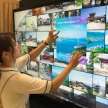

In country with unique culture like Japan, visitors sometimes feel daunted by rules and social norms that regulates public life and interpersonal connections. Foreigners(especially europeans) are not expected to be familiar with japanese people, etiquette and their behavior. Here are 10 things you shouldn't do while travelling in japan.
1. Chopstick etiquette.
-Japanese people would be impressed if you could use chopstick comfortably. But making the following faux pas will definitely raise eyebrows. Never stick your chopsticks vertically in your bowl of rice — this resembles a funeral ritual. If you need to put them down, always use the chopstick holder next to your plate. Avoid using your chopsticks to pass food to someone else's chopsticks, as this is another taboo. When sharing dishes, use your chopsticks to take the food and put it on your own plate before eating it. And don't rub your chopsticks together – it's rude.
2. Don't wear shoes indoor
-If you are visiting japanese home, you should remove your shoes immediately because, its considered dirty, rude thing to do. Also for this cause, they replaced home slippers in home entrance. Another important rule is to exchange your “indoor” slippers for the special “toilet” slippers when using the toilet. These are kept at the doorway of the toilet area (which is often separate from the bathroom) specially for this purpose. And don't forget to once again do the switch when leaving the toilet area.
3. Avoid eating on the road
-In japan, people dont eat and drink on road. Fast food sold in streets is eaten standing up and vending machines has recycling bin next to it. Similarly, eating or drinking on public transport is considered bad manners, but an exception is made for this on long-distance trains.
4. Dont blow your nose in public
-Blowing your nose in public in Japan is considered to be uncouth. Find a bathroom or another private place if you have to attend to a running nose. It's common to see people wearing face masks in public, especially in the winter. This means they have a cold and want to avoid spreading germs and infecting others.
5. Dont leave a tip
-Unlike in the European countries, where tipping is mandatory, Japan does not have a tipping culture, and leaving a tip may even be taken as an insult. Service is included in the bill at restaurants, and even taxi drivers will refuse to have a fare rounded off. Leave a few coins on the table and the waiter will surely run after you to return your forgotten change.
6. Avoid loud phone conversations while on public transit
-The Japanese tend to use their mobile phones discreetly and will keep telephone discussions brief and as quiet as possible when in public. When traveling on public transit, many people are busy using their phones to text, listen to music, watch videos, or read, but telephone calls are very rare. If you have to use your phone in a public area, move to a quiet place with few people around.
7. Dont point at others
-Don’t point at people or things because this is considered rude. When point at something, you should use a hand to gently wave at what you would like to indicate. In addition, when referring to yourself, you should use your forefinger to touch your nose. This also considered one of the Japanese etiquette.
8. Dont forget to say "hello"
-In well-mannered country like japan, expressing gratitude and greeting is essential. Be familiar with ‘Bowing’ in a right way especially when meeting with elders. This is to show your respect. Bow as many time as you want and then say thank you.
9. Use both hands
-Both hands are used when recieving or giving to others. This shows polite manner.
10. Dont break queue
-In Japan, people don’t form a line to go to the restroom. It’s their culture to use a restroom randomly without forming any line. Yeah, it’s really a different culture than the western people. When you are in a desperate condition, this system can be frustrating to you. But, you just don’t have a choice except, relying on your luck.
Thanks for reading, next article is: What it means to be university student in Japan?
About the Creator
Zenko Magatsu
Student of Tokyo University, Gamer, Video editor
I'll write about japan and culture related posts.
Keep reading
More stories from Zenko Magatsu and writers in Wander and other communities.




Comments
There are no comments for this story
Be the first to respond and start the conversation.