
Why is female bodybuilding so common in some countries?
Why is it so common in some countries and almost non-existent in others?

Female bodybuilding has seen a significant rise in popularity in certain countries like the United States, Russia, India, and Germany. This trend is not as prevalent in other parts of the world. Understanding the reasons behind this disparity involves examining cultural, social, economic, and historical factors.
Cultural Acceptance and Media Influence
In countries like the United States and Germany, there is a broader cultural acceptance of women participating in various forms of physical fitness, including bodybuilding. The media plays a crucial role in shaping public perception. In the United States, for example, fitness magazines, social media influencers, and television shows often highlight female bodybuilders, portraying them as strong, empowered, and inspirational figures. This visibility encourages more women to take up the sport.
Historical Context and Pioneers
The history of female bodybuilding in these countries also contributes to its current popularity. The United States, for instance, has a long history of female bodybuilding, dating back to the 1970s with pioneers like Rachel McLish and Cory Everson. These women broke barriers and set the stage for future generations. Similarly, in Russia, the strong tradition of weightlifting and strength sports has paved the way for female bodybuilders to gain recognition and respect.
Economic Factors and Accessibility
Economic factors also play a significant role. In wealthier countries, there is greater access to gyms, training facilities, and nutritional supplements, which are essential for bodybuilding. The fitness industry in the US and Germany is well-developed, providing ample opportunities for women to engage in bodybuilding. In contrast, in less affluent countries, the lack of resources and facilities can be a significant barrier.
Social Support and Community
The presence of a supportive community is another critical factor. In countries where female bodybuilding is common, there are often well-established networks of trainers, coaches, and fellow athletes who provide encouragement and guidance. This sense of community can be incredibly motivating for women who are new to the sport. In India, for example, the rise of fitness clubs and bodybuilding competitions has created a supportive environment for female bodybuilders.
Government and Institutional Support
Government and institutional support can also influence the popularity of female bodybuilding. In Russia, for instance, the government has historically promoted physical fitness and sports, including bodybuilding, as part of its national health initiatives. This support can make it easier for women to pursue bodybuilding as a serious sport.
Societal Attitudes and Gender Norms
Societal attitudes towards gender roles and norms significantly impact the acceptance of female bodybuilding. In countries where traditional gender roles are more rigid, women may face greater resistance when participating in bodybuilding. In contrast, in more progressive societies, there is often greater acceptance of women engaging in activities traditionally dominated by men.
Influence of Globalization
Globalization has also played a role in spreading the popularity of female bodybuilding. The exchange of cultural ideas and practices through social media and international competitions has exposed more people to the sport. This exposure can inspire women in different countries to take up bodybuilding, even in places where it was previously uncommon.
Case Studies: United States, Russia, India, and Germany
United States: The US has a well-established fitness culture, with numerous gyms, fitness centers, and bodybuilding competitions. The media often celebrates female bodybuilders, and there is a strong community of support. Pioneers like Rachel McLish and Cory Everson have paved the way for future generations.
Russia: Russia has a strong tradition of strength sports, and the government has historically promoted physical fitness. Female bodybuilders in Russia benefit from a supportive community and institutional backing.
India: In India, the rise of fitness clubs and bodybuilding competitions has created a supportive environment for female bodybuilders. The increasing visibility of female athletes in the media has also contributed to the sport’s popularity.
Germany: Germany has a well-developed fitness industry, with ample resources and facilities for bodybuilding. The cultural acceptance of women in sports and the presence of a supportive community have made female bodybuilding more common.
Challenges and Barriers
Despite the growing popularity of female bodybuilding in some countries, there are still significant challenges and barriers. These can include societal stigma, lack of resources, and limited access to training facilities. In many countries, traditional gender roles and norms can discourage women from participating in bodybuilding.
Conclusion
The popularity of female bodybuilding in certain countries can be attributed to a combination of cultural acceptance, historical context, economic factors, social support, government backing, and the influence of globalization. While the sport continues to grow, addressing the challenges and barriers that women face in other parts of the world will be crucial for its global expansion.
W hat do you think? Share your opinion in the comments and don't forget to like the article and subscribe for more.
About the Creator
M. R.
Just a random guy with a lot of interests, including writing and experimenting with AI.
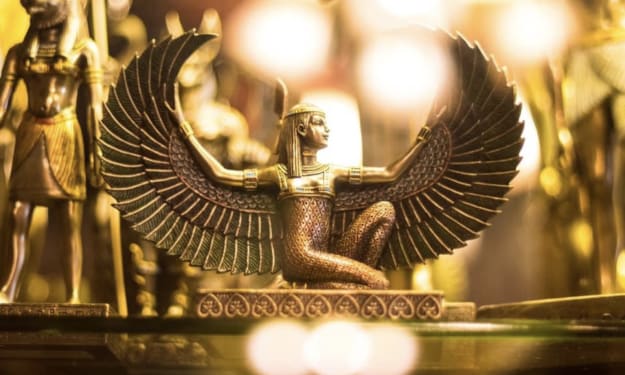
The goddess of ten thousand names.
I wanted to write about the goddess Isis for some time now, but felt like my understanding of her is too limited, and my perspective won’t do this powerful archetype a justice. Mainly because, just like the title of this essay suggests, she was the embodiment of countless archetypes, and I haven’t studied them enough.
By Eva Smitteabout 14 hours ago in Viva


Comments
There are no comments for this story
Be the first to respond and start the conversation.