
What Is Prolactin and Why Is It Important for Pregnancy?
What Is Prolactin? Understanding Its Crucial Role in Pregnancy and Reproductive Health

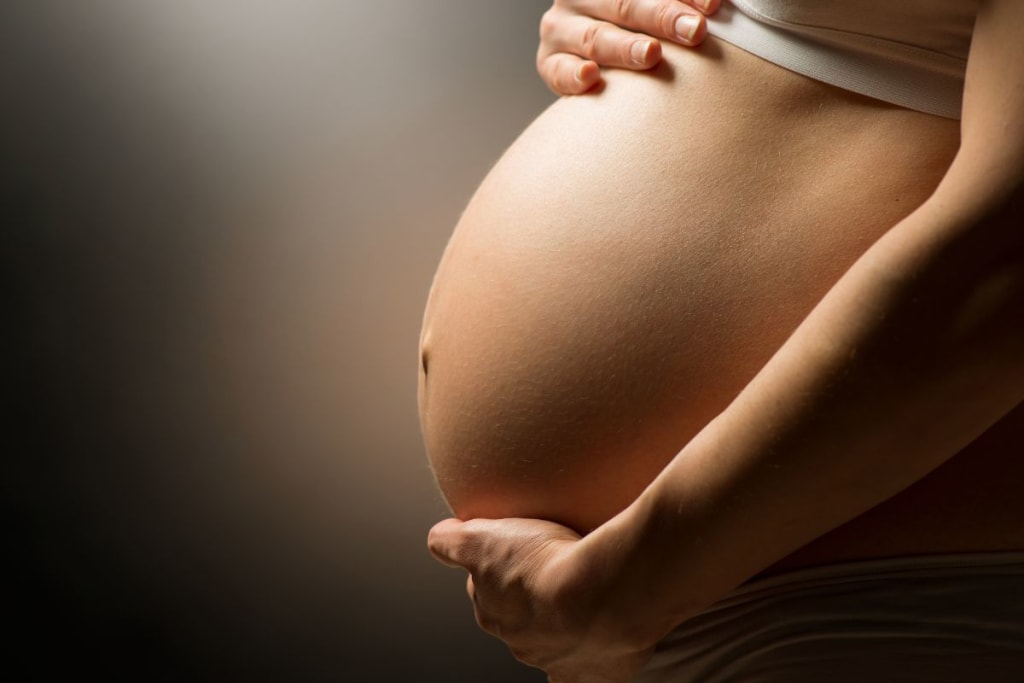
Hormones play a crucial role in regulating the human body, especially during pregnancy and reproduction. One such hormone that has a major impact on fertility, pregnancy, and breastfeeding is Prolactin. Although it is most commonly associated with milk production after childbirth, prolactin actually performs several important biological functions that support reproductive health and pregnancy.
This article explains what prolactin is, how it works in the body, and why it is essential for pregnancy and maternal health.
What Is Prolactin?
Prolactin is a hormone produced mainly by the pituitary gland, a small endocrine gland located at the base of the brain. This hormone is responsible for a variety of physiological processes, but its most well-known role is supporting lactation (breast milk production) after childbirth.
In women, prolactin levels remain relatively low during most of life but increase significantly during pregnancy and breastfeeding. This rise helps prepare the body for nurturing a newborn.
Prolactin also interacts with several other hormones involved in reproduction, including estrogen, progesterone, and oxytocin. Because of this interaction, prolactin plays an important role in fertility, maternal behavior, and overall reproductive health.
How Prolactin Levels Change During Pregnancy
During pregnancy, the body undergoes major hormonal changes to support the developing fetus. One of the key changes is a sharp increase in prolactin levels.
Research shows that prolactin levels can increase 10–20 times higher than normal by the end of pregnancy.
This increase occurs gradually throughout the pregnancy and helps prepare the mother’s body for breastfeeding after delivery. However, despite high prolactin levels during pregnancy, milk production usually does not begin immediately because hormones like progesterone block its full effect until after birth.
Once the baby is born and progesterone levels drop, prolactin becomes fully active and starts stimulating milk production in the breasts.
Key Functions of Prolactin in Pregnancy
Prolactin performs several important roles before, during, and after pregnancy.
1. Preparing the Breasts for Milk Production
The most important function of prolactin is preparing the breasts for breastfeeding. During pregnancy, prolactin stimulates the development of mammary glands and specialized milk-producing structures known as alveoli.
These structures produce essential milk components such as proteins, fats, and lactose, which provide nutrition to the newborn. After birth, prolactin continues to stimulate milk production while another hormone, oxytocin, helps release the milk from the breast.
2. Supporting Lactation After Childbirth
After delivery, prolactin remains elevated and enables the production of breast milk. When the baby suckles, nerve signals stimulate the brain to release even more prolactin, which maintains milk production.
This natural feedback mechanism ensures that milk production continues as long as breastfeeding occurs.
3. Influencing Maternal Behavior and Bonding
Prolactin also affects the brain and plays a role in maternal behavior. Studies suggest that this hormone contributes to emotional bonding between the mother and baby and encourages nurturing behavior after birth.
These behavioral changes help mothers care for their newborns and support early child development.
4. Regulating Metabolism During Pregnancy
During pregnancy, the body must provide nutrients for both the mother and the developing fetus. Prolactin helps regulate metabolism by increasing appetite, promoting fat storage, and supporting the transfer of glucose to the fetus.
These metabolic changes ensure that the growing baby receives adequate energy and nutrients.
5. Supporting the Immune System
Another lesser-known function of prolactin is its involvement in immune system regulation. It can influence immune cell activity and support immune responses in the body.
This immune support is particularly important during pregnancy when the mother’s body must protect both herself and the developing baby.
Prolactin and Fertility
Prolactin also affects fertility and the menstrual cycle. In normal conditions, prolactin levels are relatively low in women who are not pregnant or breastfeeding. However, abnormally high prolactin levels can disrupt reproductive hormones and prevent ovulation.
High prolactin levels may lead to:
- Irregular menstrual cycles
- Difficulty ovulating
- Infertility
- Unusual breast milk discharge in non-pregnant women
This condition is known as hyperprolactinemia and is often caused by hormonal imbalance or pituitary gland disorders.
Because of this connection with fertility, doctors often test prolactin levels when evaluating infertility in women.
Normal Prolactin Levels
Prolactin levels vary depending on a person’s condition.
Typical ranges include:
- Women (not pregnant): 2–30 ng/mL
- Men: 2–18 ng/mL
- Pregnant women (third trimester): 10–210 ng/mL
These values can change slightly depending on laboratory standards.
When Prolactin Levels Become a Problem
Both very high and very low prolactin levels can create reproductive problems.
High prolactin levels may cause:
- Irregular periods
- Infertility
- Reduced libido
- Hormonal imbalance
Low prolactin levels, though less common, may lead to problems with milk production after childbirth.
Medical treatment may be necessary if prolactin levels are abnormal, particularly when they interfere with fertility or breastfeeding.
Conclusion
Prolactin is a vital hormone that plays an essential role in pregnancy, fertility, and breastfeeding. Produced by the pituitary gland, it helps prepare the breasts for milk production, supports lactation after birth, influences maternal behavior, and contributes to metabolic and immune changes during pregnancy.
The dramatic increase in prolactin levels during pregnancy ensures that the mother’s body is ready to nourish and care for the newborn. At the same time, maintaining balanced prolactin levels is important for fertility and hormonal health.
Understanding how prolactin works can help individuals better recognize the hormonal factors that influence pregnancy and reproductive health.
About the Creator
Stories Today
Stories Today is a place where real people share real stories, and that’s it. We believe every person has an incredible story to tell.
Visit us:https://storiestoday.co.uk/
Keep reading
More stories from Stories Today and writers in Viva and other communities.
Fitness and Healthy Lifestyle Habits for Women: A Practical, Updated Guide
Women’s health and fitness needs are unique and constantly evolving. From hormonal fluctuations and metabolic differences to life stages like pregnancy, postpartum recovery, and menopause, a woman’s body goes through dynamic changes. In 2026, the focus has shifted from extreme dieting and overtraining to sustainable habits, strength-building, hormonal balance, and mental well-being. Here’s an informative and up-to-date guide to building a healthy lifestyle that truly supports women’s long-term health.
By Stories Today8 days ago in Viva
It Finally Happened, Now What's Next for Evil Zaria (and Sol Ruca)?
Well, folks, the journey was a long one, but we finally got there. The tandem of Zaria and Sol Ruca, known as ZaRuca, finally split up in vicious fashion after many months of teased tension. The tandem started pairing up early last year, and they were so popular that many thought that they would be tag champs together, but that wouldn't happen. What did happen was Sol getting gold, and quite a bit of it, as she actually co-held the NXT Women's North American Championship and the Women's Speed Championship as well. Injuries forced Sol to surrender the latter, but the former was lost to Blake Monroe, who defeated Zaria (in Sol's place).
By Clyde E. Dawkins7 days ago in Viva




Comments
There are no comments for this story
Be the first to respond and start the conversation.