


Tokyo street fashion is known for being incredibly diverse, creative, and experimental. Fashion in Tokyo doesn't adhere to one specific trend or aesthetic, but rather celebrates individuality and a mix of influences from different subcultures. Here's a breakdown of the styles you can expect to see, and where you might find photos of them:
1. Harajuku Style
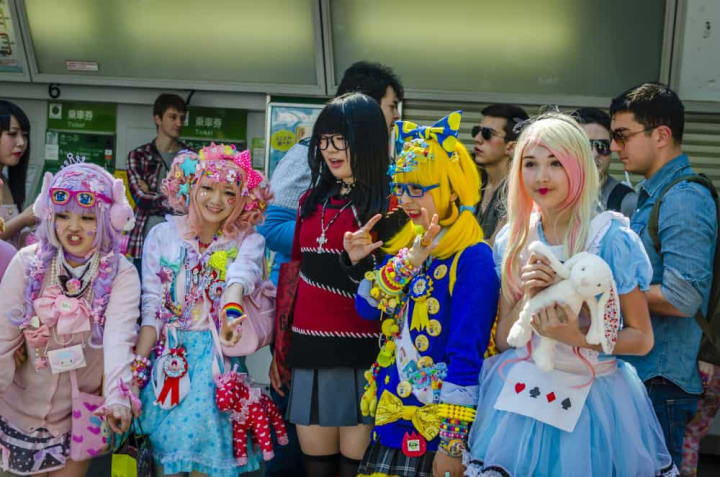
Harajuku is the epicenter of Tokyo's street fashion scene, and it’s where you’ll see some of the most creative, avant-garde looks. Harajuku street fashion is playful, eccentric, and heavily influenced by youth culture, anime, and cosplay.
Key Features: Bright colors, oversized clothing, playful accessories (like stuffed animal bags), platform shoes, and DIY elements.
Popular Substyles:
Gyaru: Bold, glamorous looks with heavily styled hair, dramatic makeup, and often, an emphasis on accessories like large sunglasses and statement jewelry.
Kawaii: Sweet, cutesy looks, often with pastel colors, frills, and items like Hello Kitty bags or skirts.
Lolita: Inspired by Victorian fashion, this style involves frilly dresses, lace, ribbons, and often, knee-high socks.
Visual Kei: Influenced by Japanese rock bands, this style combines gothic, punk, and glam elements—think dark makeup, dramatic hairstyles, and layered, often androgynous outfits.
2. Shibuya Style
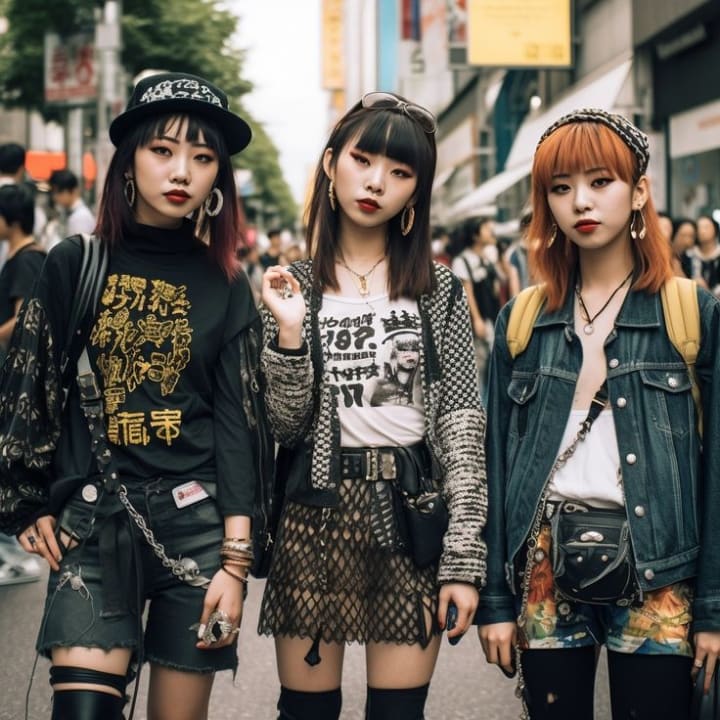
Shibuya is another hotspot for trendy fashion in Tokyo, and the style there is typically a mix of high fashion, streetwear, and a bit of sport influence. Shibuya’s fashion scene is younger, more laid-back, and tends to be more minimalist or trendy compared to Harajuku's avant-garde looks.
Key Features: High-end streetwear, oversized coats, skinny jeans, hoodies, sneakers, and baseball caps.
Streetwear Influence: Brands like Supreme, Off-White, and A Bathing Ape (BAPE) are big in Shibuya, and you’ll see a lot of people rocking these items in a casual, effortlessly cool way.
Casual Cool: Think denim jackets, cargo pants, simple t-shirts with bold logos, and chunky sneakers. There’s a mix of comfort and style, often with a layered look.
Pop Culture References: Graphic tees with anime characters or pop culture icons are common.
3. Minimalist Chic (Aoyama and Omotesando)

For a more refined and understated style, areas like Aoyama and Omotesando showcase the minimalist chic look. This style is sleek, sophisticated, and often features monochromatic outfits or subtle tones, with an emphasis on clean lines and high-quality materials.
Key Features: Tailored trousers, oversized blazers, neutral tones (black, white, beige, grey), high-end accessories like leather bags or designer shoes.
Fashion-forward with Simplicity: Think of stylish, high-fashion looks but pared down—simple but luxurious.
Influence of Scandinavian Fashion: Many Aoyama residents have adopted Scandinavian-inspired minimalist looks, focusing on well-constructed basics and simple but sophisticated silhouettes.
4. Techwear

As technology continues to play a bigger role in daily life, techwear has become a major fashion subculture in Tokyo. Techwear is known for its futuristic, functional aesthetic, combining fashion with utility.
Key Features: Functional outerwear like waterproof jackets, cargo pants with a lot of pockets, tactical boots, and accessories like utility belts, backpacks, and gloves.
Materials: Technical fabrics like Gore-Tex, nylon, and other weather-resistant materials that emphasize performance and practicality.
Color Scheme: Often dark and muted tones, with blacks, greys, and camouflage prints dominating the look.
Brands: ACRONYM, Y-3, and Stone Island are popular in the techwear scene.
5. Punk and Skater Styles

Tokyo’s punk scene is strong, with skater-inspired fashion also making its mark. The influences of punk culture, grunge, and skateboarding can be seen in the fashion choices of young people in areas like Shibuya and Koenji.
Key Features: Band t-shirts, ripped jeans, plaid shirts, leather jackets, combat boots, and a lot of DIY elements.
Color Scheme: Black, red, and dark, grungy tones.
Accessories: Spiked jewelry, chains, and bold hairstyles—often in bright, unnatural colors or styled into mohawks and asymmetrical cuts.
6. Vintage and Retro
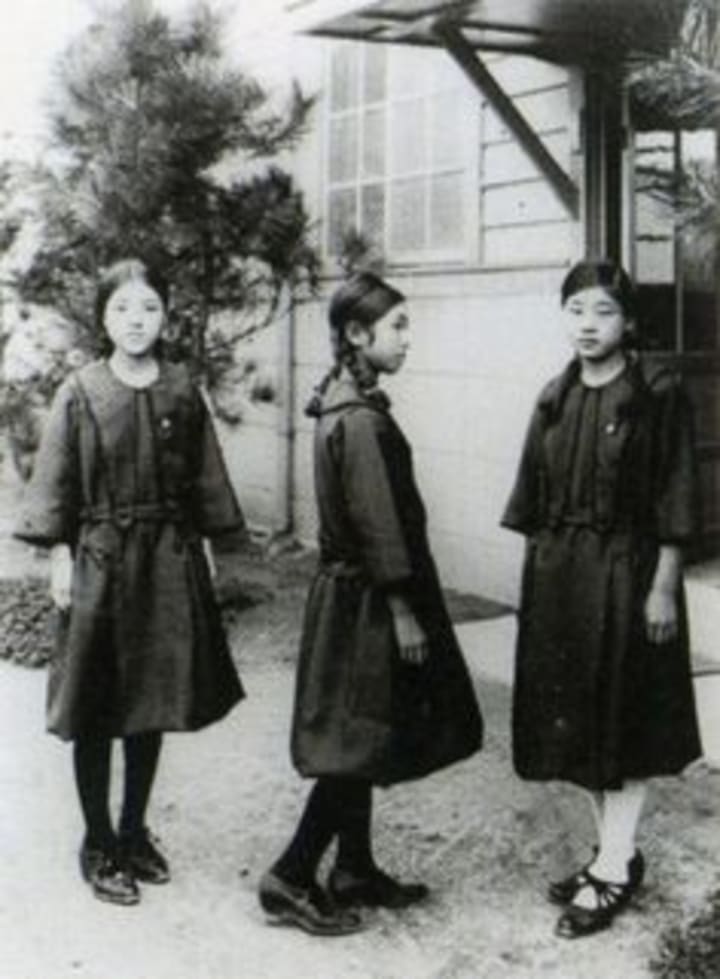
Tokyo has a thriving vintage scene, especially in neighborhoods like Shimokitazawa, where you can find stores filled with 80s, 90s, and even early 2000s clothing. The trend for retro fashion combines old-school styles with modern flair.
Key Features: Oversized denim jackets, corduroy pants, retro sneakers (like Nike Air Jordans), old-school band tees, and accessories like bucket hats and aviator sunglasses.
Mixing Eras: People often mix vintage items with more modern pieces to create a look that feels nostalgic but fresh.
7. Gyaru (Gal) Culture

The Gyaru subculture, which originated in Japan in the 1990s, remains influential in Tokyo street fashion today. It’s a bold, rebellious fashion style that rejects traditional norms of femininity, instead embracing extravagant, often exaggerated looks that celebrate youth, confidence, and independence.
Key Features: Dramatic makeup (heavy foundation, dark eyeliner, false lashes), bleached or brightly colored hair (often platinum blonde or shades of brown), and a glam, sometimes over-the-top approach to dressing. Gyaru girls are often seen wearing tight, figure-hugging outfits that accentuate their bodies, alongside platform heels, and statement accessories.
Key Items: Mini skirts, knee-high socks, high heels, faux fur, and a mix of high fashion with streetwear elements.
The "Ganguro" Substyle: This is a more extreme version of Gyaru, where the fashion incorporates heavily tanned skin, bleached hair, and outlandish clothing choices. Ganguro girls also favor colorful accessories like large earrings and bold patterns.
The Gyaru look is about creating a unique, eye-catching style and embracing the concept of fun, freedom, and excess. It rejects Japan's traditional beauty standards in favor of a more "Western" ideal of beauty, which has made it both a statement and an act of resistance.
8. Streetwear and High Fashion Hybrids
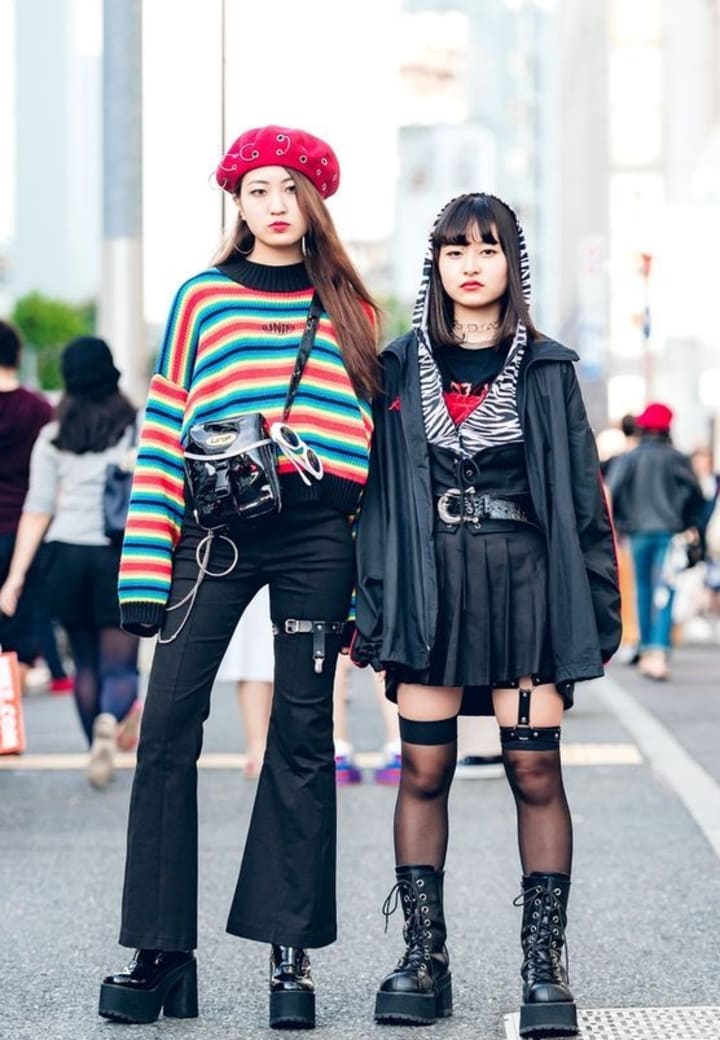
In recent years, Tokyo street fashion has seen the blending of high-end streetwear with high fashion. This fusion has led to a rise in collaborations between luxury brands and streetwear labels, which has been embraced by Tokyo's fashion-conscious youth.
Key Features: Designer collaborations with brands like Louis Vuitton and Supreme, or Nike and Off-White. People in Tokyo can often be spotted wearing a mix of high-end designer items like a Balenciaga bag paired with sneakers from Converse or Nike.
The "Balenciaga Effect": Streetwear brands and luxury fashion houses have increasingly become intertwined. The Balenciaga Triple S sneakers, for example, have become a must-have item, even for those who mix street style with more polished, luxury looks. In Tokyo, you'll see many young people embracing this blend of high-end fashion and laid-back streetwear, creating an effortlessly cool, modern vibe.
Focus on Accessories: Accessories are a key part of this fusion, with items like limited-edition hats, bags, or chunky sneakers becoming coveted status symbols. Think of pieces like Gucci belts or Supreme t-shirts, which are often worn in unexpected and eclectic combinations.
This trend highlights Tokyo's capacity for mixing cultures—where the elegance of luxury meets the carefree attitude of street fashion, creating a visually exciting aesthetic that has become global.
9. Shinjuku and Ikebukuro Fashion

Moving beyond the well-known districts like Harajuku and Shibuya, Shinjuku and Ikebukuro are also home to unique street fashion subcultures. While these areas have a more mature vibe compared to the youthful energy of Harajuku, they still feature striking street fashion trends that are distinct.
Shinjuku Style: Shinjuku is a blend of corporate chic and eclectic street fashion, especially in the Kabukicho area, where the night-life culture meets bold, dramatic street looks. You’ll find people sporting avant-garde fashion, a mix of leather jackets, oversized coats, and edgy accessories. There’s also a strong influence of Gothic fashion, where black, silver, and heavy boots dominate the look.
Ikebukuro: This district leans towards fashion-forward, youthful street style mixed with elements of kawaii and anime culture. As Ikebukuro is known as a hotspot for anime and manga, fashion here often incorporates cosplay elements—such as wearing casual outfits inspired by popular anime characters or attending cosplay events. Expect to see more character-themed clothing like t-shirts, hats, and bags showcasing anime favorites.
10. Wabi-Sabi Influence on Fashion
Wabi-sabi, the Japanese aesthetic that appreciates beauty in imperfection and transience, has slowly made its way into the fashion scene. It emphasizes the value of simplicity, asymmetry, and weathered or worn items, offering a contrast to the heavily stylized, polished looks seen in other subcultures.
Key Features: Loose, flowing silhouettes, natural fabrics, neutral colors (earthy tones, greys, muted blues), and vintage or thrifted clothing that displays signs of wear.
Subtle, Quiet Fashion: Wabi-sabi fashion is characterized by a less-is-more mentality. The focus is on comfort, texture, and the beauty of imperfection. This style has been embraced by the fashion-conscious who seek an antidote to the consumer-driven, fast-paced nature of modern fashion.
Key Designers: Designers like Issey Miyake and Rei Kawakubo (Comme des Garçons) have explored wabi-sabi influences in their collections, incorporating unconventional materials and asymmetrical shapes.
The wabi-sabi aesthetic is reflective of a more philosophical approach to fashion, where the wearer’s connection to the clothing and the passage of time become a part of the outfit itself. It's about embracing the natural rhythms of life, rather than pursuing constant newness.
Eco-conscious Street Style: While Tokyo’s fashion scene is known for being fast-paced, there’s a growing interest in sustainability, particularly among young people. Eco-conscious fashionistas are opting for secondhand clothing, repurposing garments, and buying from brands that promote sustainability. Vintage shops, such as those in Shimokitazawa, are a huge part of this movement, where shoppers can find unique, high-quality pieces that come with a sense of history.
More Places to Spot Street Fashion in Tokyo
While districts like Harajuku, Shibuya, and Aoyama are the most well-known fashion districts, other areas also showcase distinct styles that reflect different pockets of Tokyo’s diverse fashion landscape.
Daikanyama: This area is known for its relaxed, minimalist vibe, with upscale boutiques, cafes, and lifestyle stores. The fashion here is typically low-key but with a focus on quality and craftsmanship.
Kichijoji: A more suburban area that offers a mix of bohemian, vintage, and indie fashion. It’s a great place to find unique second-hand stores and eclectic looks.
Koenji: Known for its punk scene, Koenji is the place to find alternative, underground street styles, including vintage band t-shirts, leather jackets, and wild hairstyles.
Where to Find Tokyo Street Fashion Photos
If you're looking to see these street fashion styles in action, there are several platforms where you can find high-quality photos of Tokyo’s street style:
Instagram: Search for hashtags like #TokyoStreetFashion, #HarajukuStyle, or #ShibuyaFashion to see a wide range of outfits from everyday Tokyoites. Influencers and fashion photographers regularly post street snaps from all over Tokyo.
Tokyo Fashion Blog: This website showcases the latest trends and street style from all over Tokyo, with detailed shots and descriptions. It's a great resource for those who want to stay up-to-date with Tokyo street style.
Flickr: The photo-sharing site hosts numerous street fashion groups, including those focused on Tokyo street style. You can search for “Tokyo street fashion” and find hundreds of user-submitted photos from various districts.
Pinterest: Another great place for curating collections of Tokyo street fashion photos. You can find pins from various fashion blogs, magazine shoots, and even Tokyo fashion weeks.
Street Style Websites: Websites like The Sartorialist, Street Peeper, and Tokyo Street Style often feature street snaps from cities around the world, including Tokyo. They offer a curated selection of street style photos that capture the diversity and vibrancy of Tokyo fashion.
Finding Tokyo Street Fashion Photos and Inspiration
For fashion enthusiasts looking to capture or explore Tokyo's street fashion scene visually, here are a few resources:
Street Style Blogs and Websites: As mentioned before, websites like TokyoFashion.com and The Sartorialist are excellent resources for seeing high-quality street fashion photography from Tokyo.
Instagram Hashtags: Besides #TokyoStreetFashion, try searching hashtags like #HarajukuStyle, #TokyoFashion, #TokyoStyle, or #ShibuyaFashion. Many influencers, photographers, and fashion enthusiasts post daily street fashion shots on Instagram.
Fashion Magazines: Magazines like Vogue Japan, FRUiTS (the legendary Japanese street fashion magazine), and I Love Tokyo are excellent sources for curated looks and street style editorials.
YouTube Channels: Many street style photographers and fashion bloggers document their Tokyo travels or fashion events on YouTube. Channels that specialize in fashion vlogs often feature street fashion in Tokyo’s most iconic districts.
Tokyo street fashion is constantly evolving, blending past and present trends, subcultures, and personal styles. The beauty of Tokyo’s fashion scene is its diversity—no matter who you are or where you come from, there’s always a space to express your identity. Whether it’s through quirky accessories, sustainable fashion, or high-end streetwear, Tokyo's streets are a living canvas for fashion experimentation and creativity.
About the Creator
Keep reading
More stories from kanchan chauhan and writers in Viva and other communities.
For New Year's Eve, a 1920s Dress From a 2024s Top
A 1920s-inspired dress for New Year's Eve, but with a modern, 2024 twist? That sounds like an exciting challenge! You can blend the opulent, flapper-style elegance of the Roaring Twenties with contemporary fashion elements to create a look that's both nostalgic and fresh. Here's how you can achieve that balance:
By kanchan chauhanabout a year ago in Viva
What Is Prolactin and Why Is It Important for Pregnancy?
Hormones play a crucial role in regulating the human body, especially during pregnancy and reproduction. One such hormone that has a major impact on fertility, pregnancy, and breastfeeding is Prolactin. Although it is most commonly associated with milk production after childbirth, prolactin actually performs several important biological functions that support reproductive health and pregnancy.
By Stories Today3 days ago in Viva



Comments
There are no comments for this story
Be the first to respond and start the conversation.