
The Unseen Viva
Sana had always been the kind of student who hid at the back of the classroom, scribbling notes furiously, afraid to raise her hand

M Mehran
Sana had always been the kind of student who hid at the back of the classroom, scribbling notes furiously, afraid to raise her hand. She excelled in written exams but dreaded speaking. Words, when written, obeyed her. Words, when spoken, betrayed her.
So when the announcement came that her degree would end with a viva voce, she felt her stomach drop. An oral examination—standing alone before a panel, answering questions in real time—was her greatest nightmare.
---
The Night Before
The night before her viva, Sana barely slept. She stared at her thesis spread across the desk, highlighted and dog-eared. She whispered definitions under her breath, rehearsed explanations in the mirror, but every time she imagined facing the professors, her voice cracked.
At 3 a.m., she closed her notes and whispered, “If I fail, at least I’ll know I tried.” But deep down, she wondered if trying would ever be enough.
---
Walking In
The next morning, the corridor outside the examination room buzzed with nervous energy. Her classmates paced, flipping through last-minute notes. Sana sat silently, her palms damp, her heart hammering.
When her name was called, she felt the world tilt. She stood, legs trembling, and walked into the room.
Three professors sat behind a long table, her thesis placed in the center like evidence in a trial.
“Good morning, Miss Sana,” one said, adjusting his glasses. “Shall we begin?”
---
The First Question
The first question was simple enough: “What motivated you to pursue this research?”
Sana’s lips trembled as she spoke. “I wanted to understand how small changes in community education programs could… could transform literacy rates.” Her voice wavered, but the words came.
The professors nodded. Encouraged, she exhaled slowly, gripping the edge of the chair.
Then came the harder ones.
---
Cracks in the Armor
“Can you explain why you chose this methodology?”
She stumbled, trying to recall her notes. Her throat tightened. The silence in the room grew heavier.
Another professor leaned forward. “What limitations do you see in your findings?”
Her mind went blank. For a horrifying moment, she thought she might faint. She wanted to disappear into the floor, to run from the room and never return.
But then, she remembered something her grandmother used to tell her: “When you can’t find courage, borrow your honesty.”
So she took a breath and said, “The biggest limitation was me. I was nervous about whether my methods were strong enough. But I learned from those mistakes and corrected them as I went.”
The panel didn’t frown. In fact, one professor smiled.
---
The Turning Point
As the questions continued, something shifted. The more Sana spoke honestly, the steadier her voice became. She stopped trying to be perfect and started explaining like she would to a friend.
When they asked about the future scope of her work, she lit up. She spoke passionately about how her findings could help design better literacy programs for rural schools. She forgot her fear. She forgot herself. She spoke only about the work she loved.
By the end, her voice was no longer trembling—it was alive.
---
The Verdict
“Thank you, Miss Sana,” the chair said at last. “Please wait outside while we discuss.”
The corridor was suffocating. Every second stretched like an hour. She clasped her hands tightly, whispering prayers.
Finally, the door opened.
One professor stepped out, smiling warmly. “Congratulations. You’ve passed.”
Sana blinked, stunned. Her chest filled with a rush of relief so powerful that tears sprang to her eyes. For the first time, she realized she hadn’t just passed an exam—she had passed a barrier inside herself.
---
Beyond the Viva
That day, Sana learned the viva was not simply a test of knowledge. It was a test of presence, of courage, of owning your voice even when it shakes.
And she realized something else, too: life itself is full of vivas. Job interviews. First dates. Difficult conversations. Every moment we’re called to speak our truth is its own oral examination.
The questions may change, but the challenge is the same—to stand tall, to be honest, and to let our voice carry who we really are.
---
Final Thought
The viva is more than an academic ritual. It is a rite of passage that strips away rehearsed answers and demands authenticity.
Sana walked in terrified, but she walked out transformed—not because she knew everything, but because she finally believed in herself.
And maybe that’s the real lesson of every viva: the answers matter, but the voice matters more.
About the Creator
Keep reading
More stories from Muhammad Mehran and writers in Viva and other communities.
The Viva That Changed Everything
M Mehran he exam hall smelled of polished wood, nervous sweat, and the faint trace of chalk dust. For weeks, Ayesha Khan had buried herself in textbooks, notes, and past papers, yet now, sitting in the stiff wooden chair, she felt the familiar grip of panic squeezing her chest. Today was the day of her final viva, the oral exam that could determine whether she graduated at the top of her class or stumbled into mediocrity.
By Muhammad Mehran6 months ago in Viva
Popular Spa Therapies to Try
Spa treatments and wellness therapies offer endless picks. The sheer number can overwhelm anyone new to them. Picture menus packed with massages, facials, body wraps, saunas, and hydrotherapy pools. Each promises relaxation or health gains.
By Aurora Gianna5 days ago in Viva
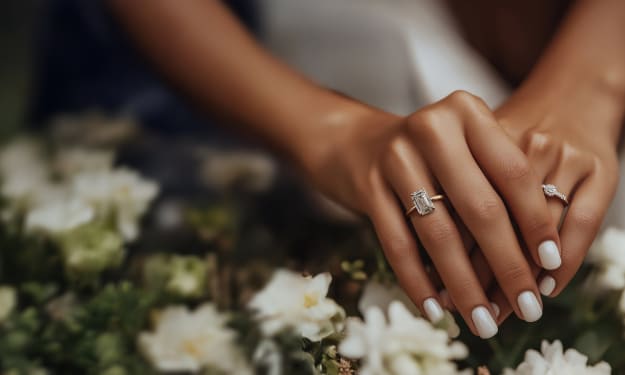
Why the Emerald Cut Engagement Ring is the Only Choice for the Truly Sophisticated
There is a specific kind of confidence required to wear an emerald cut engagement ring. Unlike the round brilliant cut, which uses a hundred tiny facets to hide imperfections and shout for attention, the emerald cut is unapologetically honest. It is a "step-cut" diamond, featuring long, linear facets that create a "hall of mirrors" effect. It doesn't sparkle in the traditional sense; it glows.
By Mohd Kaish4 days ago in Viva


Comments
There are no comments for this story
Be the first to respond and start the conversation.