
PCOS And Irregular Menstruation: How To Regulate Periods Naturally?
Regulate Periods Naturally

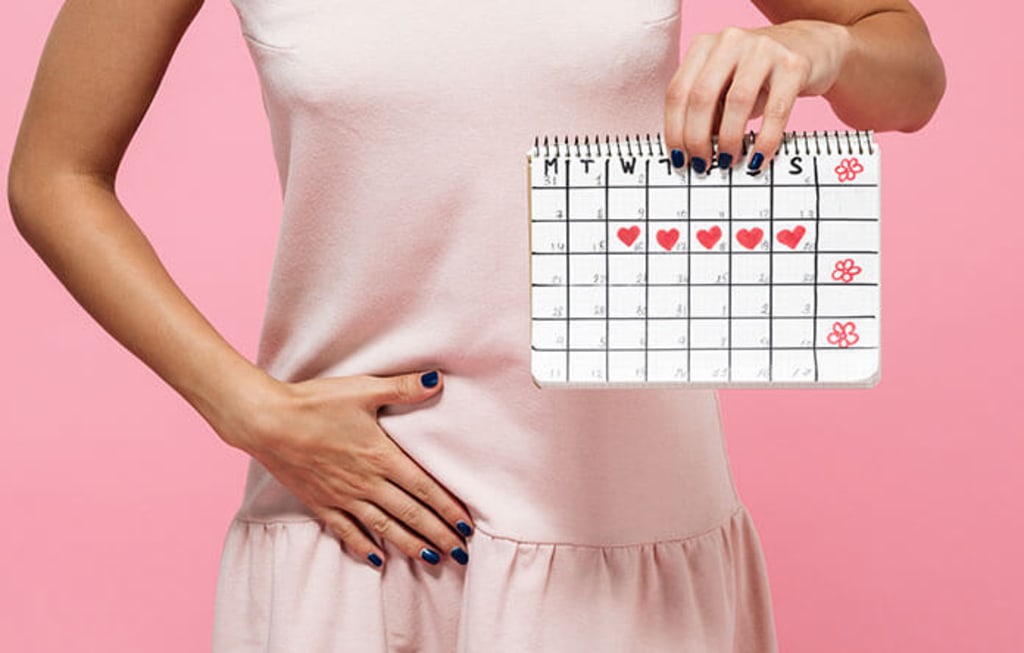
Research published in the American Family Physician journal states that, globally, 14 percent of women suffer from PCOS and irregular periods. The length of a regular menstruation cycle goes from 25-35 days. If your cycle goes shorter or longer than that, it may be a symptom of PCOS. If you feel the normal PMS (Pre Menstruation Symptoms) with no periods on the expected date, your periods might be falling into the irregular category.|
PCOS is the primary reason for irregular periods. It is a hormonal disorder that disturbs the balance between sex hormones in our bodies. The ovaries produce the two sex hormones in abnormal quantities. They grow more extensive amounts of androgen (male hormone) and lesser doses of estrogen. Disturbed ovulation, irregular periods, the formation of multiple cysts in ovaries, facial hair growth, baldness are some of the common side-effects of such hormonal imbalance. These side-effects form the Polycystic Ovary Syndrome (PCOS).
Hormonal imbalance is one of the critical triggers of PCOS, so it is crucial to monitor the reasons that lead to hormonal problems. Here are a few things that you may want to keep in check.
Stress
Stress harms your mood and your body. Under constant pressure, our body releases a stress hormone, cortisol, to fight its adverse effects. High amounts of cortisol can easily interfere with other hormones and their functions. For example, cortisol has an opposite relation with progesterone, a hormone needed to regulate your periods. Higher amounts of cortisol mean less progesterone, estrogen, and other crucial hormones. The imbalance may trigger higher production of androgen and result in PCOS.
Unhealthy eating and drinking habits
A high intake of carbs, sugars, fats, and alcohol can disturb hormones and periods. Many women tend to miss their periods around vacations or during festivals and weddings. High intake of junk food introduces harmful chemicals and preservatives in the bloodstream. Together they influence the hormones responsible for regulating ovulation and periods. The result is hormonal imbalance, irregular periods, bloating, and other cramps.
Constant Travel
If you are always travelling across different time zones, it can easily affect your circadian rhythm and disturb your body clock. It is not uncommon to miss one or two periods if you are always moving to various locations without a break. However, if you miss more than one or two periods, then you must consult your doctor.
Lack of sleep, too much sitting, and lack of exercise are other common reasons for hormonal disturbances. PCOS is just one of the side effects that shows the need to regulate your lifestyle and bring it back on track.
How To Regulate Your Periods Naturally?
Unless you are suffering from a severe medical problem, it is possible to regulate your periods naturally. Even PCOS can be monitored and cured through some lifestyle modifications. You have to find the right way to hold the hormonal balance in your body. Here are a few tips and tricks that may healthily resolve your problem:
1. Ayurveda: Ayurveda is not just a healing science but a way of life. All its treatments and therapies revolve around healthy lifestyle practices. If you are going for Ayurvedic treatment of PCOS, your doctor will direct you towards regular exercises and a healthy natural diet.
Ayurveda considers a direct relationship between periods and three Doshas present in the human body - Vata, Pitta, and Kapha. PCOS is a Vata dosha that needs to be rectified by deep detoxification of the human body. Panchakarma therapies are used to remove toxins permanently. It is then followed by an intake of organic herbal medicines that restore hormonal balance and the reproductive system to its original state without any side-effects. The central part of the Ayurvedic Treatment for PCOS involves long-term changes in eating, sleeping, and lifestyle changes to reduce recurrence chances.
2. Keep Track of Your Diet: Improper eating can easily affect your pituitary, hypothalamus, and adrenal glands. These three plants hold the responsibility for maintaining the hormonal balance of your body. If you eat less than the required amount or fail to add proper nutrients to your food, it can easily lead to improper production of hormones resulting in PCOS. Hence, a better solution is to read and find more information on eating right and healthy.
3. Eat Enough Fats and Carbs: Lower carb intake can easily interfere with your thyroid gland's functioning. The gland is responsible for the proper production of reproductive hormones in our body, so if your thyroid gland is disturbed, it may lead to irregular periods. Also, a high fibre diet lowers the concentration of hormones needed for regular menses. But that is no excuse to overeat fats and carbohydrates. A better idea is to maintain a healthy diet of fats, carbs, and fibers. So, try to include everything in your diet to an optimum level.
4. Regular Exercise: Our present lifestyle involves lots of idle sitting. Staying immobile for more extended periods can have endless ill-effects on your health, which includes irregular periods. It is crucial to exercise at least 30 minutes a day, even if you have a very hectic or busy routine. We are not asking for tough workouts in gyms. Just some brisk walking or jogging for 30 minutes will reset your body clock and hormonal functions. Just make sure you don't miss either of them for more than two days.
5. Yoga: It is one of the first therapies suggested under the treatment of PCOS. Deep breathing exercises, meditation, and some simple asanas can improve the hormonal imbalance that triggered PCOS.
About the Creator
Priyanka Sharma
Content Marketer
Keep reading
More stories from writers in Viva and other communities.
Prosecutors Demand Death Sentence for Ex–South Korean President Yoon Over Martial Law Crisis
In a case that has sent shockwaves through South Korea and drawn international attention, independent prosecutors have formally demanded the death penalty for former president Yoon Suk Yeol, accusing him of leading an insurrection through his short-lived but explosive declaration of martial law in late 2024. The move marks one of the most dramatic moments in South Korea’s modern democratic history and underscores how seriously authorities view the former leader’s actions.
By sehzeen fatima7 days ago in Viva
Merseyside Group Joins Forces With Local Charity
Liverpool’s Adelphi Hotel has raised over £2000 to help support St Peter and St James Hospice which help to provide compassionate hospice care for those in need based in the heart of Sussex. The award-winning hotel has put a lot of effort in to helping to support an establishment which is a family-owned UK manufacturer and supplier of packaging machinery and equipment. The service also helps to cater for pharmaceutical distribution so there are a number of different elements which are being helped to cater for those who are in need.
By Ashish Prabhu7 days ago in Viva
The Devil's Cut
“Comrade, finally you’re awake.” The voice was smooth, sensual. A flickering incandescent bar was all that lit the white, sterile room. All Vladimir remembered was everything going black. He tried to move his arms and found them strapped to the gurney.
By Matthew J. Fromm6 days ago in Fiction




Comments
There are no comments for this story
Be the first to respond and start the conversation.