
Is Beauty Realistic? – How Different Cultures Rate Beauty
Beauty Standards in Different Cultures

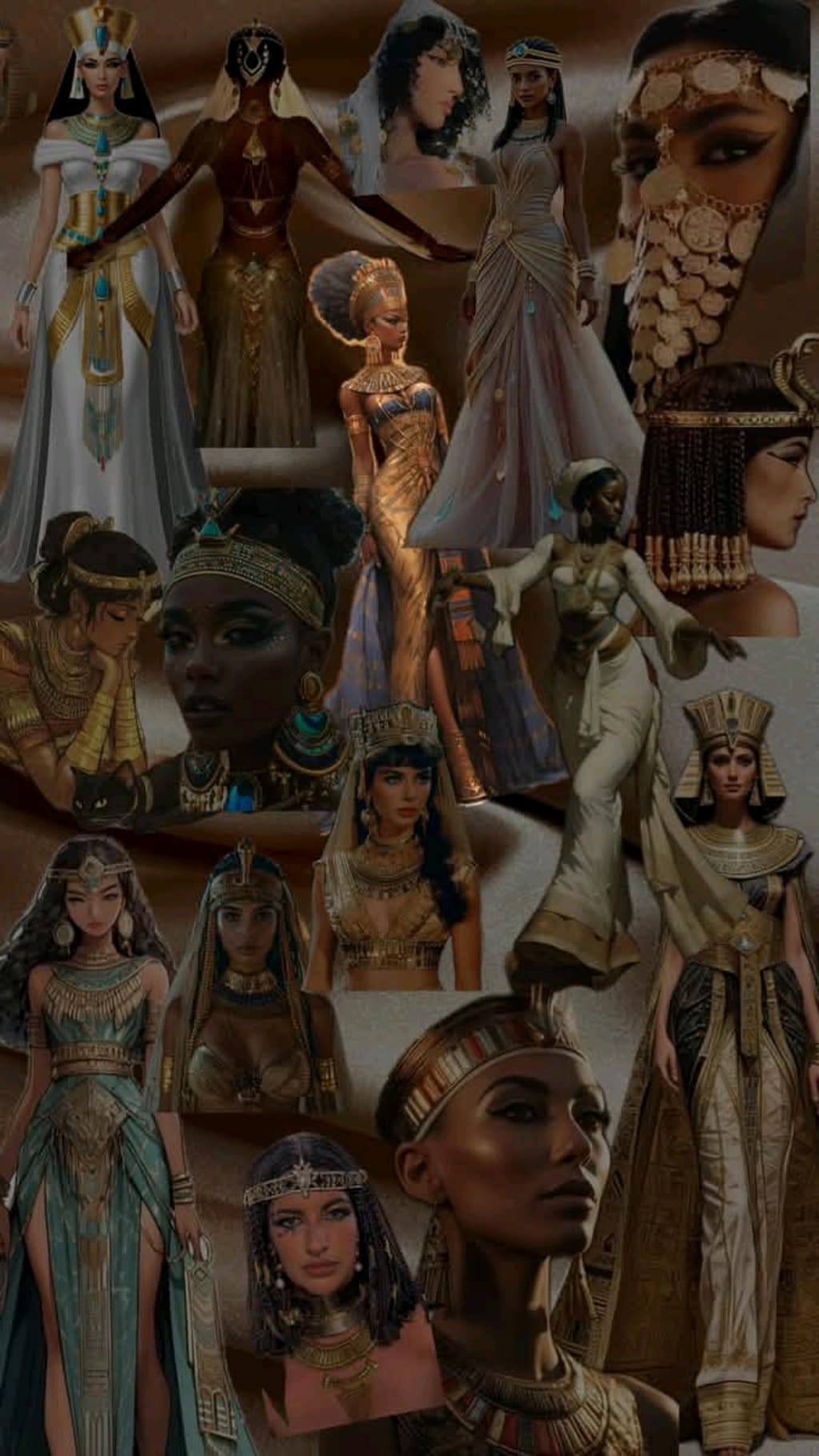
Learn about the most important standards of beauty throughout history and across cultures.
However, we can say that beauty standards vary according to the era. There are also some factors and requirements that greatly influence people's concepts regarding the ability to determine the characteristics of beauty and ugliness. Among the most important and prominent beauty requirements that have become common recently are long, soft hair, a well-proportioned body, and perfect teeth.
With the advancement of technology in the world, beauty and fashion standards have become completely different from those of ancient times. However, some of these standards remain strange, thanks to the methods and techniques used to change the appearance of the face, skin, hair, or body shape. Therefore, through this article, you can learn all the information and details.
It's worth noting that all women and girls are always keen to appear beautiful and have the perfect figure. Therefore, they rely on many different methods and techniques to obtain the best possible results, such as cosmetic surgery or getting rid of belly fat to achieve the appropriate weight and ideal body. However, we can say that femininity has always remained the standard agreed upon by all cultures and societies since ancient times.
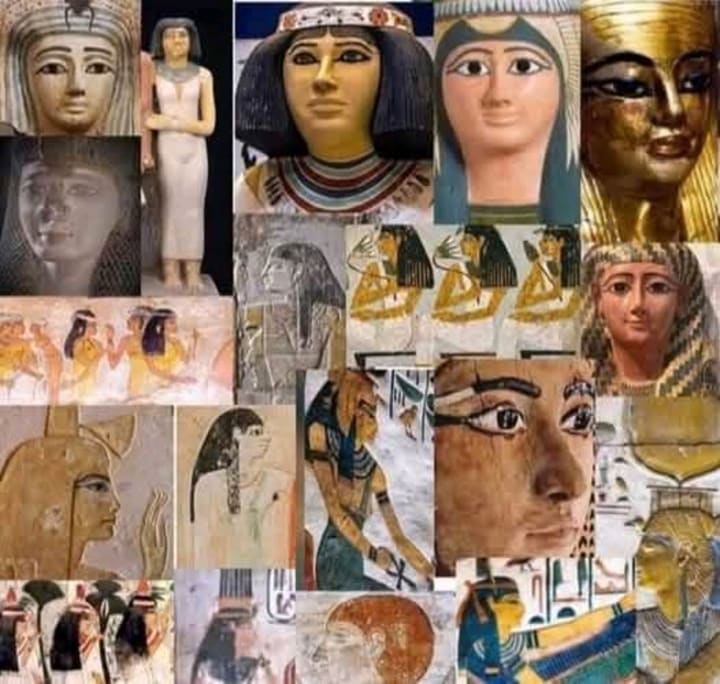
Therefore, beauty care holds a great and important place in every woman's life, even before the invention of modern and advanced methods of beautification. Princesses and queens in previous eras were the ones who were keen to prepare and bring cosmetics and take care of themselves. Then, after that, many of their charming and very distinctive recipes were passed down to us, and they are used to this day.
Arab Beauty Standards
Beauty standards and criteria throughout history have varied from one culture to another, and they also differ between Arab countries and foreign countries. Much research and study has been conducted among Arabs to understand beauty standards. Through the following points, you can learn about the most important and prominent beauty standards and criteria among Arabs:
• A girl or woman with long, thick black hair.
• Also, the eyes should be wide and the eyelashes thick and long.
• Clear white skin, perfect body that can be a little full, not too thin or fat.
• The lady has dimples that appear prominently when she smiles.
• In addition to the presence of a mole, it must be dark black and located above the upper lip.
• The woman's nose is small and precisely shaped, so many rhinoplasty surgeries are performed.
• Perfect figure, long, not chubby fingers.
• The woman should also have fine lines that appear between her eyebrows, especially when she feels angry.
• The ears are petite, and the mouth along with the lips are also small and not plump.
Western Beauty Standards
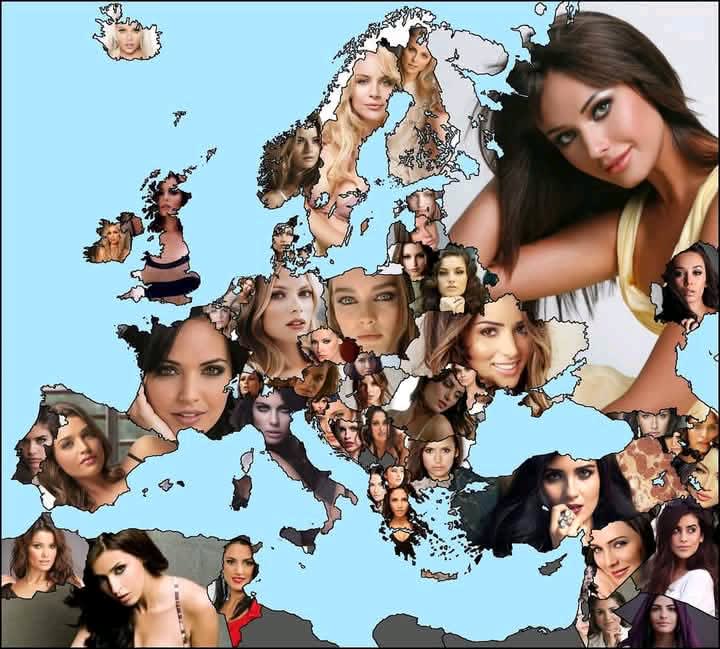
As we learned through the previous paragraphs about the standards of beauty throughout history among the Arabs, we will learn about the standards of beauty in the West. Owing to the clear difference in cultures, both are different, completely.
• Beauty in the West means that a woman should be tall. The taller the woman is, the more beautiful she is.
• In addition to the importance of women having blonde hair of all lengths.
• A woman's body should be athletic, slim, and have broad, muscular shoulders.
• The mouth should be thick and the lips full, and the nose small.
• One of the beauty standards that has emerged recently is for women to have a bronze color and dark skin.
Beauty standards throughout history in the West are completely different from beauty standards among Arabs due to cultural differences.
Beauty Standards for Women in the Middle Ages
To determine whether a person possesses the desired beauty, you must first become familiar with all the standards and criteria of beauty throughout history and across cultures. Women are considered one of the basic elements of beauty that all Arab poets and writers have praised. Furthermore, these standards vary due to several factors, the most important of which are differences in cultures, geographical locations, and the changes and developments that have occurred throughout the ages.
Therefore, along the following lines, we will review the standards of beauty throughout the ages:
▫️ Paleolithic Age
In this era, beauty standards required the ideal body with full breasts, fat hips, and a full stomach. Therefore, the Paleolithic era preferred a full and plump body for women.
▫️ Ancient Egyptian Era
Or what is called the Pharaonic era, women enjoyed many aspects of freedom, as the woman owned property independent of her husband and family members, in addition to having complete freedom to divorce her husband.
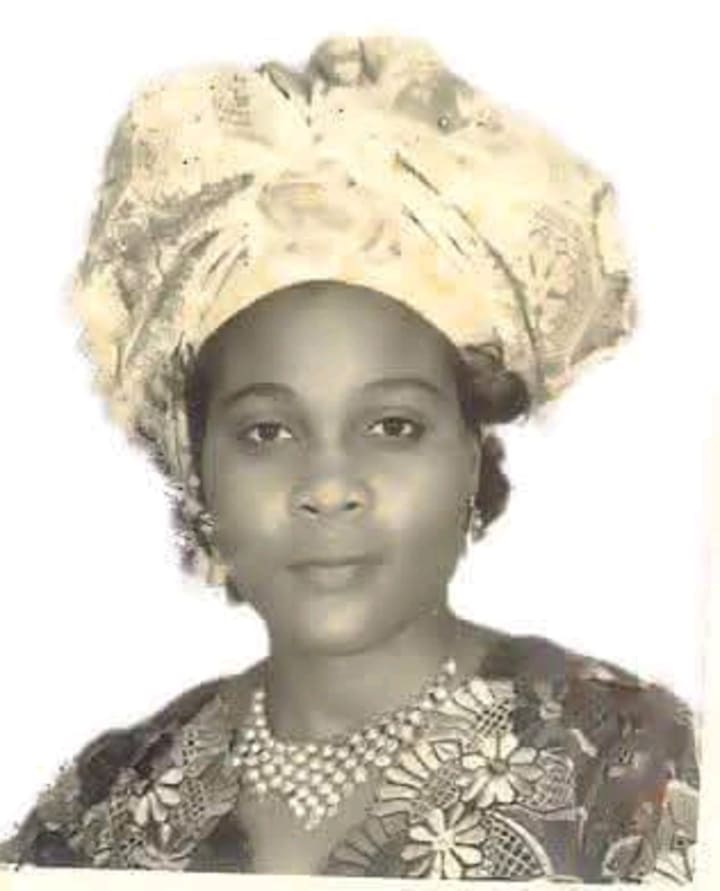
As for the standards of beauty, it is that the woman should be slim with narrow and small shoulders, a high waist, a symmetrical face, a small nose, and a small mouth.
▫️ Ancient Greek Times
It is worth noting that the most important era throughout time is the ancient Greek era, where women were described during this period as beautiful, evil beings. Throughout history, one of the beauty standards has been a full and disproportionate body, in addition to a wide and long face and fat buttocks. However, in general, they believed that women's beauty was distorted and that men were superior in their beauty.
▫️ Chinese Imperial Era
We can say that beauty standards throughout history, especially in Chinese culture, have tended toward women with extreme femininity, meaning small feet, thin toes. An ideal and graceful body, long, dark black hair, and pure white teeth, while lips should be red and full.
About the Creator
Keep reading
More stories from Uchenna Cosmas Nwokafor and writers in Viva and other communities.
Witches of the Modern Age: How They Enchant the 21st Century
You probably know them as hunchbacked old women with hooked noses and flying broomsticks – witches. Hundreds of years ago, they were among the terrors of the night, and even today, you can still find them in countless gruesome costumes at Halloween and Carnival. But there are more and more women who beautifully and proudly call themselves witches. But why? What exactly is behind this phenomenon, and who even uses witchcraft in the digital age?
By Uchenna Cosmas Nwokafor 9 months ago in Viva
How Class Shapes Access to Elite Sports
Elite sports are often portrayed as meritocratic arenas where talent, discipline, and hard work determine success. The dominant narrative suggests that anyone with sufficient dedication can rise to the highest levels of competition. In reality, however, access to elite sports is strongly influenced by socioeconomic class. Financial resources, social networks, institutional access, and geographic location all shape who is able to train, compete, and remain in high-performance pathways. Talent is necessary, but opportunity is unevenly distributed. As a result, class functions as a structural filter that determines which athletes can realistically pursue elite competition.
By Gus Woltmann6 days ago in Viva



Comments (3)
Beauty is quite relative. But I now do see it on a whole different perspective from this article.
Beauty is relative. But I can now see it in an eye-opening perspective from this article.
It's interesting how beauty standards change over time. The long hair, perfect teeth, and well-proportioned body are common now. But some modern methods seem strange. I wonder if there's a universal concept of beauty beneath all these cultural differences. And it's cool that femininity has been a constant. Do you think ancient beauty recipes still have value today? Also, how do these standards impact self-esteem?