


Hidden Figures
It's time to put the spotlight on historical heroines that time forgot. A look at female leaders, fighters, and change makers of past and present.
Cleopatra the Great: Why Cleopatra Was the Smartest and Most Intelligent Ruler of Egypt
Cleopatra. Name brings up many words: seductress, selfish, mistress, harlot, and many other negative words. What about smart or great ruler? Yes, she might have died without insuring her country's independence, but she did all she could to try to accomplish it. She was wickedly intelligent and knew how to use her feminine ways to get what she wanted. If Caesar had not died she could have accomplished all she wanted for herself and for her people. Cleopatra was truly one of the greatest pharaohs of Egypt. She had the makings of a great world conqueror and general, always thinking ahead, knowing her opponent, and being intelligible. And as said in The 100 Most Influential Women of All Time “it was both her desire and ambition that made her the Queen of Kings.”
By Catherine Agati7 years ago in Viva
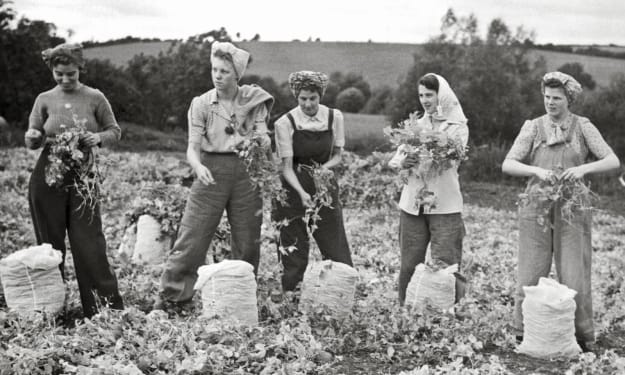
The Women's Land Army
‘We’ve come a long way; from Adam’s rib to Women’s Lib.’ This was the 'war-cry’ of women in the 1970s, and refers to the major changes that were coming about, thanks to protests around the world by the Women’s Liberation Movement. The story of “Adam’s Rib” is found in Genesis, which tells how God created the first woman, Eve, by removing a rib from Adam’s body and fashioning it into a woman. Regardless of which deity (if any) that you put your faith in, the idea of women being lesser beings seems to be consistent. For such a long time women were unable to compete at the same level as men, but through relentless campaigning and gradual social change, we arrive where we are today.
By Amelia Roberts7 years ago in Viva
Book Review: 'Hidden Figures: The True Story of Four Black Women and the Space Race'
Welcome, Book Readers!! My name is Michael Reynoso and this is “Writer’s Harmony.” Today, I will be doing a book review, which is called Hidden Figures: The True Story of Four Black Women and the Space Race, by Margot Lee Shetterly with Winifred Conkling.
By Michael Reynoso7 years ago in Viva
Hatshepsut
Pharaoh/Queen Hatshepsut was a female ruler around the 18th dynasty of Egypt. Her husband and half-brother King Thutmose II died unexpectedly about 1479 BC. Her stepson, Thutmose III inherited the throne. Sadly he was too young to rule, so Hatshepsut served as regent. A few years later, with the support the priests of the god, Amun, she crowned herself Pharaoh.
By Alexia Villanueva7 years ago in Viva
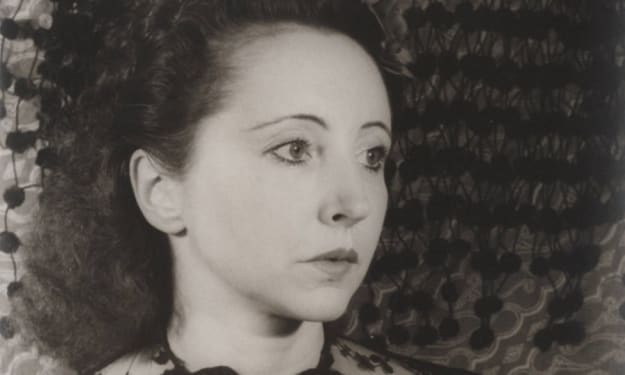
Anais Nin
Anais Nin was an American, twentieth century author, born in Neuilly-sur-France in 1903. Both her parents were artists. Her father was a Cuban pianist and composer. Her mother was a classically trained Cuban singer of French and Danish descent. Nin is most well known for her journals and erotic literature. Nin was a product of the Surrealism Movement in art and literature which was “... a means of reuniting conscious and unconscious realms of experience so completely that the world of dream and fantasy would be joined to the everyday rational world in an absolute reality, a surreality.”
By MissRuth Green7 years ago in Viva
The 19th Century Swedish Novel Missing from the Feminist Literary Canon
In surveys of the most important novels by 19th century women writers, the focus is usually on the works of Anglo and French authors like the Brontë sisters, Louisa May Alcott and George Sand. Yet for all their significance and value, few of these contributed to furthering both social and legal change as much as the frequently overlooked novel of one of Sweden’s most important women writers.
By Victoria Martínez7 years ago in Viva
Celia, A Slave
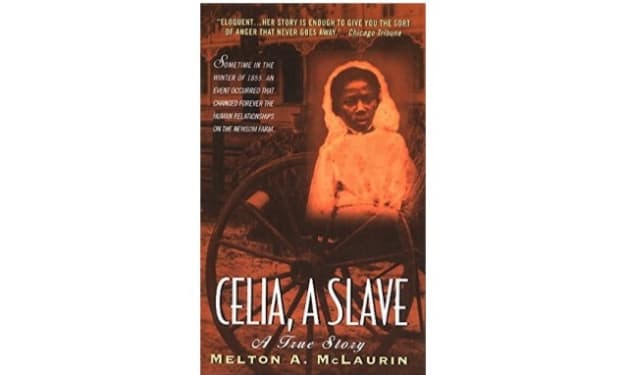
Celia, A Slave was a book published by Melton A. McLaurin based on a true story about a woman named Celia. Celia was an African American female who lived in Audrain County, Missouri, which bordered Callaway to the North, until she was purchased by Robert Newsom in 1850 (McLaurin, 11). By this year, she was approximately fourteen years old, but other than that not much was known about her before her arrival to the Newsom farm. Historians do not know if she was born in Audrain County, whether she had been the property of a farmer, or how many masters she had had previously (McLaurin, 11). While working on the Newsom farm, Celia cooked for the Newsom household, which consisted of Robert Newsom, his son Harry, and his daughters, Virginia and Mary (McLaurin, 11). In addition to her household duties, Robert Newsom treated her as his concubine. Newsom molested and raped Celia, which eventually led to his murder. The relationships of race, gender, and power in the antebellum South were revealed in many aspects of Celia’s life as a slave, as shown in her experiences with rape by Robert Newsom and her court case.
By Jade Rosario8 years ago in Viva
Empowering Women in Classical China
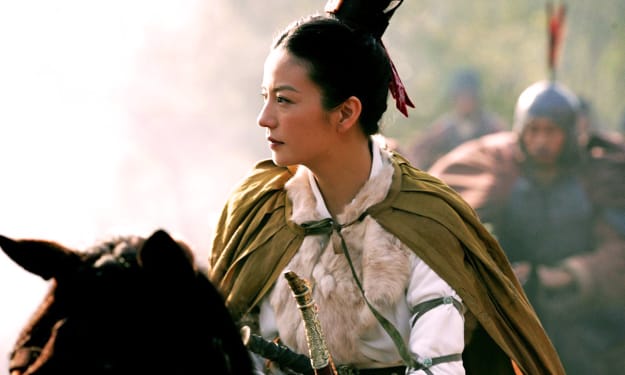
Around 190 CE China, it was common for girls’ personal names to be unrecorded by history. Instead, all we have left is to know them by their family names. One such woman born in this era was Lady Sun, but she didn’t let society stop her from trampling over gender norms with her one hundred armed female soldiers. This kind of female empowerment and early feminism is a rare find in this time period. A unit of female guards, all armed with swords and other weapons, was positively unheard of in the Han Dynasty, but when China split into three separate kingdoms, things like gender norms became a little more relaxed.
By Leigh Victoria Phan, MS, MFA8 years ago in Viva
Five Historical Women You Really Wouldn't Want to Mess With
Though there have been many female warriors throughout history, many have been sadly neglected in the history books in favor of their male counterparts. In this list, I will discuss five of the most fearless women who ever picked up a weapon. Though they lived in many different time periods and cultures, they all had the same desire to fight for themselves and their people.
By Hailie Crowder8 years ago in Viva