
Aviation Safety
Why Aviation Safety Shouldn't Be a Political Game


Aviation safety is one of the great success stories of modern regulatory oversight. Over the past few decades, commercial aviation has become the safest mode of transportation, thanks to rigorous regulations, continuous technological improvements, and the collaboration of experts from various fields. However, recent political maneuvering threatens to undermine these hard-earned gains, turning aviation safety into a partisan issue rather than treating it as the essential public concern it truly is.
The Dangers of Politicizing Aviation Safety
Aviation safety should be guided by data, expertise, and best practices, not political agendas. When policy changes are driven by ideology rather than facts, the consequences can be dire. Safety regulations exist to prevent tragedies, and history has shown that a lapse in oversight or a rushed decision can lead to catastrophic failures. Political interference that disrupts established aviation safety protocols could erode public trust and put lives at risk.
For example, abrupt changes in leadership at key regulatory agencies can disrupt long-term safety initiatives. If experienced professionals are replaced with political appointees who lack the necessary expertise, aviation safety could take a back seat to political considerations. The recent dismissal of the Aviation Security Advisory Committee, a group that played a vital role in strengthening airline security, is a case in point. Disbanding a proven safety mechanism without a clear and valid reason leaves the industry vulnerable to unforeseen threats.
The Role of Regulatory Agencies in Aviation Safety
The Federal Aviation Administration (FAA) and the National Transportation Safety Board (NTSB) are tasked with ensuring the safety of U.S. air travel. Their ability to function effectively depends on being insulated from political influence. These agencies rely on decades of research, collaboration with global aviation bodies, and input from airline operators, pilots, and engineers to develop safety measures that work.
When political agendas dictate regulatory changes, it can lead to delays in implementing safety improvements. The 737 MAX crisis demonstrated the consequences of inadequate oversight when Boeing and the FAA faced scrutiny for failing to address serious software issues before allowing the aircraft to fly. The lesson learned was clear: regulatory agencies must act independently and prioritize passenger safety above all else.
The Impact of Deregulation and Budget Cuts
While government efficiency is important, reckless budget cuts or deregulation efforts that weaken safety oversight are dangerous. Some policymakers argue that reducing regulations will lower costs for airlines and passengers, but this should never come at the expense of safety. Cutting corners in aviation safety can lead to devastating accidents that cost lives and ultimately damage the industry’s reputation.
Investing in safety is not just about preventing accidents—it’s also about maintaining public confidence in air travel. If travelers begin to perceive flying as less safe due to political meddling, the economic impact on airlines and tourism could be significant. Keeping safety regulations intact and ensuring that they evolve with technological advancements is essential for sustaining the industry's success.
Aviation Safety Should Be a Bipartisan Priority
Ensuring the safety of passengers and crew should be a universally accepted priority, not a subject of political debate. Policymakers from all sides should recognize that maintaining strong aviation safety standards benefits everyone. Congress must exercise its oversight responsibilities to ensure that aviation regulations are based on scientific evidence and expert recommendations rather than political whims.
Ultimately, aviation safety is not a game to be played with political leverage. It is a fundamental responsibility that should be handled with the utmost seriousness. The public must demand that aviation policies remain grounded in expertise, experience, and evidence to ensure that flying remains one of the safest ways to travel. The lives of millions depend on it.
About the Creator
Horace Was
Essay Writer, Aviation and Technology Expert
Keep reading
More stories from Horace Was and writers in Viva and other communities.
Elevating Aviation Careers
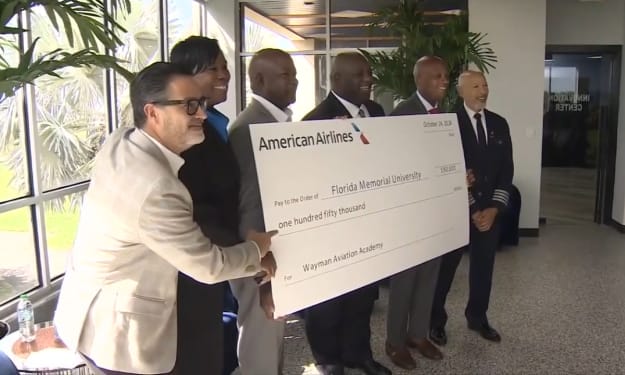
The aviation industry is undergoing a transformation. As the demand for skilled professionals in aviation continues to rise, companies are increasingly looking for ways to foster diverse talent and expand opportunities for underrepresented communities. In an exciting move to shape the future of aviation careers, American Airlines has announced a partnership with Florida Memorial University (FMU), a historically Black university in South Florida. This collaboration is set to break barriers, expand career opportunities, and provide crucial training for the next generation of aviation professionals.
By Horace Wasabout a year ago in Viva
What Makes Colombo Special?
Wondering what makes Colombo stand out among the capitals in Asia? This stunning city blends colonial heritage, modern attractions, rich culture, and mouthwatering cuisine all within this amazing hotspot. From exploring colourful markets and serene temples and holy sites, to trying out some tasty street food and exquisite rooftop bars, Colombo has something for everyone! Here's how to experience its vibrant spirit and discover what truly makes it special.
By Aurora Gianna7 days ago in Viva
A Historic Decision in Jersey: Choosing Dignity at the End of Life
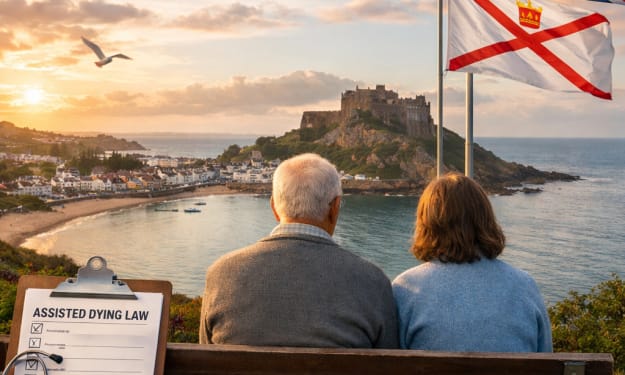
In February 2026, the island of Jersey made history. Lawmakers voted to allow assisted dying for terminally ill adults. This decision has started important conversations about dignity, suffering, and the right to choose how life ends.
By dua fatima5 days ago in Viva
A Knight of the Seven Kingdoms Series Review (Season 1)
As one of the biggest properties in fantasy, A Song of Ice and Fire remains immensely popular with audiences. After reaching far into the past with House of the Dragon, a second spin-off was on the cards. A Knight of the Seven Kingdoms serves up a bite-sized slice of action and drama, but it still claims a spot among the best small-screen titles.
By Robert Cain4 days ago in Geeks


Comments
There are no comments for this story
Be the first to respond and start the conversation.